
Onchain passport limits to account for
An onchain passport is a verifiable attestation of your decentralized identity data, recorded directly on a blockchain. Instead of storing sensitive personal details in a centralized database, the passport uses the Ethereum Attestation Service (EAS) to create a cryptographic proof that your identity attributes are valid. This proof can be shared with applications without revealing the underlying raw data, solving the privacy paradox of Web3.
Think of it as a digital credential that lives on the ledger. When you interact with a decentralized finance (DeFi) protocol or a governance platform, you can present this passport to prove you meet certain criteria—such as being a unique human or holding specific tokens—without exposing your entire transaction history or private keys. This approach guarantees asset ownership and identity integrity while keeping your personal information off-chain.
The primary constraint here is not technical capability, but user experience and adoption friction. While the cryptographic guarantees are robust, the process of linking off-chain identity proofs to on-chain attestations requires multiple steps. Users must manage their credentials carefully, and applications must implement the verification logic correctly. If the attestation layer is not widely supported, the passport becomes a siloed solution rather than a universal standard.
This constraint is particularly relevant for compliance. Regulators are increasingly looking for ways to audit transactions without violating privacy. An onchain passport offers a middle ground: it provides enough verifiable data for compliance checks (like KYC/AML) while minimizing data exposure. However, the complexity of maintaining these attestations across different chains and protocols remains a significant hurdle for mass adoption.
Onchain passport choices that change the plan
Moving identity from a centralized server to the blockchain introduces a different set of risks. While onchain passports offer verifiable proof of human status or compliance, they require careful evaluation of privacy, cost, and permanence. The tradeoff is not simply security versus convenience; it is about who controls the data and how that control is enforced.
Privacy and Data Permanence
The primary tension lies in the immutable nature of the blockchain. An onchain passport typically uses the Ethereum Attestation Service (EAS) to create a verifiable attestation of your data. Once an attestation is recorded, it cannot be deleted. This permanence ensures that your identity history is tamper-proof, but it also means any errors or sensitive metadata linked to that attestation remain public indefinitely. If the attestation contains personal identifiable information (PII) or links to off-chain data that is later compromised, the blockchain record serves as a permanent pointer to that vulnerability.
Cost and Accessibility
Every interaction with the blockchain incurs a gas fee. For users in regions with limited financial infrastructure, these costs can be a barrier to entry. While layer-2 solutions have reduced fees significantly, the transactional nature of identity verification still requires capital. This creates a friction point where the most secure and verifiable identities are also the most expensive to maintain, potentially excluding lower-income users from participating in compliant DeFi ecosystems or tokenized asset markets.
Control and Recovery
Unlike traditional identity providers, onchain passports rely on private key management. If you lose your seed phrase, your identity and its associated attestations may be permanently inaccessible. There is no customer support team to reset credentials. This self-sovereignty is a double-edged sword: it eliminates the risk of a centralized database breach, but it places the entire burden of security on the user. Recovery solutions exist, such as social recovery or multi-sig setups, but they add complexity that can deter non-technical users.
Compliance and Interoperability
Onchain passports are not yet a universal standard. Different protocols may use different attestation schemas, leading to fragmentation. A passport verified on one platform may not be recognized on another without additional bridging or re-verification steps. This lack of interoperability can slow down user onboarding. Regulatory frameworks like MiCA in Europe are still evolving, meaning the legal status of an onchain attestation as a proof of identity or age is not yet settled in all jurisdictions. Users must verify that their chosen passport provider aligns with current local regulations.
| Factor | Centralized ID | Onchain Passport | Key Risk |
|---|---|---|---|
| Data Control | Provider holds data | User holds key | Loss of private key = loss of identity |
| Privacy | Shared with provider | Public ledger (attestations) | Permanent record of verification events |
| Cost | Free (ad-supported) | Gas fees per action | High fees for complex transactions |
| Recovery | Email/Phone reset | Social recovery/Multi-sig | Complex setup for average users |
| Interoperability | Proprietary silos | EAS/ERC-725 standards | Fragmented recognition across protocols |
Choose the next step: Build your onchain identity
Decentralized identity is not just a wallet feature; it is a compliance layer. By using the Ethereum Attestation Service (EAS), Onchain Passport creates verifiable attestations of your data on the blockchain. This allows you to prove eligibility for DeFi protocols without exposing your entire history.
To move from theory to practice, follow this decision framework. It prioritizes security, regulatory alignment, and user experience.
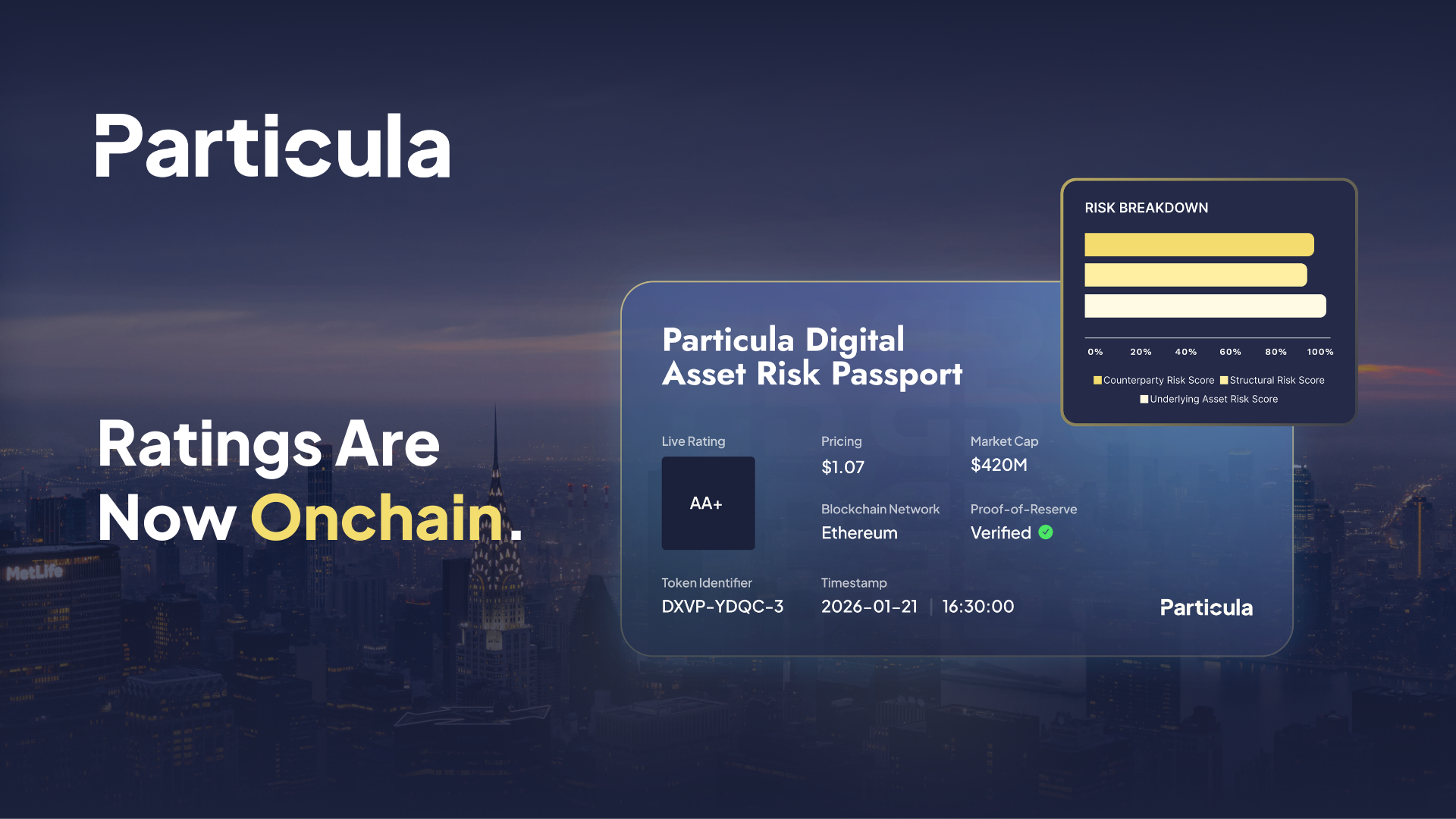
Define why you need a passport. Are you targeting a specific airdrop, accessing KYC-restricted DeFi, or building a reputation system? Your goal dictates which attestations to prioritize. For example, a DeFi user needs Proof of Humanity, while an NFT collector might focus on long-term holding proofs.
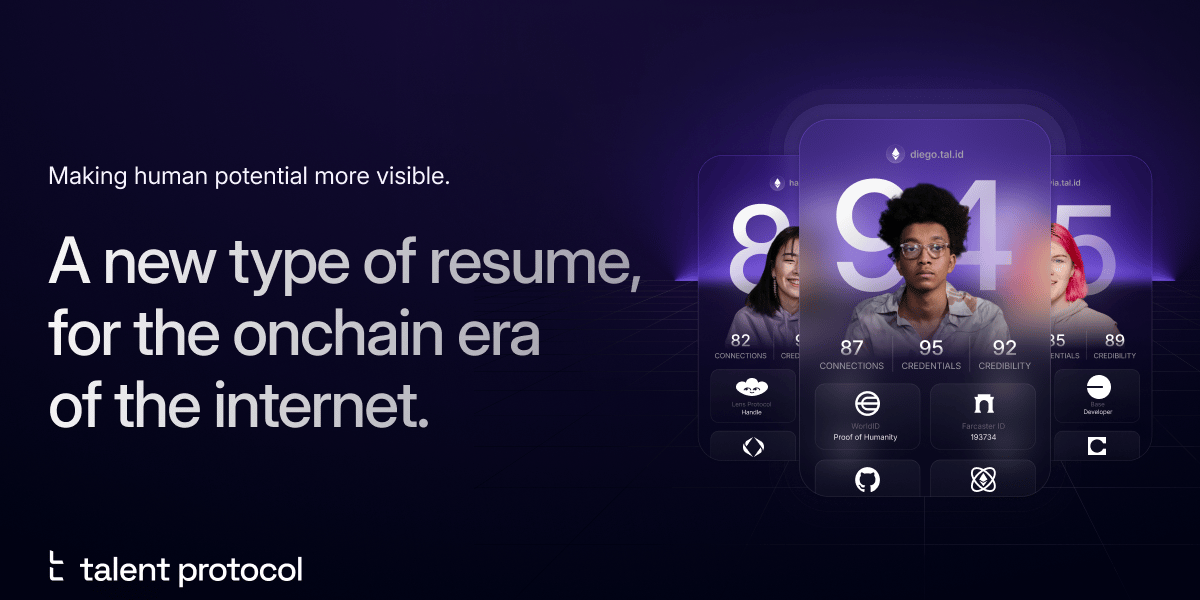
Check if your jurisdiction supports the attestations you plan to use. Countries like the UAE, Switzerland, and Singapore have clearer frameworks for digital assets. If you are in a restrictive region, ensure your passport does not inadvertently flag you for compliance issues. Always consult official sources or legal counsel.

Your passport is only as strong as its weakest link. Verify that the attestation providers are reputable and that the data is immutable. Avoid platforms that store sensitive personal information on-chain without encryption. Use hardware wallets to sign attestations and prevent unauthorized access.
Before committing capital, test your passport with target protocols. Ensure your attestations are recognized and that the user experience is smooth. If a protocol rejects your passport, check the documentation for specific requirements. This step prevents future friction and ensures your identity is portable.
Watch out for weak options and misleading claims
OnChain Passport 2026 promises to solve Web3 privacy and compliance, but the reality is more nuanced. While the Ethereum Attestation Service (EAS) creates verifiable onchain records of your Passport data, this does not automatically mean full anonymity. The core tension lies in linking pseudonymous onchain activity to verified identity proofs.
Many projects market "blockchain passports" as guarantees of asset ownership, yet these are often just attestations rather than legal title deeds. Users frequently mistake these verifiable credentials for immutable proof of ownership, leading to compliance gaps when regulations shift. Always verify if the attestation is tied to a specific jurisdictional framework or if it remains a generic proof of humanity.
Common mistakes include assuming that "onchain" means "private." In reality, onchain data is public by default. The privacy benefit comes from selective disclosure of zero-knowledge proofs, not from hiding your activity. Be wary of services that claim to offer both full compliance and complete anonymity without explaining the cryptographic trade-offs involved.
The best approach is to understand that OnChain Passport is a tool for verification, not a shield against regulatory scrutiny. It streamlines compliance by providing standardized, verifiable data points, but it does not exempt you from local laws. Treat it as a utility for trust minimization, not a legal loophole.
No comments yet. Be the first to share your thoughts!