
What Is an OnChain Passport?
An onchain passport is a decentralized identity credential that lets you prove your identity, residency, or financial status without handing over raw personal data to every new platform. Instead of uploading a photo of your driver’s license to a centralized server, you hold a cryptographically signed credential in your wallet. You then share only the specific verification needed for a transaction.
This approach shifts control back to the user. You own the data. You decide who sees it. If a platform goes offline or changes its privacy policy, your identity credentials remain valid and portable across different dApps and financial services.
How It Differs from Traditional KYC
Traditional Know Your Customer (KYC) processes are siloed. Every exchange and lending protocol requires you to submit documents again, creating redundant data risks. An onchain passport aggregates these verifications into a single, reusable score. This is often called Proof of Personhood or a Verifiable Credential.
For example, Gitcoin Passport allows users to showcase evidence that they are unique humans without exposing their underlying data. It signals trustworthiness to decentralized applications, enabling access to airdrops or governance rights while maintaining privacy. This is distinct from hardware wallets like the Passport by SatoshiLabs, which focus on securing Bitcoin keys rather than identity verification.
The practical choices that change the plan
The main tradeoff is complexity. Setting up an onchain passport requires connecting multiple data sources—social accounts, bank links, or government IDs—to build a sufficient reputation score. It is not instant. However, the long-term benefit is a frictionless experience. Once verified, you can access DeFi protocols, NFT marketplaces, and cross-border payments without re-submitting documents every time.
Onchain passport choices that change the plan
Choosing an onchain identity solution requires balancing privacy, verification depth, and ecosystem compatibility. Unlike traditional KYC processes that hand your data to a central authority, decentralized identity protocols let you control what you share. However, this shift introduces new variables regarding user experience, cost, and regulatory acceptance.
The landscape includes distinct approaches. Gitcoin Passport focuses on Sybil resistance by aggregating trust scores from various activities, making it ideal for airdrops and governance. Tokeny’s ONCHAINID and Verify Investor’s On-ChainPass cater more toward institutional compliance, offering reusable, self-managed investment passports that streamline accredited investor checks. Meanwhile, hardware solutions like the Bitcoin Passport emphasize sovereignty, acting as an air-gapped device for secure signing rather than a social identity graph.
| Feature | Gitcoin Passport | Tokeny ONCHAINID | Bitcoin Passport | On-ChainPass |
|---|---|---|---|---|
| Primary Use Case | Sybil resistance, DAO governance | Institutional KYC/AML | Secure hardware signing | Tokenized investor verification |
| Data Model | Trust score (0-145) | Reusable verifiable credentials | Private key storage | Blockchain-based verification |
| Privacy Approach | ZK-proof based scoring | Self-sovereign identity | Local-only storage | Selective disclosure |
| Best For | Airdrops, community access | Fundraising, token sales | Cold storage, sovereignty | Compliance-heavy platforms |
Privacy remains the most significant tradeoff. While protocols claim to minimize data exposure, the verification process often requires linking off-chain identities to on-chain wallets. Users must decide if the convenience of seamless access outweighs the risk of creating a persistent, linkable identity graph. Additionally, the cost of verification varies; some solutions are free for basic scoring, while institutional-grade verification may involve fees or require specific token holdings.
Compatibility with your target platforms is equally critical. A passport that works for one decentralized application (dApp) may be useless on another. Before committing, verify which ecosystems recognize the specific identity protocol you choose. Institutional solutions like ONCHAINID are gaining traction in regulated DeFi, while Gitcoin Passport remains the standard for community-driven projects.
| Feature | Gitcoin Passport | Tokeny ONCHAINID | Bitcoin Passport | On-ChainPass |
|---|---|---|---|---|
| Primary Use Case | Sybil resistance | Institutional KYC/AML | Secure signing | Investor verification |
| Data Model | Trust score | Verifiable credentials | Private keys | Blockchain verification |
| Privacy | ZK-proofs | Self-sovereign | Local-only | Selective disclosure |
| Best For | Airdrops | Fundraising | Cold storage | Compliance |
The market for decentralized identity is evolving rapidly, with new protocols emerging to address specific regulatory gaps. As adoption grows, the ability to seamlessly move your identity between platforms will define the next standard for global finance. Keep an eye on major exchanges and DeFi platforms as they integrate these solutions, as their choices will likely set the de facto standards for years to come.
Choose the next step
Building a decentralized identity requires matching the right credential type to your specific use case. There is no single solution that covers every scenario; instead, you need a framework that distinguishes between identity verification, financial sovereignty, and reputation signaling.
Use the following steps to evaluate which identity layer serves your immediate needs.

If you need to access regulated financial services, such as fiat on-ramps or institutional custody, look for solutions that provide proof-of-personhood backed by official documentation. Platforms like ONCHAINID allow you to own and reuse digital identity credentials that are self-managed. This approach is essential for compliance-heavy environments where you must prove you are a real person without surrendering data ownership to a central authority.

For users prioritizing asset security over social reputation, a Bitcoin-only hardware wallet like Passport offers an air-gapped, open-source solution. Manufactured in the US, this device helps you reclaim sovereignty by keeping your private keys offline. It is the correct choice if your primary goal is to protect your holdings from remote hacks rather than building a social or financial reputation score.
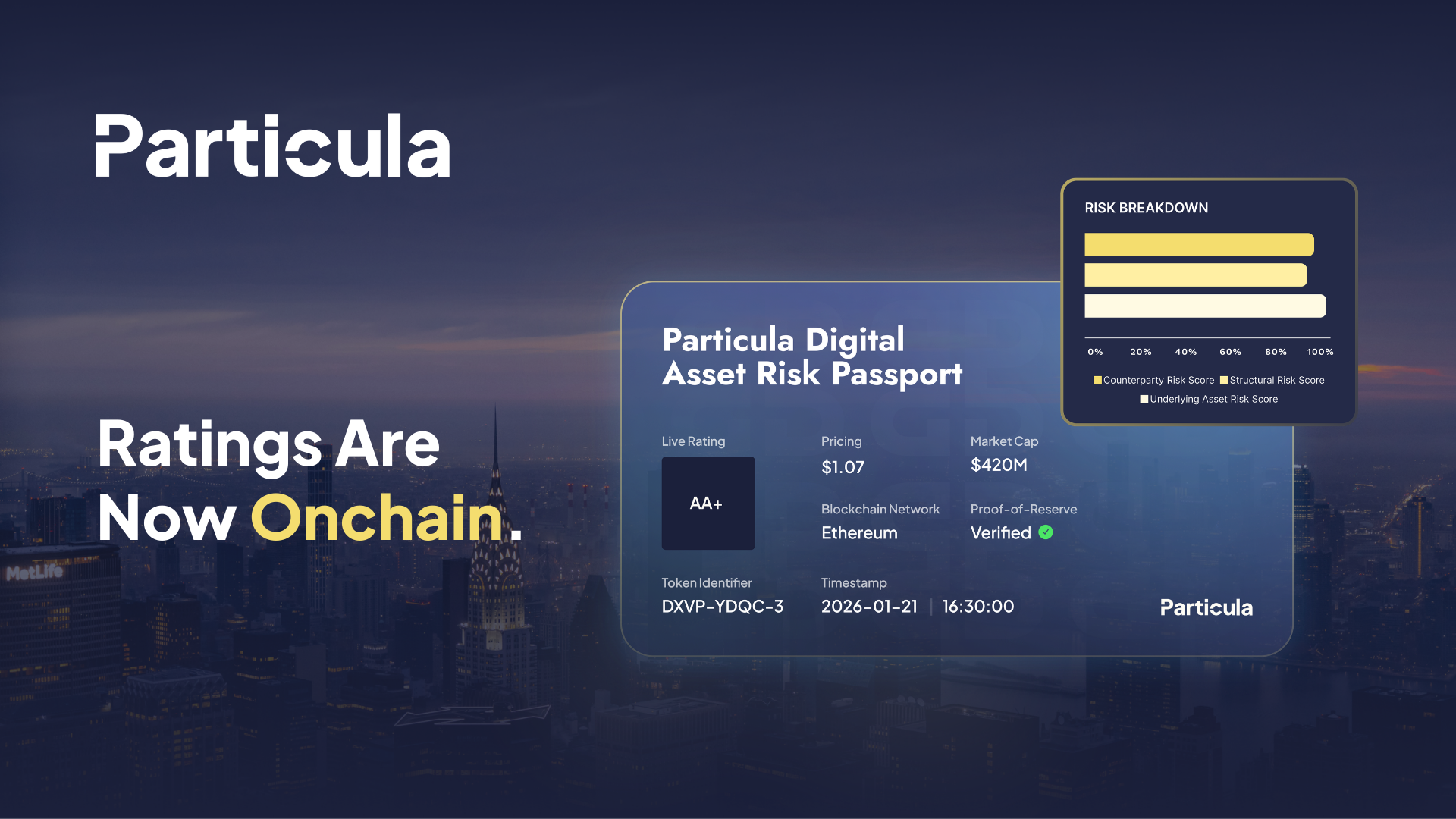
If your goal is to participate in decentralized applications (dApps) that require proof of uniqueness, Gitcoin Passport is the standard. It enables users to showcase evidence that they are real humans, signaling trustworthiness to protocols without exposing raw data. This method is ideal for combating sybil attacks in airdrops or governance votes, where proving you are a unique participant is more important than financial accreditation.
By categorizing your needs into verification, security, or reputation, you can select the correct protocol. This prevents the common mistake of over-engineering your identity setup for tasks that require simple, targeted credentials.
Spotting weak options in decentralized identity
The term "passport" has become a loose label in Web3, often masking fundamentally different products. Before committing to any on-chain identity solution, you need to distinguish between a hardware security device and a decentralized identity protocol. Confusing the two leads to poor security practices or wasted effort. A Bitcoin Passport is an air-gapped hardware wallet for key management, not a reputation system. Conversely, Gitcoin Passport is a decentralized identity protocol that scores human uniqueness without exposing personal data. Mixing these concepts is the first mistake to avoid.
Many platforms market "on-chain passports" as universal credentials for global finance. In reality, most are just aggregated API keys or basic KYC attestations with limited interoperability. Look for solutions that allow self-sovereign data reuse, like Tokeny’s ONCHAINID, which lets you own and manage your own investment passport data rather than renting it from a centralized provider. If a service requires you to upload sensitive documents to a single cloud server, it fails the decentralization test. True on-chain identity keeps the cryptographic proof on the blockchain while storing the heavy data off-chain, ensuring you retain control.
Another common trap is assuming a high score equals universal acceptance. Most dApps and DeFi protocols have their own specific requirements for identity verification. A Gitcoin Passport score might open doors for airdrops, but it won’t necessarily satisfy a regulated exchange’s AML checks. Always verify which identity standard a specific platform actually accepts. Don’t settle for a "crypto-friendly" jurisdiction label as a substitute for technical compatibility. The best option is the one that directly integrates with your target ecosystem, not the one with the broadest marketing claims. Focus on specific, verifiable integrations rather than vague promises of global access.
Onchain passport: what to check next
The term "passport" in crypto carries a few distinct meanings depending on whether you are looking at hardware security, jurisdictional compliance, or decentralized identity verification. Understanding these distinctions helps you choose the right tool for your specific workflow.
No comments yet. Be the first to share your thoughts!