
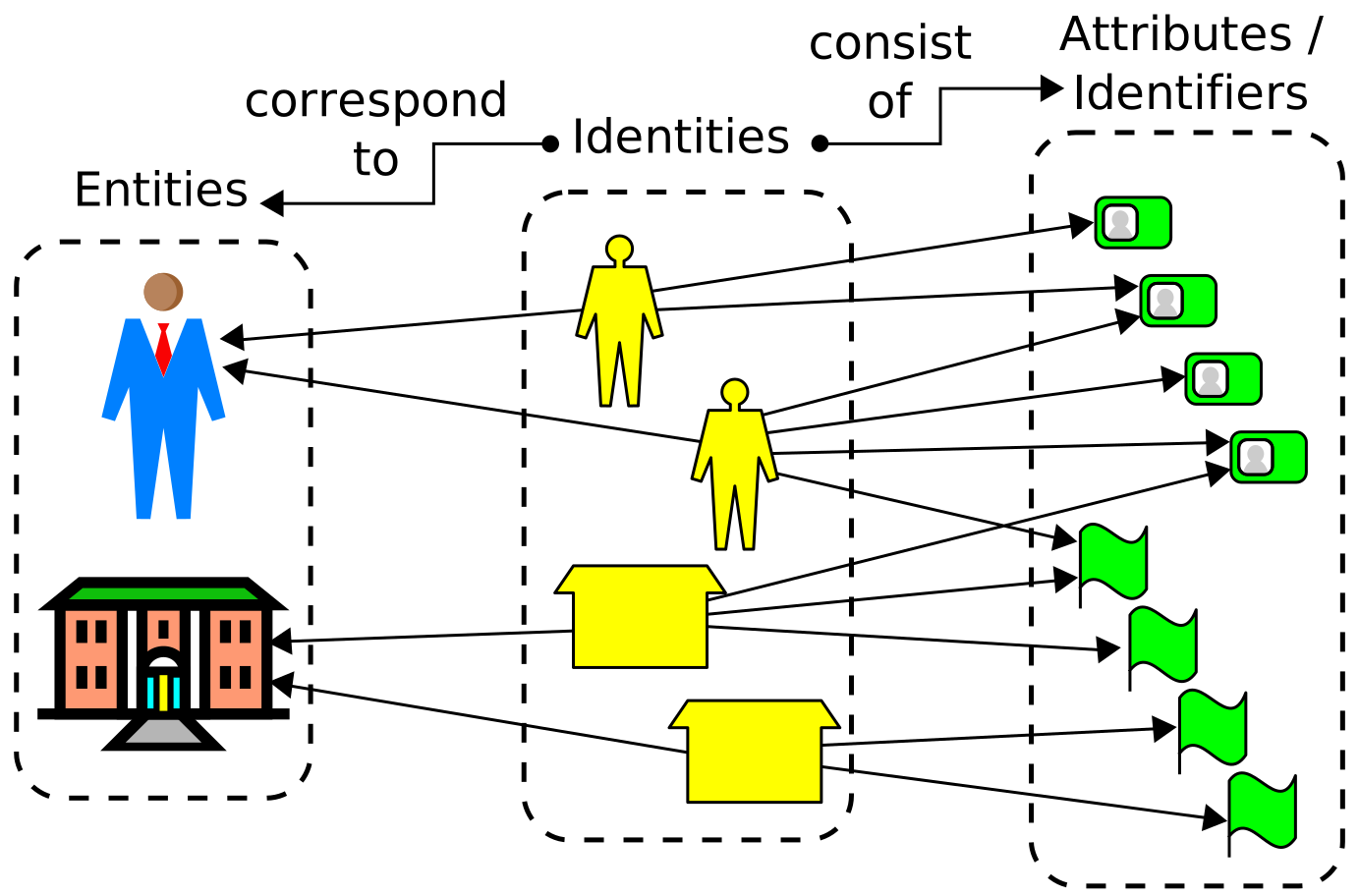
What defines an OnChain Passport
An OnChain Passport is a self-sovereign identity layer that replaces repetitive, centralized Know Your Customer (KYC) processes with cryptographic proof. Rather than submitting sensitive personal data to multiple centralized silos for every new application, users store verifiable credentials on the blockchain. This architecture allows individuals and organizations to enforce compliance and access digital assets while retaining ownership of their data.
In Web3, the wallet serves as the foundational passport. It is the mechanism through which users access applications, sign transactions, and prove their identity. By leveraging this infrastructure, an OnChain Passport enables the reuse of digital identity across different platforms. Once a user verifies their identity with a trusted provider, that credential can be presented to various services without re-entering personal information, streamlining the user experience significantly.
The functional difference between traditional KYC and an OnChain Passport lies in data control and reusability. Traditional systems store data in fragmented databases, creating security risks and friction. In contrast, an OnChain Passport stores verifiable credentials on the blockchain, giving users control over who accesses their data. This distinction is critical for high-stakes environments where privacy and regulatory compliance intersect.
This model supports concrete use cases such as tokenized securities trading and airdrop eligibility verification. For instance, Gitcoin Passport enables users to showcase evidence that they are unique and real humans, signaling trustworthiness to decentralized applications (dApps) without exposing their underlying data. Similarly, solutions like ONCHAINID by Tokeny provide a self-managed and reusable investment passport, allowing users to own their data and easily manage their digital identity across the blockchain ecosystem.
Leading OnChain Passport solutions compared
Selecting an onchain identity provider requires aligning technical architecture with regulatory requirements. The market has split between human-centric attestation models and institutional-grade compliance frameworks. Understanding these functional differences prevents integration errors in high-stakes environments like tokenized securities.
The following comparison evaluates three dominant providers: Human Passport, Tokeny, and VerifyInvestor. Each serves a distinct segment of the digital asset ecosystem.
| Provider | Primary Use Case | Verification Method | Target Audience |
|---|---|---|---|
| Human Passport | Airdrop eligibility & Sybil resistance | Decentralized attestation (Gitcoin) | Retail developers & dApps |
| Tokeny (ONCHAINID) | Tokenized securities & KYC/AML | Centralized KYC + onchain credential | Institutions & Issuers |
| VerifyInvestor | Institutional onboarding & recurring checks | Tokenized investor passport | Fund administrators & Custodians |
Human Passport: Sybil Resistance
Human Passport, developed by Gitcoin, focuses on proving unique human identity rather than legal compliance. It uses a decentralized attestation model where users collect "stamps" from various trusted providers to build a Humanity Score.
This model is ideal for applications requiring Sybil resistance, such as fair airdrop distributions or governance voting. However, it lacks the legal rigor required for regulated financial products. Developers integrate it via the Passport API to filter out bots without collecting personally identifiable information (PII) directly.
Tokeny: Institutional Compliance
Tokeny’s ONCHAINID solution is built for regulated environments. It combines traditional Know Your Customer (KYC) processes with blockchain-based credential issuance. Once verified, users hold a reusable, self-managed identity token that can be presented to multiple issuers.
This approach satisfies regulatory requirements for tokenized securities, where issuers must verify investor accreditation and jurisdiction. The system allows institutions to enforce compliance checks automatically while giving users control over their data sharing preferences.
VerifyInvestor: Recurring Verification
VerifyInvestor offers a tokenized investor passport designed for continuous compliance. Unlike one-time KYC checks, this solution supports recurring verification needs, such as periodic re-KYC or transaction monitoring.
The platform is tailored for fund administrators and custodians who manage large numbers of investors. It reduces manual paperwork by providing a standardized, blockchain-based record of investor status. This is particularly useful for private markets where regulatory reporting is frequent and complex.
The choice between these solutions depends on your primary use case. If you are building a consumer-facing dApp, Human Passport offers the best balance of privacy and security. For regulated financial products, Tokeny or VerifyInvestor provide the necessary legal safeguards. Always consult legal counsel to ensure your chosen provider meets local regulatory standards.
How zero-knowledge proofs ensure privacy
Zero-knowledge proofs (ZK-proofs) provide the cryptographic foundation for onchain identity systems, allowing users to verify compliance without exposing underlying personal data. In the context of onchain passports, this mechanism resolves the primary tension in Web3 identity: the need for verifiable credentials versus the desire for data minimization. Rather than transmitting sensitive documents or biometric hashes directly to a smart contract, the system generates a cryptographic proof that attests to specific attributes, such as age, residency, or accreditation status.
This approach aligns with regulatory requirements for Know Your Customer (KYC) and Anti-Money Laundering (AML) checks while preserving user privacy. For example, a user can prove they are over 18 or are an accredited investor without revealing their birth date or financial statements. The smart contract validates the proof's mathematical correctness, ensuring the claim is true without accessing the raw data. This separation of verification from disclosure is critical for high-stakes applications like tokenized securities, where regulatory compliance is mandatory but data leakage poses significant legal risks.
The technical implementation typically involves a trusted setup phase, where cryptographic parameters are generated, followed by the creation of proofs by the user's wallet or identity provider. These proofs are then submitted to the blockchain, where they are verified in constant time, regardless of the complexity of the underlying data. This efficiency makes ZK-proofs suitable for high-throughput environments, such as airdrop eligibility checks or decentralized exchange (DEX) access controls, where thousands of verifications may occur simultaneously.
By decoupling identity verification from data storage, onchain passports enable a more resilient and privacy-preserving digital identity infrastructure. Users retain ownership of their data, sharing only what is necessary for each interaction. This model not only enhances security but also fosters trust in decentralized applications, as users can participate in regulated activities without compromising their anonymity or exposing themselves to data breaches.

Regulatory risks and compliance gaps
The primary friction point for on-chain identity is the divergence between technical verification and legal recognition. While protocols can verify that a user holds a specific passport credential, this does not automatically grant legal compliance across all jurisdictions. An on-chain passport is a cryptographic proof of identity attributes, not a universal legal shield. Users and issuers must navigate a fragmented landscape where regulatory expectations vary significantly by region.
For example, tokenized securities often require strict adherence to Know Your Customer (KYC) and Anti-Money Laundering (AML) laws. In the European Union, the Markets in Crypto-Assets Regulation (MiCA) sets clear standards for asset issuers, but it does not explicitly mandate on-chain passports as the sole compliance mechanism. Issuers must still ensure their identity verification processes meet local legal requirements, which may involve traditional centralized checks alongside on-chain data.
Similarly, airdrop eligibility and decentralized governance participation rely on on-chain passports to prevent Sybil attacks. However, these use cases rarely carry the same legal weight as financial services. A passport that satisfies a protocol’s internal rules may offer no protection if a jurisdiction later determines that the identity verification process was insufficient for regulatory purposes. This creates a risk gap where technical compliance does not equal legal safety.
The lack of global harmonization means that an on-chain passport issued in one jurisdiction may not be recognized in another. This forces platforms to maintain multiple verification layers, increasing complexity and cost. Until regulatory bodies establish standardized frameworks for recognizing on-chain identity credentials, users must assume that technical verification is only one component of a broader compliance strategy.
Steps to integrate an OnChain Passport
Integrating an OnChain Passport requires a structured workflow that bridges off-chain identity verification with on-chain credential storage. For developers building compliant applications—such as tokenized securities platforms or airdrop eligibility systems—the process involves selecting a provider, integrating the SDK, and defining verification logic. This section outlines the technical steps to implement a robust identity layer.
Begin by evaluating providers based on your regulatory jurisdiction and technical stack. Human Passport (Gitcoin) offers a decentralized scoring model, while ONCHAINID provides enterprise-grade compliance tools. Choose a provider that supports the specific verification stamps (e.g., Proof of Humanity, KYC) required for your use case.

Install the provider’s SDK or API client into your application. For Human Passport, this involves integrating their JavaScript library to allow users to connect their wallets and begin collecting stamps. Ensure the integration respects the provider’s data privacy policies and handles wallet connection events securely.

Determine the minimum score or specific stamps required for user access. For example, a decentralized exchange might require a minimum Human Passport score of 5 to prevent Sybil attacks during a token distribution. Configure your smart contracts or backend logic to reject transactions from wallets that do not meet these criteria.
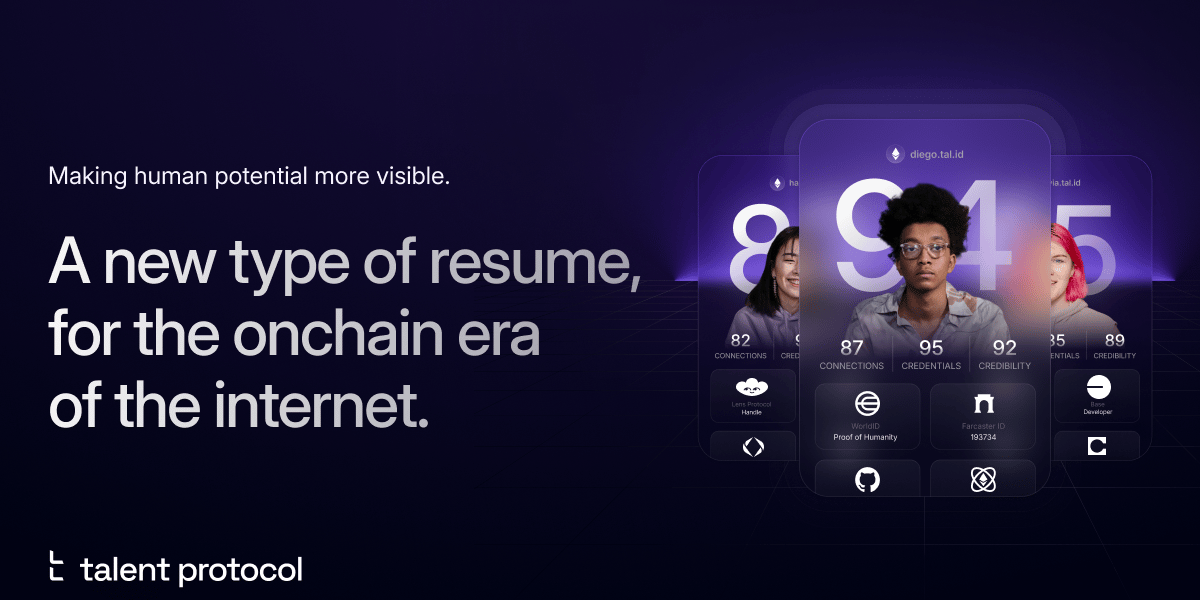
On-chain scores are not always sufficient for high-stakes compliance. Implement a fallback mechanism that triggers traditional Know Your Customer (KYC) checks for users with low scores or high-risk flags. This hybrid approach ensures regulatory adherence while maintaining the benefits of decentralized identity for low-risk interactions.
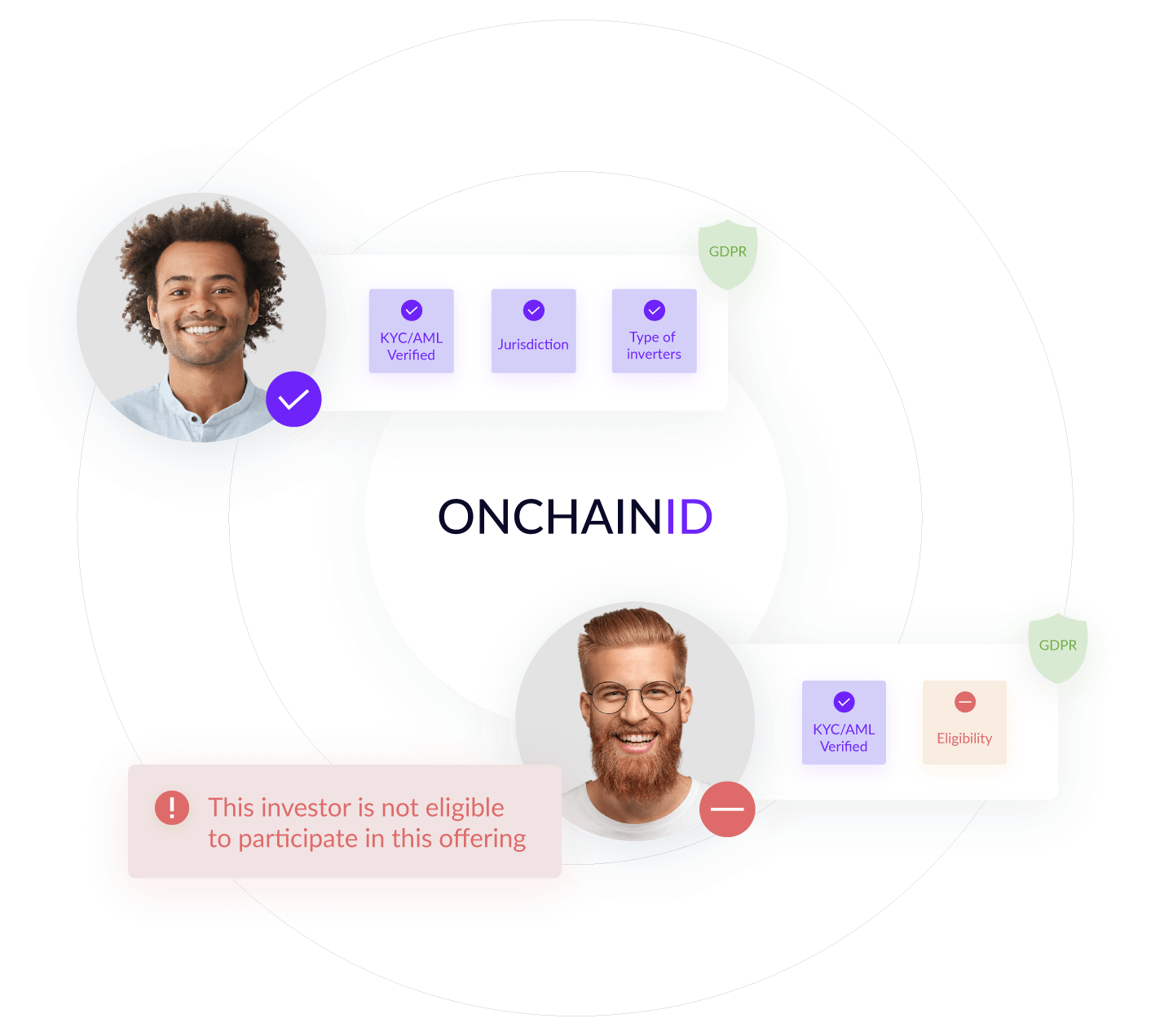
Finally, verify the stored credentials directly on the blockchain. Human Passport’s onchain functionality allows users to store verified Stamps and scores on-chain, which your smart contracts can read. Use the provider’s documentation to query the on-chain data and confirm the user’s identity state before granting access to protected features.
For developers looking to implement this, a practical checklist includes: selecting a provider, integrating the SDK, defining verification thresholds, and handling fallback KYC for edge cases. This ensures a seamless and compliant user experience.
-
Select Passport provider
-
Integrate SDK/API
-
Define verification thresholds
-
Handle fallback KYC for edge cases
For more detailed technical guidance, refer to the Human Passport Documentation or the ONCHAINID Developer Portal.
Frequently asked questions about OnChain Identity
What is Onchain Identity?
Onchain identity is a blockchain-based framework that identifies individuals and organizations to enforce compliance and manage access to digital assets. Unlike traditional web2 accounts, it allows entities to prove eligibility for tokenized securities or airdrops without surrendering full control of their personal data to a central authority.
What are the benefits of Gitcoin Passport?
Gitcoin Passport enables users to showcase evidence of their humanity and uniqueness through a "Passport Score." It signals trustworthiness to decentralized applications (dApps) while allowing users to collect and present data without exposing raw information or giving up ownership, effectively mitigating Sybil attacks in decentralized governance.
What is the best Passport for crypto?
There is no single "best" passport; the choice depends on the specific compliance requirements of the target jurisdiction or platform. For example, Gitcoin Passport is widely used for airdrop eligibility and Sybil resistance, while solutions like Human Passport or ONCHAINID may offer deeper integration with regulatory frameworks in jurisdictions like the UAE, Switzerland, or Singapore for institutional access.
No comments yet. Be the first to share your thoughts!