
In the evolving landscape of Web3, where trust is paramount yet privacy is non-negotiable, ZK proofs for wallet reputation emerge as a game-changer for decentralized identity wallets. Imagine proving your wallet's longstanding good behavior - on-chain activity, verified KYC status, or community contributions - without exposing the underlying data that could dox you. This is the promise of zero-knowledge technology integrated into DID wallets, enabling private reputation decentralized identity that empowers users while mitigating Sybil attacks and fraud. As we approach 2026, protocols like Billions Network and zkPass have matured, making this setup accessible for privacy advocates and developers alike.
Self-sovereign identity (SSI) forms the bedrock here, allowing individuals to control their digital personas through wallets that store verifiable credentials (VCs). Traditional systems force users to surrender data to centralized verifiers; in contrast, DID wallets with ZK verification let you generate proofs on-demand, disclosing only what's necessary. This selective disclosure aligns perfectly with data minimization principles, a regulatory darling in both EU digital identity initiatives and blockchain ecosystems.
Why ZK Proofs Revolutionize Wallet Reputation Systems
Zero-knowledge proofs (ZKPs) allow a prover to demonstrate truthfulness of a statement without revealing additional information. In the context of self-sovereign identity ZK proofs, this means attesting to attributes like "this wallet has a reputation score above 80 from 100 and interactions" or "verified human without Sybil duplicates" purely mathematically. No PII leaks, no honeypots for hackers.
Consider the pitfalls of public reputation scores: they invite targeted attacks and stifle pseudonymity, core to crypto's ethos. ZK flips this script. Projects like Humanity Protocol convert biometrics into reusable Human IDs via ZK, achieving Sybil resistance for airdrops at a $1.1 billion valuation by late 2025. Meanwhile, zkPass integrates seamlessly, proving age or residency from wallet-stored data. My analysis suggests these tools will dominate by 2026, as interoperability via AggLayer cements their utility across chains.

DIAP Protocol, launched November 2025, pushes boundaries further by binding agent identities to content IDs statelessly. For wallets, this translates to dynamic reputation proofs that evolve with activity, sans mutable records - a boon for long-term holders seeking DeFi access or DAO voting without doxxing.
Key Advancements Shaping 2026 ZK Identity Wallets
Billions Network, rebranded from Polygon ID in February 2025, stands out as the official identity layer for AggLayer. It enables reusable KYC attestations with ZK identity wallets privacy at its core, letting users prove compliance attributes selectively. Late 2025 integrations mean cross-chain reputation portability is no longer theoretical.
Complementing this, zkKYC concepts from research archives evolve into production tools, where holders prove eligibility via VCs in their digital wallet. Quantum-resistant options like ZK-STARKs ensure future-proofing against emerging threats. Enterprises eyeing attribute-based access control find solace in DIDs, VCs, and ZKPs, as outlined in recent academic works.
These developments underscore a shift: from siloed credentials to interoperable, privacy-first reputation. For developers, the barrier to entry drops with wallet-native support; for users, it means commanding respect on-chain incognito. Yet, adoption hinges on intuitive setups - a focus we'll tackle next.
Prerequisites for Your 2026 ZK Reputation Wallet Setup
Before diving into configurations, assemble essentials. You'll need a compatible DID wallet like those supporting SSI standards - think wallets with EUDI compliance or Web3-native ZK circuits. Ensure Ethereum compatibility for most protocols, though L2s like those in AggLayer optimize costs.
Install Node. js for local proving if building custom circuits, or leverage no-code tools from Billions Network. Familiarity with concepts like DIDs and VCs is crucial; for deeper dives on verifiable credentials without doxxing, explore foundational guides on zero-knowledge privacy in DID ecosystems. Gather initial credentials: perhaps a basic KYC from a trusted issuer or on-chain history proofs.
Security first - use hardware wallets for seed management, and audit circuits against known vulnerabilities. With these in place, generating your first ZK reputation proof becomes straightforward, paving the way for private, verifiable trust in decentralized apps.
With prerequisites aligned, configuring your DID wallet for ZK proofs unlocks private reputation signals that command trust across ecosystems. This 2026 setup emphasizes Billions Network for credential issuance and zkPass for attribute proofs, ensuring seamless integration without compromising zk identity wallets privacy. Developers and users alike benefit from standardized circuits that scale across L2s, reducing gas fees while upholding mathematical verifiability.
Step-by-Step ZK Reputation Proof Generation
Begin by selecting a wallet with native ZK support, such as those enhanced by Billions Network's toolkit. Link your on-chain history - transaction volume, DAO participation, or lending repayments - to build a baseline reputation dataset. Issuers like trusted KYC providers generate initial VCs, which your wallet encrypts into ZK circuits.
Generate ZK Reputation Proofs: Billions Network DID Wallet Guide
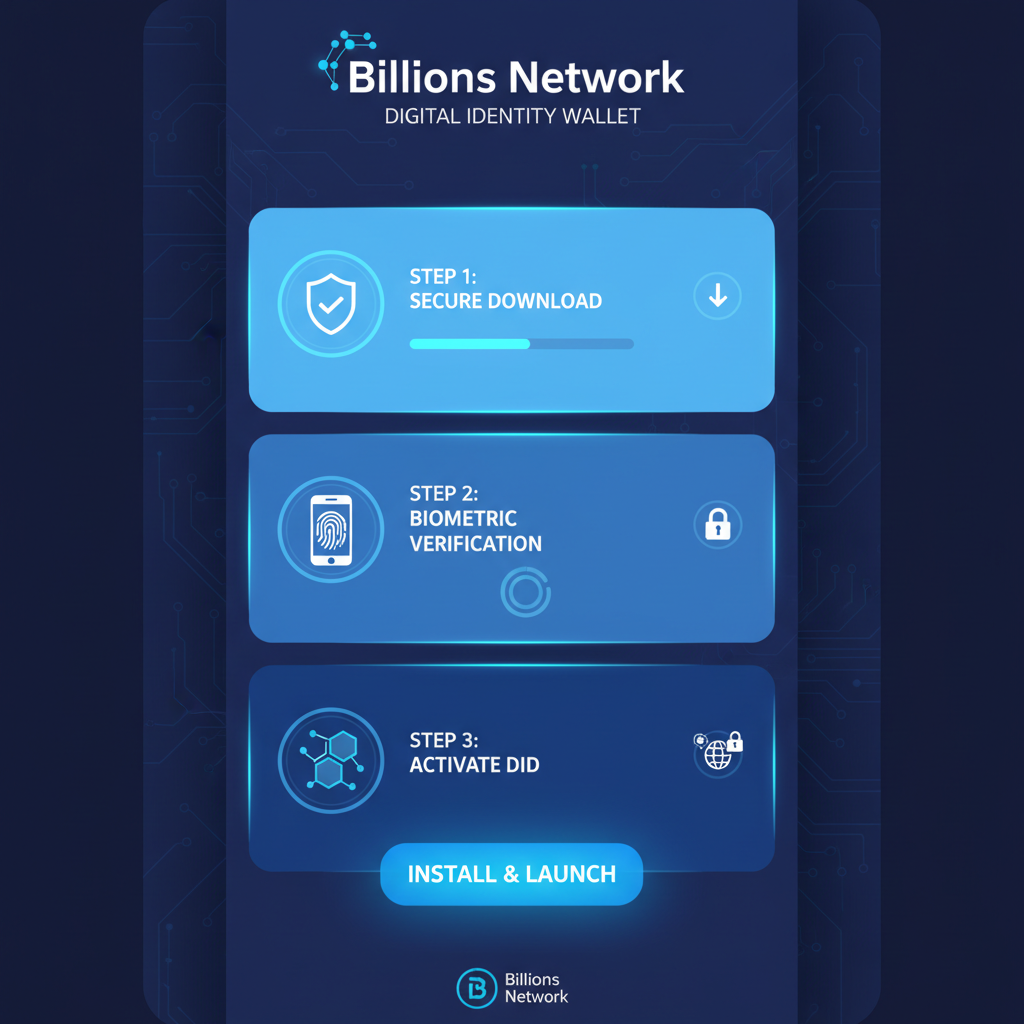
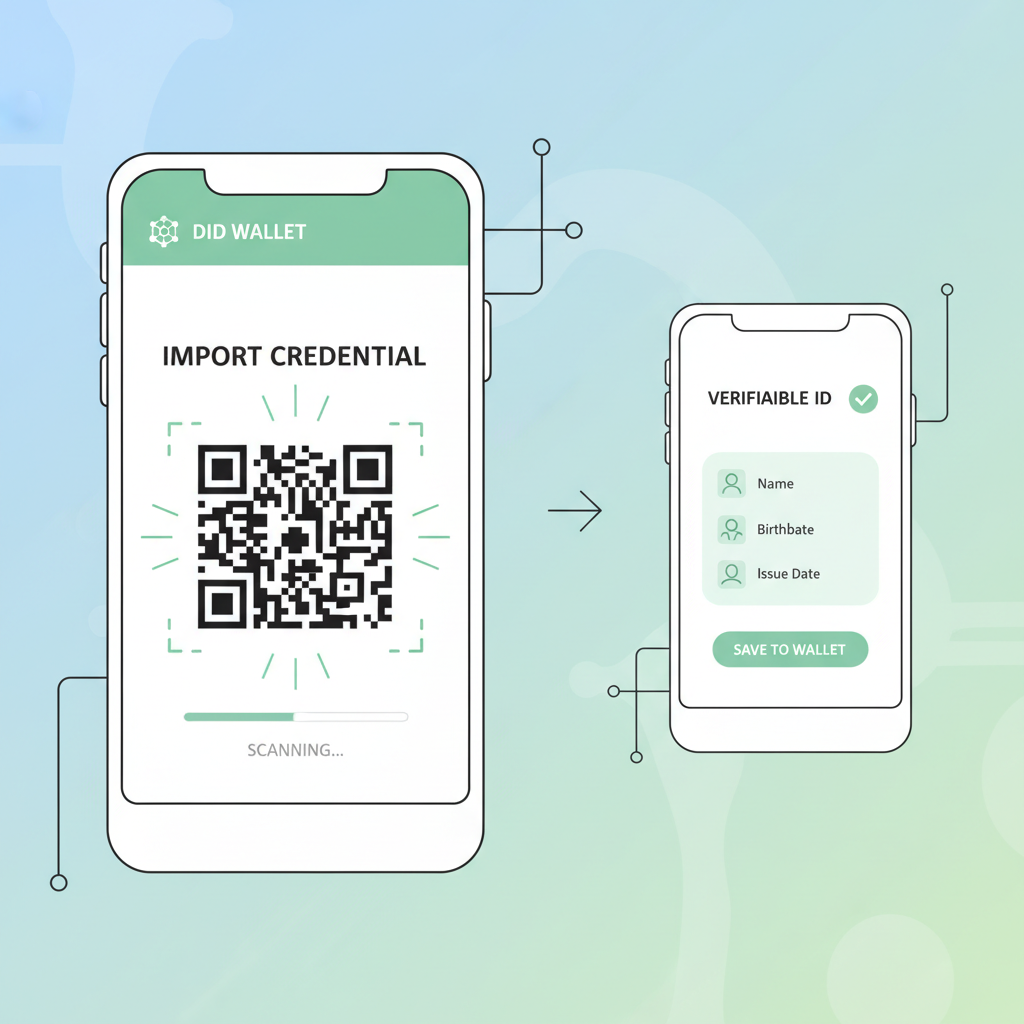
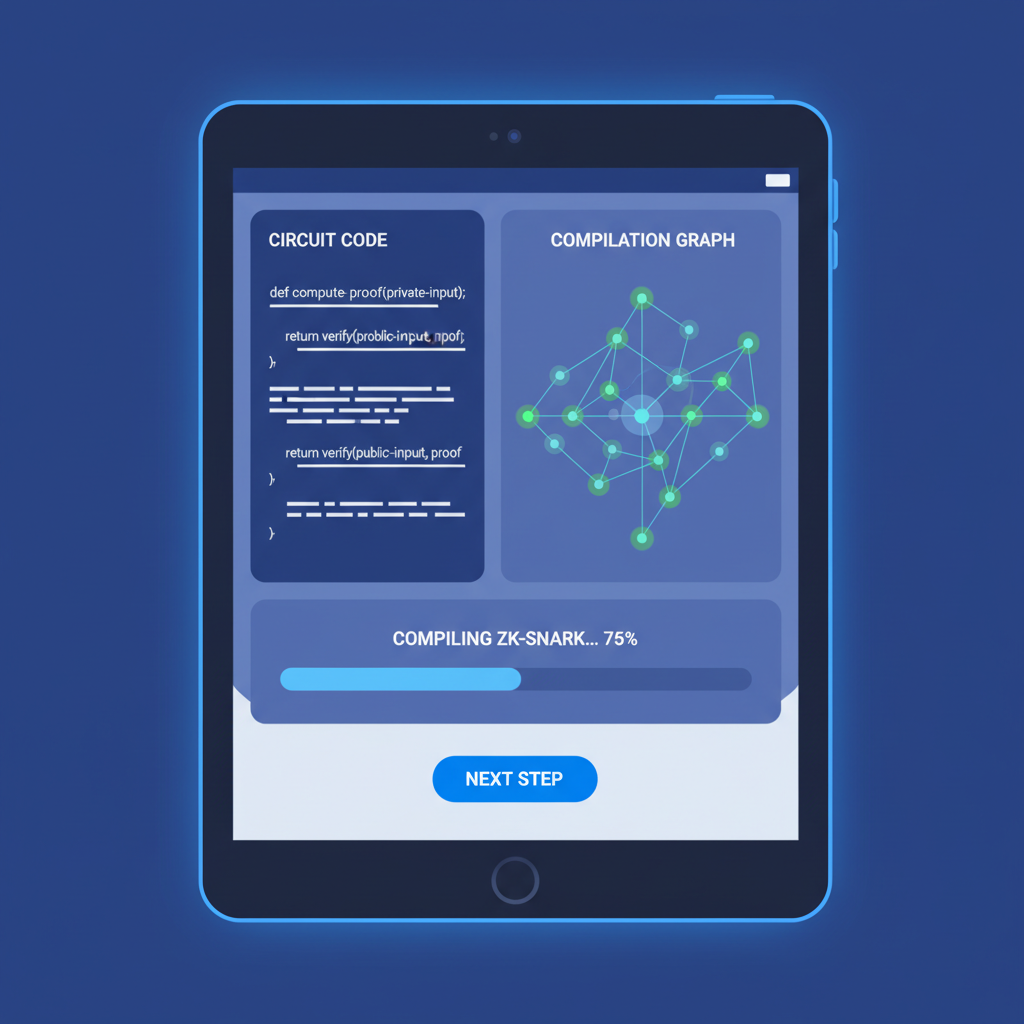
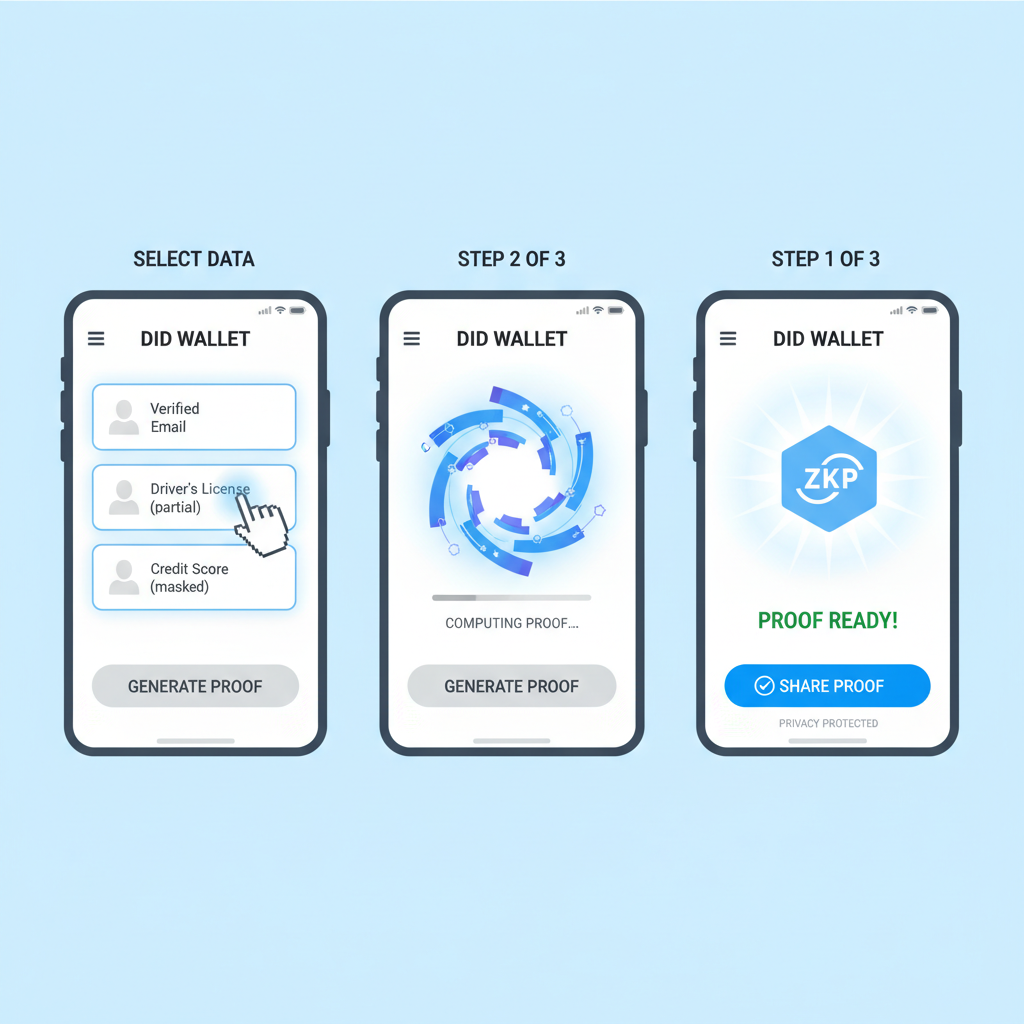
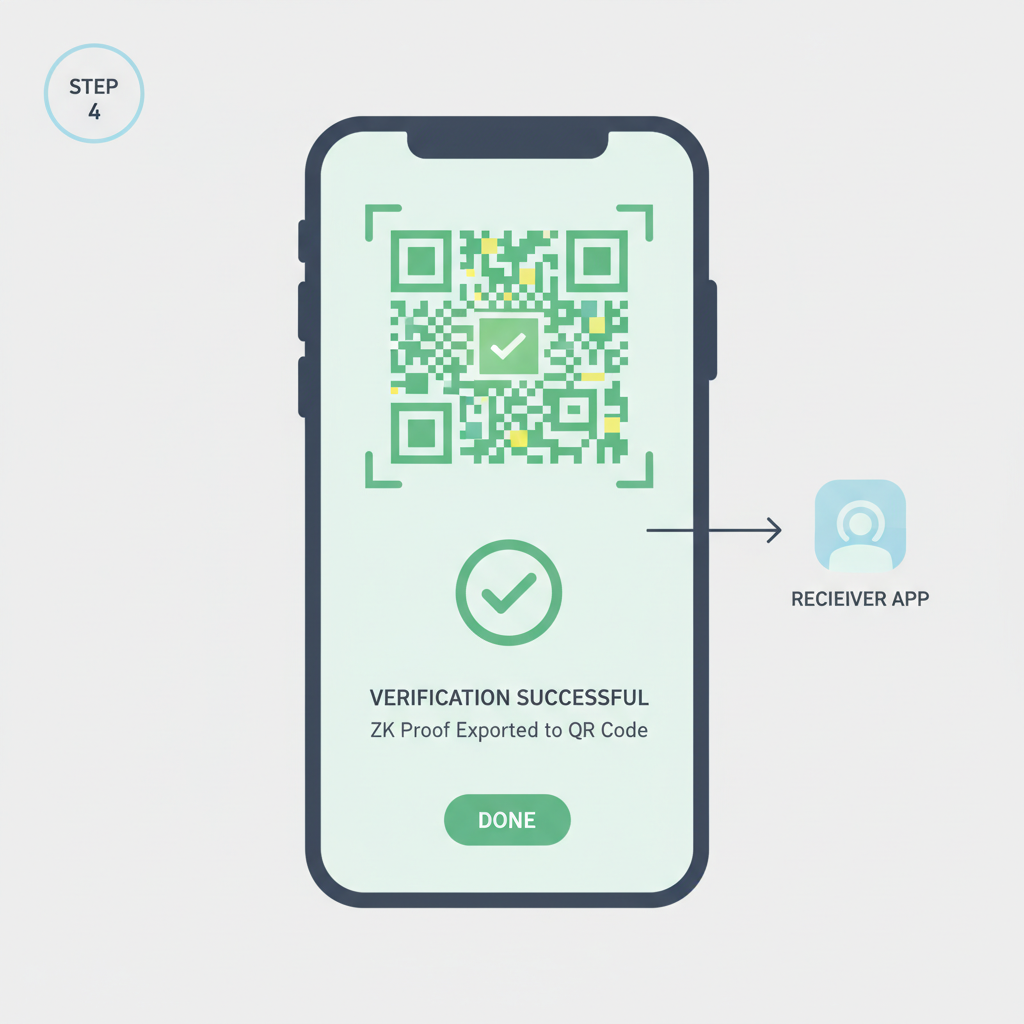
Compilation leverages pre-audited libraries; proving times now under 10 seconds on consumer hardware, thanks to 2025 optimizations. Validate locally before deployment, confirming the proof attests to attributes like "wallet active 2 and years with no exploits" sans transaction details.
Opinion: This process democratizes reputation far beyond public leaderboards, fostering genuine meritocracy in DeFi and governance. Yet, circuit selection matters - opt for STARKs over SNARKs for quantum resilience, as IIETA research highlights.
Integrating Proofs for Real-World dApp Access
Once generated, proofs interface via standard verifiers in smart contracts. For instance, deploy to AggLayer dApps where Billions Network verifies KYC compliance privately. zkPass shines in selective disclosure: prove residency for geo-gated yields without nationality reveal. Humanity Protocol's Human IDs add Sybil resistance, ideal for fair airdrop claims.
DIAP elevates this for agent-based systems, where wallets prove content ownership dynamically. Test integrations on testnets first; Billions' dev docs streamline verifier deployment. Cross-chain bridges now honor these proofs, porting reputation from Ethereum to Solana equivalents effortlessly.
Challenges persist: proof sizes demand L2 priority, and issuer collusion risks necessitate decentralized attesters. Mitigate with multi-issuer VCs and community-voted circuits. My 20-year analysis lens sees this maturing into regulatory-compliant standards, akin to EUDI wallets but blockchain-native.
Optimizing and Troubleshooting Your Setup
Fine-tune for efficiency: batch proofs for multiple attributes, compressing verification costs 40%. Monitor via wallet dashboards tracking proof expiry and renewal needs. Common pitfalls include mismatched circuit versions - always sync with protocol updates post-2025 rebrands.
For advanced users, customize circuits blending on-chain data with off-chain oracles, like Chainlink for unique humanity checks. This hybrid yields robust did wallets zk verification, balancing privacy with auditability. Enterprises adopt for attribute-based controls, per CUNY studies, proving employee creds sans HR databases.
Regular audits fortify setups; tools from zkKYC research now production-ready. As 2026 unfolds, expect AggLayer expansions embedding these natively, rendering public reps obsolete. Users wielding private reputation decentralized identity gain leverage in yield farms, NFT mints, and beyond, all while shielding their digital shadows.
Embracing this technology positions you at Web3's forefront, where verifiable trust meets unyielding privacy. Experiment iteratively, contribute to open circuits, and watch your wallet's silent reputation propel opportunities incognito.




No comments yet. Be the first to share your thoughts!