What is an OnChain Passport
Mint Your OnChain Passport works best as a clear sequence: define the constraint, compare the realistic options, test the tradeoff, and choose the path with the fewest hidden costs. That order keeps the advice usable instead of decorative. After each step, pause long enough to check whether the recommendation still fits the reader's actual situation. If it depends on perfect timing, unusual access, or a best-case budget, include a simpler fallback.
The simplest way to use this section is to write down the real constraint first, compare each option against it, and choose the path that still works outside ideal conditions.
Prepare your wallet and stamps
To mint your OnChain Passport, you first need a compatible wallet and a set of identity proofs called "Stamps." The Passport app, available at app.passport.xyz, uses these signals to calculate a Unique Humanity Score. A score of 20 or higher is generally required to access human-only features and attestations.
This process relies on verifying that you are a unique human and not a bot. The more diverse your Stamps, the more robust your proof of humanity. Think of your wallet as your ID card and your Stamps as the notarized documents that prove who you are.
-
Wallet connected and verified
-
Humanity Score is 20 or higher
-
Required Stamps collected
-
Attestation minted to blockchain
Choosing the right Stamps matters. Some services provide more weight than others depending on your profile. For example, a verified government ID often carries more weight than a social media link. Review the official documentation at passport.human to understand the specific weights and thresholds for each Stamp type. This ensures you prioritize the most efficient verification paths.
Calculate your Humanity Score
Your Humanity Score is the cumulative total of weighted stamps attached to your wallet. Think of it as a credit report for your digital identity: each verified action—connecting a social account, linking a bank, or passing a device check—adds points to your profile. The more diverse and verifiable your stamps, the higher your score climbs.
The platform uses a custom algorithm to weigh these activities. Not all stamps are created equal. A connection to a major social platform might carry more weight than a simple email verification, reflecting the relative difficulty of proving that specific identity. This weighting ensures that the score accurately reflects human uniqueness rather than just activity volume.
To mint your OnChain Passport, you typically need a score above 20. This threshold acts as a gatekeeper to ensure that only genuine users can access certain utilities, such as airdrop eligibility or exclusive community access. A score below 20 suggests your profile is either too thin or potentially automated, making it ineligible for minting.
You can view your current score directly in the app dashboard while you collect stamps. If your score is low, focus on adding high-weight stamps first. Once you reach the required threshold, the interface reveals the option to mint your score as an onchain attestation, finalizing your proof of humanity.
Mint the Attestation on Ethereum
This section covers the final step of the process: writing your verified identity data to the blockchain. You will use the official Onchain Passport interface to generate an attestation via the Ethereum Attestation Service (EAS). This action makes your Passport score and stamp history publicly verifiable.
Before you begin, ensure your wallet is connected and you have selected the correct network. The Onchain Passport primarily operates on Ethereum mainnet for permanent records, but testnets are available for development and testing purposes. Choosing the wrong network will result in transaction failure or loss of funds.
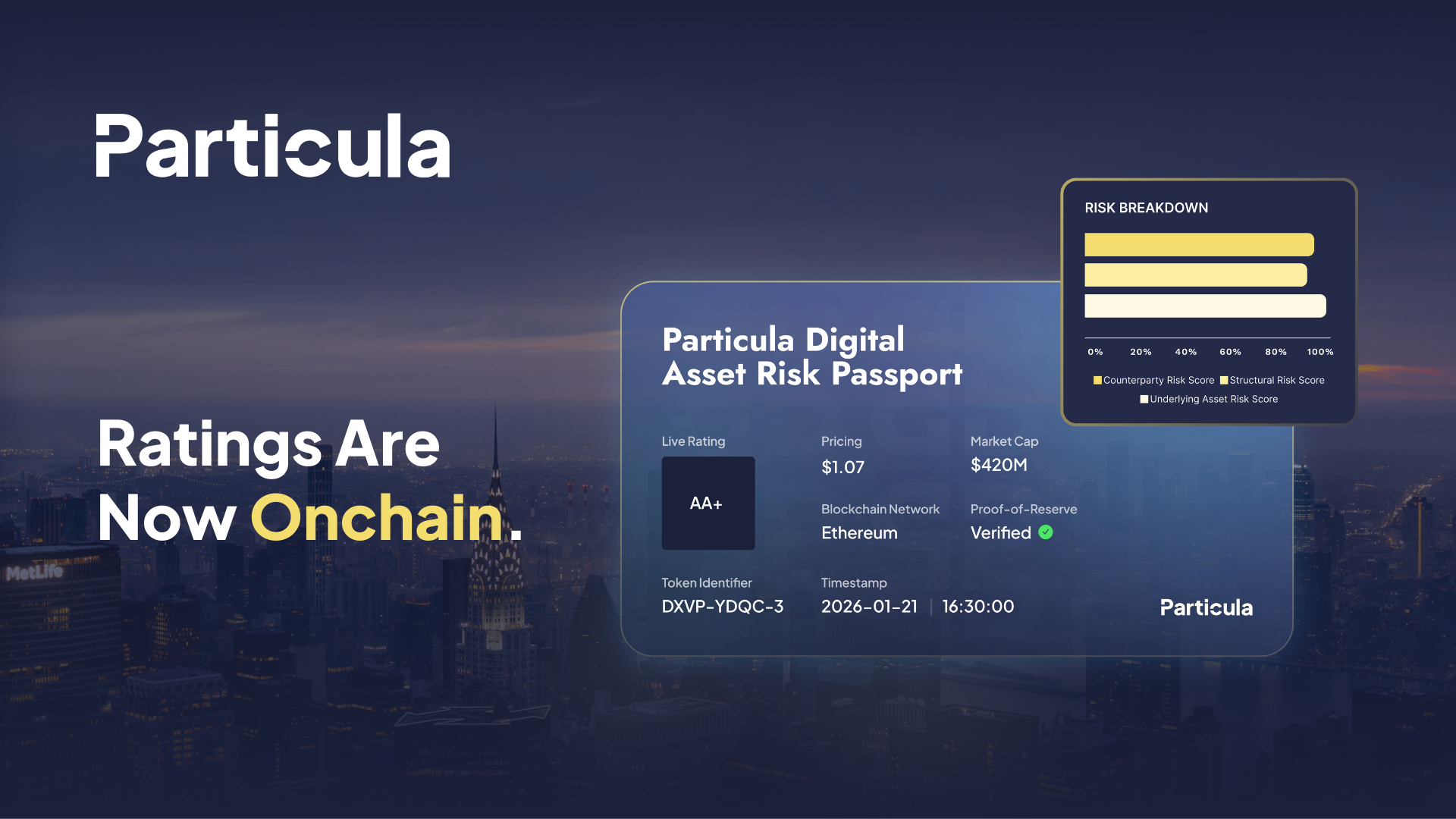
Navigate to the Onchain Passport dashboard. Verify that your wallet is connected to the Ethereum mainnet. Review the summary of your current Passport score and the specific stamps included in the attestation. Ensure you are comfortable with the data being published, as blockchain records are immutable.
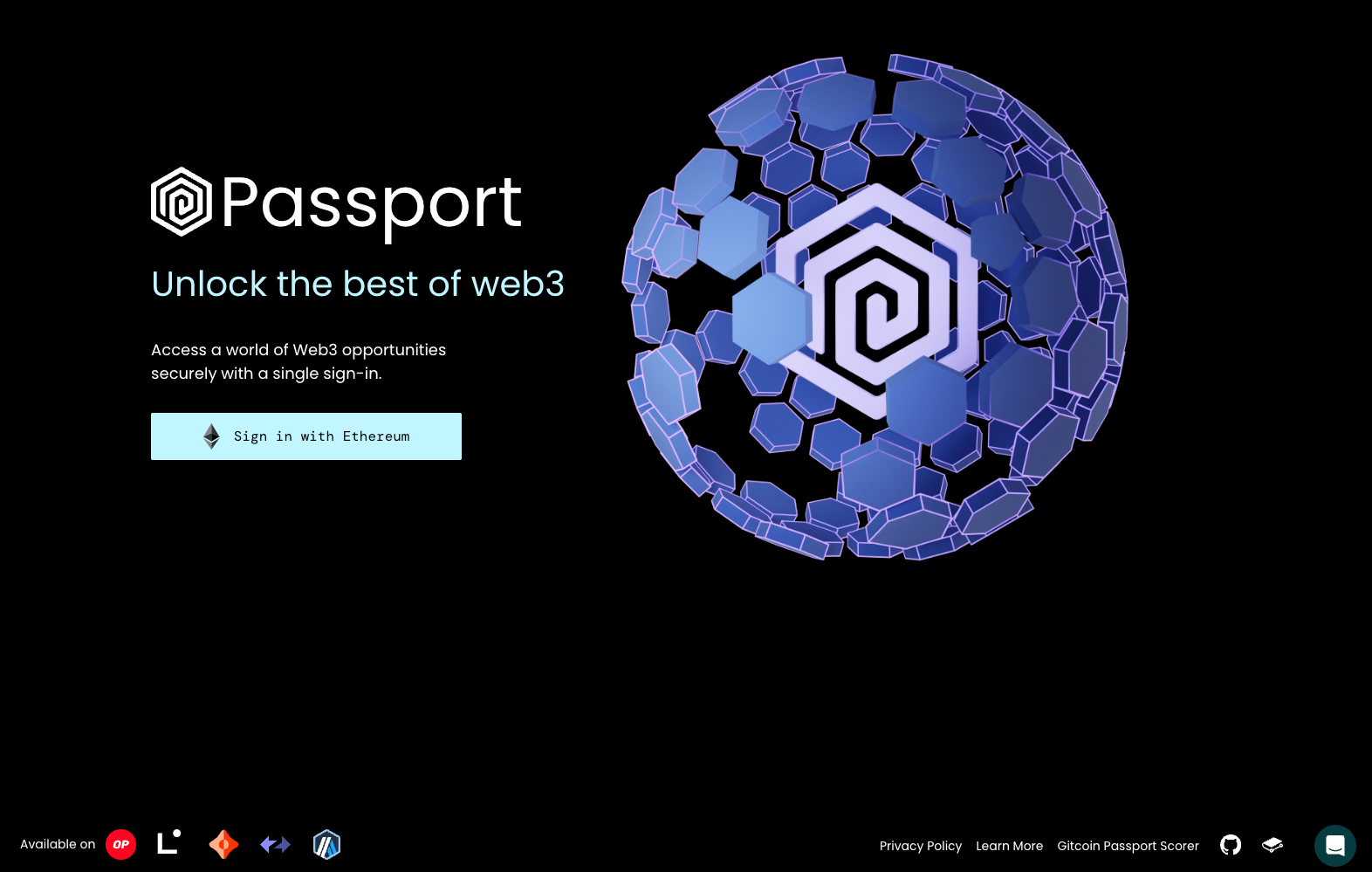
Click "Mint Attestation" to trigger a gas fee estimate. The cost depends on current Ethereum network congestion. You will need sufficient ETH in your wallet to cover this transaction fee. The interface will display the estimated cost in ETH and USD before you commit to the transaction.
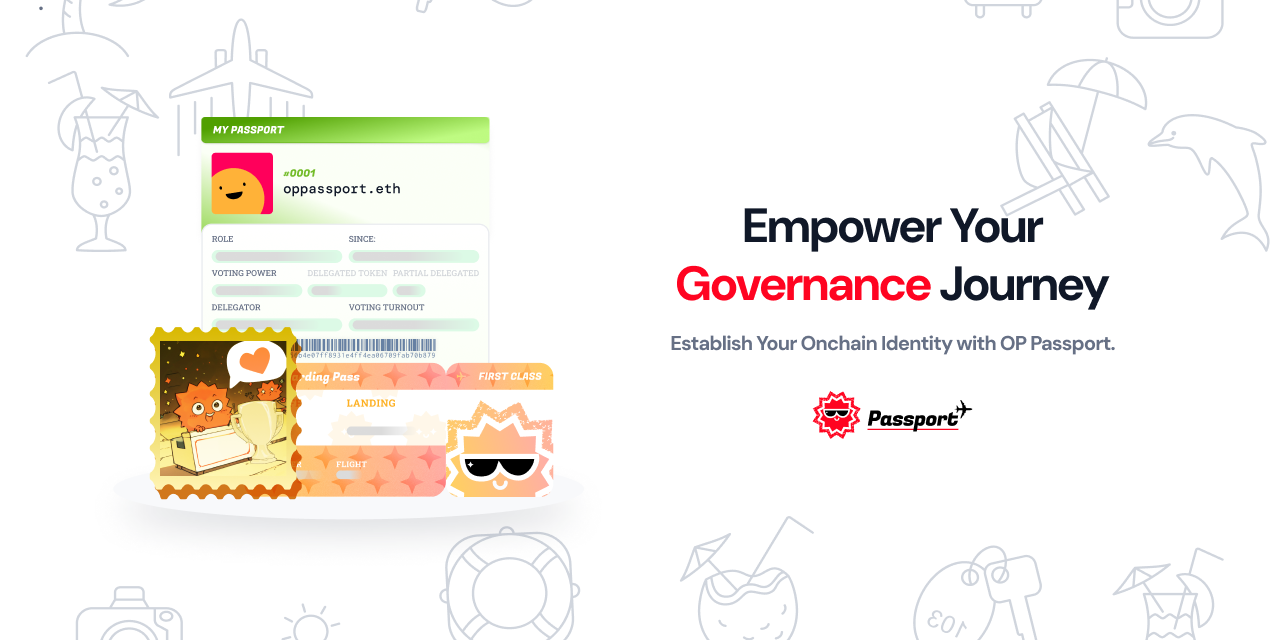
Approve the transaction in your wallet. Once signed, the transaction is broadcast to the Ethereum network. Wait for the block confirmation. You can track the status using the transaction hash provided in the interface. Upon confirmation, your attestation is live on-chain.
After the transaction confirms, your attestation is stored on the Ethereum blockchain. You can retrieve this data using smart contracts or block explorers. This step completes the minting process, making your identity verification permanent and publicly accessible.
Verify your onchain identity
Once the transaction confirms, your attestation is permanently recorded on the blockchain. You can view this record to confirm your identity status and score.
Check the Passport Dashboard
The most direct way to see your minted identity is through the official Passport dashboard. Navigate to your profile section to view your aggregated score and the specific stamps that contribute to it. This interface provides a real-time summary of your onchain reputation.
Inspect the Transaction on a Block Explorer
For full transparency, you can inspect the smart contract interaction directly. Copy the transaction hash from your wallet confirmation and paste it into a block explorer like Etherscan (for Ethereum) or the relevant explorer for your chain. Look for the interaction with the Human Passport smart contract, which serves as the official registry for these attestations.
This onchain record is immutable. It proves that you completed the verification process without relying on a centralized database to vouch for your identity.
Common questions about identity
Minting your onchain passport involves sharing personal data and interacting with smart contracts. It is normal to have questions about security, cost, and how this tool differs from other identity solutions. The answers below address the most frequent concerns based on official documentation from Human Passport.
Is the onchain passport free to mint?
The Human Passport tool itself is free to use. You do not pay a subscription fee to accumulate stamps or verify your identity. However, minting the final onchain attestation requires a transaction on the Ethereum blockchain. You must pay the network gas fee for this transaction. The cost varies depending on network congestion, but it is a one-time payment per mint. You can check current gas prices on Etherscan before you proceed.
Are onchain wallets safe for identity data?
Security is a primary concern when linking a wallet to your identity. The onchain passport uses the Ethereum Attestation Service (EAS) to create a verifiable attestation of your data. This means your identity proof is stored on the blockchain as an attestation, not as raw personal data. Your private keys remain secure in your wallet, and you control who can view your attestation. For detailed security guidelines, refer to the official Human Passport support documentation.
What is the difference between a Bitcoin passport and Human Passport?
A "Bitcoin passport" typically refers to a concept where a user's Bitcoin transaction history is used as proof of identity or reputation. Human Passport, formerly known as Gitcoin Passport, is different. It is a Proof of Personhood tool that aggregates various data points—such as GitHub contributions, ENS ownership, and transaction history from multiple chains—to build a comprehensive identity score. It is not limited to Bitcoin and is designed to protect against Sybil attacks across the broader crypto ecosystem.
Is Human Passport the best passport for crypto?
"Best" depends on your specific needs. Human Passport is widely regarded as a standard for Proof of Personhood because it is open-source and widely adopted by major protocols like Gitcoin Grants. If you are participating in quadratic funding or need to prove you are a unique human, it is a strong choice. However, if you only need a simple verification for a specific platform, that platform may have its own preferred identity provider. Always check which identity solutions are supported by the protocol you intend to use.
No comments yet. Be the first to share your thoughts!