
Onchain passport 2026 limits to account for
The term "onchain passport" in 2026 refers to a decentralized identity solution that aggregates a user's wallet history and offchain signals into a tamper-proof record on the blockchain. Unlike a physical card or a static PDF, this digital credential serves as a dynamic proof of personhood. It allows users to demonstrate trustworthiness to decentralized applications (dApps) without exposing their raw data or surrendering ownership of their identity.
The primary constraint driving this shift is the need to balance cross-chain compliance with user privacy. Regulatory frameworks in 2026 increasingly demand robust anti-Sybil measures to prevent bot manipulation in governance and airdrop distributions. However, users are reluctant to share sensitive personal information with centralized servers. Onchain passports resolve this tension by using zero-knowledge proofs and selective disclosure, enabling users to prove they meet specific criteria—such as holding a certain score or belonging to a verified group—without revealing the underlying data.
This approach fundamentally redefines how digital identity is managed. Instead of creating separate accounts for every service, users carry a portable, verifiable reputation across the web3 ecosystem. This reduces friction for legitimate users while making it significantly harder for bad actors to game the system. The result is a more secure and compliant onchain experience that respects user sovereignty.
Onchain passport 2026 choices that change the plan
Use this section to make the OnChain Passport decision easier to compare in real life, not just on paper. Start with the reader's actual constraint, then separate must-have requirements from details that are merely nice to have. A practical choice should survive normal use, maintenance, timing, and budget. If a recommendation only works in an ideal situation, call that out plainly and give the reader a fallback path.
| Factor | What to check | Why it matters |
|---|---|---|
| Fit | Match the option to the primary use case. | A good deal still fails if it does not fit the job. |
| Condition | Verify age, wear, and service history. | Hidden condition issues erase upfront savings. |
| Cost | Compare purchase price with likely upkeep. | The cheapest option is not always the lowest-cost option. |
How to choose the right onchain identity tool
Decentralized identity is no longer experimental. With Human Passport and Gitcoin Passport now offering Proof of Personhood tools, the choice comes down to how much data you are willing to share and what you need to prove. Both platforms aggregate wallet history and offchain signals to create a tamper-proof record of your digital footprint, but they serve different compliance and privacy needs.
Use this framework to select the tool that matches your risk profile and usage goals.
Start by defining what you need to prove. If you are a developer or project owner, you need Sybil resistance to prevent bots from claiming airdrops or governance votes. If you are a user, you may need to prove you are human to access gated content or exclusive communities without revealing your real-world name.
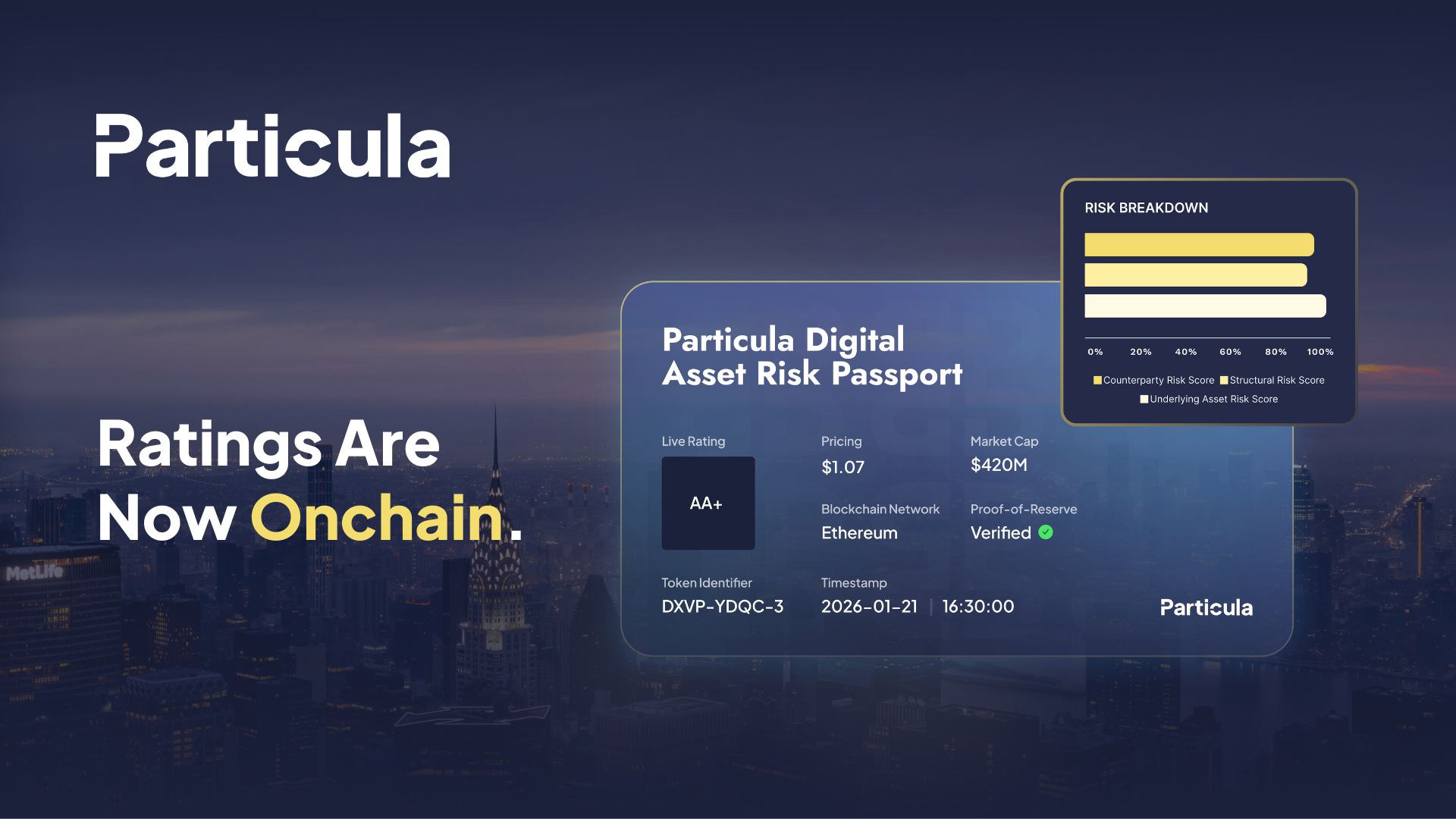
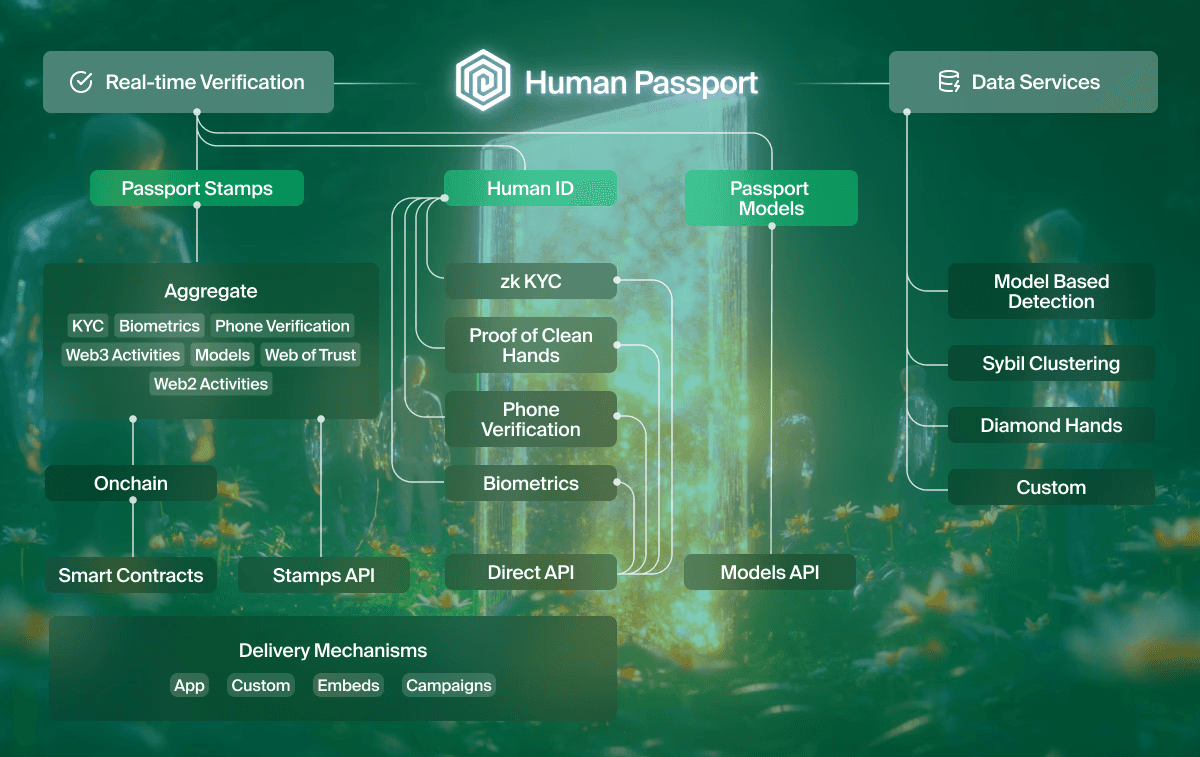
Human Passport collects data from various sources to build a trust score. It allows users to present evidence of their humanity without exposing raw data or giving up ownership. Gitcoin Passport uses a similar aggregation model but focuses heavily on onchain activity and specific attestation providers. Check which sources each platform trusts to ensure your history is accurately reflected.
Not all scores are equal. Gitcoin recommends a score of 20 as the baseline for effective defense against Sybil attacks and bots. When selecting a tool, ensure it supports configurable thresholds. This allows you to set a maximum score if you need to limit exposure or a minimum score to ensure only verified humans participate in your protocol.
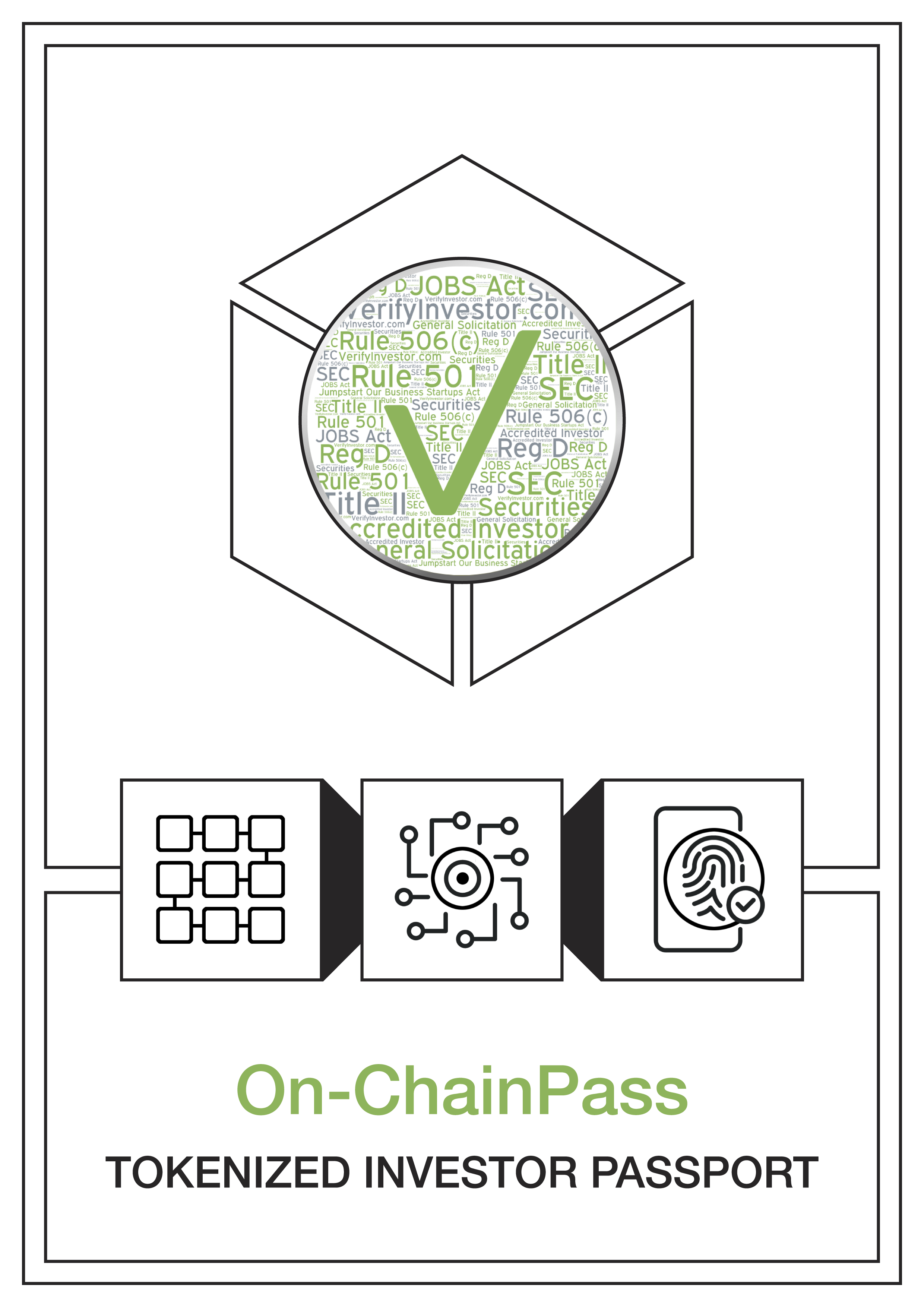
Before committing, test the integration. Human Passport offers Data Services that can be embedded directly into dApps, providing a seamless verification step for your users. Gitcoin Passport integrates well with tools like Collab.Land for Discord and Telegram verification. Choose the platform that offers the easiest onboarding flow for your target audience to reduce friction and drop-off rates.
-
Define your primary use case: Sybil resistance or user gating
-
Verify which data sources are trusted by your target platform
-
Set a minimum passport score of 20 for robust bot protection
-
Test the integration flow with a dummy wallet before launch
The right onchain identity tool balances security with user privacy. By understanding the tradeoffs between data aggregation and verification depth, you can protect your protocol while respecting your users' digital sovereignty. Choose the framework that aligns with your specific compliance requirements and user expectations.
Avoid the weak options
Use this section to make the OnChain Passport decision easier to compare in real life, not just on paper. Start with the reader's actual constraint, then separate must-have requirements from details that are merely nice to have. A practical choice should survive normal use, maintenance, timing, and budget. If a recommendation only works in an ideal situation, call that out plainly and give the reader a fallback path.
The simplest way to use this section is to write down the must-have criteria first, then compare each option against those criteria before weighing nice-to-have features.
No comments yet. Be the first to share your thoughts!