
Get onchain passport right
Start OnChain Passport with the constraint that matters most in real life: space, timing, budget, skill level, maintenance, or availability. That first constraint should shape the rest of the plan instead of appearing as an afterthought. Keep the first pass simple enough to verify. Compare the main options against the same criteria, remove choices that only work in ideal conditions, and save optional upgrades for later.
The simplest way to use this section is to write down the real constraint first, compare each option against it, and choose the path that still works outside ideal conditions.
Work through the steps
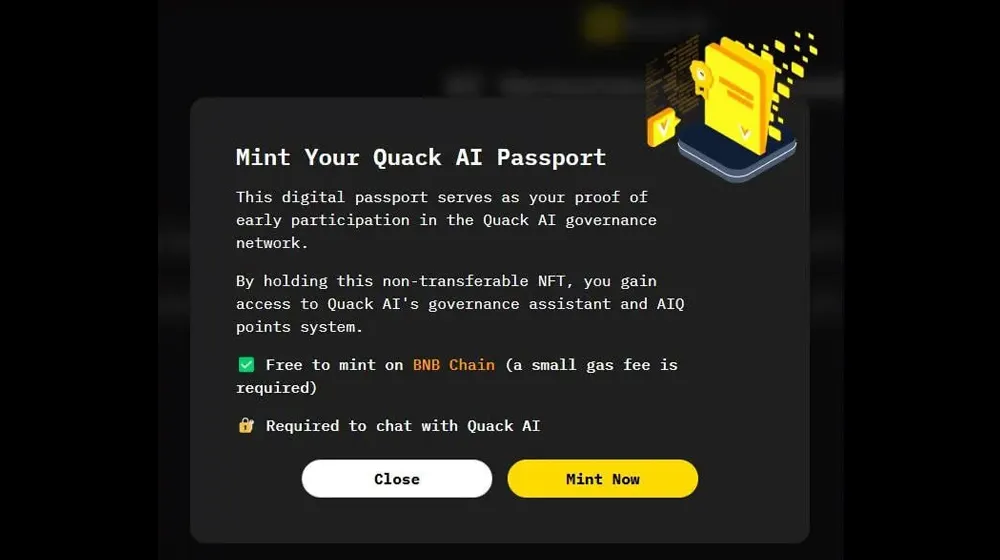
Minting your Onchain Passport turns your verified identity into a reusable digital credential. Instead of filling out forms for every new platform, you create one attestation on the Ethereum blockchain that others can trust. This process relies on the Ethereum Attestation Service (EAS) to anchor your data securely.
1. Connect your wallet and verify identity
Start by connecting your Web3 wallet to the official Passport interface. You will need to complete a series of identity checks, such as verifying your email, phone number, or social accounts. These steps prove you are a real person and not a bot. The system aggregates these signals into a single reputation score.
2. Review your reputation score
Before minting, check your current reputation score. A higher score indicates stronger identity signals and greater trust from other users. If your score is low, you may need to add more verification methods. This step ensures your passport carries enough weight to be useful across different protocols.
3. Mint the on-chain attestation
Once satisfied with your score, proceed to mint the attestation. This action creates a permanent record on the blockchain, linking your wallet address to your verified identity. The process uses gas fees to finalize the transaction, so ensure your wallet has enough ETH to cover the cost.
4. Share your attestation
After minting, you can share your attestation with any dApp or platform that supports verifiable credentials. This allows you to unlock access to gated content, airdrops, or governance voting without repeating the verification process. Your identity travels with you, reducing friction in the Web3 ecosystem.
Common Onchain Passport Mistakes
Building a verifiable identity is straightforward, but small errors can lock you out of cross-chain applications or leave your reputation data exposed. Most failures stem from configuration oversights rather than technical limitations. Review these frequent pitfalls before finalizing your setup.
Skipping the Verification Step
Creating a wallet is not the same as proving who you are. Many users stop after generating a key pair, assuming the onchain passport is complete. Without completing the verification flow through the Human Protocol or its supported attestation providers, your data remains unverified. Smart contracts and dApps that require Proof of Humanity or similar standards will reject unverified attestations. Always check the attestation status on the Ethereum Attestation Service (EAS) explorer to confirm your identity is anchored on-chain.
Linking the Wrong Wallet
Your onchain passport is tied to the specific wallet address you used during the attestation process. Switching to a new wallet or using a hardware wallet with a different derivation path after verification breaks the link between your identity and the blockchain record. If you need to migrate, you must re-attest from the new address. Double-check the connected address in your dApp settings before initiating any verification steps to ensure it matches the wallet holding your reputation data.
Ignoring Expiration and Renewal
Verifiable credentials often have a lifespan. Some attestation providers require periodic re-verification to maintain active status. Failing to renew these attestations can result in your reputation score decaying or becoming invalid for time-sensitive applications. Set calendar reminders for renewal dates or enable notification features if available through your identity provider. An expired attestation is functionally equivalent to no identity at all in strict permissioned environments.
Onchain passport: what to check next
You likely have specific concerns about security, setup, and terminology before integrating verifiable identity into your workflow. These answers address the most common practical objections regarding onchain reputation and wallet passports.
Is a crypto onchain wallet safe?
An onchain wallet is as secure as the private keys you control. The "onchain" aspect refers to storing your identity attestations on a public ledger, which actually enhances security by making your reputation immutable and transparent. Unlike centralized databases, there is no single point of failure for your identity data. However, you remain responsible for securing your seed phrase; if it is compromised, an attacker can impersonate your onchain identity.
How do I get a wallet passport?
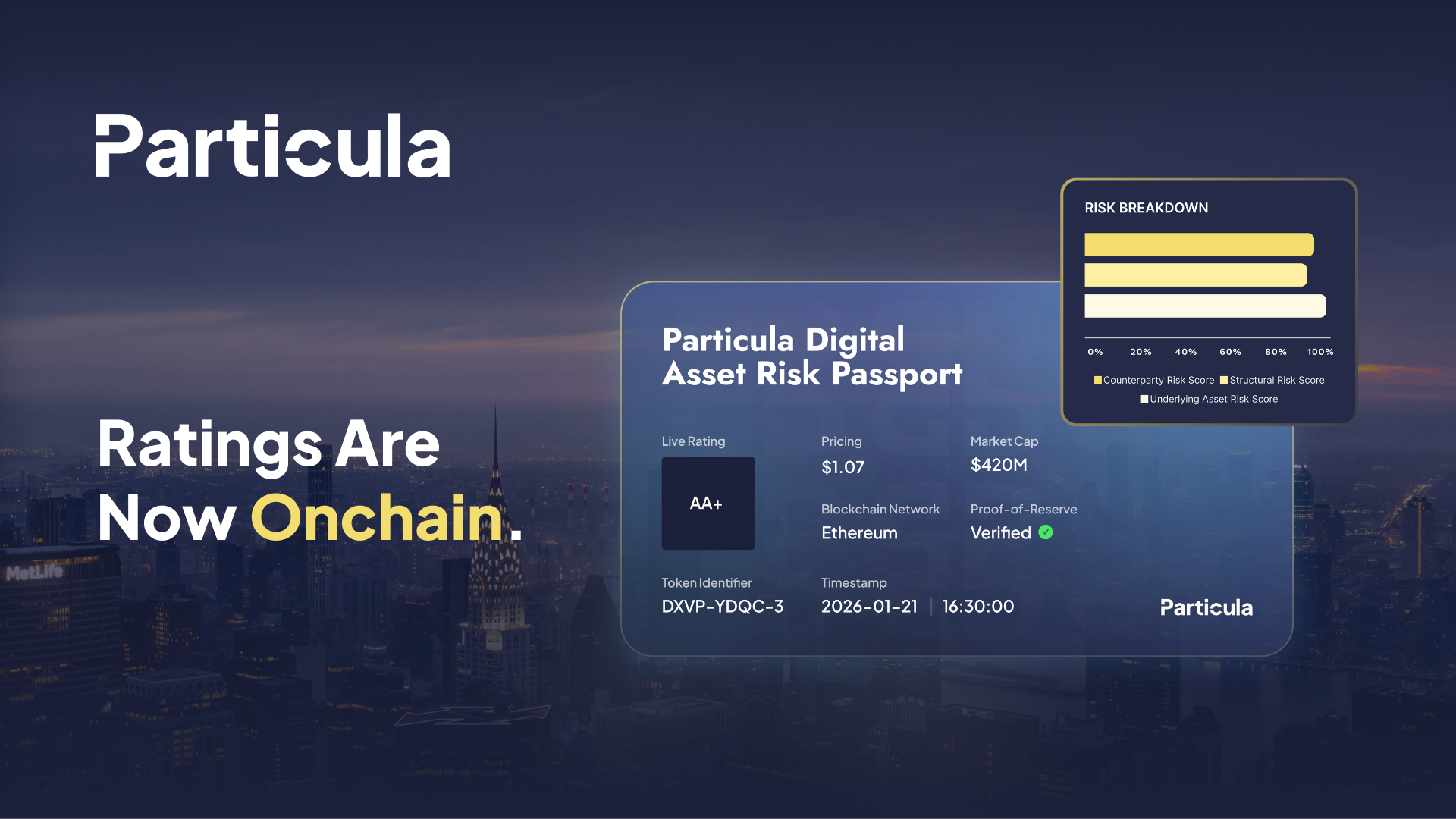
To obtain a wallet passport, you typically start by linking your Ethereum wallet to a reputation protocol like Gitcoin Passport. The process involves gathering "stamps"—verifiable proofs of identity such as social media connections or device checks. Once your score meets the required threshold, you use the protocol’s interface to mint your attestation on-chain via the Ethereum Attestation Service (EAS). This moves your reputation data from a private database to a public, verifiable state.
What is a bitcoin passport?
A "Bitcoin passport" generally refers to a verifiable identity layer tied to your Bitcoin holdings or activity. While Bitcoin itself does not natively support complex smart contracts like Ethereum, projects are building bridges to attach onchain attestations to Bitcoin addresses. This allows Bitcoin holders to prove their reputation or ownership history across other ecosystems without moving their BTC, effectively creating a portable identity credential for the Bitcoin network.
What is onchain in crypto?
"Onchain" describes any data, transaction, or identity record stored directly on a blockchain’s public ledger. In the context of identity, it means your reputation score or credentials are immutable and publicly verifiable by anyone with an internet connection. This contrasts with "offchain" data, which is stored on private servers and controlled by a single entity. Onchain identity provides a trustless way to prove who you are without relying on a central authority to verify your claims.
Work through OnChain Passport
No comments yet. Be the first to share your thoughts!