
Onchain passport limits to account for
Use this section to make the OnChain Passport decision easier to compare in real life, not just on paper. Start with the reader's actual constraint, then separate must-have requirements from details that are merely nice to have. A practical choice should survive normal use, maintenance, timing, and budget. If a recommendation only works in an ideal situation, call that out plainly and give the reader a fallback path.
The simplest way to use this section is to write down the must-have criteria first, then compare each option against those criteria before weighing nice-to-have features.
Onchain passport choices that change the plan
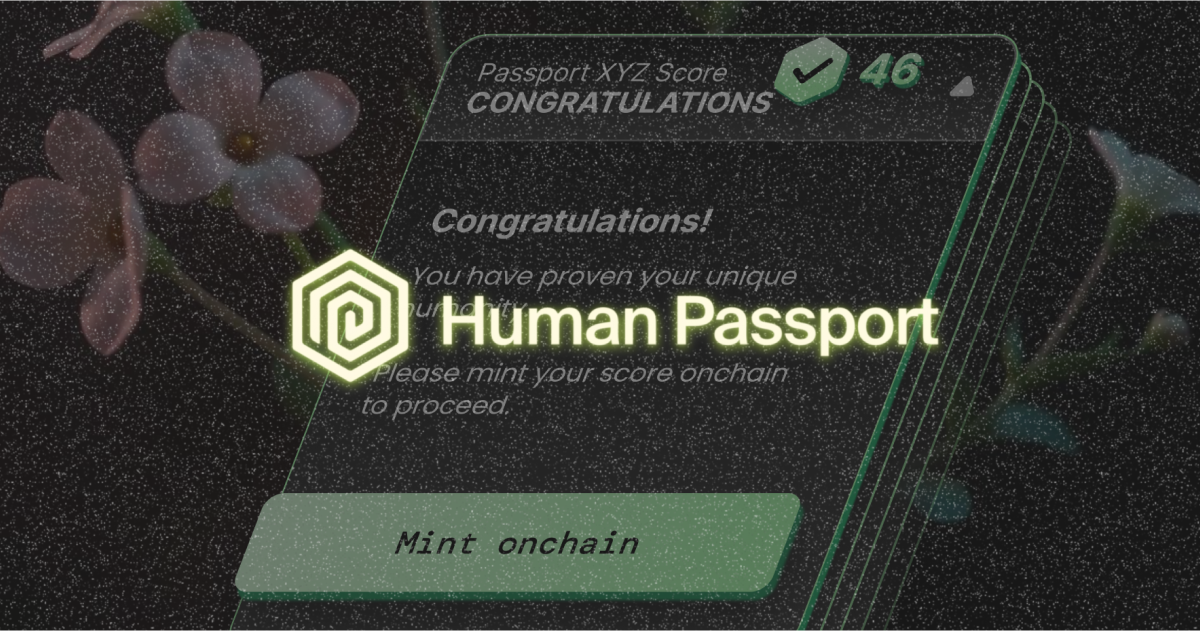
Moving your reputation onchain turns social signals into a portable, verifiable asset. Gitcoin Passport holders can now move their Passports Onchain, meaning the reputation you built is no longer siloed in an app database. Instead, it lives as an attestation on the Ethereum blockchain via the Ethereum Attestation Service (EAS). This shift offers permanence but introduces new operational realities you must weigh.
The primary tradeoff is cost versus convenience. Minting an onchain passport requires a transaction fee, which varies by network congestion. While the attestation itself is free, the gas cost to write it to the blockchain is real. For frequent movers of identity, this adds up. However, the benefit is a self-sovereign record that doesn't disappear if a service shuts down. You own the proof, not the platform.
Another factor is visibility. Onchain data is public by default unless you use zero-knowledge proofs, which are still maturing for this specific use case. Your attestation history is visible to anyone who checks the contract. For some, this transparency is a feature; for others, it’s a privacy risk. You must decide if your digital footprint should be openly auditable.
Finally, consider compatibility. Not every protocol accepts EAS attestations immediately. While standards like ERC-725 and ERC-1400 are gaining traction, adoption is uneven. Before relying on your onchain passport for critical access, verify that your target dApp or service actually reads these specific onchain signals. The infrastructure is ready, but the ecosystem is still connecting the dots.
| Factor | Off-Chain Passport | Onchain Passport |
|---|---|---|
| Ownership | Platform-controlled | User-controlled via wallet |
| Cost | Free to create | Gas fee required |
| Privacy | Private by default | Public by default |
| Portability | Limited to ecosystem | Universal via EAS |
| Permanence | Subject to service status | Immutable on blockchain |
The cost of minting is directly tied to Ethereum gas prices. Use the widget above to check current ETH costs before minting your passport. If gas is high, consider waiting or using a Layer 2 solution if your passport provider supports it.
Choose the next step
OnChain Passport works best as a clear sequence: define the constraint, compare the realistic options, test the tradeoff, and choose the path with the fewest hidden costs. That order keeps the advice usable instead of decorative. After each step, pause long enough to check whether the recommendation still fits the reader's actual situation. If it depends on perfect timing, unusual access, or a best-case budget, include a simpler fallback.

Spotting Weak Options in Onchain Identity
The promise of an onchain passport is clear: a portable, verifiable identity anchored to the blockchain. However, the current landscape is littered with weak implementations that confuse users. Many projects market generic "blockchain passports" that are merely static NFTs with no real utility beyond speculation. These weak options lack the attestation infrastructure needed for actual verification, turning a security feature into a vanity badge.
A common mistake is equating a wallet with a passport. Holding crypto in a self-custody wallet does not make you "onchain" in the identity sense. True onchain identity relies on attestations, such as those from the Ethereum Attestation Service (EAS), which cryptographically bind verified data to your address. Without this layer, your identity remains opaque and unverifiable by third parties, defeating the purpose of a passport.
Another trap is the "bitcoin passport" myth. While Bitcoin offers strong settlement, it lacks the native smart contract functionality required for complex identity attestations. Projects claiming to offer full onchain passports solely on Bitcoin often rely on sidechains or wrapped assets, introducing unnecessary complexity and counterparty risk. For robust identity, Ethereum-based attestation standards currently provide the most functional and widely supported framework.
Is crypto onchain wallet safe? Self-custody wallets are as safe as your private key management. They remove central points of failure but require you to handle security entirely.
What is a bitcoin passport? This term usually refers to NFTs or tokens on Bitcoin or sidechains representing identity. However, it lacks the native attestation standards found in Ethereum-based solutions.
Are passport wallets a good idea? They are useful for portable reputation but risky if the underlying protocol is abandoned. Always verify the attestation standard and contract audit status.
What is onchain in crypto? "Onchain" refers to activity recorded directly on a blockchain ledger. It implies transparency and immutability, unlike off-chain data held by centralized servers.
No comments yet. Be the first to share your thoughts!