What is an OnChain Passport
An OnChain Passport functions as a decentralized identity record anchored on the Ethereum blockchain. Unlike traditional Know Your Customer (KYC) systems that store sensitive personal data in centralized corporate databases, this model leverages the Ethereum Attestation Service (EAS) to create a verifiable attestation of your identity data. The result is a cryptographically signed proof that you control, rather than a file stored on a stranger’s server.
The system operates by aggregating signals from various sources—such as GitHub activity, wallet history, or social connections—and converting them into a single, portable credential. When you create your OnChain Passport, you are not uploading your identity document to a central authority. Instead, you are creating a blockchain record that attests to the validity of those signals. This approach significantly reduces the attack surface for data breaches, as there is no single point of failure containing millions of user records.
This shift from centralized storage to decentralized attestation aligns with the broader movement toward self-sovereign identity in finance. By keeping your identity data on-chain and under your control, you maintain ownership of your digital footprint. This is particularly critical in high-stakes financial environments where privacy and security are paramount.
Minting your OnChain Passport
Minting your OnChain Passport converts your accumulated off-chain activity into a verifiable on-chain credential. This process leverages the Ethereum Attestation Service (EAS) to anchor your identity score to the blockchain. Once minted, the attestation becomes a permanent, tamper-proof record that can be used for decentralized finance (DeFi) onboarding, governance participation, or proof-of-humanity verification.
The transition from off-chain stamps to on-chain proof requires a direct interaction with the Human Passport interface. You must ensure your wallet is connected and ready to sign transactions. The minting fee is typically minimal, covering only the gas costs for the attestation contract, but the security implications are significant. Treat this step with the same caution as managing private keys or signing high-value transactions.

Navigate to the official Human Passport interface. Connect your Web3 wallet (such as MetaMask or Coinbase Wallet) to the platform. Verify the URL matches the official domain to avoid phishing sites. The interface will display your current off-chain stamp count and eligibility status.
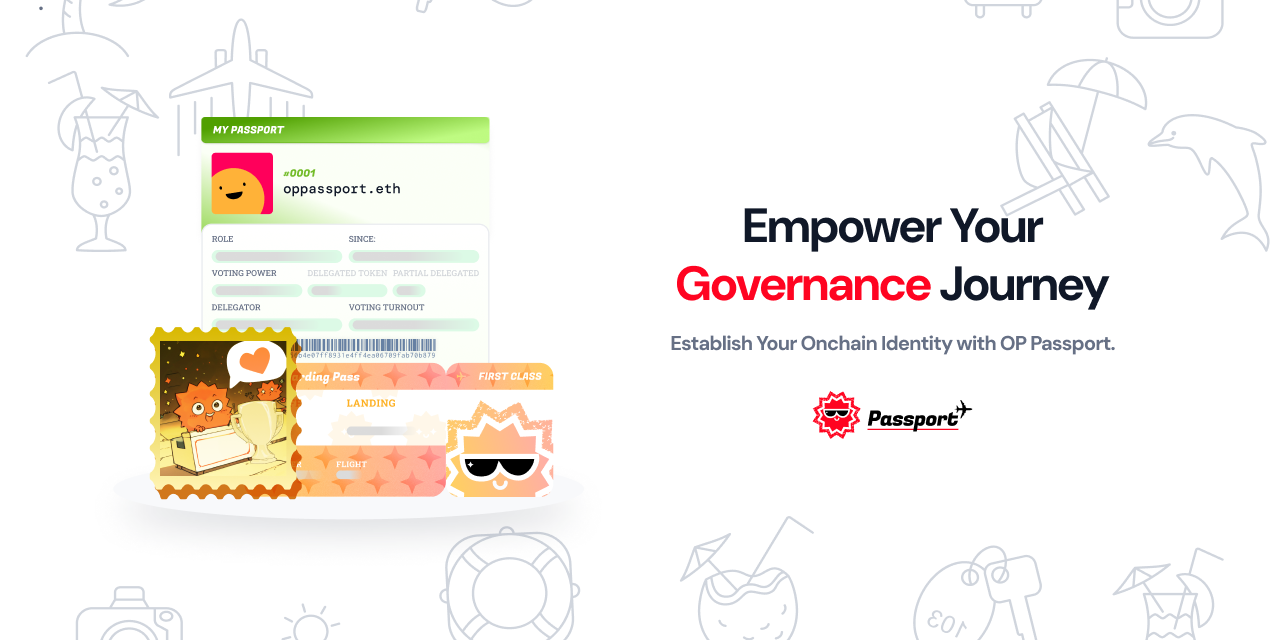
Review your current score. To mint an OnChain Passport, you must meet the minimum threshold set by your chosen attester. This threshold ensures that only users with sufficient verified identity data can create an on-chain credential. If you are below the threshold, continue adding stamps from reputable providers.

Select the specific attestation type and the recipient address. You can choose to mint the attestation to your own wallet or to a specific protocol that requires identity proof. Review the schema details to understand what data is being recorded. This step is critical for ensuring the attestation is usable by your target service.
Click the "Mint" button to generate the transaction. Your wallet will prompt you to sign the request. Review the gas fee and confirm the transaction. Once the blockchain confirms the transaction, your OnChain Passport attestation is live. You can now view the attestation on a block explorer or in your passport dashboard.
After minting, your identity score is no longer just a local metric. It is a cryptographic proof stored on Ethereum. This allows other protocols to verify your identity without exposing your raw personal data. The attestation can be revoked or updated by the attester if necessary, maintaining the integrity of the decentralized identity ecosystem.
Minting Costs and Gas Considerations
Minting your Onchain Passport requires interacting directly with the Ethereum blockchain, which means you will pay gas fees. These fees are the cost of computation and are determined by network congestion rather than a fixed subscription rate. The primary keyword cluster revolves around the economic reality of this interaction: you are paying for the security and immutability of your decentralized identity.
The cost fluctuates based on the current state of the Ethereum network. During periods of high activity, such as popular NFT drops or major DeFi protocol launches, gas prices can spike significantly. Conversely, during quieter periods, the cost to mint may drop to a fraction of a cent. It is essential to monitor the live price of ETH, as the gas cost is denominated in gwei, which is a subunit of ether. A small change in ETH price can have a noticeable impact on the total fiat value of the transaction.
To mitigate these costs, consider using Layer 2 solutions if the specific Passport implementation supports them. Layer 2 networks, such as Arbitrum or Optimism, process transactions off the main Ethereum chain and settle them later, resulting in drastically lower fees. Some projects also offer sponsored transactions, where the protocol pays the gas fees on your behalf, though this is less common for identity verification tools that prioritize user sovereignty. Always check the official documentation for the specific network requirements before initiating the mint.
Understanding these costs helps you plan your interaction with the protocol. While the fees are an inherent part of using a decentralized network, they are typically small relative to the value of having a verifiable, on-chain identity. Treat gas fees as a one-time setup cost rather than a recurring expense, unless you are frequently updating your attestations.
Using credentials for KYC
The OnChain Passport resolves the Web3 KYC privacy paradox by shifting verification from data collection to cryptographic attestation. Traditional centralized KYC requires users to upload raw personal documents—passports, utility bills, and selfies—to third-party servers. This creates a single point of failure, exposing sensitive information to breaches and misuse. In contrast, the OnChain Passport allows platforms to verify that a user has passed identity checks without ever seeing the underlying documents.
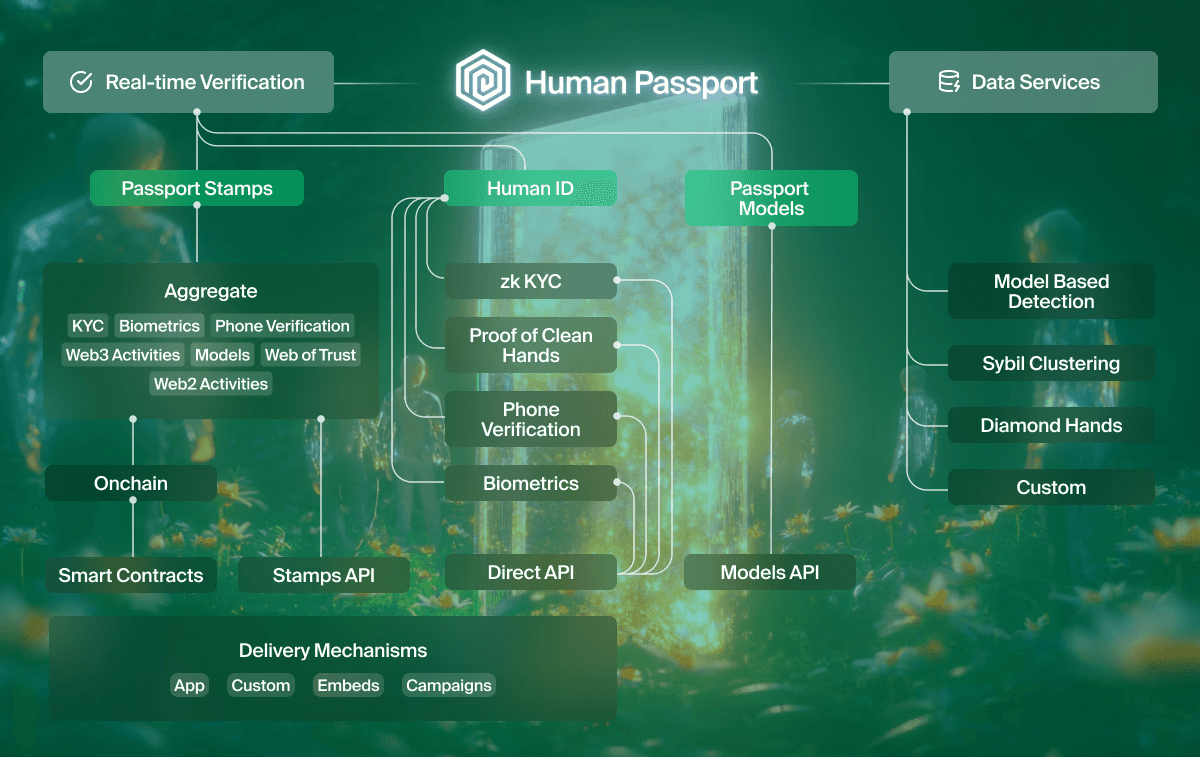
Platforms utilize the OnChain Passport attestation to confirm specific criteria, such as human status or jurisdictional compliance, while keeping the raw data private. Users store their verified credentials, or "stamps," on-chain via smart contracts. This enables them to prove eligibility for a service without revealing their full identity history. As noted by Human Passport, this onchain functionality makes verified data available through smart contracts, allowing protocols to read only the necessary proofs.
This approach aligns with the growing demand for sovereign digital identities in DeFi. By guaranteeing asset ownership and identity through blockchain passports, platforms can maintain regulatory compliance while respecting user privacy. The result is a system where trust is derived from cryptographic proof rather than centralized data hoarding.
Centralized vs. Decentralized KYC Models
The following comparison highlights the operational differences between traditional KYC providers and the OnChain Passport model.
| Feature | Traditional KYC | OnChain Passport | Data Privacy |
|---|---|---|---|
| Data Storage | Centralized databases | User-controlled wallets | High for onchain |
| Verification Scope | Full identity document scan | Cryptographic attestation | Selective disclosure |
| Breach Risk | High (single point of failure) | Minimal (no central DB) | Low risk |
| User Sovereignty | Provider-controlled | User-controlled | Full control |
| Reusability | Often siloed per platform | Universal across protocols | Efficient reuse |
Common Minting Mistakes
Minting your Onchain Passport is the final step in converting your Humanity Score into a verifiable credential, but the process is unforgiving of errors. The system relies on the Ethereum Attestation Service, meaning your transaction must interact directly with the blockchain. If the transaction fails, the attestation is not created, and you lose your progress. Avoid these three common pitfalls to ensure a successful mint.
Insufficient Gas Funds
The most frequent reason for minting failure is a lack of native currency for gas fees. Unlike many dApps that cover transaction costs, Onchain Passport requires you to pay the network fee yourself. Ensure your wallet holds enough ETH (or the native token of your chosen network) to cover the gas cost plus a buffer. A transaction that fails due to insufficient funds will not only waste your time but may also leave your wallet in a confused state, requiring manual gas price adjustments.
Low Humanity Score
Your Humanity Score is the gatekeeper for minting. If your score is below the required threshold, the mint button will remain disabled or the transaction will revert. This score reflects the quality and quantity of your attestations. Rather than attempting to mint with an incomplete profile, spend time gathering additional attestations from trusted sources. A higher score not only unlocks the mint but also increases the credibility of your onchain identity.
Wrong Network Selection
Onchain Passport supports multiple networks, but your wallet must be connected to the correct one. Selecting the wrong network—such as trying to mint on Polygon when the attestation is deployed to Ethereum Mainnet—will result in a failed transaction or an attestation sent to the wrong place. Double-check the network indicator in your wallet and the dashboard before confirming the transaction. Connecting to the wrong network is a simple mistake that can cause significant delays in verifying your identity.
No comments yet. Be the first to share your thoughts!