
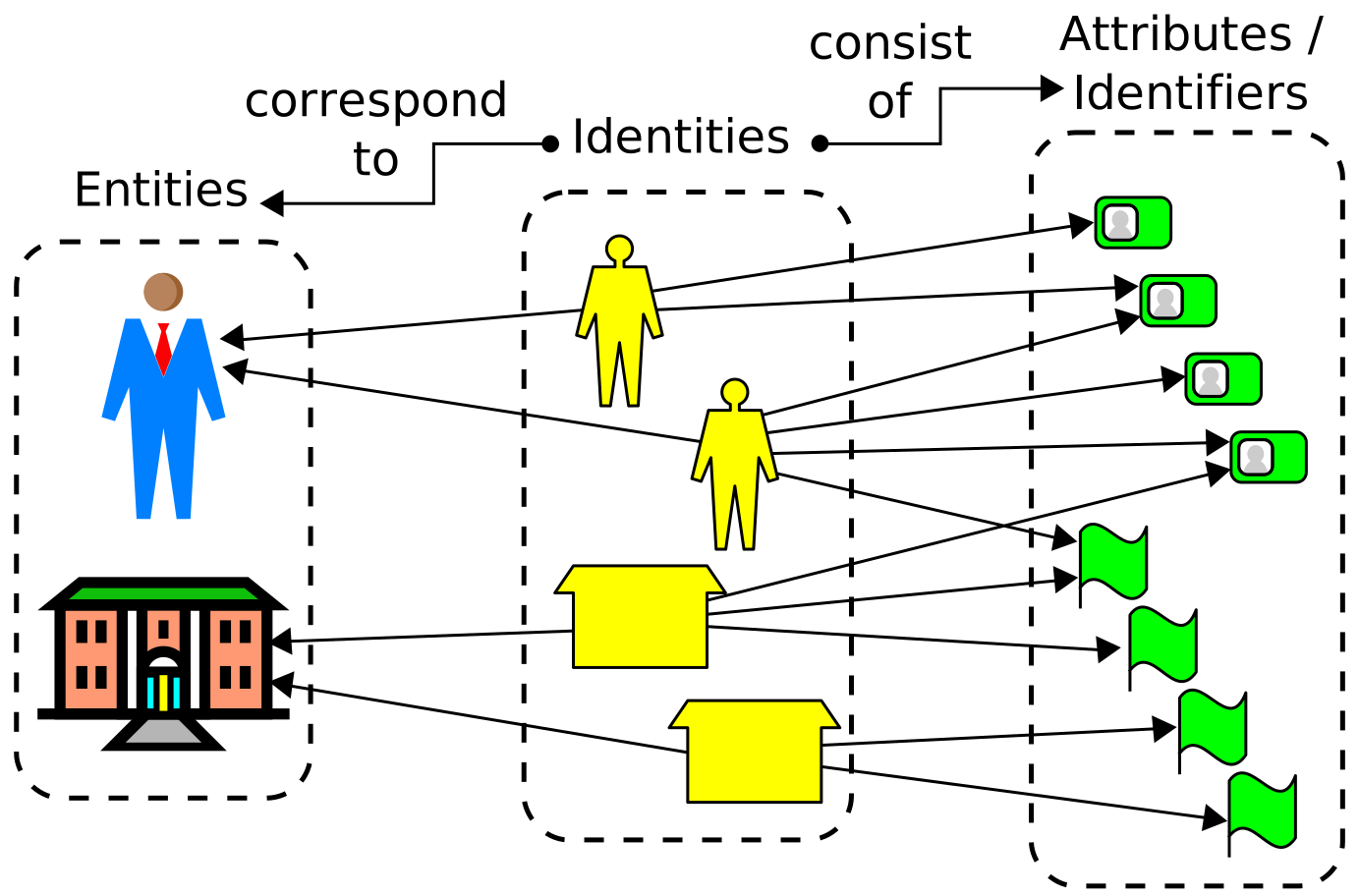
The onchain passport limits to account for
An onchain passport turns your government ID into a blockchain record. Instead of uploading a photo of your driver’s license to a centralized server, you use the Ethereum Attestation Service to create a verifiable attestation. This process creates a self-sovereign identity that you control, rather than a database entry owned by a third party.
The primary benefit is privacy. You prove you are over 18 or reside in a specific jurisdiction without revealing your exact address or full name. This is critical for DeFi access, where KYC (Know Your Customer) requirements often conflict with the pseudonymous nature of crypto.
However, a constraint remains: adoption. Most DeFi protocols still rely on centralized KYC providers like Sumsub or Jumio. An onchain passport only works if the protocol you are using accepts it. Currently, this limits its use to specific ecosystems built around Human Protocol or similar decentralized identity frameworks.
The choice is between convenience and control. Centralized KYC is fast and widely accepted but creates a honeypot for hackers. Onchain passports offer better security but require navigating a smaller, less mature ecosystem. As the technology matures, expect more protocols to support decentralized credentials.
Onchain passport choices that change the plan
Adopting a self-sovereign identity protocol requires weighing the benefits of portability against the friction of setup and the permanence of data. Unlike traditional KYC, where your data sits in a centralized silo, onchain passports leverage the Ethereum Attestation Service (EAS) or similar smart contract standards to create verifiable, portable records. This shift offers significant advantages for global DeFi access but introduces new risks that users must evaluate before committing their identity data to the blockchain.
Data portability and interoperability
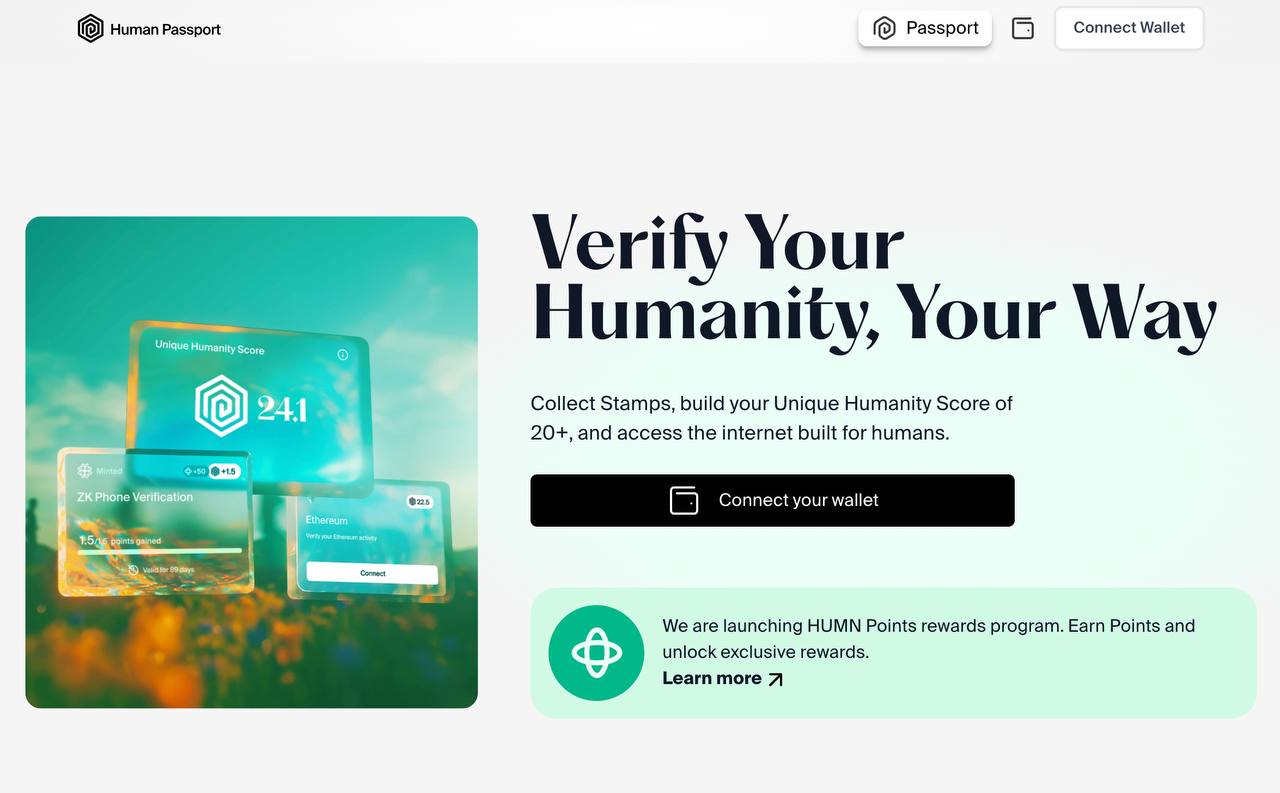
The primary advantage of an onchain passport is the ability to move verified credentials across different platforms without redundant checks. Once your identity stamps—such as government ID verification or proof of residence—are attested on-chain, you can reuse them for multiple DeFi protocols. This reduces the friction of repeated KYC processes. However, interoperability is not universal. While Human Passport and On-ChainPass offer robust frameworks, not all DeFi protocols support these specific attestation standards. You may still encounter platforms that require legacy document uploads, limiting the full utility of your onchain identity.
Privacy and data permanence
Onchain records are immutable, which ensures integrity but eliminates the right to be forgotten. Once a verifiable credential is published to the blockchain, it cannot be altered or deleted. This permanence is a double-edged sword: it prevents credential tampering but also means that any sensitive metadata linked to your wallet address remains visible indefinitely. To mitigate this, many protocols use zero-knowledge proofs or selective disclosure techniques, allowing you to prove you meet certain criteria without revealing your underlying personal data. Evaluate whether the protocol you choose supports these privacy-preserving features.
Security and key management
Self-sovereign identity shifts the burden of security from the institution to the user. You are responsible for safeguarding the private keys associated with your identity wallet. If your keys are compromised, an attacker could potentially impersonate you or access services tied to your verified identity. Unlike centralized KYC, where a company can reset your credentials, recovering a compromised onchain identity is complex and often impossible. Ensure you are comfortable with multi-signature wallets or social recovery mechanisms before relying on an onchain passport for significant financial activities.
Cost and transaction fees
Publishing attestations and verifying credentials on-chain incurs gas fees, which can vary significantly depending on the network and congestion. While some protocols subsidize these costs for users, others pass them on, adding a layer of complexity to the user experience. For high-frequency users, these micro-transactions can add up. Additionally, some advanced attestation services may require staking tokens or paying subscription fees to maintain active status. Consider the total cost of ownership, including both direct fees and the time spent managing transactions.
| Factor | Benefit | Risk |
|---|---|---|
| Data Portability | Reusable across multiple DeFi platforms | Limited by protocol-specific attestation support |
| Privacy | Selective disclosure via zero-knowledge proofs | Immutable records cannot be deleted |
| Security | User-controlled, no central honeypot | Irreversible loss if keys are compromised |
| Cost | Reduced long-term KYC redundancy | Variable gas fees and potential staking costs |
Choose the Right Onchain Identity Provider
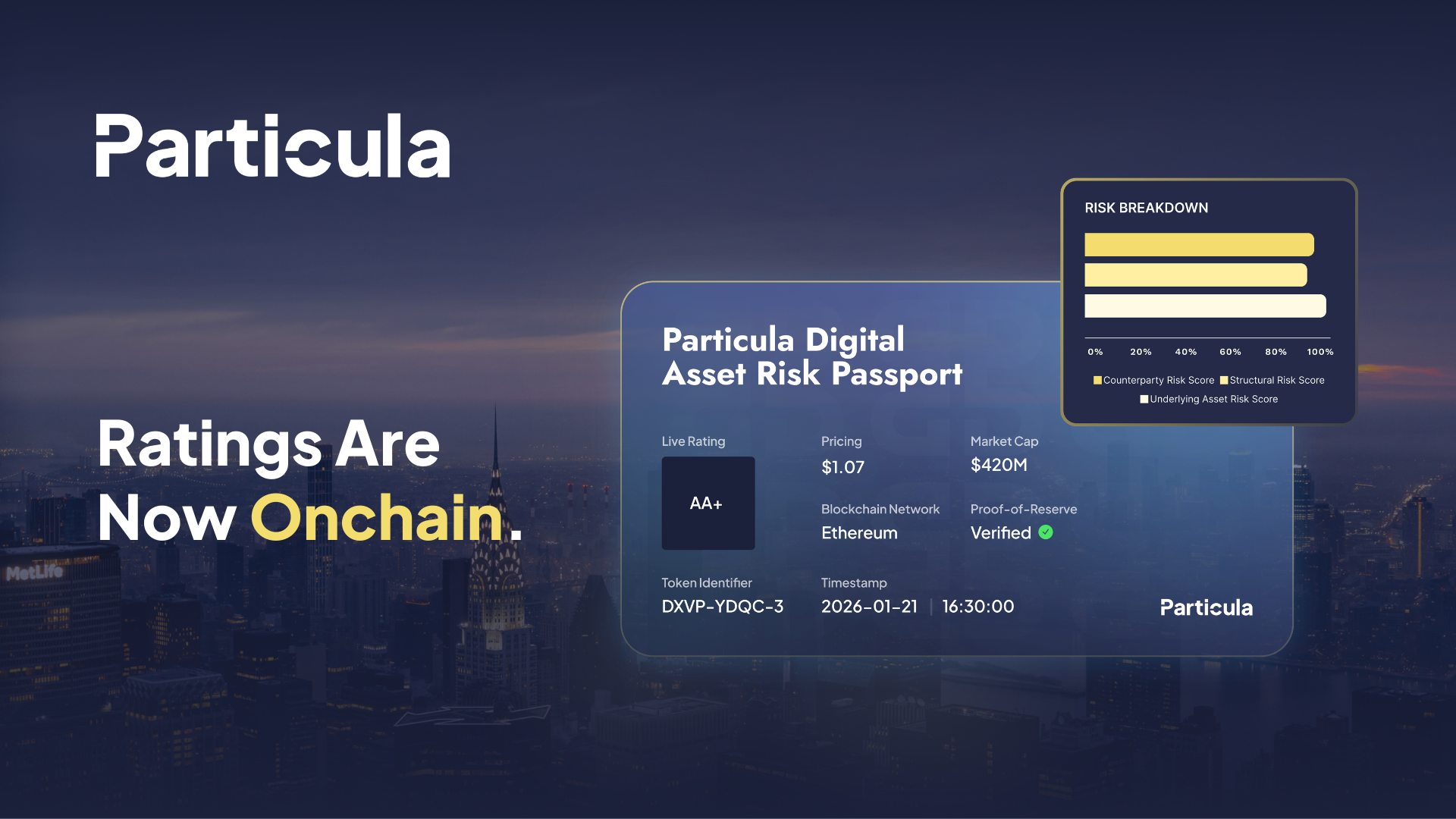
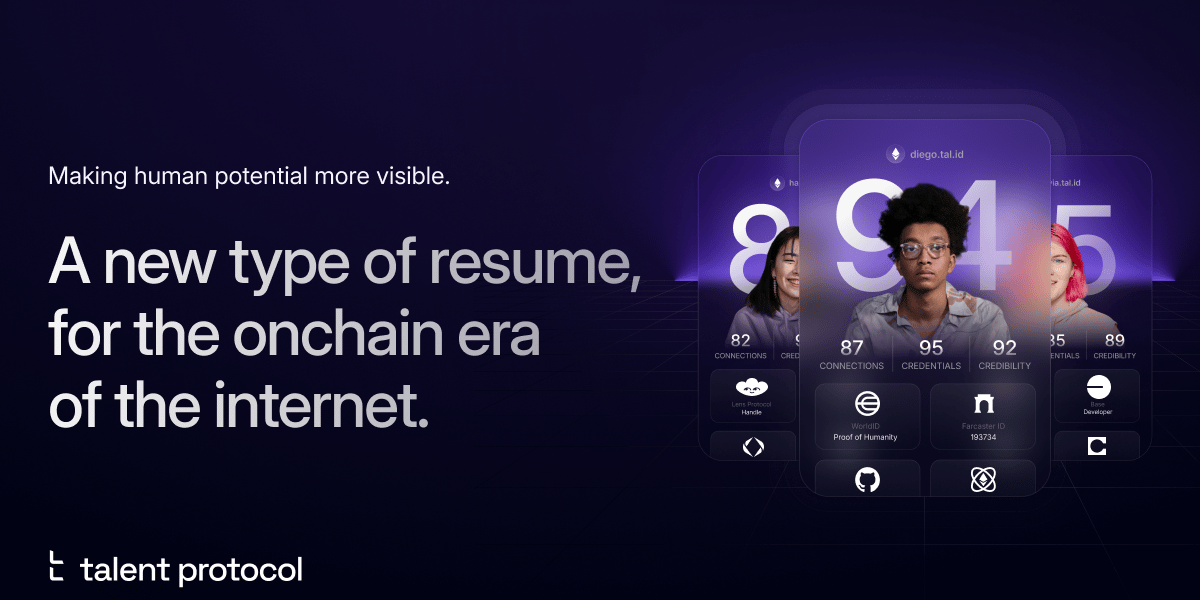
Selecting an onchain identity solution requires matching your specific DeFi use case with the right verification infrastructure. The market splits between general-purpose identity layers and specialized financial compliance tools. Your choice determines which protocols recognize your credentials and how much data you must share.

Spotting Weak Options and Misleading Claims
The onchain identity space is crowded with projects promising to replace traditional KYC, but not all solutions are built for the same purpose. When evaluating onchain passport tools, it is vital to distinguish between a verifiable credential and a mere tokenized badge. Many platforms market "self-sovereign identity" while actually storing sensitive data on public ledgers where privacy is compromised. Always check if the attestation relies on zero-knowledge proofs to verify eligibility without revealing personal details.
Another common mistake is ignoring the interoperability of the credential. A passport that only works within a single dApp ecosystem offers limited utility for global DeFi access. Look for solutions built on standards like the Ethereum Attestation Service (EAS) or W3C Verifiable Credentials, which allow your identity to be recognized across multiple protocols. If a platform requires you to re-verify for every new service, it fails the self-sovereign test.
Be wary of vague claims about "eliminating paperwork" without explaining how they handle regulatory compliance in restricted jurisdictions. Some tools claim global access but silently block users from sanctioned regions at the smart contract level, creating a false sense of freedom. Verify the governance model: is the attestation issuer a decentralized organization or a centralized entity holding the keys? Centralized control undermines the entire premise of self-sovereignty.
Finally, consider the cost and complexity. Some solutions require expensive gas fees for every verification step, making them impractical for small transactions. Compare the total cost of ownership against traditional KYC providers. A truly efficient onchain passport should reduce friction, not add new layers of financial burden to the user.
Onchain passport: what to check next
What is onchain in crypto? Onchain refers to any activity or data recorded directly on a public blockchain ledger. Unlike traditional finance, where records sit in private bank databases, onchain data is transparent and immutable. For identity, this means your verification status is stored as a cryptographic proof on the network, accessible to any smart contract that needs to check your credentials without revealing your personal details.
What is a bitcoin passport? A bitcoin passport is a digital identity profile linked to your cryptocurrency wallet. It aggregates verified data—such as government ID, proof of address, or reputation scores—into a single, portable credential. While some projects use the Bitcoin network, many modern implementations, like Onchain Passport, leverage Ethereum or Layer 2 networks for faster, cheaper attestations. The goal is to give you a self-sovereign ID that works across DeFi apps without relying on a central authority.
Can I verify my identity with my passport? Yes, but it works differently than traditional KYC. Instead of uploading a photo of your physical passport to a centralized server, you use a decentralized identity protocol to verify your document. Once verified, the protocol issues a cryptographic attestation (often via the Ethereum Attestation Service) that proves you are a real human without exposing the raw data. This attestation is what dApps check to grant you access to services, keeping your sensitive information private while satisfying compliance requirements.
No comments yet. Be the first to share your thoughts!