
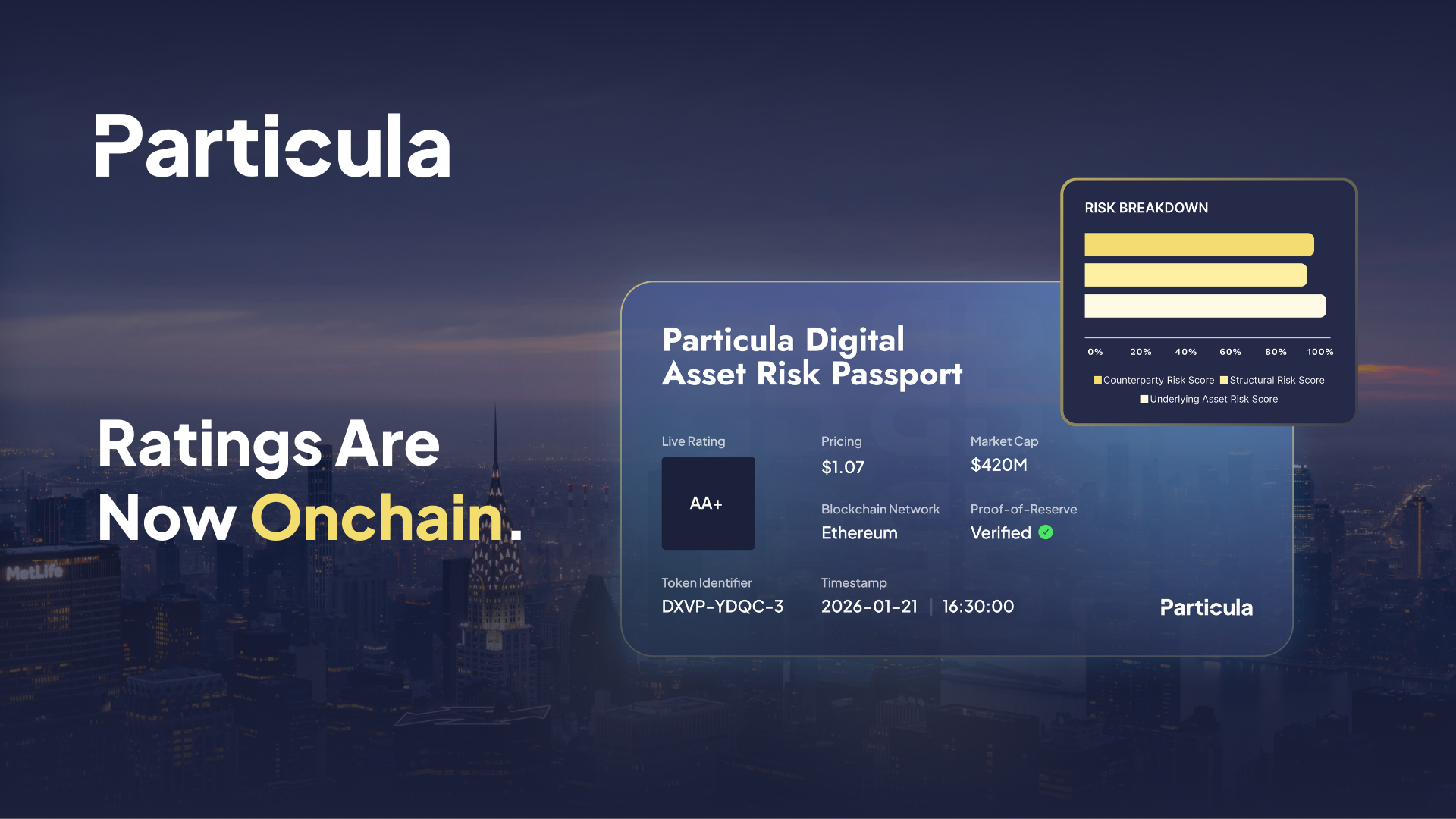
What is an OnChain Passport?
An OnChain Passport is a verifiable digital credential issued on a blockchain that attests to your identity or compliance status. It replaces fragmented document uploads with a single, cryptographically signed record that institutions can instantly validate. The system relies on the Ethereum Attestation Service (EAS) to create these attestations, ensuring the data remains tamper-evident and portable across platforms.
For example, a venture capital firm might use OnChainPass to verify an investor’s accreditation without requesting PDF tax returns repeatedly. Similarly, DeFi protocols use OnChain Passports to confirm a user’s residency or age before allowing access to regulated products. These credentials are not just digital copies of physical IDs; they are structured data points that can be queried programmatically.
A common misconception is that an OnChain Passport reveals your full personal history. In reality, it only shares the specific claims you have authorized, such as "accredited investor" or "KYC verified," without exposing the underlying sensitive documents. This selective disclosure is central to its utility in global compliance, allowing users to prove eligibility without surrendering privacy.
-
Verifiable credential stored on-chain
-
Attestation signed by a trusted issuer
-
Selective disclosure of specific claims
-
Standardized schema for cross-platform compatibility
Onchain passport choices that change the plan
Use this section to make the OnChain Passport decision easier to compare in real life, not just on paper. Start with the reader's actual constraint, then separate must-have requirements from details that are merely nice to have. A practical choice should survive normal use, maintenance, timing, and budget. If a recommendation only works in an ideal situation, call that out plainly and give the reader a fallback path.
| Factor | What to check | Why it matters |
|---|---|---|
| Fit | Match the option to the primary use case. | A good deal still fails if it does not fit the job. |
| Condition | Verify age, wear, and service history. | Hidden condition issues erase upfront savings. |
| Cost | Compare purchase price with likely upkeep. | The cheapest option is not always the lowest-cost option. |
How to evaluate a decentralized identity provider
Choosing a decentralized identity (DID) provider is a technical and legal decision. The goal is to find a system that balances user privacy with regulatory compliance. You are not just buying software; you are selecting a trust anchor for your users' identities. This framework helps you compare options based on verifiability, interoperability, and regulatory alignment.
1. Verify the attestation standard
Look for providers that use the Ethereum Attestation Service (EAS) or similar open standards. EAS allows for verifiable attestations of identity data on the blockchain, which is critical for auditability. Avoid proprietary systems that lock data into closed ecosystems. Open standards ensure that your compliance efforts are not dependent on a single vendor's infrastructure.
2. Check jurisdictional alignment
Decentralized identity must align with local regulations like GDPR or MiCA. Ensure the provider supports selective disclosure, allowing users to reveal only necessary information. This minimizes data liability. If the provider stores personal data on-chain without proper encryption or off-chain storage solutions, it may violate privacy laws in key markets.
3. Assess interoperability
Your identity protocol should work across multiple dApps and platforms. Check if the provider supports W3C Verifiable Credentials. This ensures that a user verified once can be recognized elsewhere without re-verification. Lack of interoperability creates friction and reduces adoption rates among users and partners.
4. Evaluate user experience
The best compliance tool is one users actually use. Look for seamless onboarding flows that abstract away complex key management. If users struggle to manage their private keys or understand the attestation process, they will abandon the platform. Prioritize providers with intuitive interfaces and clear error handling.
5. Review security and audits
Check for third-party security audits of the smart contracts and backend infrastructure. Look for bug bounty programs and transparent incident response plans. In decentralized identity, a single vulnerability can compromise user data or allow identity spoofing. Do not proceed without documented security measures.
-
Attestation uses open standards like EAS or W3C VC
-
Selective disclosure is supported for privacy compliance
-
Smart contracts have recent third-party security audits
-
Interoperability with major dApps and platforms is confirmed
-
Onboarding flow abstracts key management for users
Spotting weak options in decentralized identity
Decentralized identity solutions often promise frictionless global compliance, but the reality involves significant trade-offs. While tools like Onchain Passport leverage the Ethereum Attestation Service to create verifiable on-chain records, this approach is not a universal fix. It primarily solves data portability rather than regulatory acceptance.
Many projects market "tokenized investor passports" as a complete replacement for traditional KYC. This is misleading. A blockchain attestation proves you have completed checks, but it does not guarantee that a specific jurisdiction or institution will accept that proof. The burden of verification often shifts from the user to the validator, creating new bottlenecks.
Common mistakes include assuming that once identity is on-chain, it is immutable and secure. In reality, if your private key is compromised, your entire reputation is at risk. Additionally, many "compliance-ready" platforms lack interoperability, meaning your passport works in one ecosystem but is useless in another.
Before adopting a decentralized identity solution, verify which regulators explicitly recognize the attestation standard. Check if the protocol supports selective disclosure to protect sensitive data. Ensure the platform has clear off-ramps for account recovery, as blockchain-based identity often lacks the customer support of traditional services.
Onchain passport: what to check next
This FAQ addresses the practical concerns regarding decentralized identity, compliance verification, and the specific mechanics of OnChain Passport solutions.
No comments yet. Be the first to share your thoughts!