
The onchain passport limits to account for
The core value of an onchain passport lies in its immutability and portability. By leveraging the Ethereum Attestation Service (EAS), these solutions create a verifiable attestation of your identity data directly on the blockchain. This means your credentials are not stored in a single, vulnerable central database, but rather as signed, timestamped records that you control.
However, this architecture introduces a significant constraint: verification. While the data is onchain, the initial off-chain identity proof—such as a government-issued passport or driver's license—must still be verified by a trusted oracle or service provider. This creates a hybrid model where trust is shared between the user, the attestation layer, and the verifying entity.
This constraint is particularly relevant for real-world asset (RWA) markets, where regulatory compliance is mandatory. Investors cannot simply self-attest their identity; they must provide proof that is cryptographically linked to their wallet address. This ensures that the "passport" is not just a digital badge, but a legally recognized instrument for KYC/AML compliance.
The trade-off is clear: you gain sovereignty over your data, but you lose the ease of anonymous, permissionless access. For RWAs, this is a feature, not a bug. It bridges the gap between the open nature of DeFi and the closed, regulated nature of traditional finance, ensuring that only verified participants can interact with tokenized assets.
Onchain passport choices that change the plan
Choosing an onchain identity solution requires balancing privacy, interoperability, and compliance. There is no single standard for RWA identity; different protocols prioritize different aspects of verification. Understanding these tradeoffs helps you select a system that aligns with your specific regulatory needs and operational workflow.
The primary distinction lies in how identity data is stored and verified. Some solutions use decentralized attestation services to create verifiable credentials, while others rely on tokenized investor profiles linked directly to wallet addresses. Each approach carries distinct advantages and limitations regarding data permanence and cross-platform compatibility.
| Feature | Decentralized Attestation | Tokenized Investor Profile | Centralized KYC Registry |
|---|---|---|---|
| Data Storage | Onchain (EAS/ERC-5164) | Onchain (ERC-20/721) | Offchain Database |
| Privacy | High (Selective Disclosure) | Medium (Public Wallet Link) | Low (Full Data Exposure) |
| Interoperability | Protocol-Specific | Wallet-Native | Platform-Specific |
| Compliance | Flexible (Custom Stamps) | Limited (Basic Verification) | High (Regulatory Standard) |
| Revocability | Complex (Immutable) | Complex (Token Burn) | Easy (Admin Control) |
Decentralized attestation models offer granular control over what data is shared. Users can prove specific attributes, like accreditation status, without revealing their entire identity history. This selective disclosure is critical for privacy-conscious investors but may complicate audits for institutions requiring full transparency.
Tokenized profiles, often represented as NFTs or specialized tokens, provide immediate visibility into a wallet's verified status. This approach is straightforward for smart contract integration but lacks the nuance of selective disclosure. Once issued, these tokens are often immutable, making it difficult to update or revoke verification if regulatory requirements change.
Centralized registries remain the most compliant option for traditional financial institutions. They offer easy revocability and direct integration with existing KYC/AML frameworks. However, they sacrifice the core benefit of blockchain identity: user sovereignty. Data stored in centralized databases is vulnerable to breaches and requires trust in a single provider.
| Feature | Attestation | Tokenized | Centralized |
|---|---|---|---|
| Privacy | High | Medium | Low |
| Interoperability | Protocol-Specific | Wallet-Native | Platform-Specific |
| Compliance | Flexible | Limited | High |
| Revocability | Complex | Complex | Easy |
When evaluating onchain passport tradeoffs, consider your primary use case. If privacy and selective disclosure are paramount, decentralized attestation is the stronger choice. For seamless wallet integration and basic verification, tokenized profiles offer simplicity. If regulatory compliance and easy revocation are non-negotiable, centralized registries remain the industry standard.
Choose the next step
How OnChain Passport is Solving the Real-World Asset (RWA) Identity Crisis works best as a clear sequence: define the constraint, compare the realistic options, test the tradeoff, and choose the path with the fewest hidden costs. That order keeps the advice usable instead of decorative. After each step, pause long enough to check whether the recommendation still fits the reader's actual situation. If it depends on perfect timing, unusual access, or a best-case budget, include a simpler fallback.

Spotting Weak Options in RWA Identity Verification
The RWA sector is crowded with products promising frictionless onboarding, but many rely on weak verification methods that fail under regulatory scrutiny. A common mistake is conflating standard KYC with true on-chain identity. Standard KYC checks your passport against a database; on-chain identity, often called a "bitcoin passport" or on-chain attestation, creates a verifiable credential on the blockchain itself. This distinction matters because weak options often store sensitive data centrally, creating a single point of failure for hackers.
When evaluating solutions, look for those using decentralized standards. These systems allow you to hold your own credentials without exposing raw PII. For example, Human Protocol’s Onchain Passport creates verifiable attestations of passport data on-chain, giving you control over who sees what. Avoid platforms that require you to upload unencrypted documents to unknown servers. Always verify that the provider uses zero-knowledge proofs or similar privacy-preserving tech.
To ensure you aren’t falling for misleading claims, check if the solution allows for selective disclosure. You should be able to prove you are over 18 or a qualified investor without revealing your full name or address. If a platform demands excessive data for basic access, it is likely a weak option. The goal is to solve the identity crisis without creating new privacy risks. Prioritize tools that integrate seamlessly with existing DeFi protocols while maintaining strict data minimization.
Onchain passport: what to check next
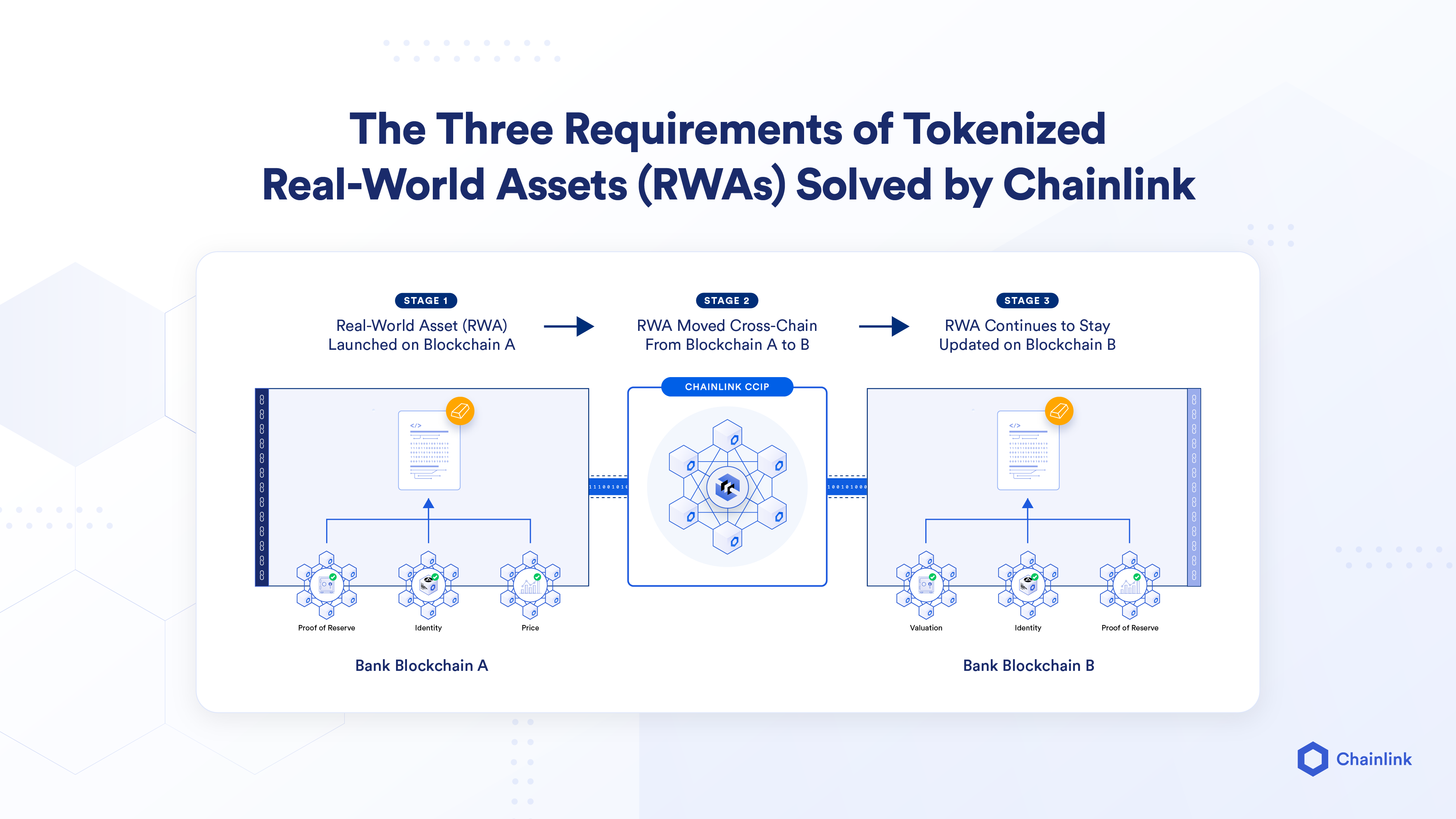
Before committing to a digital identity solution, it helps to understand the mechanics behind the hype. OnChain Passport isn't just a badge; it's a verifiable credential that bridges your off-chain identity with on-chain reputation.
No comments yet. Be the first to share your thoughts!