
The onchain passport limits to account for
An onchain passport is a tokenized identity credential that lives on the blockchain, typically built using the Ethereum Attestation Service (EAS). Instead of uploading sensitive documents to a centralized server every time you sign up for a service, you generate a verifiable attestation of your data. This allows you to prove eligibility—such as being accredited or KYC-verified—without exposing your raw personal information to every new platform.
The primary constraint of this model is interoperability. While tools like On-ChainPass aim to standardize this process across the digital asset space, most blockchains and dApps do not yet natively recognize these attestations. You cannot simply present a passport to any exchange or DeFi protocol and gain immediate access. The infrastructure is still fragmented, meaning you must often use specific gateways or middleware that understand the particular attestation format you hold.
This creates a trade-off between privacy and utility. Onchain passports offer superior privacy by design, as you control the data and only share what is necessary. However, this convenience comes at the cost of broader adoption. Until major financial institutions and exchanges build native support for onchain identity standards, the passport remains a niche tool for advanced users rather than a universal replacement for traditional identity verification.
Onchain passport choices that change the plan
Choosing an onchain identity solution requires weighing privacy, compliance, and utility. There is no single "best" passport for every use case. Instead, you must evaluate how each system handles data storage, verification speed, and ecosystem compatibility.
The core tension lies between privacy and regulatory compliance. A system that reveals too much data invites surveillance, while one that reveals too little may fail KYC/AML checks required by institutional platforms. Most modern solutions use Zero-Knowledge Proofs (ZKPs) to solve this, allowing you to prove you are over 18 or a resident of a specific country without revealing your exact birthdate or address.
Key tradeoff factors
- Data Storage Model: Does the passport store data on-chain (immutable, public) or off-chain (private, retrievable via keys)? On-chain storage is permanent but expensive. Off-chain storage is flexible but relies on external servers.
- Verification Authority: Who signs your attestation? A decentralized community (like Gitcoin Passport) offers censorship resistance but may lack institutional trust. A centralized entity (like a government ID provider) offers high trust but creates a single point of failure.
- Sybil Resistance: How well does it prevent fake identities? Weighted scoring systems (e.g., Human Protocol) are robust but complex. Simple proof-of-personhood methods are easier to use but more vulnerable to attack.
- Ecosystem Compatibility: Is it recognized by the platforms you use? An Ethereum Attestation Service (EAS) attestation is widely supported in the Ethereum ecosystem but may be ignored by Solana-based DeFi protocols.
Comparison of common models
The table below compares three prevalent onchain passport architectures based on these tradeoffs.
| Model | Storage | Privacy | Institutional Trust |
|---|---|---|---|
| EAS Attestations | On-chain | Low (Public) | High |
| ZK-Proofs (e.g., World ID) | Off-chain | High | Medium |
| Decentralized Scoring (e.g., Gitcoin) | On-chain | Medium | Low |
Technical context
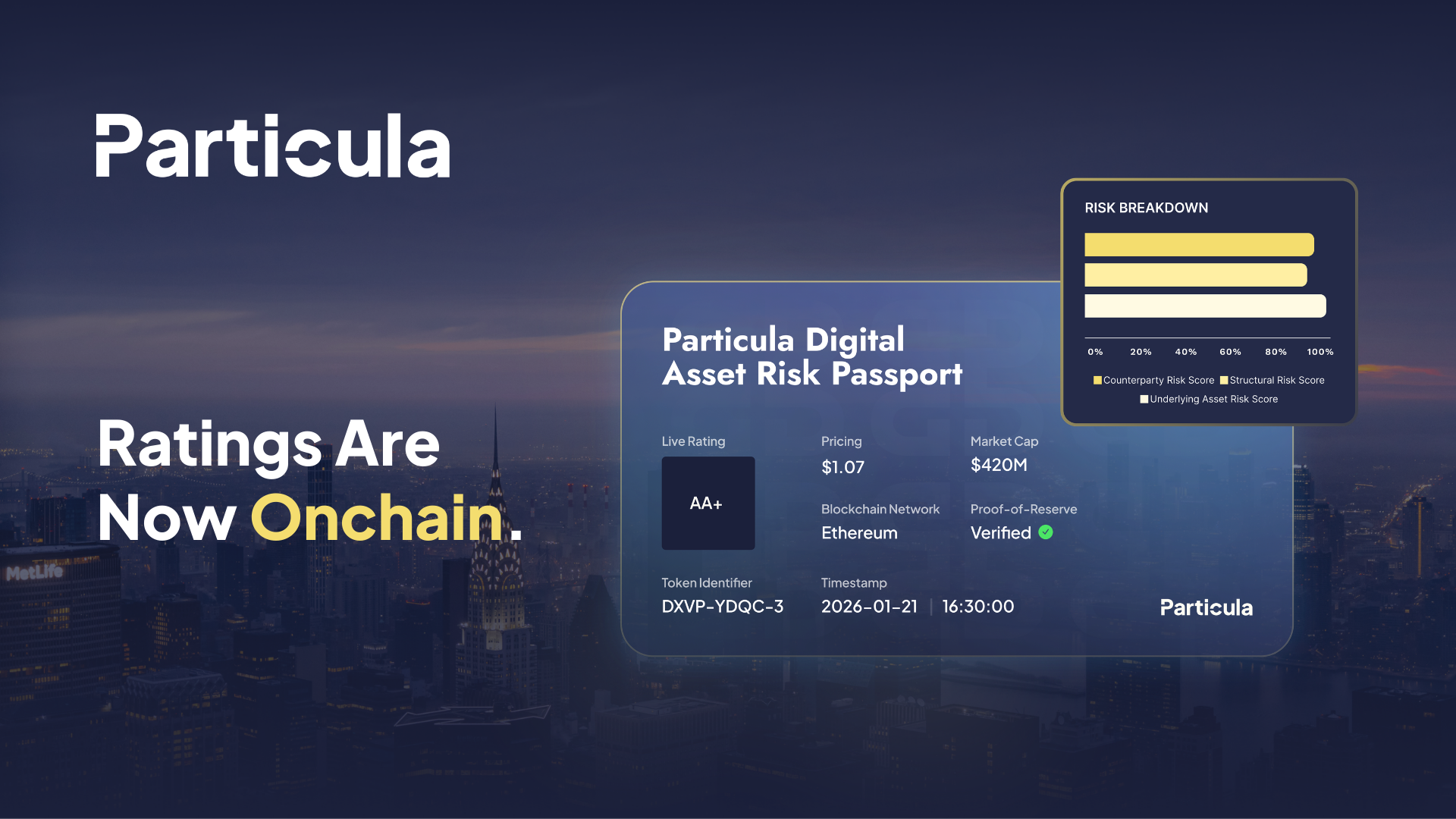
Onchain identity verification links real-world identity attributes or digital reputation to a blockchain address using cryptographic proofs. This process is often visualized through market trends in identity-focused tokens, which reflect investor confidence in the underlying infrastructure.
When selecting a passport, prioritize the one that aligns with your primary use case. If you are interacting with regulated DeFi, choose a high-trust, attestation-based model. If you are participating in decentralized governance, a privacy-preserving ZK-model may be more appropriate.
Choose the next step
OnChain Passport works best as a clear sequence: define the constraint, compare the realistic options, test the tradeoff, and choose the path with the fewest hidden costs. That order keeps the advice usable instead of decorative. After each step, pause long enough to check whether the recommendation still fits the reader's actual situation. If it depends on perfect timing, unusual access, or a best-case budget, include a simpler fallback.
Spotting Weak Onchain Identity Options
Not every tokenized passport offers real protection against Sybil attacks. Many projects rely on simple wallet balances or single-signer attestations that bots can easily bypass. To identify misleading claims, look for these three common pitfalls in onchain identity protocols.
Single-Source Attestations
Some passports validate identity using only one data point, such as a GitHub commit or a single LinkedIn profile. This approach is fragile because one compromised account can generate thousands of fake identities. Look for protocols that require multiple, independent attestations from diverse sources to establish a verifiable human presence.
Ignoring Chain Fragmentation
A passport that only works on Ethereum ignores the multi-chain reality of 2026. If your identity credentials cannot be verified across Solana, Arbitrum, or Polygon, your onchain reputation is limited. Weak options fail to use cross-chain attestation standards, forcing users to repeat verification processes for every new network they enter.
Vague Sybil-Resistance Claims
Many projects advertise "Sybil resistance" without defining their thresholds. Check if the protocol publishes its scoring methodology. If a passport does not explain how it weights human-like behavior versus automated transactions, it is likely using weak, outdated heuristics that offer little actual security.
No comments yet. Be the first to share your thoughts!