
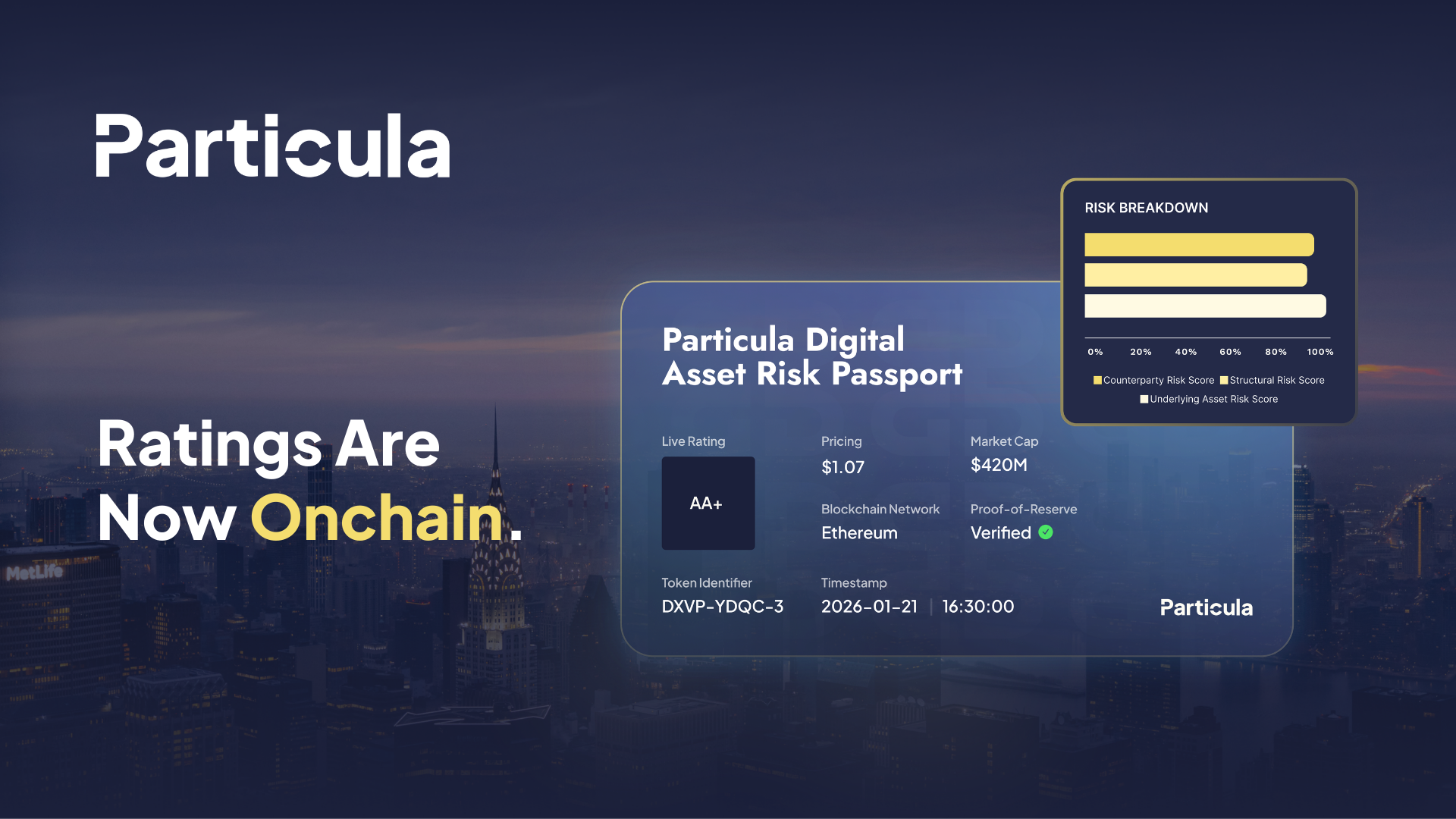
The onchain passport limits to account for
The onchain passport constraint defines the boundary between casual interaction and verified access in decentralized finance. It is the specific requirement that an address must hold a verifiable credential to proceed. Without this layer, DeFi protocols remain open to sybil attacks, regulatory scrutiny, and compliance failures.
This constraint is not merely a technical hurdle; it is the gatekeeper of legitimacy. Protocols that ignore it risk being blacklisted by centralized on-ramps or facing legal action. Those that adopt it correctly unlock institutional capital and user trust. The passport acts as a digital key, but unlike a password, it is reusable and privacy-preserving.
How the constraint works
The mechanism relies on blockchain-based attestations. Platforms like Human Protocol use the Ethereum Attestation Service (EAS) to anchor identity data on-chain. This creates a tamper-proof record that can be verified by any smart contract without revealing the underlying personal details.
- Attestation Creation: The user verifies their identity through a trusted provider. The provider signs an attestation containing proof of compliance (e.g., KYC status) and posts it to the blockchain.
- Verification: A DeFi protocol queries the blockchain for valid attestations associated with the user’s wallet address. It checks the signature and expiration date.
- Access Grant: If the attestation is valid, the smart contract allows the transaction. If not, the user is denied access to specific features like high-yield pools or institutional staking.
Why it matters for DeFi
The constraint solves the "permissionless but accountable" paradox. It allows anyone to join while ensuring that participants meet legal standards. This is critical for the 2026 landscape, where regulatory clarity is becoming a prerequisite for mainstream adoption.
Without onchain passports, DeFi remains a niche for anonymous actors. With them, it becomes a regulated financial infrastructure. The trade-off is a slight friction in user experience, but the benefit is a safer, more sustainable ecosystem. As regulatory pressure increases, the onchain passport will shift from an optional feature to a mandatory utility.
Onchain passport choices that change the plan
Adopting an onchain passport means balancing granular privacy against institutional compliance. You are no longer just managing a wallet; you are managing a portable, cryptographically signed reputation. This shift offers efficiency but introduces new dependencies on third-party verifiers and blockchain infrastructure.
When evaluating these systems, consider the following concrete factors.
Data minimization vs. full disclosure
Some protocols use zero-knowledge proofs to verify attributes like "over 18" or "accredited investor" without revealing your name or birthdate. Others require full KYC (Know Your Customer) data submission to a centralized entity before minting an attestation. Choose systems that align with your risk tolerance for data exposure.
Interoperability across chains
Not all passports work everywhere. Some rely on the Ethereum Attestation Service (EAS), while others use Solana or cross-chain bridges. Verify that the DeFi protocols you intend to use actually read the specific attestation standard your passport issues. A passport that only works on Ethereum is useless for a Solana-based lending platform.
Cost and latency
Minting an onchain attestation requires gas fees and time. Some services offer sponsored transactions, but others pass costs to you. During network congestion, verification delays can prevent you from accessing liquidity. If you need instant access to capital, check the average minting time and associated costs for your target chain.
Revocability and permanence
Once an attestation is on-chain, it is immutable. If your underlying identity data changes or you wish to revoke access, you must rely on the issuer's revocation registry. Some systems allow instant revocation, while others require a waiting period or leave a permanent "revoked" flag on your history. Understand how the specific passport handles identity updates or removal requests.
| Feature | ZK Passport | Full KYC Passport |
|---|---|---|
The choice ultimately depends on whether you prioritize maximum privacy or maximum institutional acceptance. For high-stakes DeFi interactions, a full KYC passport often unlocks higher limits, while ZK solutions suit smaller, privacy-focused transactions.
Choose the right onchain identity verification path
Deciding where to verify your identity on the blockchain depends on your primary goal. Are you trying to access regulated financial products, or are you optimizing for privacy and low-cost interactions? The landscape splits into two distinct tracks: compliance-focused verification for institutional access and lightweight proof-of-personhood for community participation.
1. Compliance-focused verification (KYC/AML)
If your goal is accessing regulated DeFi protocols, tokenized securities, or institutional-grade services, you need a verification method that satisfies Anti-Money Laundering (AML) and Know Your Customer (KYC) requirements. These systems link your wallet address to a verified legal identity through trusted third-party providers.
How it works: You submit government-issued ID and facial recognition data to a compliance provider. The provider issues a verifiable credential or a zero-knowledge proof that confirms you are not on a sanctions list and are over 18, without necessarily exposing your full identity on-chain.
Best for: Users interacting with yield-bearing stablecoins, tokenized treasuries, or cross-border remittances where regulatory compliance is mandatory. Look for providers that support Ethereum Attestation Service (EAS) standards to ensure interoperability across multiple DeFi platforms.
2. Proof-of-personhood and reputation systems
For users prioritizing privacy, community governance, or airdrop eligibility, proof-of-personhood systems offer a different approach. These protocols verify that you are a unique human without necessarily linking your real-world name to your wallet address. They rely on cryptographic proofs to prevent Sybil attacks (one person creating multiple identities).
How it works: You connect your wallet and complete a verification process that may involve biometric checks or social graph analysis. The result is an on-chain attestation or token (often called an NFT or Soulbound Token) that proves your humanity and sometimes your reputation score.
Best for: DAO governance participation, airdrop farming, and accessing privacy-preserving applications. These systems are less about regulatory compliance and more about ensuring fair distribution and preventing bot manipulation. Examples include systems that issue attestations via the Ethereum Attestation Service to mint a verifiable identity token.
3. Self-custodial identity wallets
For those who want full control over their identity data, self-custodial identity wallets allow you to store and manage your verifiable credentials locally. This approach minimizes reliance on centralized identity providers and gives you granular control over what data you share with each application.
How it works: You generate and store your identity credentials in a secure wallet extension or mobile app. When a dApp requests verification, you selectively share only the necessary proofs (e.g., "I am over 18" or "I am a resident of the EU") using zero-knowledge proofs.
Best for: Privacy-conscious users and developers building identity-centric applications. This method requires a higher technical comfort level but offers the highest degree of sovereignty over your personal data.
Common Pitfalls in OnChain Identity Verification
As DeFi protocols integrate real-world identity, the market is crowded with options that look robust but often fail under scrutiny. Before committing to a specific passport solution, it is essential to distinguish between genuine interoperability and isolated ecosystems. Many providers market "universal" access while actually locking users into their proprietary validator networks. This fragmentation defeats the purpose of a standardized passport, forcing users to repeat verification processes across different platforms.
Another frequent mistake is overlooking the cost structure of on-chain attestations. While the initial verification might be free or subsidized, the gas fees for minting credentials on Ethereum or other L2s can accumulate quickly. Some services obscure these costs, leading to unexpected expenses for frequent travelers in the DeFi space. Always check the current gas estimates and whether the provider subsidizes the minting process.
Finally, be wary of claims about data permanence. Just because a credential is stored on-chain does not mean the underlying personal data is secure or private. Many solutions store only a hash on-chain, but the off-chain data repositories can become single points of failure or surveillance targets. Verify how the provider handles data retention and whether they offer a way to revoke access if the attestation is compromised. A truly secure passport should allow for easy revocation without losing your entire identity history.
Onchain passport: what to check next
Navigating real-world identity verification in DeFi requires understanding the technical mechanics and security tradeoffs. These answers address the most common practical concerns for users integrating onchain identity into their workflow.
Are onchain wallets safe?
Onchain wallets rely on cryptographic keys rather than centralized servers, making them resistant to traditional database breaches. However, security depends entirely on private key custody. If you store keys on a hardware device, the risk is low; if stored in software or cloud backups, phishing remains the primary threat vector.
What is onchain in crypto?
"Onchain" refers to data recorded directly on a blockchain ledger, such as transaction history, smart contract states, and verified identity attestations. Unlike offchain data, onchain records are immutable and publicly verifiable, providing a transparent audit trail for identity claims and asset ownership.
How do I verify my identity on blockchain?
Verification typically involves linking a real-world credential to a wallet address using a decentralized identity protocol. Most platforms require you to connect your wallet, submit government ID or social stamps, and sign a transaction to mint a verifiable credential or attestation on the blockchain.
What is the best passport for crypto?
No single passport fits all jurisdictions. The best option depends on your residency and target DeFi protocols. Leading options include Gitcoin Passport for general reputation scoring, On-ChainPass for tokenized investor verification, and Human Passport for modular stamp aggregation. Choose based on which protocols you intend to access.
No comments yet. Be the first to share your thoughts!