
What the OnChain Passport actually is
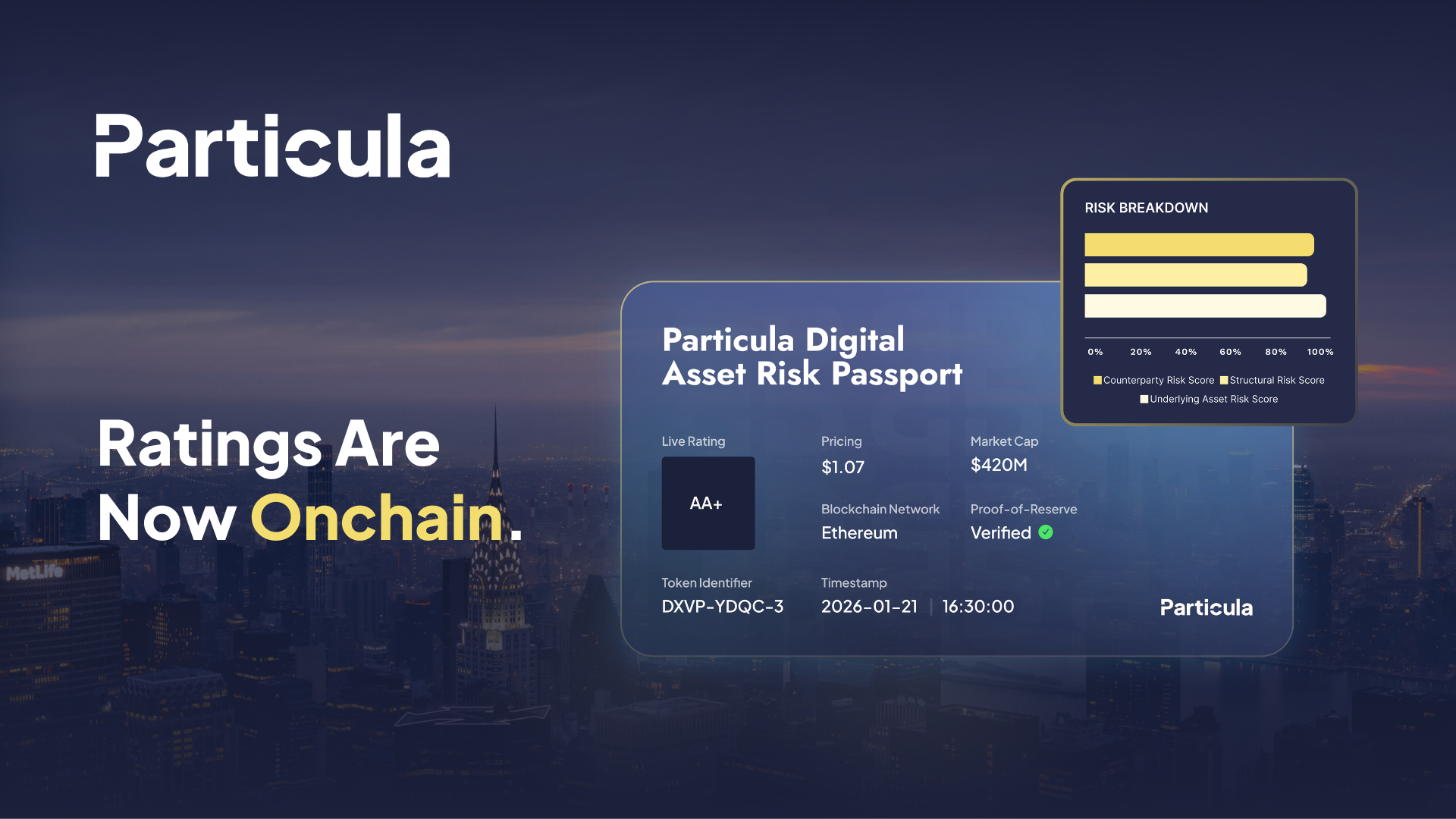
The OnChain Passport is a verifiable attestation of identity data stored on the blockchain, serving as a cryptographic record of a user's reputation and verification status. It is not a government-issued identity document, nor is it a simple public wallet address. Instead, it functions as a persistent, on-chain representation of verified stamps—data points that confirm specific attributes about a user, such as humanhood, residency, or professional credentials. This distinction is critical for legal and compliance frameworks, as the OnChain Passport shifts the paradigm from static, siloed credentials to dynamic, user-controlled attestations.
At its core, the OnChain Passport leverages the Ethereum Attestation Service (EAS) to create tamper-evident records. When a user completes verification steps through protocols like Human Passport, the resulting data is not merely logged in a central database but is attested to on-chain. This means that the validity of the identity data can be programmatically verified by any smart contract or compliance tool without needing to trust a single intermediary. The data remains available via smart contracts, allowing third-party applications to query and validate these attestations in real time. This architecture ensures that the OnChain Passport is both immutable and interoperable across the decentralized web.
It is essential to distinguish this technology from physical passports or simple wallet addresses. A wallet address is merely a public identifier for transacting assets; it contains no inherent information about the user behind it. A physical passport is a legal document issued by a sovereign state, carrying legal weight in international travel but lacking the granularity and programmability of digital attestations. The OnChain Passport sits between these concepts: it is a digital credential that is verifiable on a public ledger but does not necessarily carry the same legal standing as a state-issued ID. It is a tool for proving specific claims about identity in a way that is privacy-preserving and compliant with emerging regulatory standards.
This structure supports a more nuanced approach to compliance. By storing attestations on-chain, users can selectively disclose information to service providers. For example, a decentralized finance (DeFi) platform can verify that a user has passed a know-your-customer (KYC) check without receiving the user's full personal details. This minimizes the risk of data breaches and aligns with privacy-by-design principles. The OnChain Passport thus serves as a foundational layer for trust in Web3, enabling seamless interaction between regulated financial systems and decentralized applications.
How decentralized identity protects privacy
OnChain Passport addresses the fundamental tension between regulatory compliance and user privacy through the mechanism of selective disclosure. Unlike traditional identity verification, which requires submitting raw personal documents to a central authority, this system allows users to prove specific attributes without revealing the underlying data. This approach is critical for legal and regulatory frameworks that demand verification of status—such as age, residency, or accreditation—while minimizing the attack surface for identity theft.
The technical foundation relies on zero-knowledge proofs (ZKPs), a cryptographic method that enables one party to prove to another that a statement is true without revealing any information beyond the validity of the statement itself. When a user interacts with a dApp or service requiring KYC (Know Your Customer) checks, the OnChain Passport generates a cryptographic proof. This proof confirms that the user meets the required criteria (e.g., "is over 18" or "is a US resident") without exposing their date of birth or home address. The verification occurs on-chain via the Ethereum Attestation Service, ensuring that the attestation is immutable and publicly verifiable in its validity, while the sensitive personal data remains off-chain and private.
This architecture shifts the burden of privacy from the user to the protocol. By decoupling the proof of compliance from the disclosure of identity, OnChain Passport enables a "privacy-by-design" model. Regulatory bodies can audit the integrity of the attestation system, while users retain control over their digital identity. This reduces the risk of large-scale data breaches, as no central repository of personal documents exists to be compromised. The result is a compliant yet private interaction model that aligns with evolving data protection standards such as GDPR and CCPA.
Meeting regulatory compliance in Web3
Use this section to make the OnChain Passport decision easier to compare in real life, not just on paper. Start with the reader's actual constraint, then separate must-have requirements from details that are merely nice to have. A practical choice should survive normal use, maintenance, timing, and budget. If a recommendation only works in an ideal situation, call that out plainly and give the reader a fallback path.
| Factor | What to check | Why it matters |
|---|---|---|
| Fit | Match the option to the primary use case. | A good deal still fails if it does not fit the job. |
| Condition | Verify age, wear, and service history. | Hidden condition issues erase upfront savings. |
| Cost | Compare purchase price with likely upkeep. | The cheapest option is not always the lowest-cost option. |
Key platforms building OnChain identity
The current ecosystem for OnChain Passport solutions is fragmented, with providers targeting distinct regulatory and technical niches. While the underlying goal—verifiable digital identity on the blockchain—remains constant, the architectural approaches to privacy, compliance, and data storage vary significantly. Understanding these technical distinctions is essential for legal and compliance teams evaluating integration risks.
Human Passport
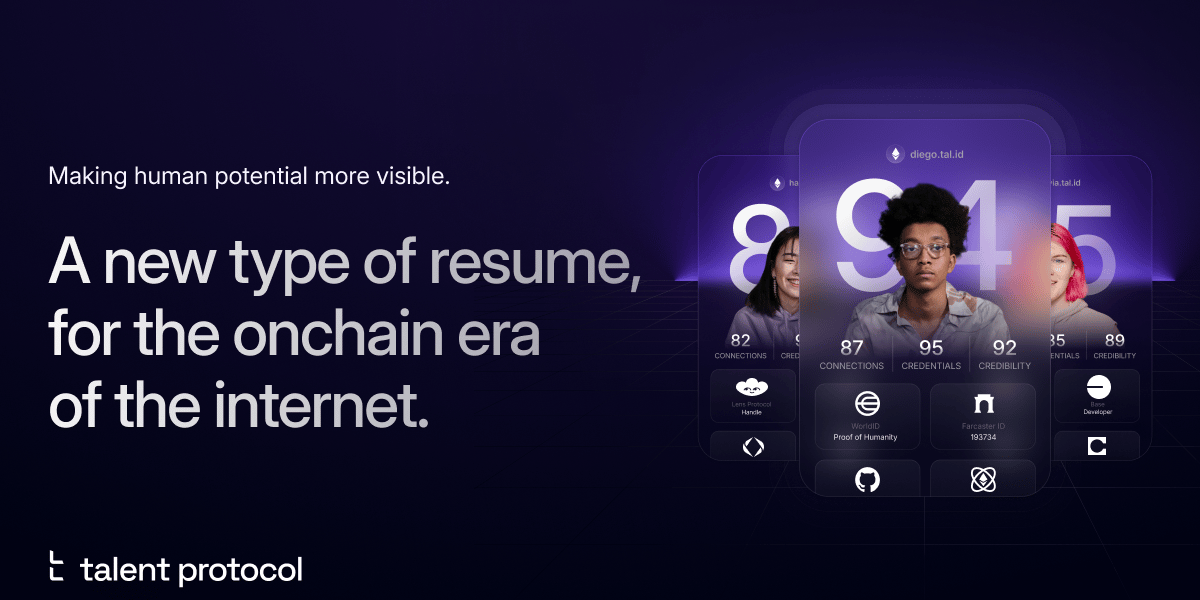
Human Passport, formerly known as Gitcoin Passport, operates as a decentralized identity protocol rather than a traditional centralized KYC provider. It utilizes the Ethereum Attestation Service (EAS) to create verifiable attestations of user data on-chain. The platform aggregates "stamps" from various sources, such as GitHub, ENS domains, or third-party identity providers, to calculate a reputation score.
For compliance purposes, Human Passport offers a technical advantage: it is designed to be privacy-preserving. The protocol allows users to prove they meet certain criteria (e.g., "not a bot" or "human") without revealing their underlying personal data to the relying party. This aligns with the principle of data minimization, a core tenet of regulations like GDPR. However, the reliance on a score-based model requires careful calibration to ensure it does not inadvertently discriminate against users with lower digital footprints.
On-ChainPass
On-ChainPass takes a more traditional, centralized approach, positioning itself as a tokenized investor passport for the digital age. Unlike decentralized protocols, it functions as a comprehensive verification service that eliminates repetitive paperwork and manual checks for institutional investors. The platform issues blockchain-based credentials that serve as a single source of truth for investor status.
This model is particularly relevant for regulated financial entities that require strict Know Your Customer (KYC) and Anti-Money Laundering (AML) compliance. By tokenizing the verification process, On-ChainPass allows for seamless interoperability between different financial platforms. However, the centralized nature of the issuer introduces a single point of failure and requires trust in the provider's security infrastructure and data handling practices.
Tokeny
Tokeny focuses on the intersection of asset ownership and identity, offering blockchain passports that guarantee asset ownership in the DeFi and tokenization space. Their solution is designed to ensure that digital identities are tightly coupled with the assets they represent, providing a layer of security for tokenized securities.
This approach is less about general-purpose identity and more about regulatory compliance for specific asset classes. By linking identity directly to asset ownership records on the blockchain, Tokeny helps issuers and investors maintain an immutable audit trail. This is critical for jurisdictions with strict reporting requirements, as it simplifies the verification of beneficial ownership and transfer restrictions.
Frequently Asked Questions About OnChain Identity
The following questions address common concerns regarding the technical mechanics, security protocols, and regulatory positioning of OnChain Passport systems.
No comments yet. Be the first to share your thoughts!