What is an Onchain Passport?
An onchain passport is a verifiable credential that links your identity to the blockchain without exposing sensitive personal data. Instead of uploading a scanned ID to a centralized server, you use a decentralized identity protocol to generate a cryptographic proof. This proof confirms you meet specific requirements—such as being over 18 or residing in a permitted jurisdiction—without revealing your name, address, or date of birth.
The technology typically relies on standards like the Ethereum Attestation Service (EAS) or W3C Verifiable Credentials. When you verify your identity through a provider like Human Protocol, the system creates an attestation on the blockchain. Applications can then check this attestation to grant access, effectively replacing traditional Know Your Customer (KYC) paperwork with a reusable, privacy-first digital key.
Common Misconceptions
It is important to distinguish this from a physical document. An onchain passport is not a government-issued ID, nor is it a Bitcoin-specific tool. It is a software layer that sits on top of your existing identity. While "Bitcoin passport" is a term sometimes used in the community, it generally refers to any decentralized identity system, not a credential issued by the Bitcoin network itself.
Frequently asked: what to check next
Onchain passport choices that change the plan
Adopting an onchain passport involves balancing privacy, cost, and interoperability against the promise of frictionless access. While these digital identities streamline verification, they introduce new variables that users must weigh carefully.
Key Tradeoff Factors
Data Privacy and Permanence Storing identity attestations on the blockchain creates a permanent record. While the data is often hashed or stored off-chain with on-chain pointers, the transaction history remains public. Users must decide if they are comfortable with a transparent verification trail that cannot be erased.
Gas Fees and Accessibility Minting an onchain passport requires paying network gas fees. On congested networks like Ethereum mainnet, these costs can be prohibitive for casual users. Layer-2 solutions reduce fees but may limit compatibility with certain legacy systems that only recognize mainnet contracts.
Interoperability and Standards Not all platforms support the same attestation standards. An identity verified via the Ethereum Attestation Service (EAS) may not be recognized by a platform expecting a different credential format. Users risk creating siloed identities if they do not choose widely adopted standards.
Comparison: Onchain vs. Traditional KYC
| Feature | Onchain Passport | Traditional KYC |
|---|---|---|
| Data Storage | Decentralized, user-controlled | Centralized, company-controlled |
| Verification Speed | Instant (once attested) | Days to weeks |
| Cost to User | Gas fees (variable) | Often free for user |
| Privacy | Selective disclosure | Full data share with provider |
| Portability | Universal (if standards align) | Limited to specific platforms |
Market Context
The adoption of decentralized identity is closely tied to the broader crypto market sentiment. Tracking the performance of key identity-related tokens or the underlying blockchain networks can provide insight into ecosystem health.
The stability and cost of the underlying blockchain directly impact the viability of onchain passports. When network fees spike, the practical utility of low-value attestations diminishes, pushing users toward more efficient Layer-2 alternatives.
How to Build Your Onchain Passport
An onchain passport is a verifiable digital identity credential stored on a blockchain, typically using the Ethereum Attestation Service (EAS). It replaces traditional KYC (Know Your Customer) paperwork with cryptographic proof of your identity, age, or residency. Instead of uploading sensitive documents to centralized servers, you hold a signed attestation that protocols can verify instantly.
This framework helps you decide whether to use a centralized attestation provider or a decentralized identity standard. The choice depends on your access needs, privacy preferences, and the specific Web3 protocols you plan to use.
1. Choose Your Attestation Source
Start by selecting a provider that issues the initial identity proof. Human Protocol’s Passport is the most common entry point for general Web3 access, aggregating data from multiple sources to create a trust score. For regulated financial access, providers like On-ChainPass offer tokenized investor passports tailored for compliance-heavy environments.
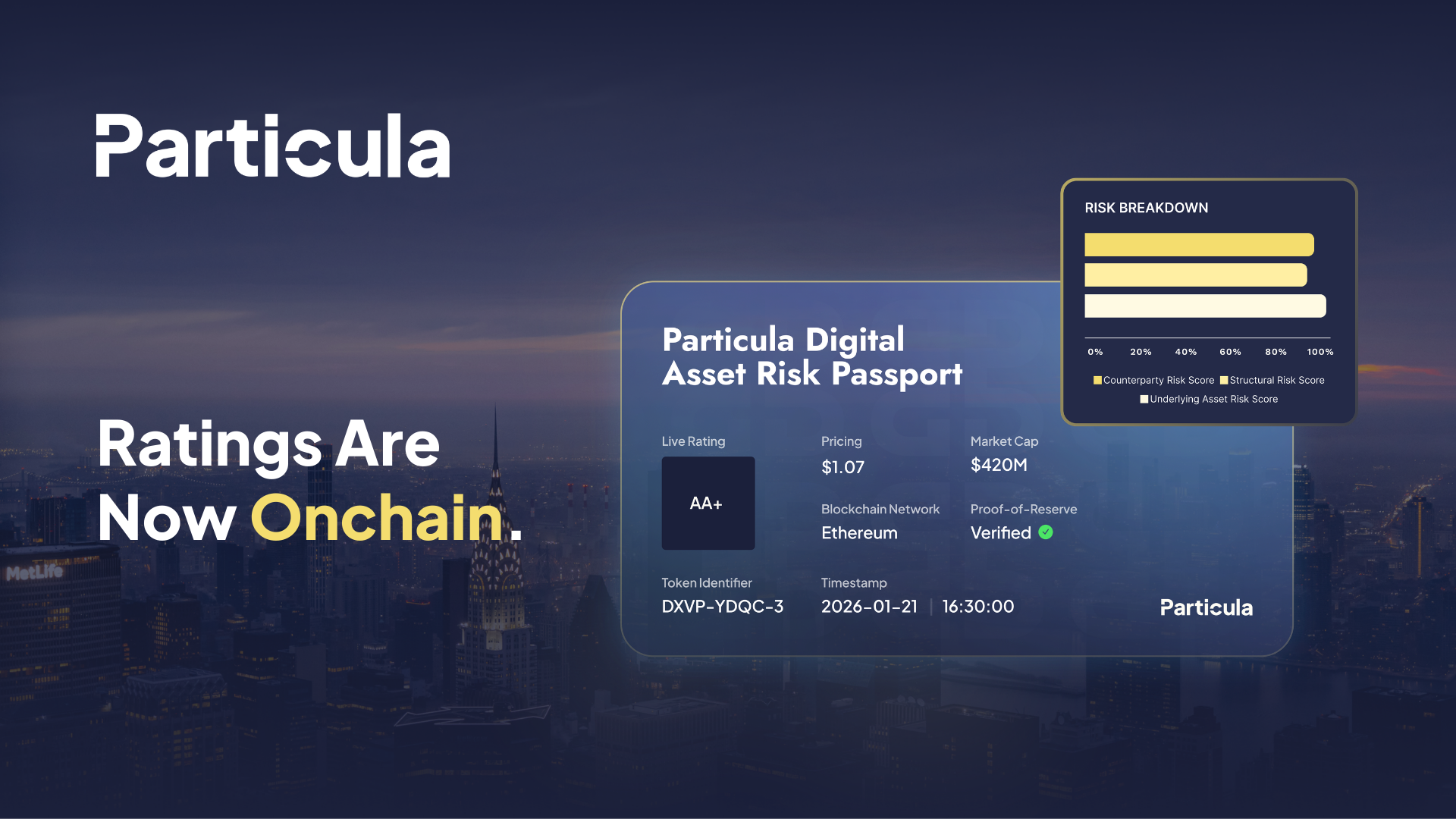
Compare providers based on the protocols you intend to use. General DeFi applications often accept Human Protocol attestations, while tokenized securities platforms may require specific KYC-verified credentials from licensed issuers. Check the documentation of your target protocol to see which attestation standards they support.
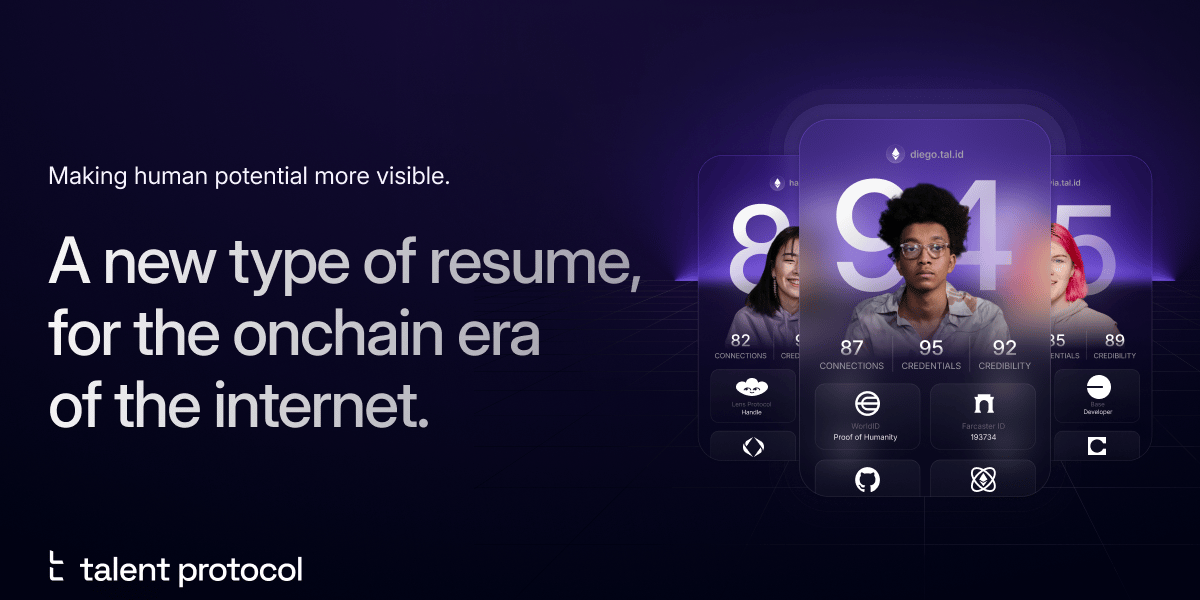
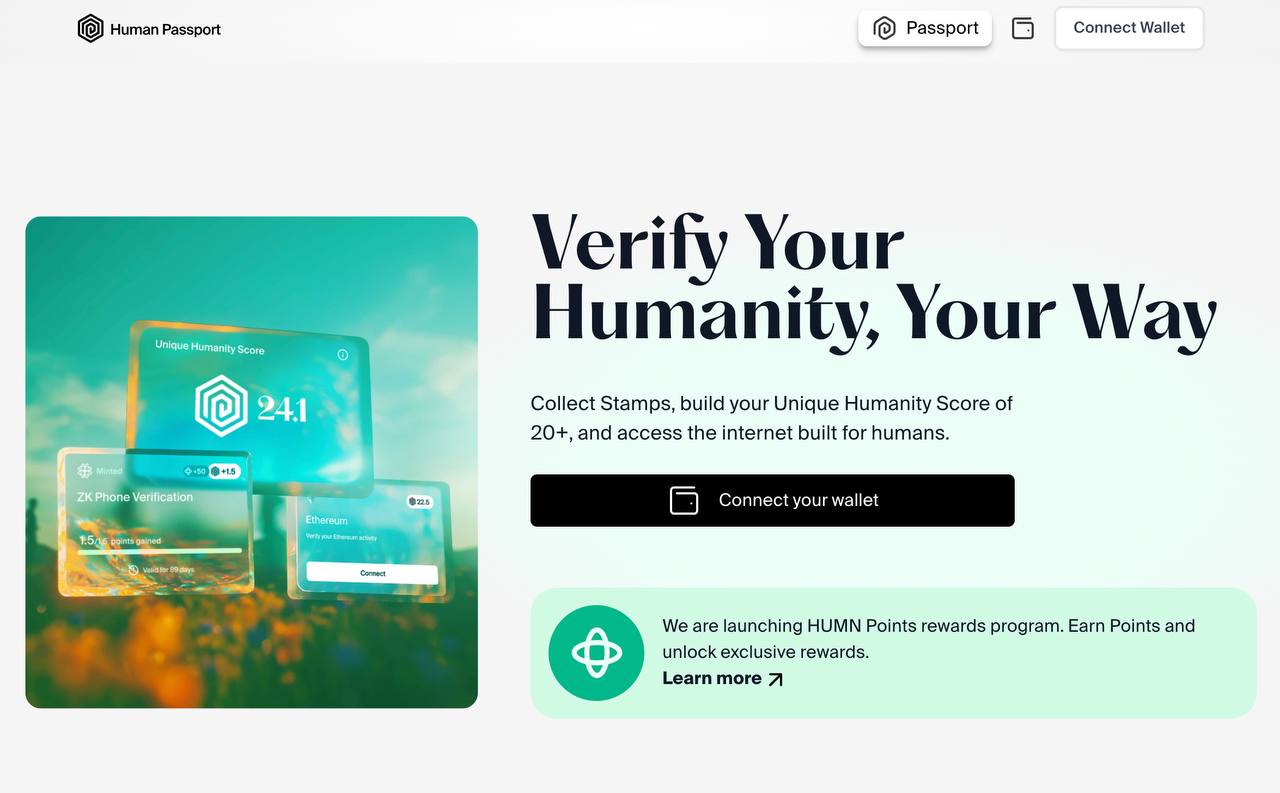
Complete the verification process by linking your social accounts, wallet history, or government ID, depending on the provider’s requirements. Human Protocol uses a point-based system where each verified action adds to your trust score. Higher scores generally unlock more features across decentralized applications.
Once your trust score meets the threshold, the provider submits a verifiable attestation to the blockchain. This step is irreversible and creates a permanent record on-chain. You can now share this attestation with any protocol that recognizes the specific EAS schema, granting you access without re-uploading documents.
Connect your wallet to supported Web3 applications. The protocol will automatically query the blockchain to verify your attestation. If the credential is valid and meets the required trust score, you gain immediate access to features like staking, lending, or trading, bypassing traditional KYC delays.
2. Manage Privacy and Data
Onchain passports offer better privacy than traditional KYC because you only share the minimum necessary proof. However, be aware that some attestations are public. If you need to keep your identity private, look for zero-knowledge proof (ZK) solutions that verify your status without revealing your underlying data.
3. Maintain Your Credential
Attestations can expire or become invalid if the issuing protocol changes its rules. Regularly check your passport status and update your verified information. Some providers allow you to revoke old attestations and issue new ones, ensuring your digital identity remains current and compliant with evolving regulations.
Spotting Weak Options in Decentralized Identity
The shift toward onchain identity often hides trade-offs that users overlook. While the promise of replacing traditional KYC is compelling, many solutions deliver only a veneer of decentralization. Understanding the mechanics behind the claims helps you avoid paying for features that don't work when you need them most.
Misleading Claims About Privacy
Many platforms market "zero-knowledge proofs" as a magic bullet for privacy. In reality, the underlying attestation data is often stored in plain sight on public ledgers like Ethereum. If your passport data includes sensitive attributes, verify whether the protocol actually obscures that information or just shifts the storage burden to you.
Weak Oracles and Trust Assumptions
Decentralized identity relies on oracles to bridge off-chain reality with on-chain records. If an oracle is compromised or biased, your entire identity stack collapses. Look for systems that use multiple, independent verifiers rather than a single centralized authority disguised as a decentralized network.
Common Mistakes in Verification
Users often assume that linking a social media account or a traditional bank account constitutes a robust identity layer. This is a misconception. These connections offer little cryptographic proof of personhood and can actually link your onchain activity to your real-world identity, defeating the purpose of privacy.
No comments yet. Be the first to share your thoughts!