How Onchain Passports Work
An onchain passport is a verifiable digital identity stored on the blockchain. Instead of relying on centralized databases, these passports use the Ethereum Attestation Service (EAS) to create immutable records of your credentials. This allows you to prove who you are without handing over sensitive personal data to every new platform.
The system works by linking your wallet address to a series of attestations. These attestations confirm specific details, such as your real-world identity or asset ownership, in a way that applications can automatically verify. This creates a portable reputation system that travels with your wallet across different decentralized finance (DeFi) protocols.
This approach solves a major problem in the AI verification crisis. As AI-generated content becomes harder to distinguish from human activity, onchain passports provide a cryptographic proof of humanity. They allow platforms to filter out bots and ensure that interactions come from verified, real-world individuals. This is not just about convenience; it is about security and trust in a decentralized web.
While the technology is promising, it requires careful setup. You need to understand how attestation works and which data points you are willing to make public. The goal is to create a passport that is both useful for verification and respectful of your privacy. This balance is key to making onchain identities practical for everyday use.
Key Considerations
- Privacy: Choose what data to attest. Not all information needs to be public.
- Verification: Ensure the attestation is from a trusted source.
- Utility: Check if the applications you use support EAS attestations.
By understanding these basics, you can start building a digital identity that is both secure and functional. This is a foundational step toward a more trustworthy internet.
Onchain passport choices that change the plan
Before committing to an onchain identity solution, you need to weigh the technical friction against the utility. These tools are not simple logins; they are complex systems of attestation, reputation scoring, and data storage. The tradeoffs usually center on privacy, interoperability, and the specific standards each protocol uses to verify "humanity."
Privacy and Data Exposure
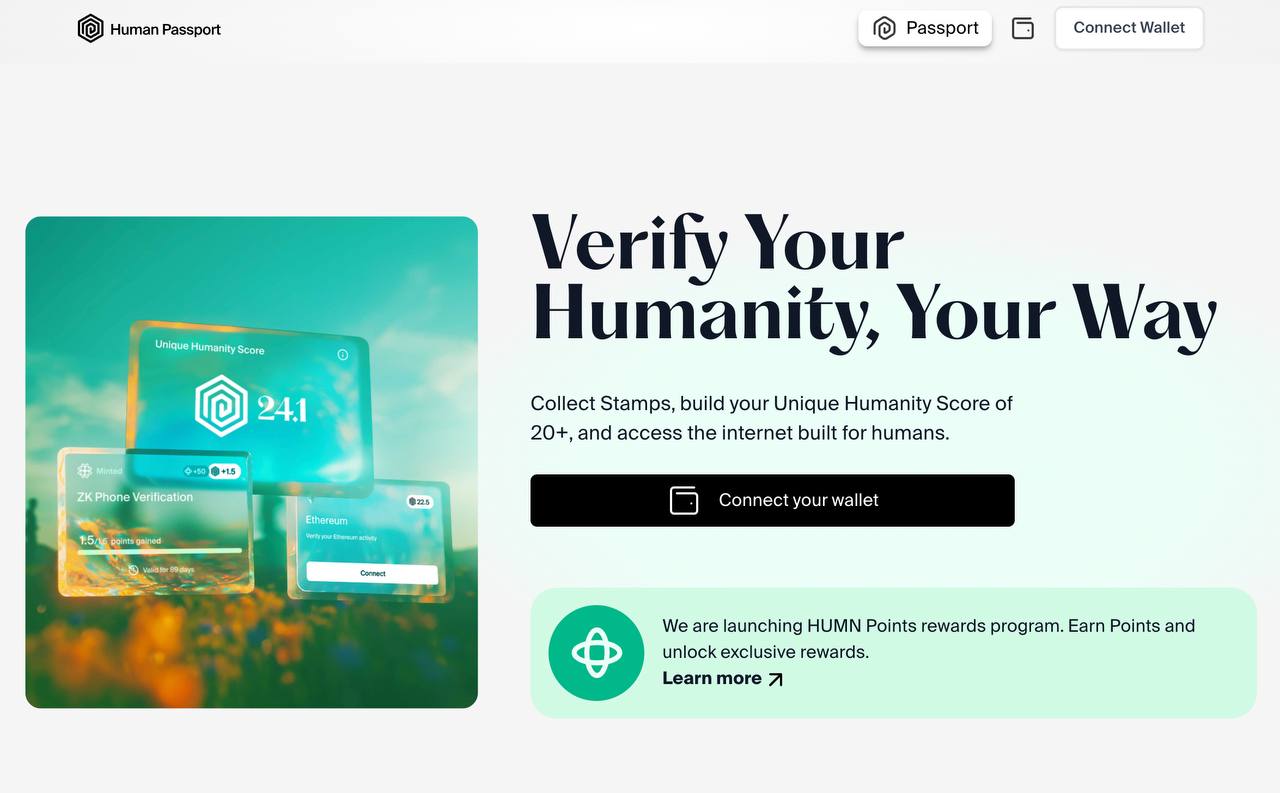
The most significant tradeoff is what data you actually expose. While onchain passports aim to prove you are human without revealing your name, the underlying mechanisms vary. Some systems, like Human Passport, use the Ethereum Attestation Service (EAS) to create verifiable attestations of your data on-chain. This means your reputation score is public and immutable, which is great for preventing Sybil attacks but bad for privacy if you want to keep your activity history separate from your identity. Other solutions, such as On-ChainPass, focus on tokenized investor verification, which may require more direct KYC (Know Your Customer) data submission to a central authority before minting the onchain credential. You must decide if you are comfortable with a public reputation score or if you need a zero-knowledge proof system that verifies attributes without revealing the underlying data.
Interoperability and Ecosystem Lock-in
Not all onchain passports work everywhere. A passport built on one standard may not be recognized by a DeFi protocol or DAO using a different verification layer. For example, a passport that relies heavily on social graph analysis (like Passport.xyz) might not satisfy a financial platform that requires government ID verification. This creates a fragmented landscape where you might need multiple digital identities for different services. Always check if the platform you intend to use supports the specific attestation standard your passport provider uses. If you are building for a broad audience, choose a solution that adheres to open, widely adopted standards rather than proprietary, closed-loop systems.
Cost and Complexity
Finally, consider the cost and complexity of maintaining your onchain identity. Minting attestations or updating your reputation score often requires gas fees on the underlying blockchain. While Layer 2 solutions have reduced these costs, they are not zero. Additionally, the user experience can be steep. Managing private keys, connecting wallets, and understanding the difference between a "stamp" and an "attestation" can be confusing for non-technical users. If your goal is mass adoption, the friction of onboarding must be low. If you are targeting crypto-native users who understand these concepts, the complexity is a feature, not a bug, as it signals higher trust and intent.
| Feature | Privacy | Interoperability | Cost |
|---|---|---|---|
| Human Passport | Public reputation score | High (EAS standard) | Low (L2 gas fees) |
| On-ChainPass | KYC-dependent | Medium (Investor focused) | Medium (Verification fees) |
| Generic Wallet Signatures | High (No data stored) | Low (Protocol specific) | Low (Gas only) |
How to choose the right verification tool
Decentralized identity (DID) wallets are no longer experimental. They are the infrastructure for proving you are a human in an age of AI-generated noise. But not all solutions offer the same level of trust or utility. Choosing the wrong tool can leave you with a digital ID that no one accepts, or worse, one that compromises your financial privacy.
The decision comes down to three factors: the verification standard, the underlying blockchain, and the ecosystem compatibility. You need a tool that issues verifiable credentials (VCs) recognized by major DeFi protocols and AI verification services. Avoid niche solutions that only work on obscure testnets.
Use this framework to evaluate your options:
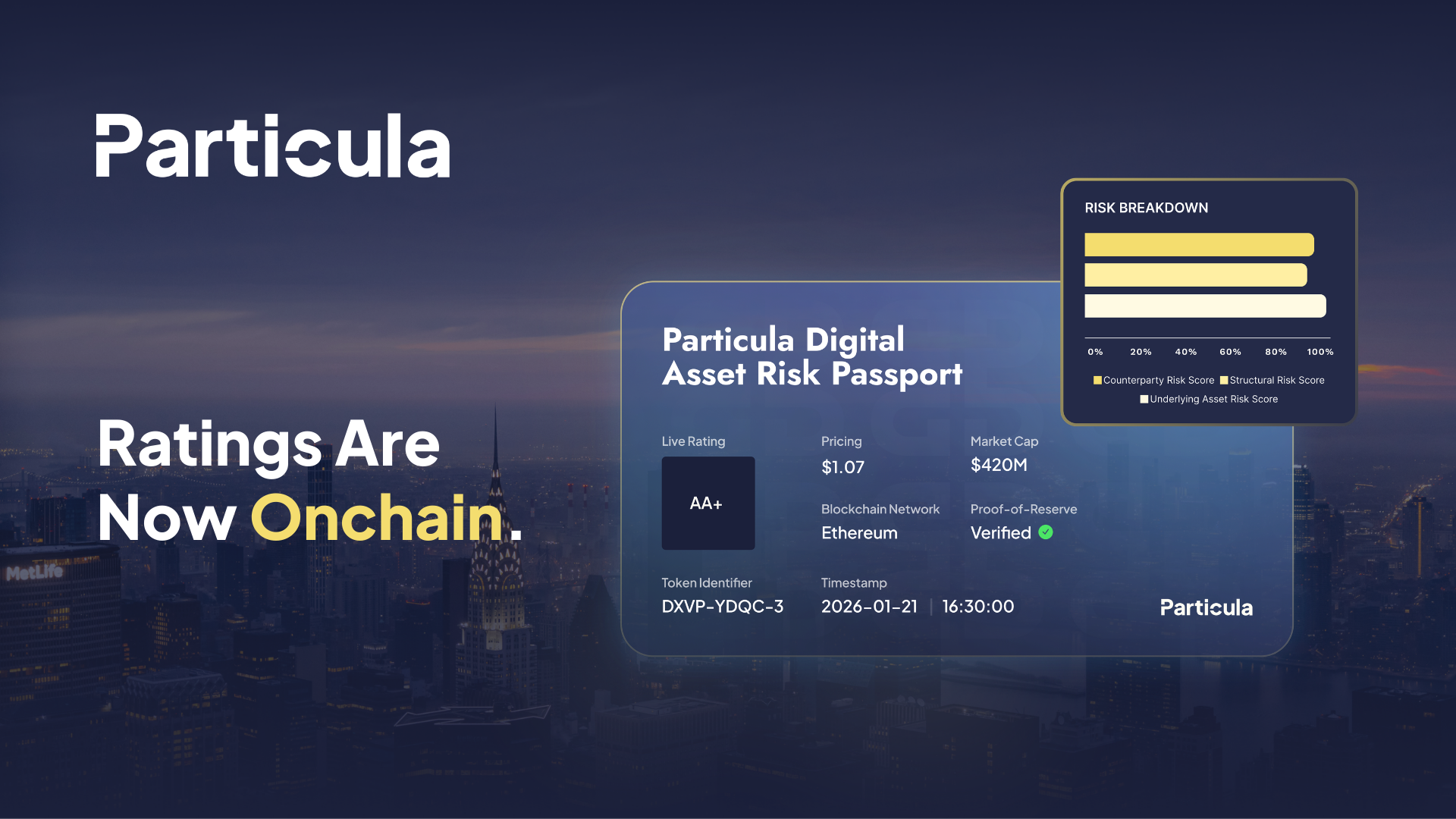
Look for tools using the Ethereum Attestation Service (EAS) or W3C Verifiable Credentials. These standards allow third parties to cryptographically verify your identity without exposing your raw personal data. If a platform stores your passport scan in plain text on their server, skip it. Your identity data should be stored off-chain, with only the verification hash on-chain.
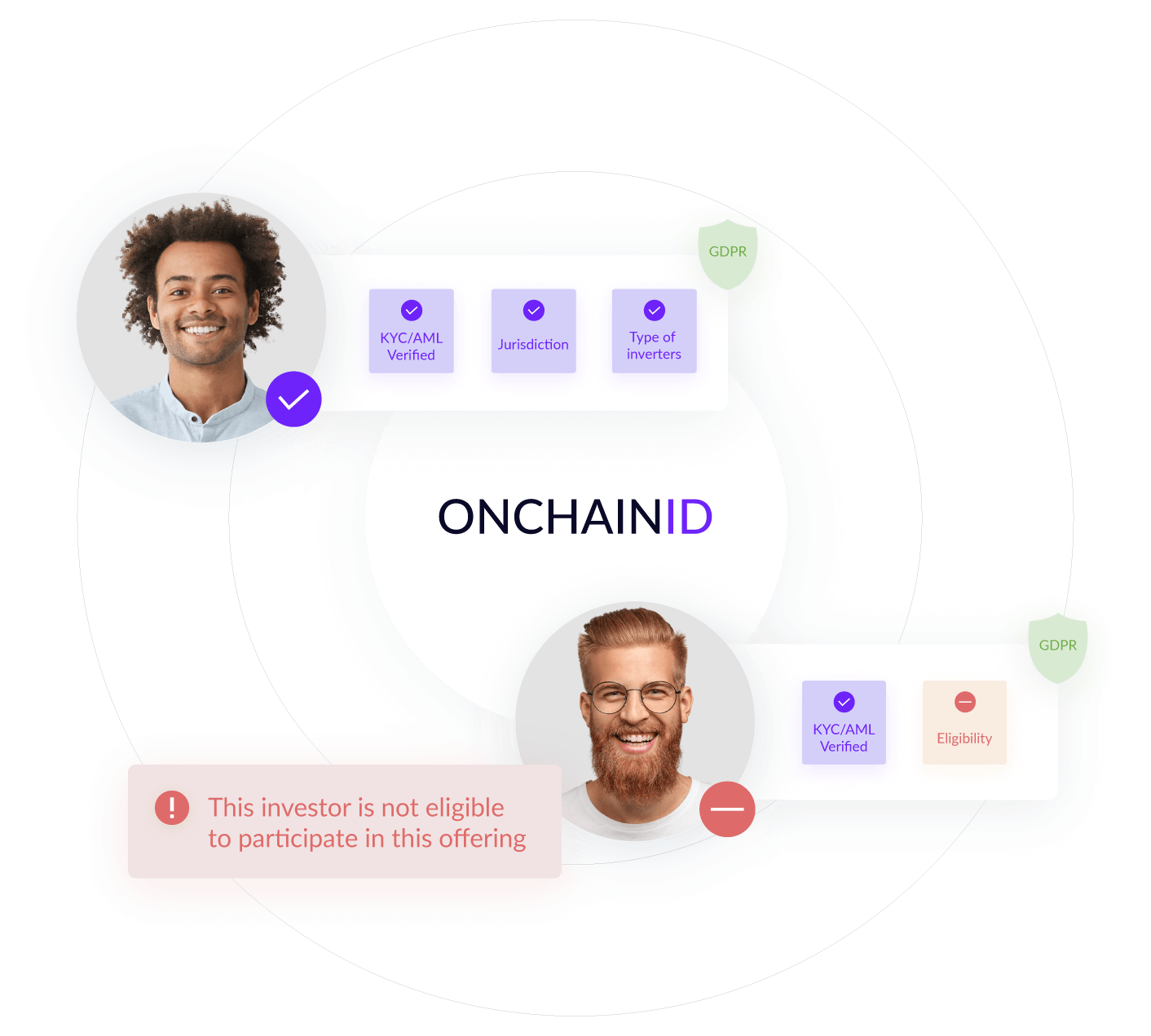
A passport is only useful if it is accepted. Check if your chosen wallet integrates with major DeFi protocols like Aave or Compound, and AI verification layers like Human Protocol. If the tool only works within a single dApp, it is a loyalty token, not a passport. You need a universal standard.
The best decentralized identity tools use zero-knowledge proofs (ZKPs). This allows you to prove you are over 18 or a unique human without revealing your name, address, or birthdate. If a tool requires you to broadcast your full KYC data to the public ledger, it is not privacy-preserving. Look for "selective disclosure" features.
Blockchain keys can be lost. A robust passport solution offers social recovery or multi-sig options. This means if you lose your device, trusted contacts can help you regain access to your identity credentials. Without a recovery mechanism, your digital identity is permanently locked if you misplace your seed phrase.
The market is consolidating around a few key players. While many wallets claim to offer DID features, only a handful provide the institutional-grade attestation required for serious DeFi and AI applications. Focus on tools that have been audited and are actively used by major protocols.
By focusing on these criteria, you can separate marketing hype from functional infrastructure. Your digital identity should be as secure and portable as your assets.
Spotting the Weak Spots in Onchain Identity
The promise of a decentralized passport is compelling, but the current market is littered with half-baked implementations that confuse users more than they help. Before you trust your identity to a blockchain wallet, you need to know what’s real and what’s just vaporware. We’re cutting through the noise to highlight the misleading claims and common traps that plague the Onchain Passport 2026 landscape.
The Attestation Gap
Many projects claim to issue "verifiable credentials" but fail to specify the underlying standard. A true Onchain Passport uses the Ethereum Attestation Service (EAS) to anchor your data on-chain, creating a tamper-proof record. If a project relies on opaque, private databases or vague "proof of humanity" scores without open verifiable credentials, it’s not a passport—it’s just a loyalty card with extra steps. Look for explicit EAS integration or W3C-compliant verifiable presentations.
The Bitcoin Misconception
There is a persistent myth that a "Bitcoin Passport" exists as a single, unified identity layer for BTC holders. This is false. Bitcoin’s UTXO model is not designed for complex on-chain identity storage. While projects like Unchained or various Ordinals-based IDs exist, they are niche and often fragmented. Do not confuse a Bitcoin wallet address with a sovereign identity. If a service claims to be the definitive "Bitcoin Passport," they are likely selling a wrapped or bridged identity that introduces centralization risks.
The Verification Trap
Can you verify your identity with your passport? Only if the issuer is reputable. A common mistake is accepting attestations from unknown or unvetted sources. Just because an attestation is on-chain doesn’t mean the person behind it is who they say they are. Always check the issuer’s reputation. A passport is only as strong as the weakest link in its attestation chain. Avoid wallets that aggregate attestations from sketchy or automated sources without human-in-the-loop verification.
The Wallet Wallet Problem
Are passport wallets a good idea? Generally, no, not as a primary custody solution. Many "identity wallets" prioritize social features over security, often sacrificing the robust key management that serious DeFi users need. If a wallet prioritizes its identity dashboard over your private key security, it’s a red flag. Use a dedicated, hardware-backed wallet for assets and a separate, lightweight tool for managing your on-chain attestations.
Onchain passport: what to check next
Before adopting decentralized identity, it helps to separate marketing hype from actual utility. These answers address the practical concerns readers raise when evaluating tools like Human Passport for verification and identity management.
No comments yet. Be the first to share your thoughts!