
Why decentralized identity matters now
Centralized identity databases are failing. Every major breach exposes millions of records, leaving users vulnerable to credential stuffing and identity theft. Traditional authentication relies on trusting a single entity to protect your data, a model that no longer holds up against modern cyber threats.
Decentralized identity (DeID) shifts control back to the individual. Instead of storing passwords in a central server, DeID uses distributed ledger technologies to create verifiable credentials. This allows you to prove who you are without revealing unnecessary personal information.
The urgency has increased with the rise of AI-driven impersonation. Deepfake technology makes it easier than ever to bypass traditional biometric checks. Decentralized identifiers provide a cryptographic layer of trust that is much harder to forge, offering a concrete defense against synthetic identity fraud.
Note: The shift from centralized databases to user-controlled DIDs is the primary defense against credential stuffing and deepfake verification failures.
Best decentralized identity tools
Choosing the right platform depends on your specific needs for privacy, interoperability, and ease of use. Below are the top tools currently leading the market.



As an Amazon Associate, we may earn from qualifying purchases.
How decentralized identifiers work
Decentralized identifiers (DIDs) are globally unique strings that let you control your digital identity without relying on a central authority like a government or social media company. Think of a DID as a cryptographic key that belongs only to you. It is stored on a public ledger, such as a blockchain, which acts as a neutral directory. This ledger proves the identifier exists and is associated with your specific public key, but it does not store your personal data. This separation is the core of self-sovereign identity: you hold the keys, and no single entity can shut down your identity or censor your existence.
The system relies on Verifiable Credentials (VCs) to handle the actual information. A VC is a tamper-proof digital document, similar to a digital driver’s license or university diploma. When a trusted issuer—like a university or employer—issues a credential, they sign it cryptographically. You then store this credential in your digital wallet. When you need to prove something, such as your age or degree, you share the credential with a verifier. The verifier checks the issuer’s signature against the public ledger to confirm it is valid, without needing to contact the issuer again. This creates a trustless, private verification loop.
This architecture removes the need for repeated logins and password resets. Instead of creating a new account on every website, you simply connect your DID and present the relevant credentials. The website verifies your identity instantly using the cryptographic proof. This reduces friction for users and minimizes the risk of data breaches, since companies no longer need to hoard massive databases of personal information. The result is a more resilient digital ecosystem where identity is portable and secure.


As an Amazon Associate, we may earn from qualifying purchases.
Top decentralized identity platforms
The decentralized identity landscape is no longer just theoretical. Several platforms have moved from experimental protocols to production-ready infrastructure, offering distinct advantages for different user bases. While some solutions prioritize enterprise-grade compliance and scalability, others focus on frictionless consumer onboarding and mobile-first experiences. Choosing the right platform depends on whether you are building for B2B verification workflows or B2C user engagement.
Microsoft ION
Microsoft ION represents the enterprise tier of decentralized identity, leveraging the Bitcoin blockchain to scale DIDs. By anchoring DIDs to Bitcoin, ION provides a highly secure and immutable foundation for identity management without requiring a dedicated, energy-intensive ledger. This approach is ideal for organizations that need to integrate digital identity into existing corporate infrastructure, such as healthcare records or learning credentials, while maintaining strict regulatory compliance.
Dock
Dock offers a comprehensive platform designed for both issuers and verifiers, supporting a wide range of W3C standards. It provides a robust SDK that allows developers to build custom identity solutions on various blockchains, including Ethereum and Polkadot. Dock is particularly strong in the enterprise sector, offering tools for credential issuance and verification that can be tailored to specific industry requirements, making it a versatile choice for complex B2B integrations.
Civic
Civic focuses on the consumer side of the identity spectrum, providing a mobile app that allows users to store and manage their personal identity data. The platform uses zero-knowledge proofs to allow users to verify attributes, such as age or residency, without revealing the underlying personal information. Civic’s approach is user-centric, aiming to give individuals full ownership of their data while simplifying the onboarding process for websites and apps that require identity verification.
SpruceID
SpruceID takes a developer-first approach, providing open-source protocols and tools that simplify the implementation of decentralized identity in web applications. Rather than a single product, Spruce offers a suite of components, including the DIF Passkey protocol and the DIDKit library, which enable secure, passwordless authentication. This modular architecture allows teams to build custom identity flows that integrate seamlessly with existing user experiences, making it a preferred choice for tech-forward startups and platforms.
Comparison of Key Features
The following table highlights the primary distinctions between these platforms, focusing on their target audience and underlying infrastructure.
| Platform | Target Audience | Infrastructure |
|---|---|---|
| Microsoft ION | Enterprise | Bitcoin |
| Dock | Enterprise/Developer | Multi-chain |
| Civic | Consumer | Ethereum |
| SpruceID | Developer | Protocol-level |
Related Products
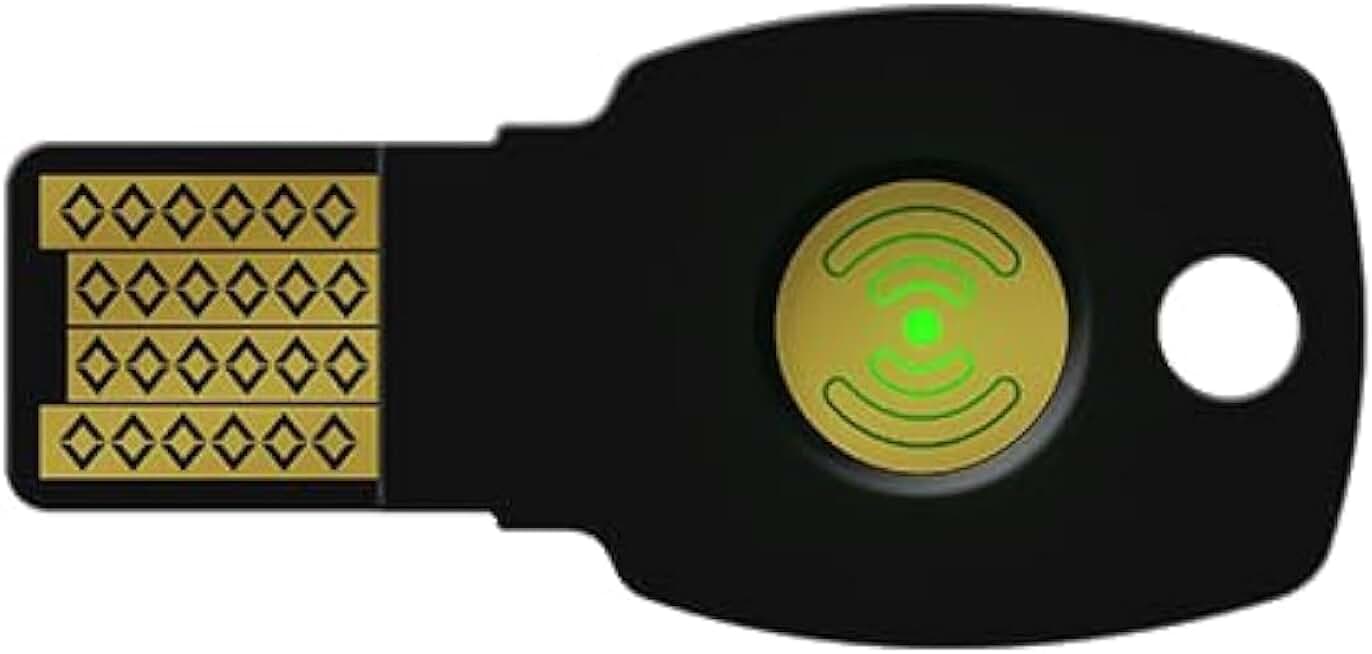
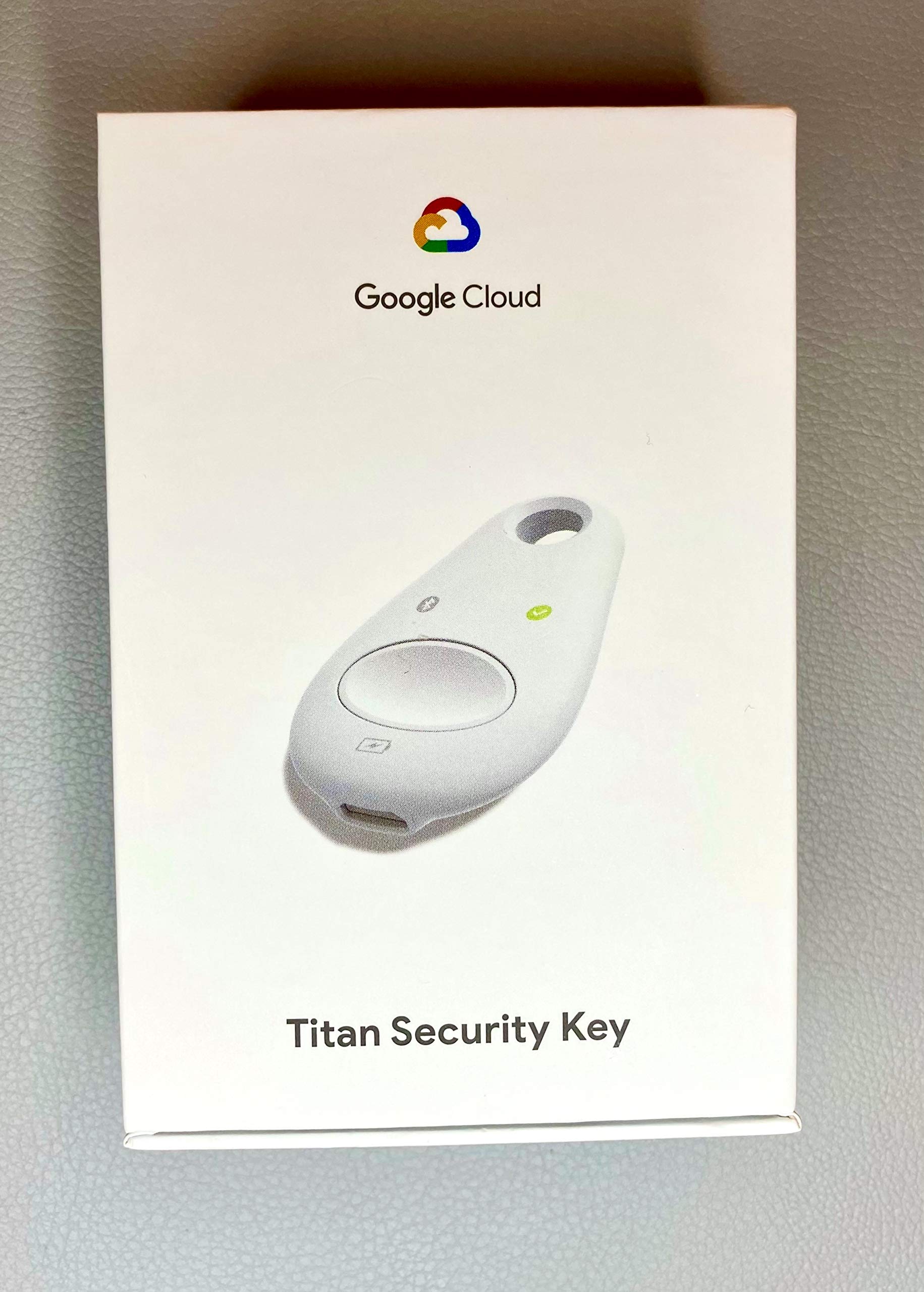
While software platforms handle the logic of identity verification, hardware security keys remain a critical component for securing decentralized accounts. The following products are popular choices for enhancing identity security.

As an Amazon Associate, we may earn from qualifying purchases.
Onchain passport use cases
Onchain passports move decentralized identity from abstract theory to practical application. They allow users to prove credentials without revealing unnecessary personal data. This capability unlocks specific workflows in finance, logistics, and content moderation.
DeFi access and compliance
Decentralized identity enables permissionless yet compliant access to financial protocols. Users can prove their jurisdiction or accreditation status without submitting copies of government IDs to every platform. Tools like IBM Verify and Guardian utilize DIDs to manage these verifiable credentials securely. This reduces friction for legitimate users while maintaining regulatory standards.
Supply chain provenance
In supply chain management, onchain passports verify the origin and authenticity of goods. Each product unit carries a digital identity that records its journey from manufacturer to consumer. This transparency helps combat counterfeiting and ensures ethical sourcing claims are valid. The system relies on trusted issuers to inject authenticity into the ecosystem, allowing holders to share only the necessary proof of origin.
AI content verification
As synthetic media becomes more prevalent, verifying the human origin of content is critical. Onchain passports provide a cryptographic signature for original creators, distinguishing human-generated work from AI outputs. This verification layer helps platforms label content accurately and protects creators' intellectual property rights. It establishes a baseline of trust in an increasingly automated digital landscape.


As an Amazon Associate, we may earn from qualifying purchases.
How to choose the right decentralized identity provider
Selecting a decentralized identity (DeID) solution requires balancing technical standards with real-world deployment constraints. For enterprises, the choice often hinges on whether the platform supports W3C DIDs and Verifiable Credentials (VCs) out of the box. Platforms like Guardian and IBM have established strong footholds by offering robust infrastructure for vaccine records, learning credentials, and other personally identifiable information (PII).
When evaluating providers, prioritize those with mature developer documentation and active community support. A platform is only as useful as its integration ease; if your engineering team struggles to implement the SDK, the solution will fail regardless of its underlying security. Look for providers that offer clear API endpoints and comprehensive testing environments.

Ensure the provider strictly adheres to W3C DID and VC specifications. This ensures your identity data remains portable and interoperable across different ecosystems and verifiers.
Determine if the underlying ledger or database can handle your expected transaction volume. Enterprise-grade solutions must support high-throughput verification without significant latency or cost spikes.
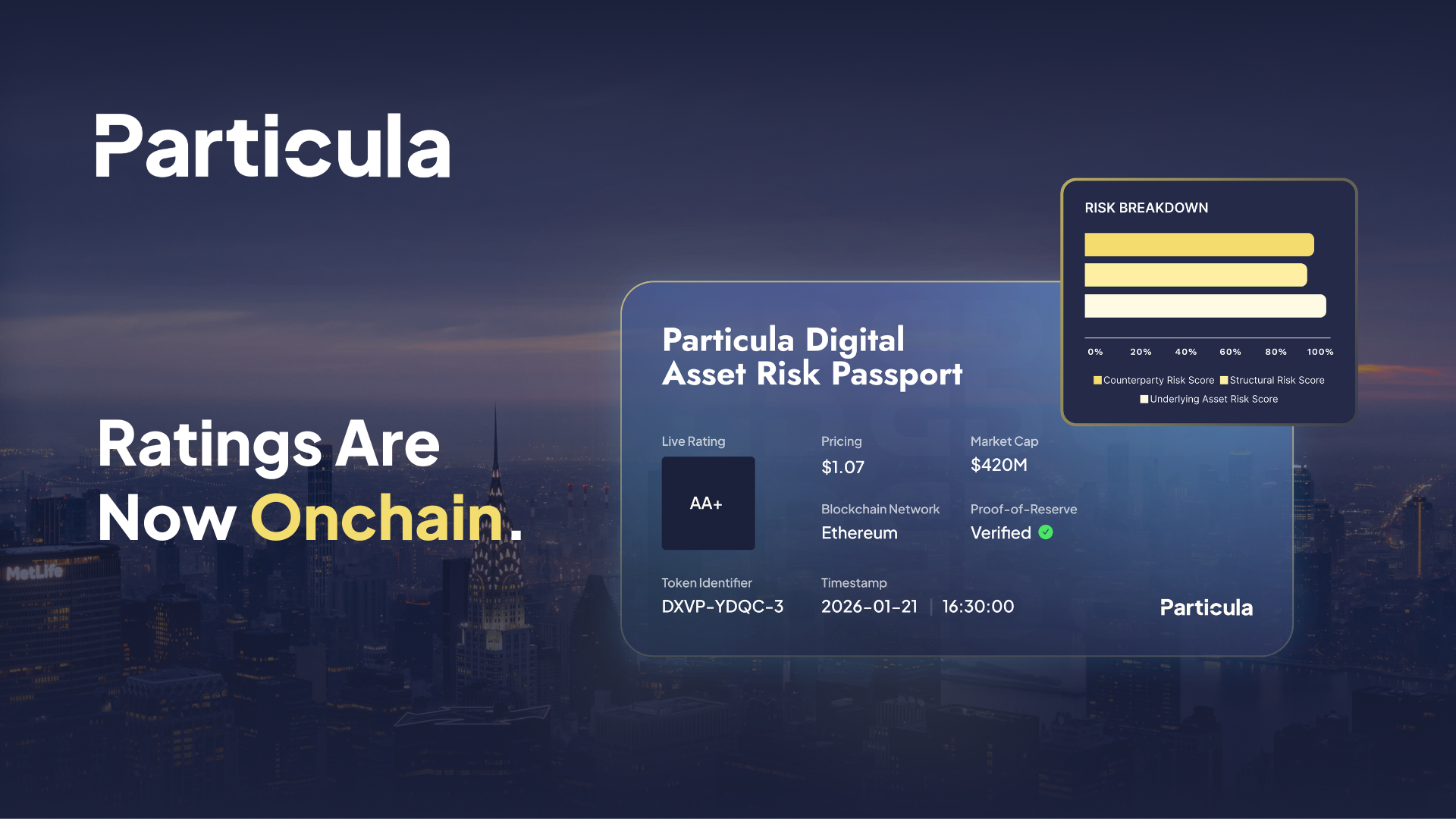
Check for zero-knowledge proof support and data minimization capabilities. These features allow users to prove attributes (like age or residency) without revealing the underlying raw data, reducing liability.
Examine the quality of SDKs, documentation, and community forums. A steep learning curve can delay deployment by months. Look for active GitHub repositories and responsive support channels.



As an Amazon Associate, we may earn from qualifying purchases.
Frequently asked questions about decentralized identity
What is a decentralized identifier (DID)? A decentralized identifier (DID) is a globally unique identifier that is not tied to a central registry. Examples include distributed ledgers, peer-to-peer networks, and decentralized file systems. These identifiers are cryptographically secure and allow entities to be identified in a verifiable, persistent manner without relying on a single authority.
What is an example of a decentralized identity system? Guardian is a prominent example of a decentralized identity system that uses DIDs to enable verifiable digital identities. IBM also offers a decentralized identifier system capable of managing vaccine records, learning credentials, and other personally identifiable information (PII) without a central point of failure.
What is an example of decentralized technology? The Internet itself is a primary example of an extremely decentralized network. It has no single owner; as long as participants follow minimal rules, anyone can act as a service provider or user. This structure ensures no single entity is in charge, distributing control across the entire network.
No comments yet. Be the first to share your thoughts!