
Imagine carrying your entire digital identity in your pocket, not as a fragile bundle of passwords scattered across apps, but as a secure, portable vault you alone control. That's the promise of self-sovereign identity wallets, or SSI DID wallets, where portable credentials SSI let you prove who you are without handing over your life story. In a world drowning in data breaches and centralized gatekeepers, these wallets flip the script, putting self-sovereign identity control squarely in your hands.
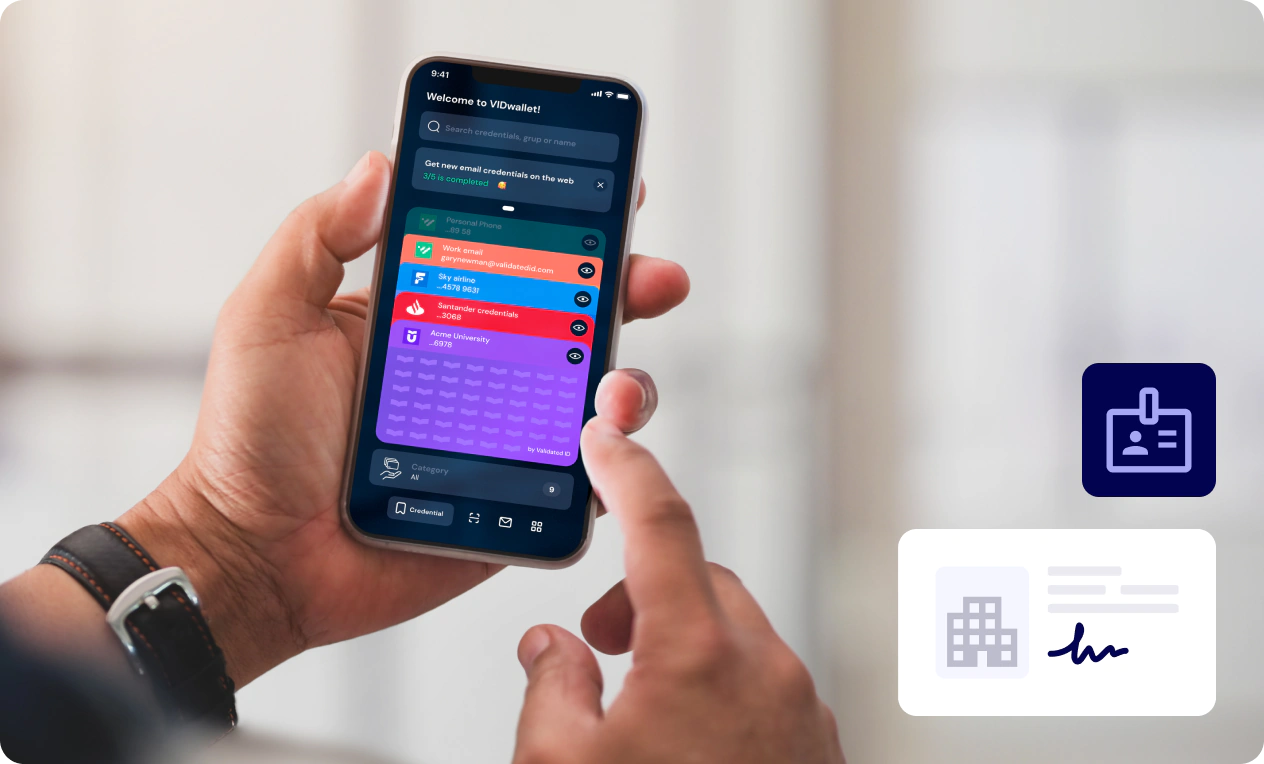
At its core, self-sovereign identity draws from blockchain's decentralized ethos, as outlined by sources like Okta and cheqd. You own your data, not some corporation. No more begging platforms for access or fearing they'll sell your info. Instead, SSI uses verifiable credentials- digital versions of diplomas, licenses, or even health records- stored in your wallet. Present them selectively, revoke access anytime. It's strategic empowerment, especially with zk proofs decentralized identity layered on top for that extra privacy shield.
Why Centralized Identity Falls Short Today
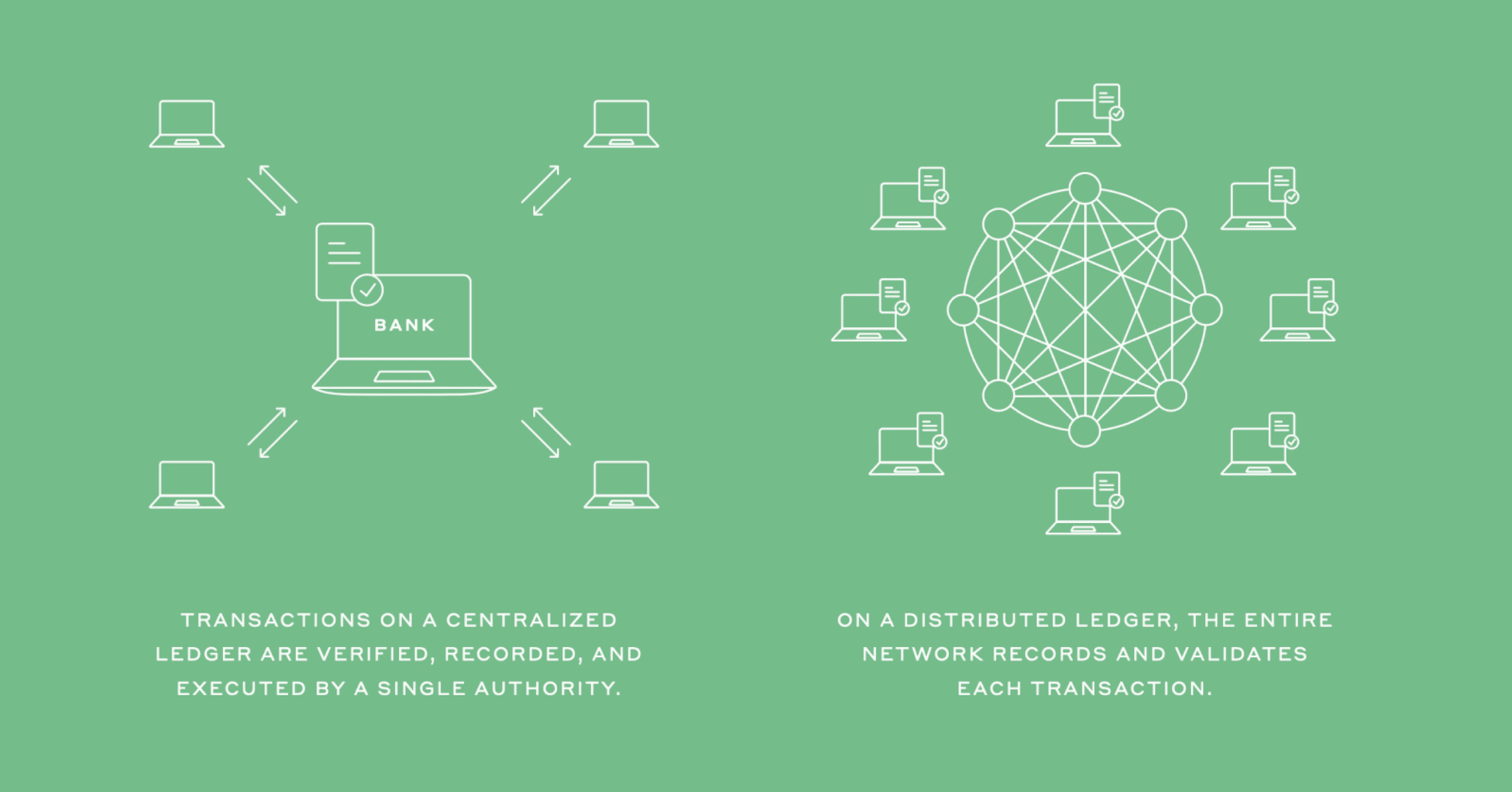
We've all felt the frustration: signing up for a service, uploading your ID, only to repeat the process elsewhere. Centralized systems hoard your data, creating juicy targets for hackers. Remember the big breaches? They expose millions. SSI wallets sidestep this mess. As NIH's systematic review notes, SSI centers the user, letting you maintain and control your data model. Trinsic calls these digital wallets your secure storage for verifiable credentials, easy to share privately.
Portability takes it further. A portable SSI wallet, per SEON, lives on your phone, carrying credentials anywhere. Recent 2026 updates highlight interoperability wins from Trinsic, Main Incubator, and esatus AG. Switch apps without losing your identity- no vendor lock-in. Europe's EUDI Wallet pushes this continent-wide, blending SSI with open standards for seamless service access. It's not hype; it's happening, freeing you from silos.
Key Pillars of SSI Wallets
- Verifiable Credentials (VCs): Tamper-proof digital proofs issued by trusted sources, stored in SSI wallets for secure sharing without revealing full data, as per W3C standards.
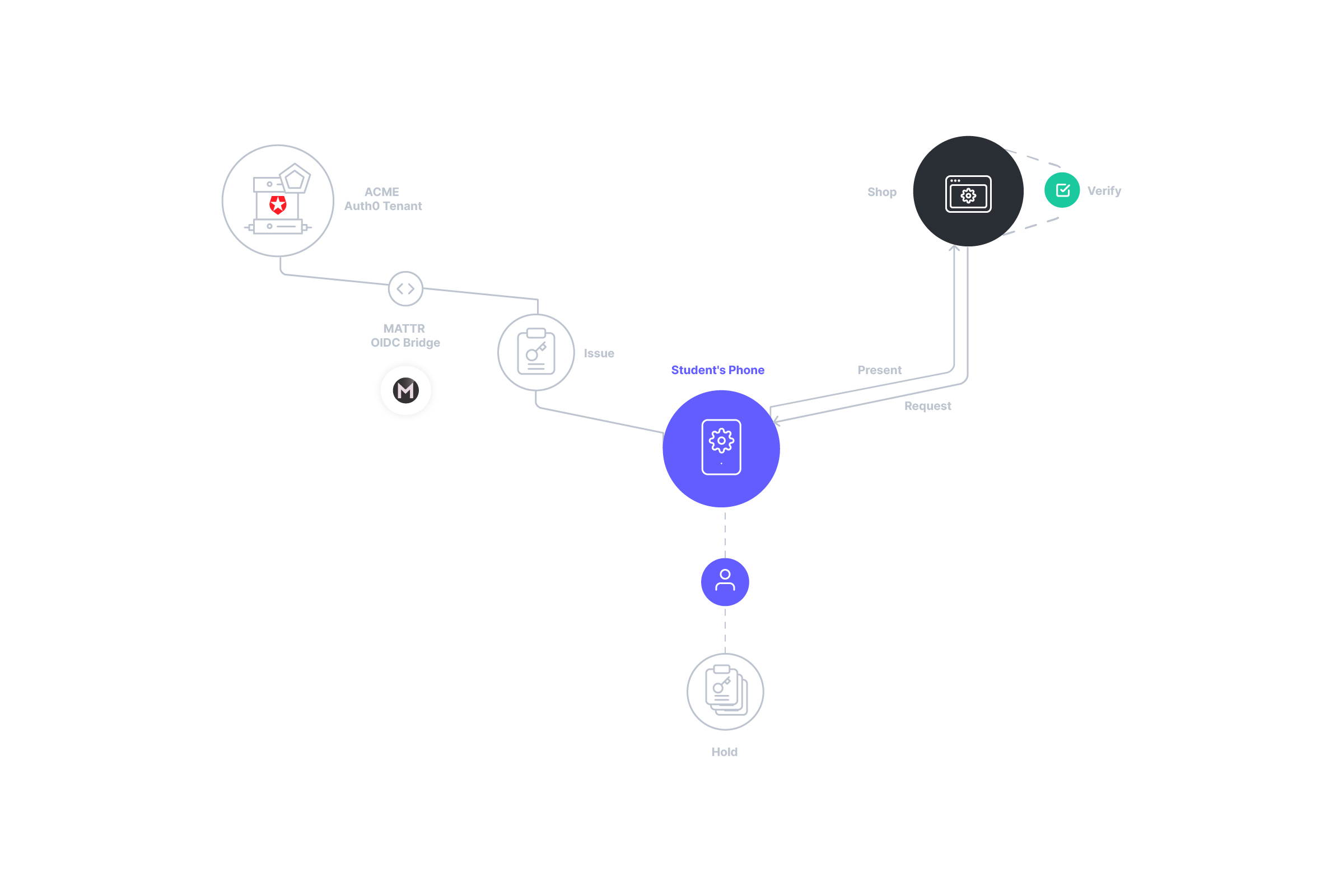
- Decentralized Identifiers (DIDs): User-owned, globally unique IDs resolved via DLT, giving individuals full control over their digital identity without central authorities.
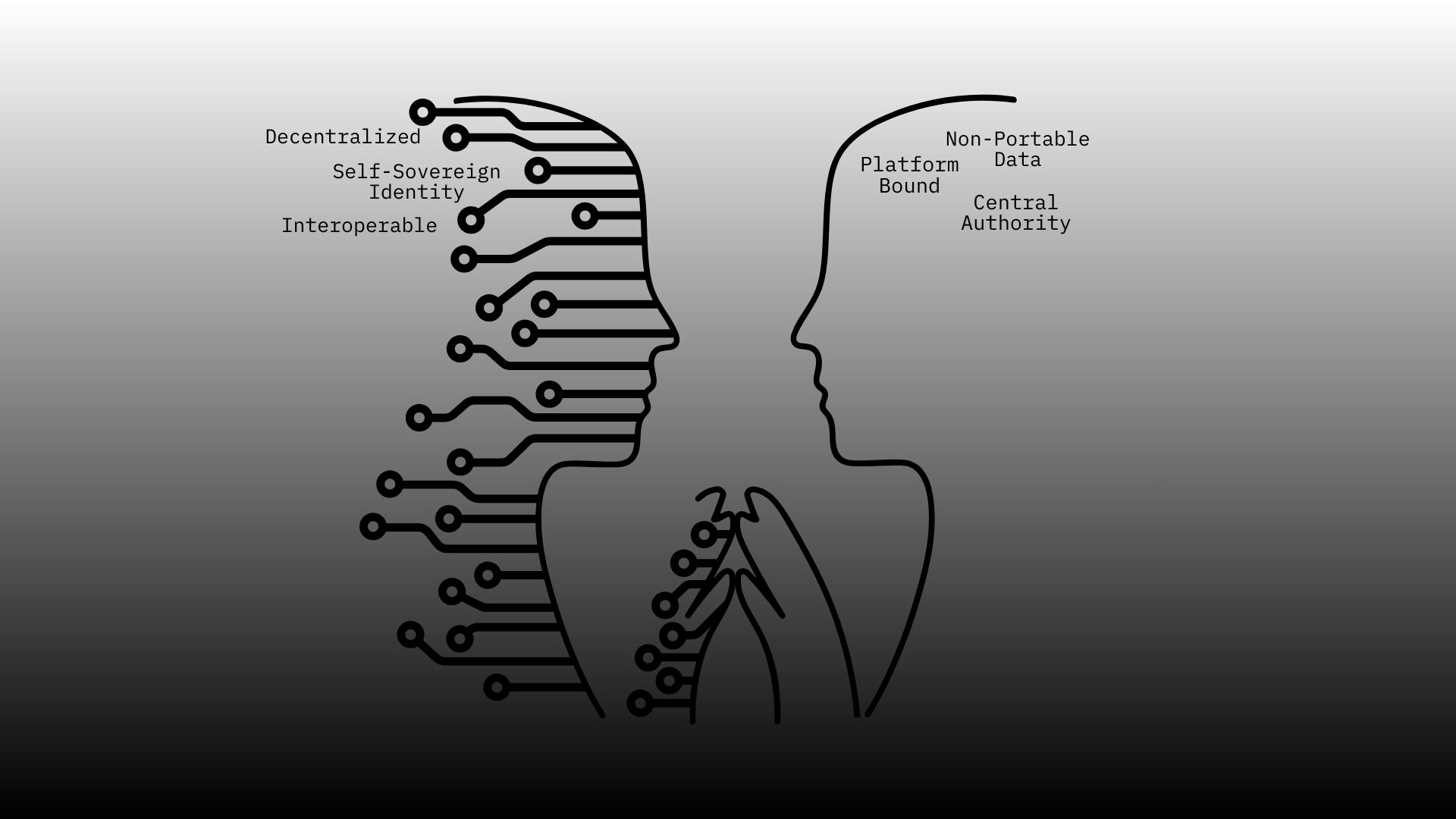
- Blockchain/DLT: Immutable distributed ledgers that anchor credentials and DIDs, ensuring tamper-proof verification and trustlessness in SSI ecosystems.
- Zero-Knowledge Proofs (ZKPs): Privacy tech for selective disclosure—prove facts like age > 18 without sharing birthdate, vital for user-controlled data sharing.
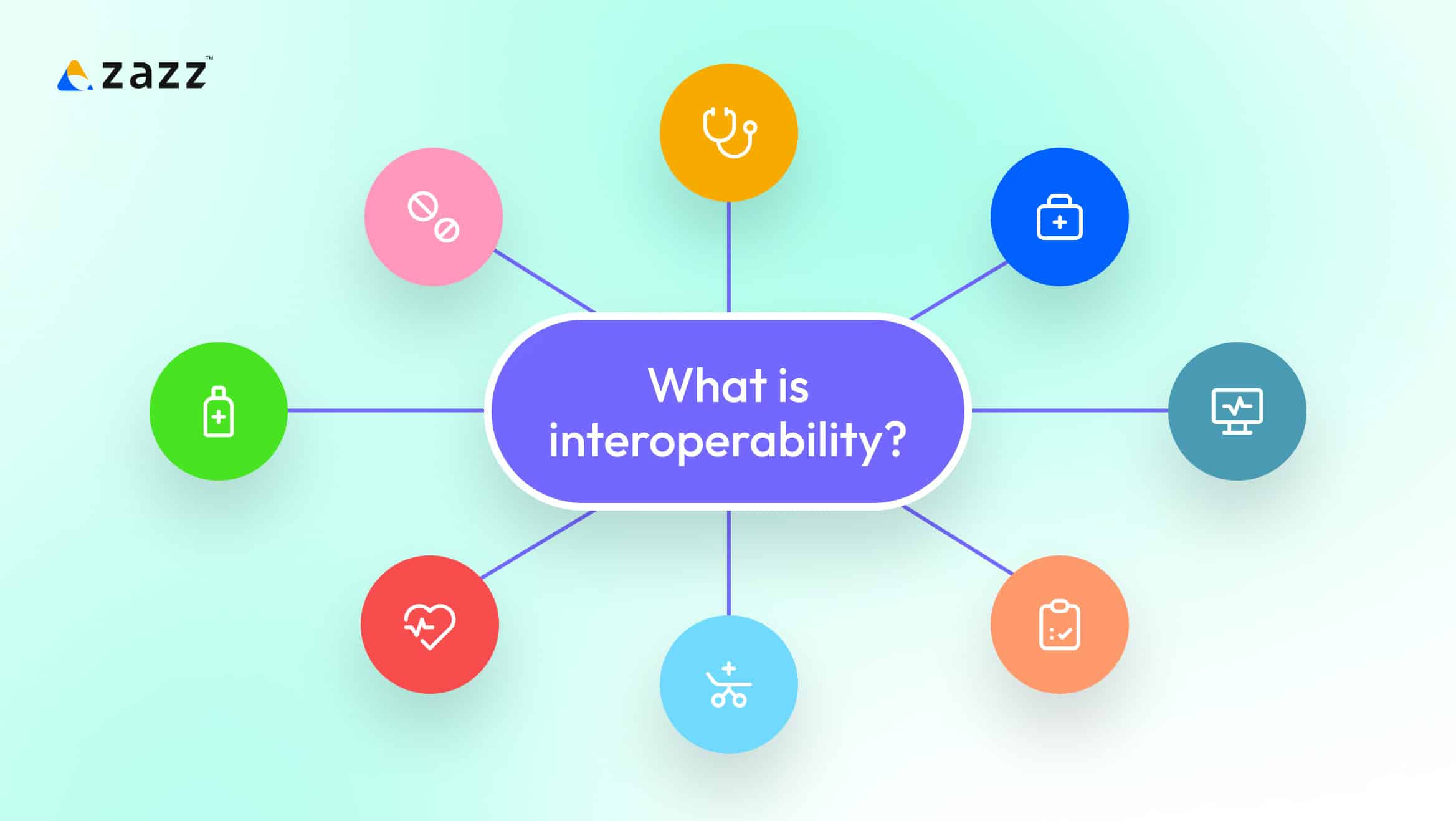
- Interoperability Standards: Open protocols like W3C VC Data Model and DID specs enable portable credentials across wallets, preventing vendor lock-in as in EUDI Wallet initiatives.
Unlocking True Control Through Credential Exchange
The magic of SSI lies in credential exchange: issuers create creds, you store them in your wallet, verifiers check them without seeing extras. PET Symposium's SoK dubs this the heart of SSI. Chainlink explains zero-knowledge identity verifies onchain data sans sensitive reveals. Dock Labs adds zk proofs enable selective disclosure- prove you're over 21 without your birthdate.
Strategically, this means one-time KYC reusable across Web3. No endless verifications. Adnovum sees SSI reclaiming data control, a forward concept impacting everything from banking to voting. I've advised clients on tokenizing assets; imagine tokenizing your credentials similarly for fluid trades in DID ecosystems. Portable means strategy: test wallets, switch for better features, always own your keys.
"Self-Sovereign Identity (SSI) is a decentralized model born from the success of Distributed Ledgers, giving individuals full control. " - arXiv on EUDI Wallet Credentials
This control scales. Organizations benefit too- lower fraud, faster onboarding. For you, the enthusiast or dev, it's relatable freedom. Tired of Big Tech deciding your privacy? SSI wallets deliver. As Europe's initiatives show, portability isn't future; it's now, transforming flexibility.
ZK Proofs: The Backbone of Privacy in SSI Wallets
Dive deeper into zk proofs decentralized identity. These cryptographic wonders let you prove claims without the data. Wallet says, "Yes, this credential matches, " verifier nods, done. No leaks. Chainlink and Dock Labs emphasize this unlocks privacy-preserving apps onchain. For SSI, it means wielding self-sovereign identity control confidently.
Relatably, think job applications: share degree without full transcript. Or DeFi loans: prove income range sans bank statements. Portable credentials make it ubiquitous. 2026's interoperability focus ensures your zk-enabled wallet plays nice everywhere. It's opinionated tech- centralization's days are numbered when users strategize their own sovereignty.
Practically speaking, these tools reshape everyday interactions. Logging into a Web3 dapp? Flash your portable credential once, done. Crossing borders digitally? Europe's EUDI Wallet envisions continent-spanning access with SSI compliance, as arXiv details. Developers, integrate DIDs into your apps for frictionless onboarding. Privacy advocates, celebrate selective disclosure that starves data brokers.
Portable Credentials: The Game-Changer for SSI DID Wallets
Here's where portable credentials SSI shine brightest. Unlike siloed apps, these credentials travel with you across wallets and ecosystems. Trinsic's basics highlight storage for verifiable creds, shareable securely. Recent collaborations, like Trinsic with Main Incubator GmbH and esatus AG, prove wallet portability works- export, import, no data loss. This ends vendor lock-in, a strategic must for long-term control.
Opinionated take: if you're building or using Web3, demand portability. It's not optional; it's table stakes. SSI DID wallets adhering to standards like those in the updated 2026 context let you swap providers seamlessly. Imagine testing a zk-heavy wallet for DeFi, then switching to one optimized for enterprise creds. Your identity stays yours, fluid and adaptable.
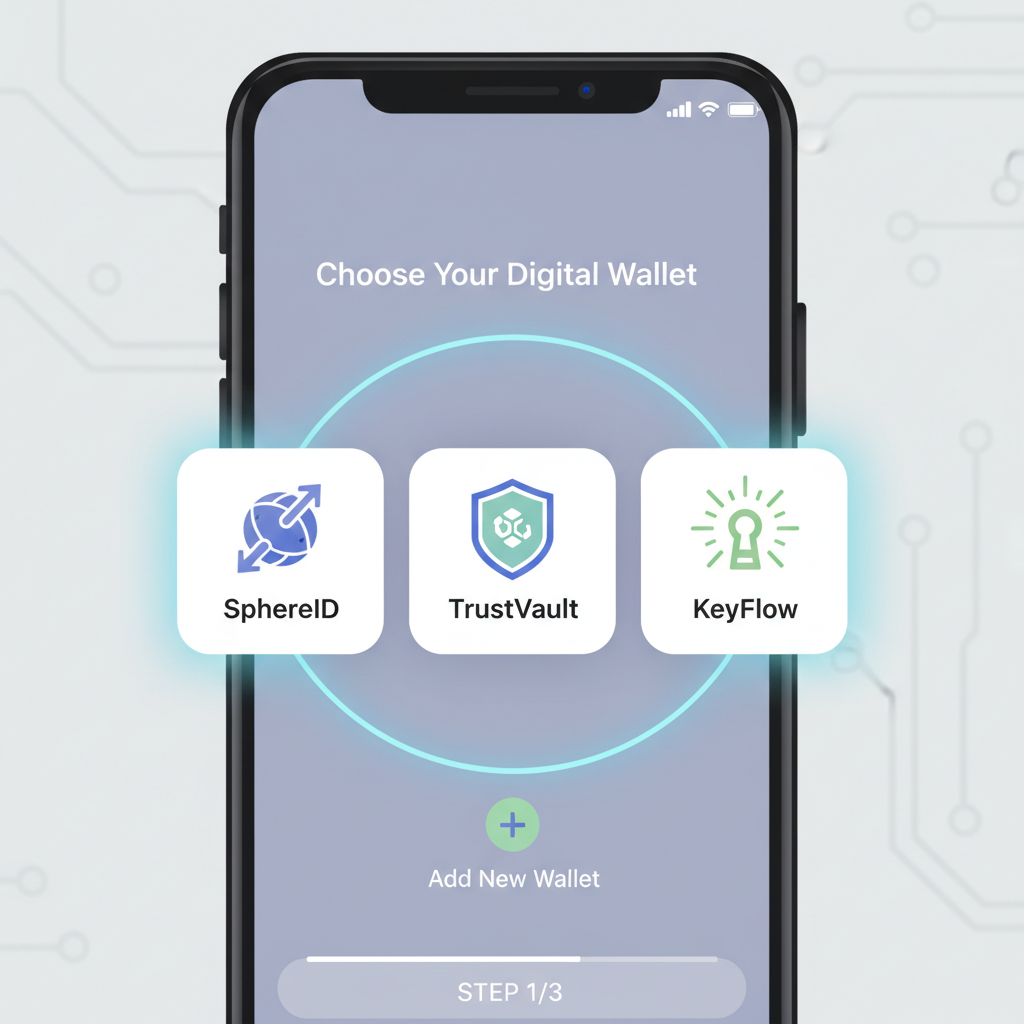
Unlock SSI Control: Set Up & Transfer Your Portable Wallet in 5 Easy Steps
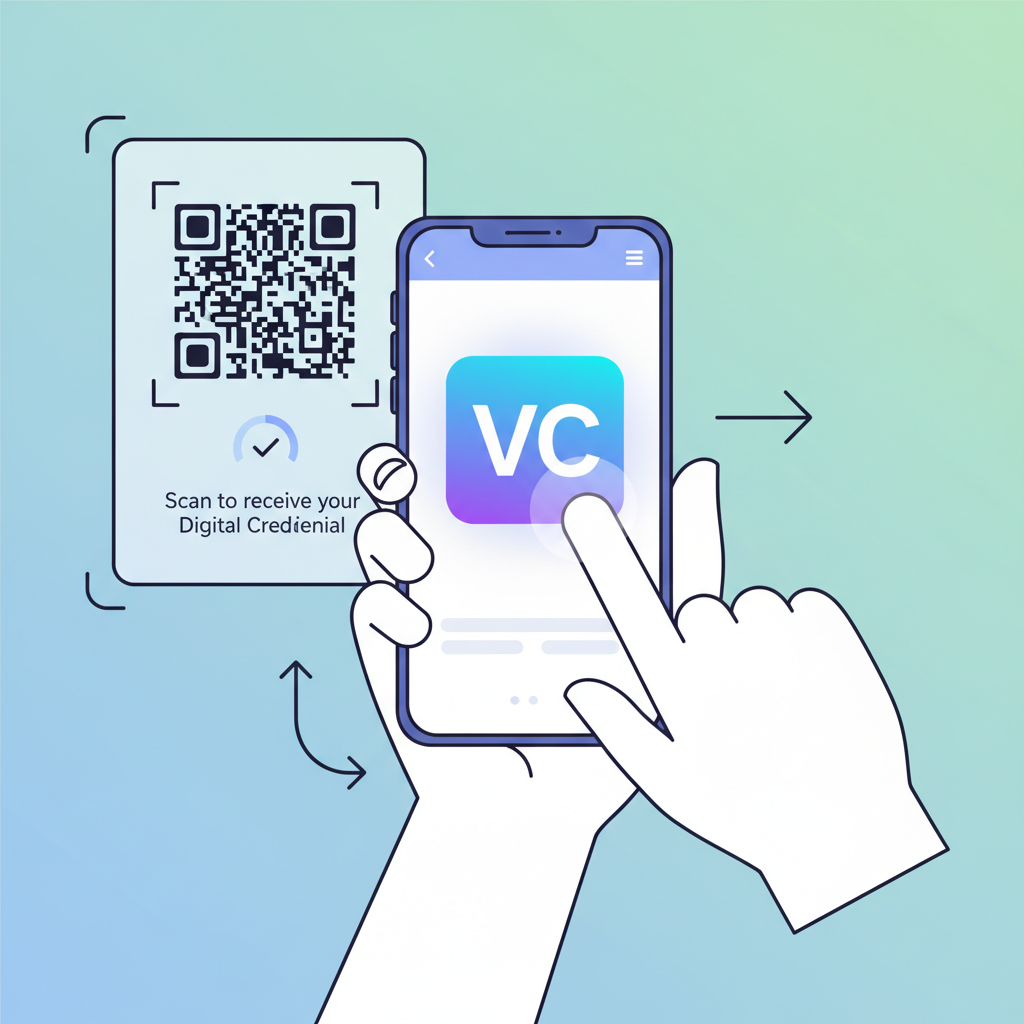
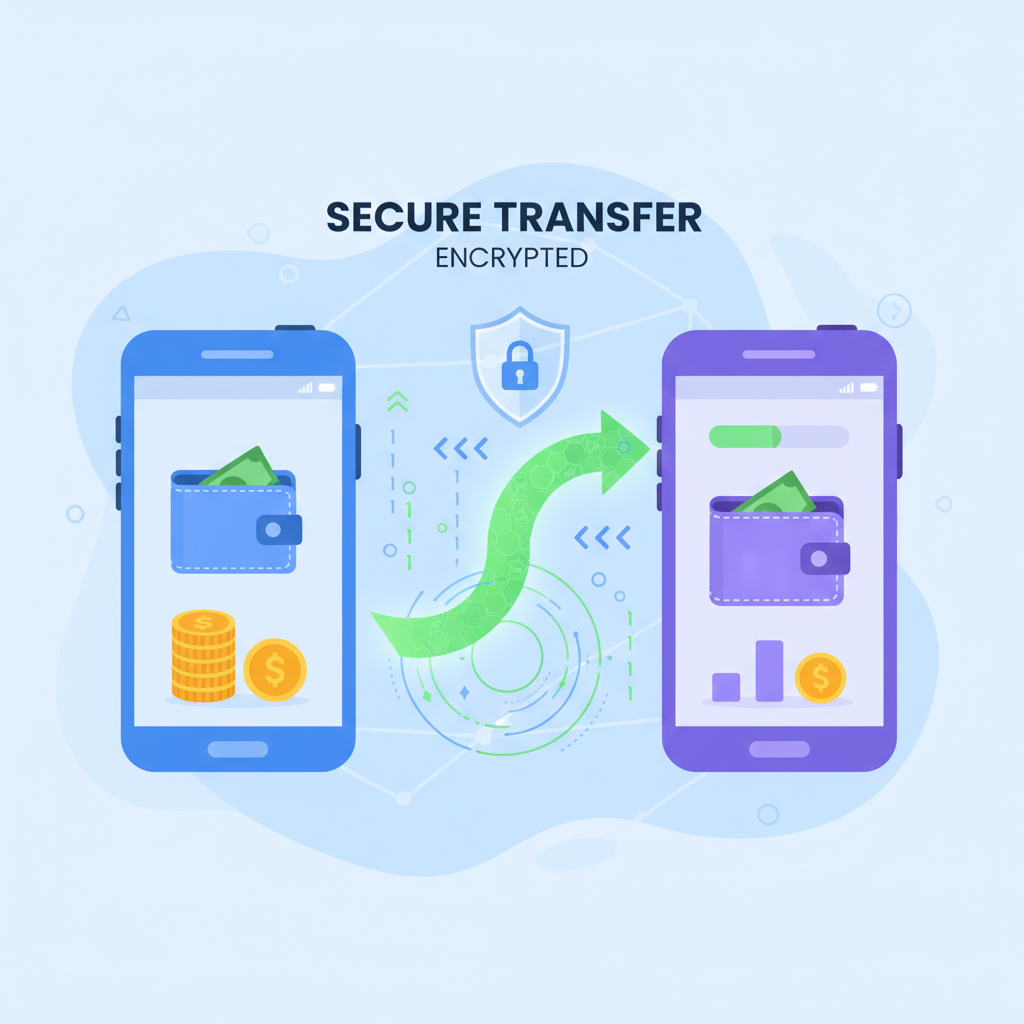
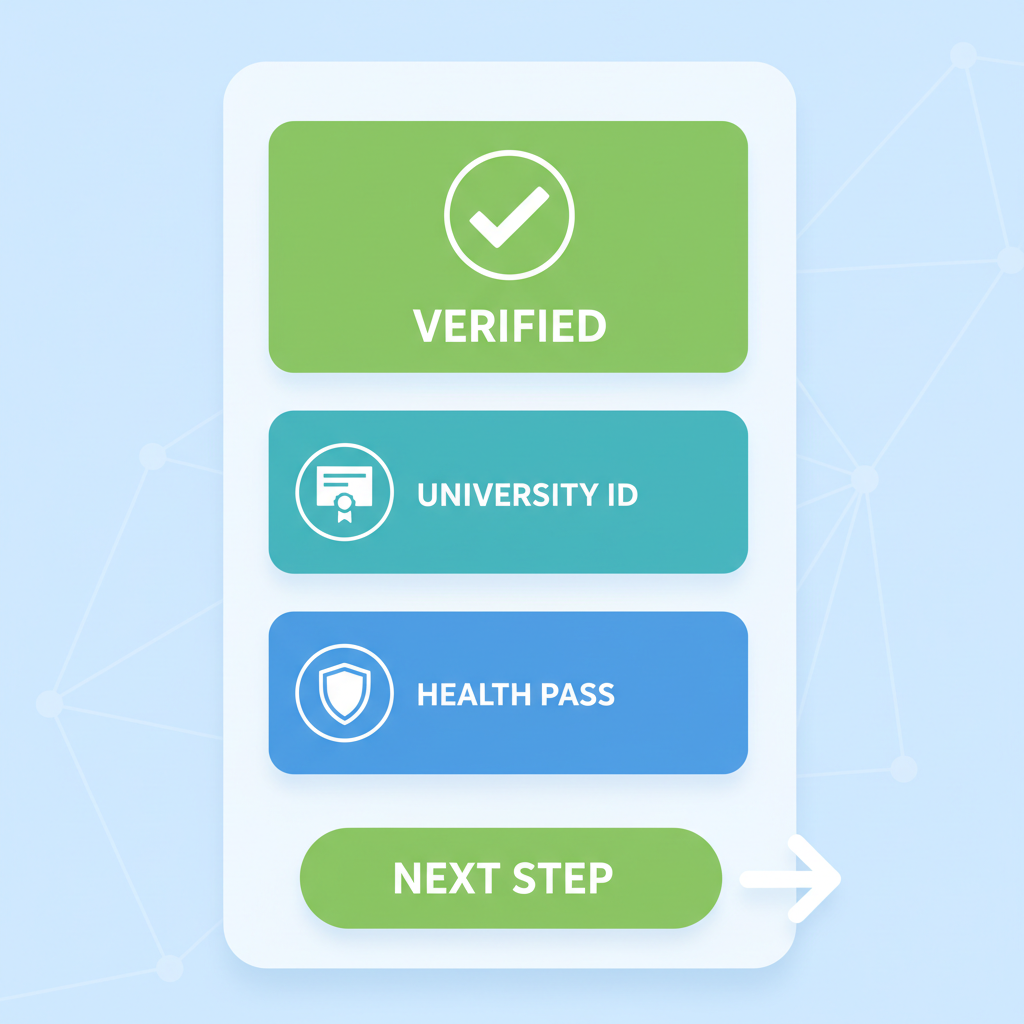
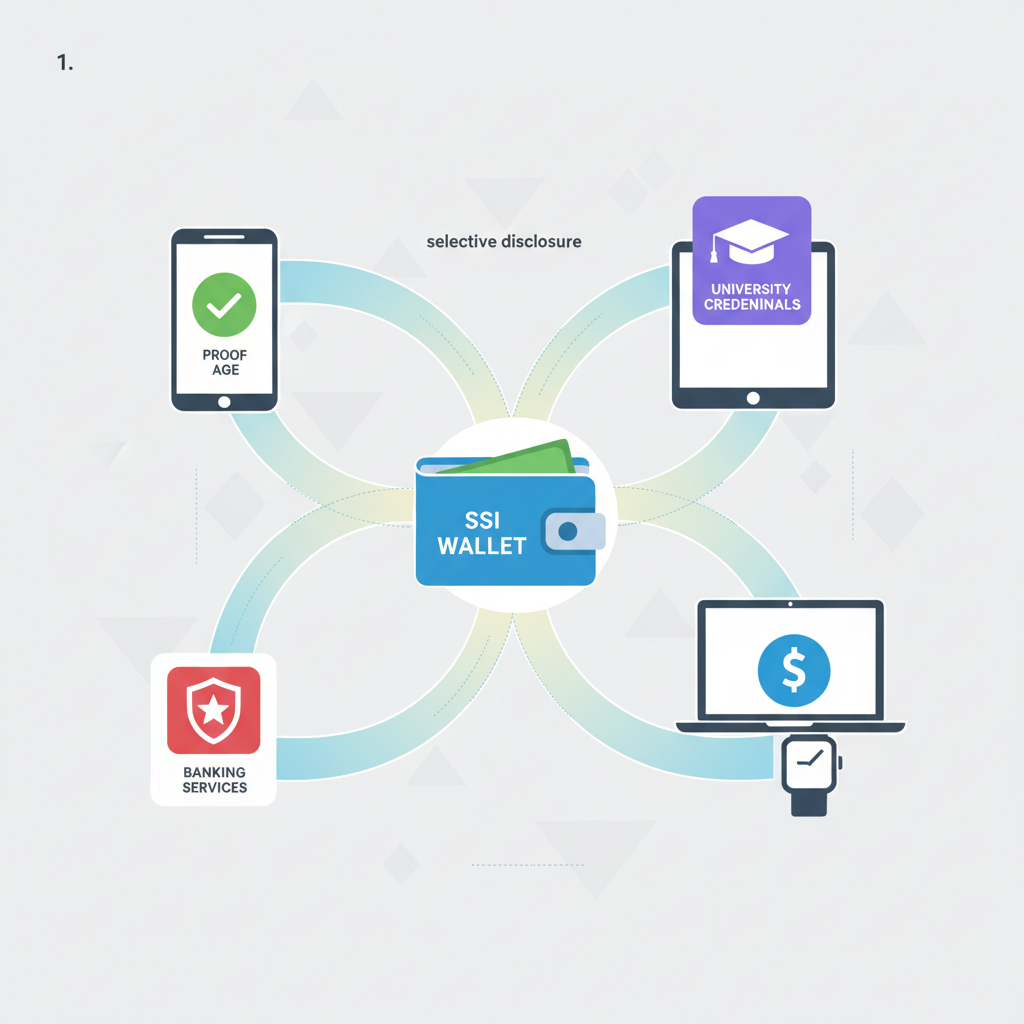
Organizations feel the ripple too. Faster KYC, reduced fraud via tamper-proof creds. Blockchain enthusiasts, layer zk proofs for onchain verifications without exposure. It's relatable evolution- from password hell to sovereign simplicity.
Real-World Impact: SSI in Action Today
Picture this: a freelancer proves work history to clients without emailing PDFs. A voter confirms eligibility anonymously. Banks issue digital licenses revokable on loss. Adnovum maps how SSI impacts sectors, from finance to governance. Chainlink's zero-knowledge identity fits perfectly, verifying onchain without oversharing.
Europe leads with EUDI, blending SSI for cross-border services. Users control sharing duration- temporary access only. NIH's review confirms user-centric models work. Strategically, pair with DID tokenization; I've seen parallels in options where liquidity unlocks value. Tokenize credentials? Fluid markets await.
Challenges exist- adoption lags, standards evolve. Yet, momentum builds. PET Symposium questions trust in SSI; solutions emerge via audited protocols. For you, start small: download a compliant wallet, collect a cred, test portability.
Strategic Steps to Embrace Self-Sovereign Identity Control
Ready to strategize? Prioritize wallets with zk support and interoperability. Vet issuers for standards compliance. Revoke unused creds regularly. As cheqd centers user control, make it habit. In Web3, this means reusable verifications, cutting onboarding friction.
Relatably, it's like upgrading from a leaky bucket to a fortified vault. No more data spills. Portable means freedom- travel, switch jobs, enter new ecosystems unhindered. 2026's advances solidify this; interoperability isn't niche, it's norm.
Ultimately, SSI wallets deliver the true meaning of control. You decide disclosures, own your narrative. From devs crafting dapps to everyday users dodging breaches, portable credentials SSI empower strategically. Dive in, claim your sovereignty- the blockchain future rewards the prepared.



No comments yet. Be the first to share your thoughts!