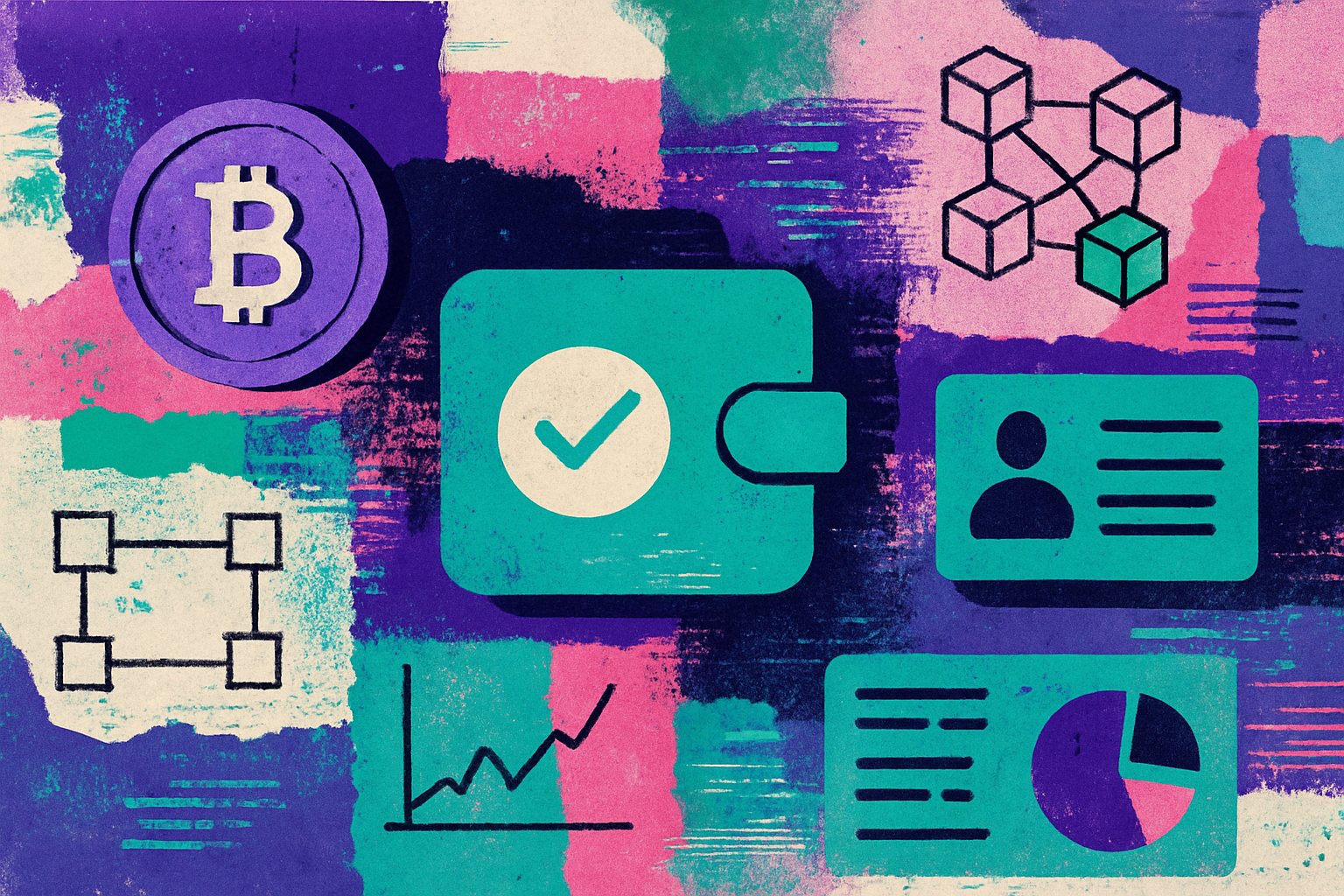
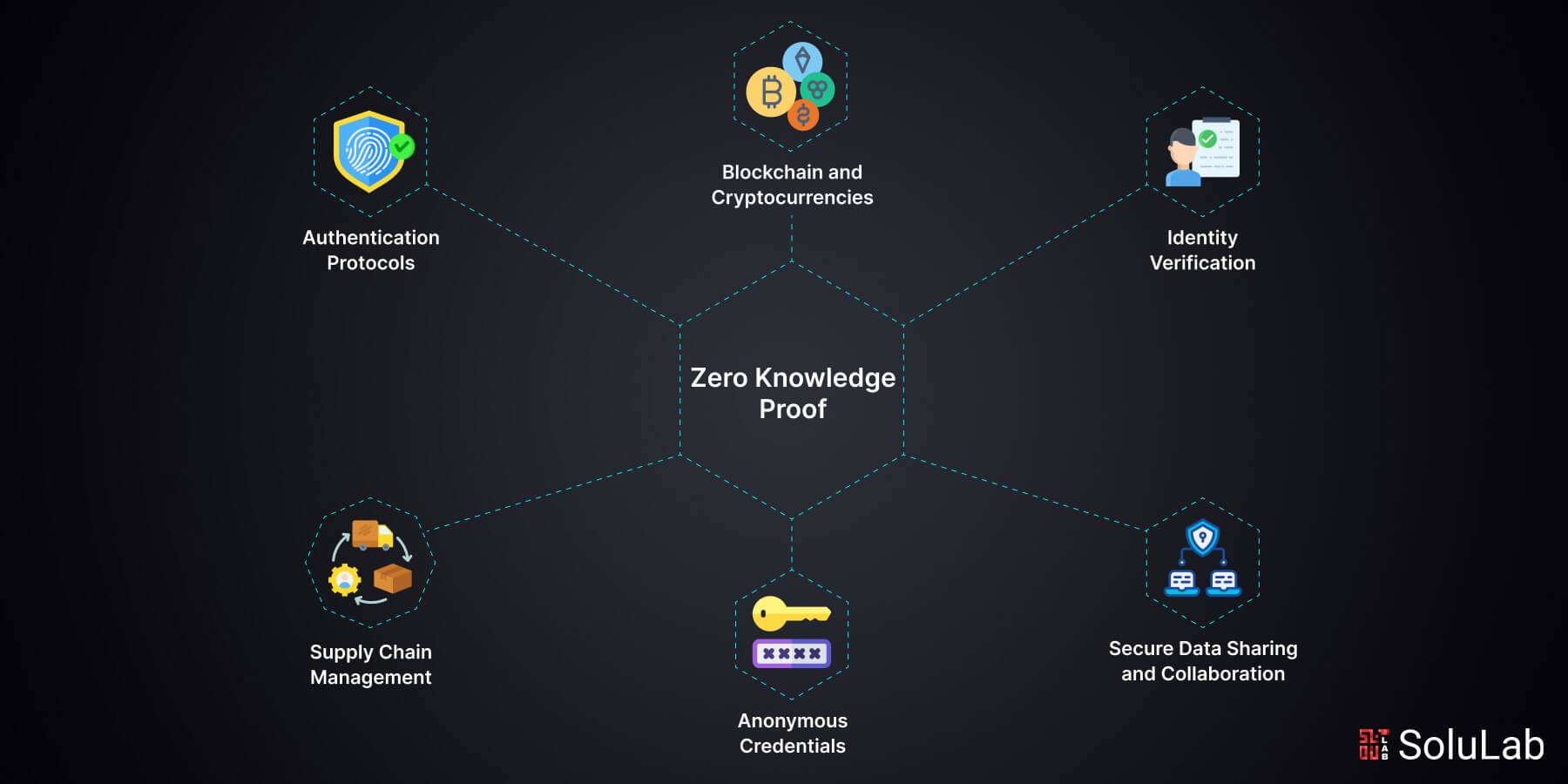
Zero-knowledge proofs (ZKPs) are rapidly redefining the privacy landscape within decentralized identity wallets. As digital identity becomes integral to how we interact online, the need for robust privacy measures has never been more urgent. ZKPs offer a compelling solution: they allow users to prove statements about their identity, such as age, citizenship, or credentials, without exposing any underlying personal data. This is a game-changer for anyone concerned with privacy in digital identity wallets.
What Are Zero-Knowledge Proofs and Why Do They Matter?
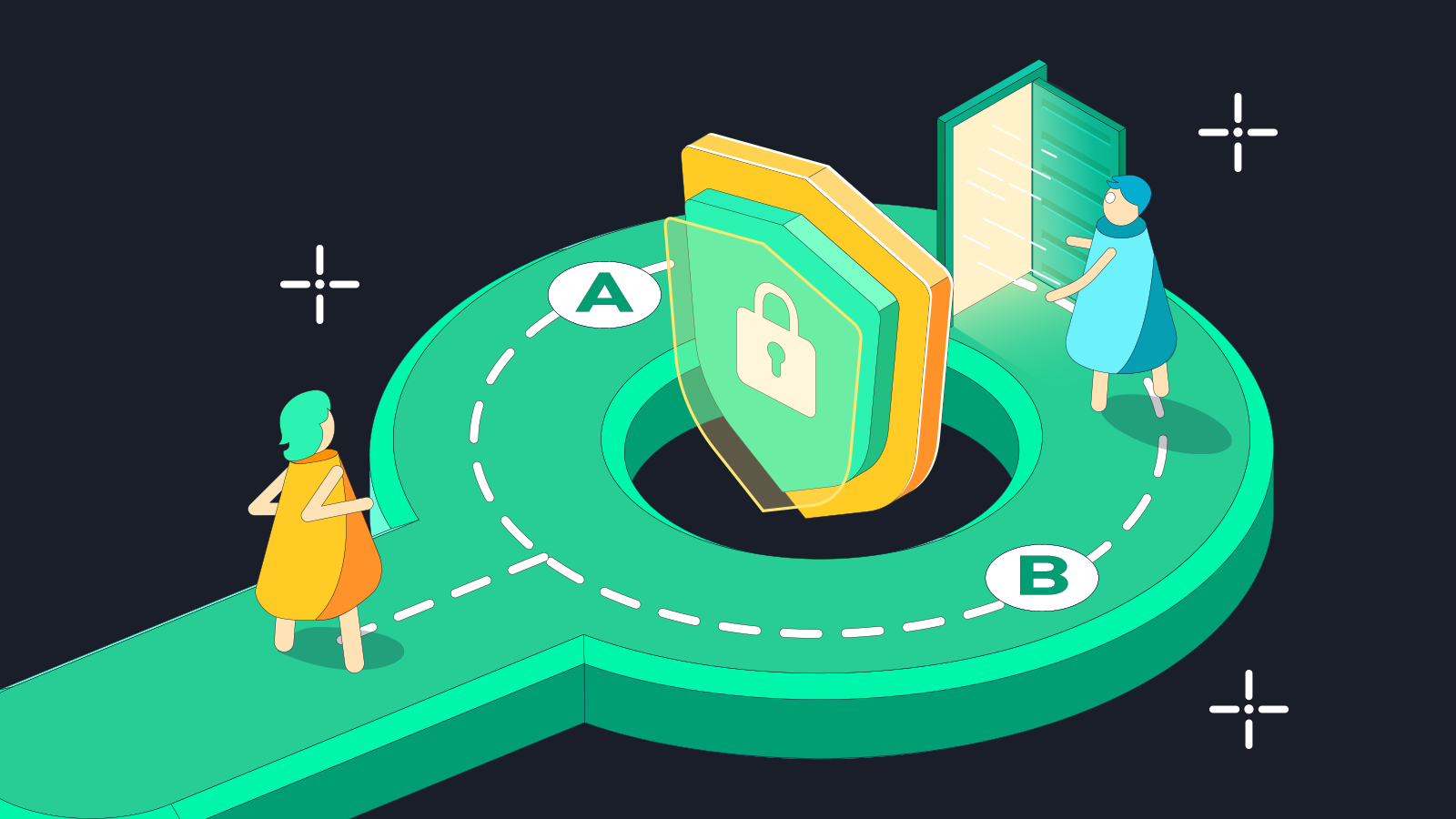
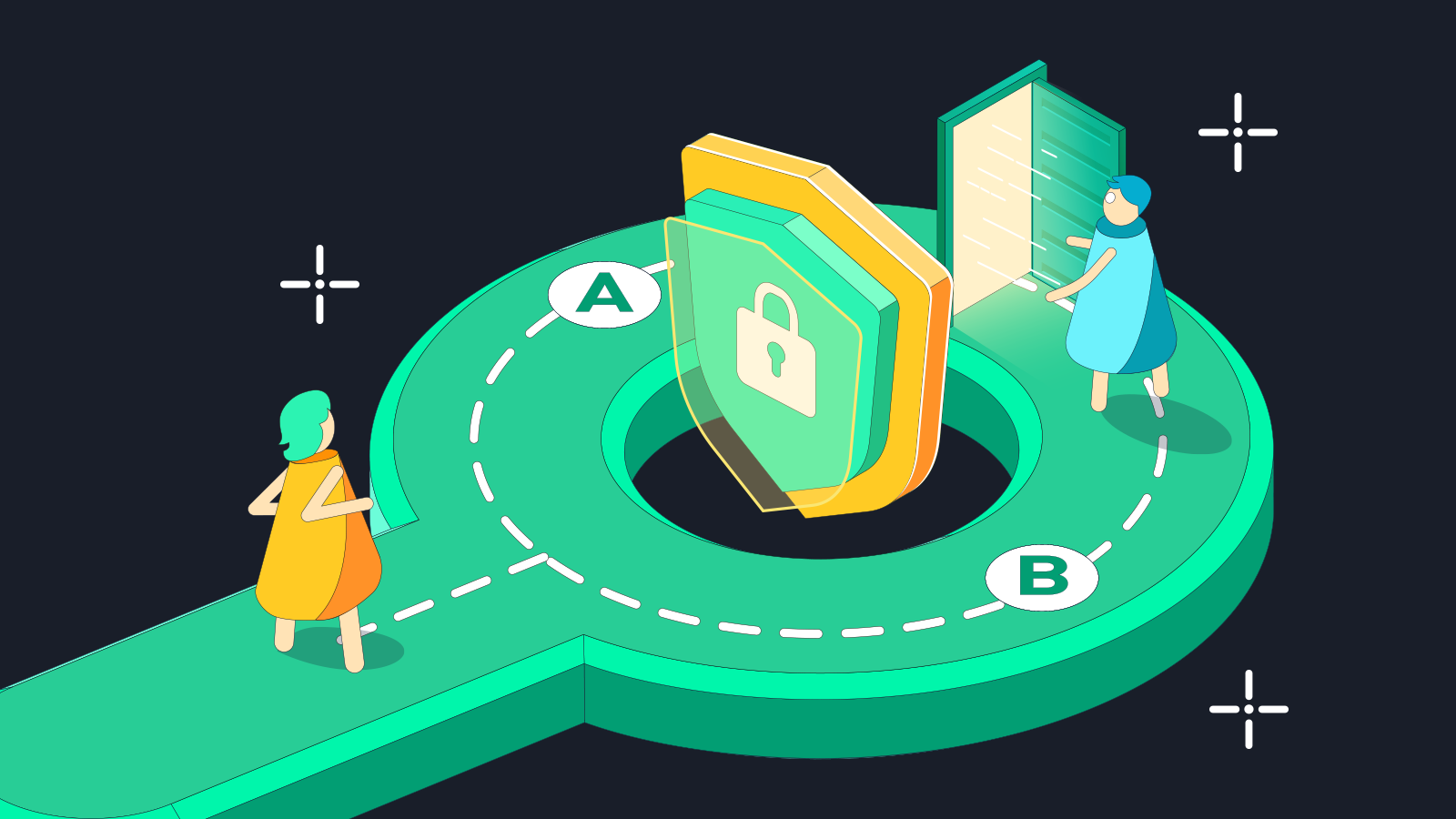
At their core, zero-knowledge proofs are cryptographic protocols that enable one party (the prover) to convince another party (the verifier) that a particular statement is true, without revealing any information beyond the validity of that statement. In the context of zkp decentralized identity, this means you can demonstrate you meet certain requirements, like being over 18 or holding a valid membership, without sharing your birthdate or membership number.
This breakthrough is particularly relevant in an era where data breaches and digital surveillance are rampant. Traditional verification systems often require users to hand over sensitive documents, which then become vulnerable to leaks and unauthorized access. ZKPs help sidestep these risks entirely by minimizing what gets shared in the first place.
Selective Disclosure: The Key to Privacy in Digital Identity Wallets
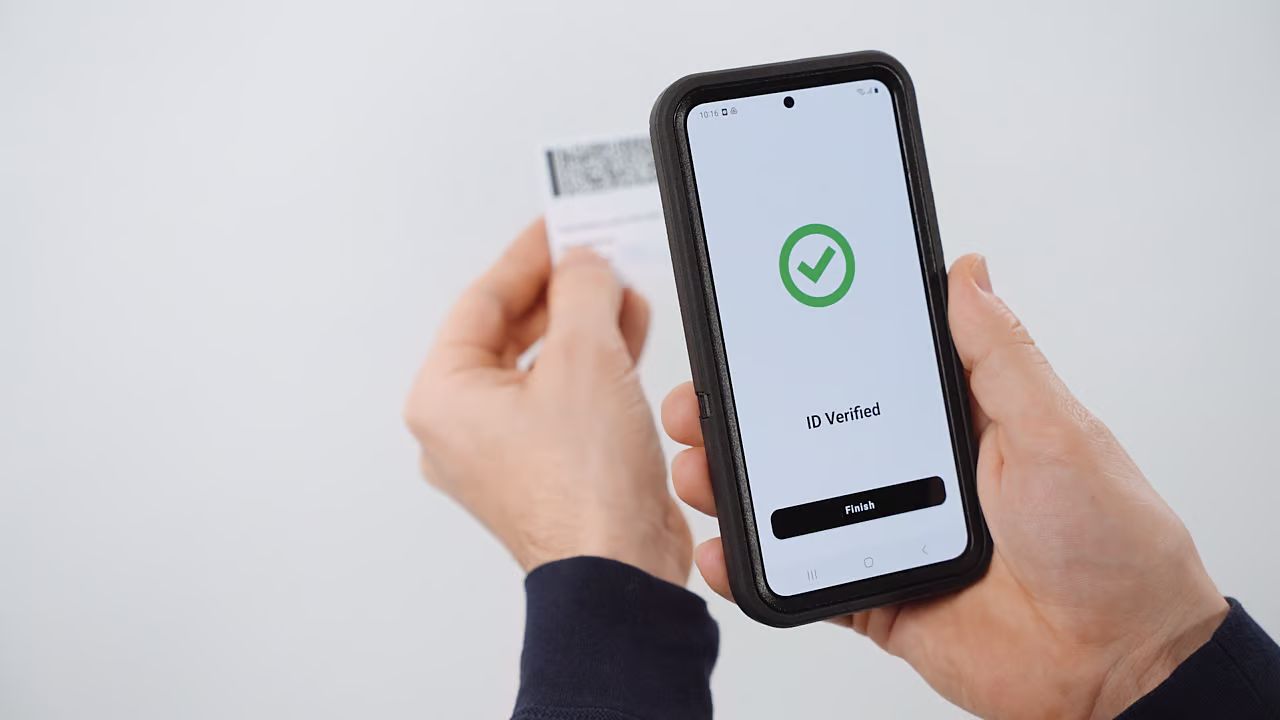
One of the most powerful features enabled by ZKPs is selective disclosure. Rather than giving organizations access to your entire profile, you can reveal only what’s strictly necessary for any given interaction. For instance, when accessing an age-restricted service, a zk identity wallet can confirm your eligibility without exposing your full date of birth or name.
This selective approach sharply reduces the attack surface for hackers and drastically limits opportunities for data misuse. It also puts users firmly in control of their own information, a foundational principle of secure self-sovereign identity solutions.
Real-World Use Cases: From KYC Compliance to Everyday Access
The practical applications for zero-knowledge proofs in identity wallets are expanding quickly. Projects like Polygon ID have already integrated ZKPs into their frameworks, enabling frictionless Know Your Customer (KYC) compliance without compromising personal privacy. Instead of uploading scans of passports or driver’s licenses, users can prove they meet regulatory requirements with cryptographic certainty, and nothing more.
This model is not limited to finance or crypto platforms; it’s equally useful for accessing online communities, voting systems, healthcare portals, and any scenario where proof-of-eligibility is required but oversharing is risky.
If you’re interested in technical deep-dives or want to see more real-world examples, our comprehensive guide on how zero-knowledge proofs enhance privacy in decentralized identity wallets offers additional insights and resources.
Looking ahead, the adoption of ZKPs in digital identity wallets is poised to accelerate as regulatory frameworks evolve and user expectations for privacy intensify. The ability to prove eligibility or compliance without surrendering personal data is not just a technical achievement, it’s a paradigm shift in how trust is established online. By leveraging ZKPs, decentralized identity solutions can offer frictionless user experiences while upholding stringent privacy standards.
The User Experience: Empowerment Without Compromise
For end users, the impact of zk identity wallet use cases is profound. Imagine signing up for a new service or accessing government benefits without filling out endless forms or sharing sensitive documents. With ZKP-powered wallets, users maintain sovereignty over their credentials, granting access only when and where they choose. This reduces the risk of identity theft, streamlines onboarding processes, and fosters greater confidence in digital interactions.
Top Zero-Knowledge Proof Use Cases in Identity Wallets
- Selective Age Verification: With ZKPs, users can prove they are over a certain age (e.g., 18+) to access age-restricted services without revealing their exact birthdate or other personal details. This minimizes data exposure and enhances privacy.
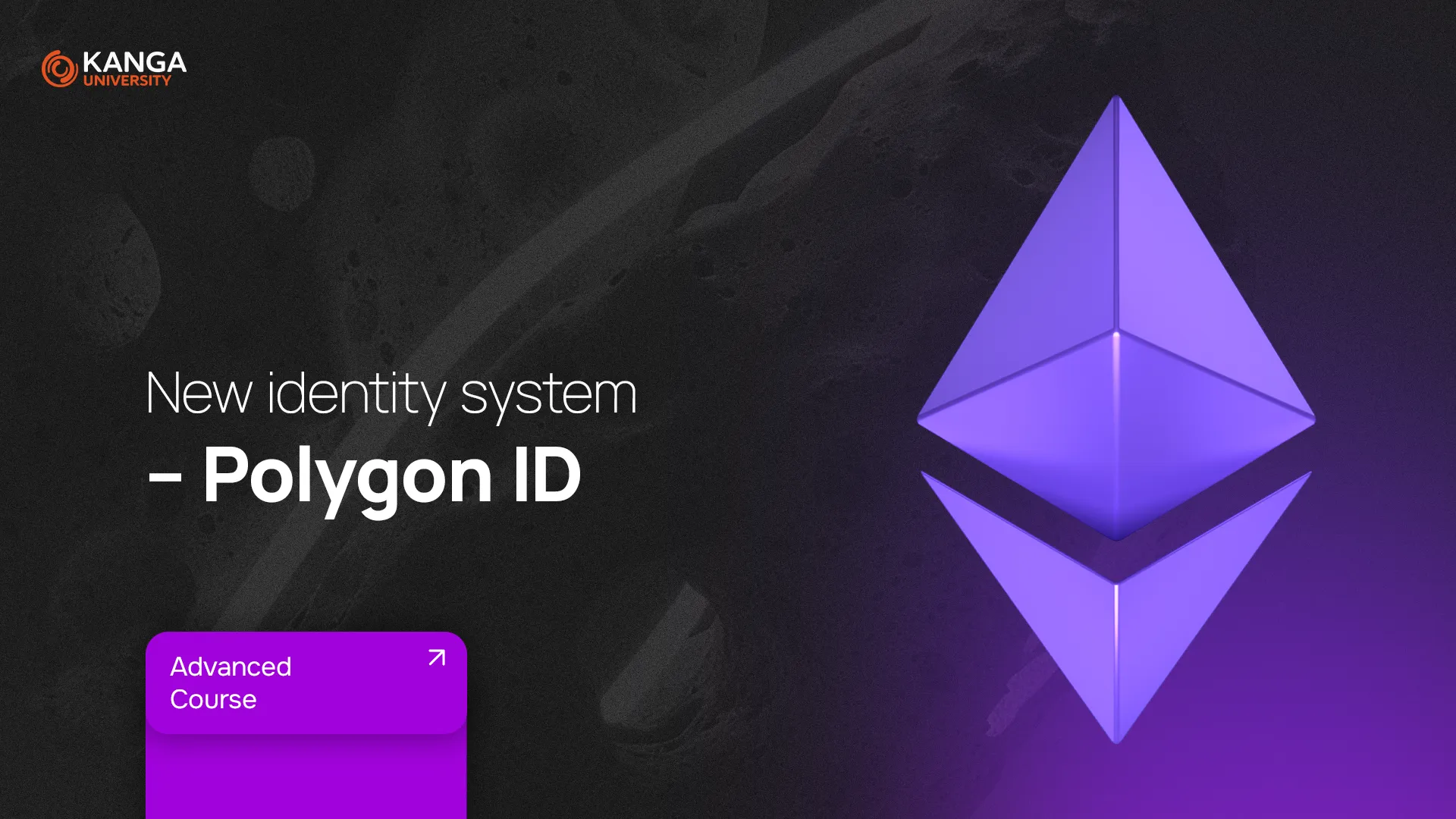
- Self-Sovereign Identity (SSI) Platforms: Solutions like Polygon ID utilize ZKPs to allow users to manage and verify credentials (such as citizenship or education) without exposing sensitive data to third parties.
- Privacy-Preserving KYC Compliance: ZKPs enable users to prove compliance with Know Your Customer (KYC) regulations—such as residency or anti-money laundering checks—without disclosing their full identity. This is increasingly used by platforms like Onchain Passport.
- Anonymous Voting & Governance: Decentralized identity wallets leverage ZKPs to verify voter eligibility and ensure one-person-one-vote in DAOs and online elections, while keeping individual votes private.
- Access Control for Online Services: Platforms can use ZKPs to grant users access to online services (such as forums or content platforms) by verifying membership or subscription status without revealing user identities.
- Decentralized Finance (DeFi) Credit Scoring: ZKPs allow users to prove creditworthiness or loan eligibility in DeFi platforms without exposing their entire financial history, supporting privacy-first lending protocols.
- Cross-Border Identity Verification: ZKPs facilitate secure international identity checks for travel and compliance, letting users prove citizenship or visa status without sharing full documents.
- Healthcare Data Sharing: Users can prove health credentials (such as vaccination status) to providers or employers using ZKPs, without revealing full medical records.
- Employment & Education Credentialing: ZKPs empower users to prove employment history or academic degrees to employers or institutions, without exposing unrelated personal data.

- Tax Filing & Financial Disclosure: ZKPs can be used to prove tax compliance or income brackets to authorities or financial institutions without disclosing exact earnings or sensitive financial details.
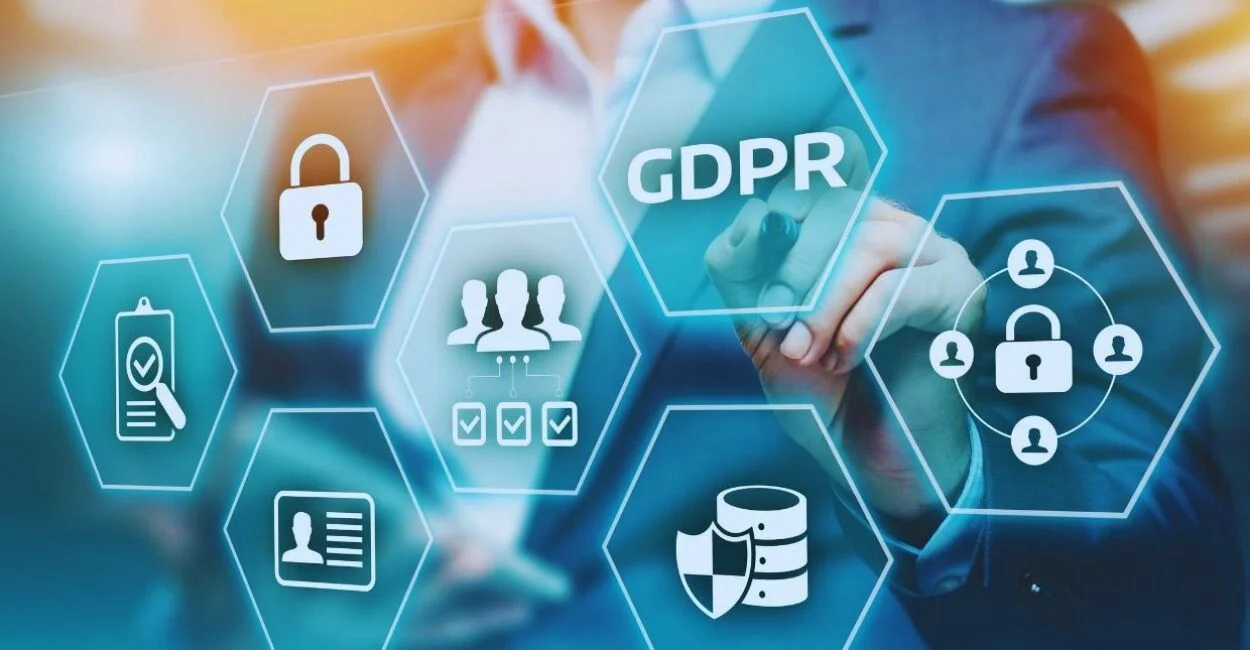
Organizations also benefit from this shift. By handling less raw personal data, companies lower their liability and compliance burdens. Regulatory requirements like GDPR are easier to meet when systems are architected around minimal data exposure by design. This not only protects users but also builds brand trust and resilience against evolving cyber threats.
Challenges and the Road Ahead
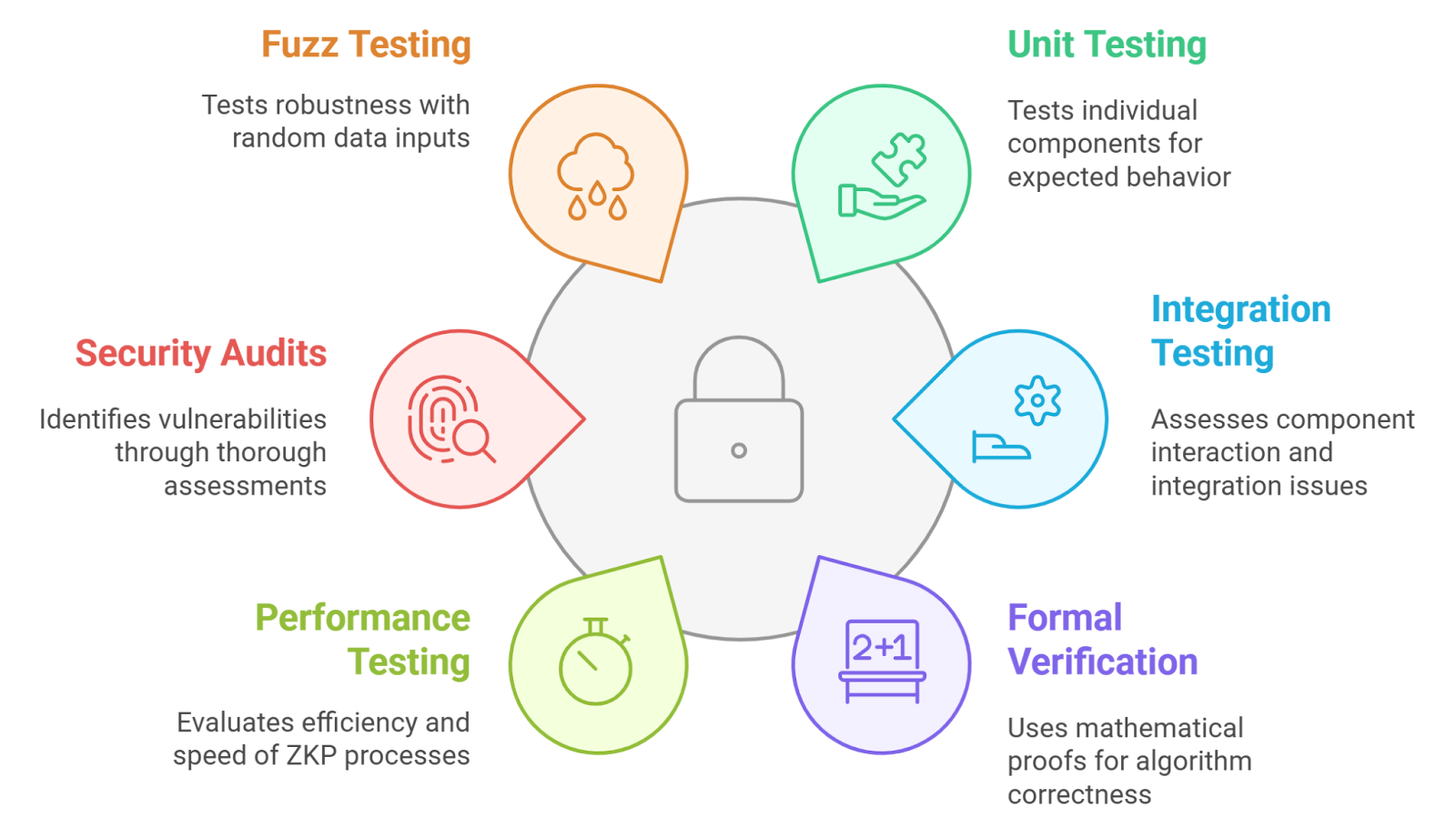
Despite their promise, integrating zero-knowledge proofs into mainstream identity systems presents challenges. Technical complexity, interoperability between different wallet providers, and educating both developers and end-users about the technology are all hurdles that must be addressed. However, ongoing innovation, especially from open-source communities, continues to lower these barriers.
As more projects adopt ZKP standards and as toolkits become more user-friendly, we expect to see broader adoption across sectors ranging from finance to healthcare to social media. The future of privacy in digital identity wallets will likely hinge on these advancements.
If you want to explore this topic further or stay up-to-date with the latest developments, check our detailed resources on how zero-knowledge proofs enhance privacy in decentralized identity wallets. As zero-knowledge technology matures, it will continue redefining what’s possible for secure self-sovereign identity, empowering individuals everywhere to take control of their digital presence without compromise.


No comments yet. Be the first to share your thoughts!