Imagine verifying your age, nationality, or even your credentials online without ever revealing a single piece of sensitive information. This is no longer science fiction - it’s the reality being delivered by zero-knowledge proofs (ZKPs) in decentralized identity wallets. As privacy concerns skyrocket and traditional digital ID systems face mounting scrutiny, ZKPs are emerging as the cryptographic backbone for a new era of privacy-preserving, self-sovereign identity.
What Are Zero-Knowledge Proofs and Why Do They Matter?
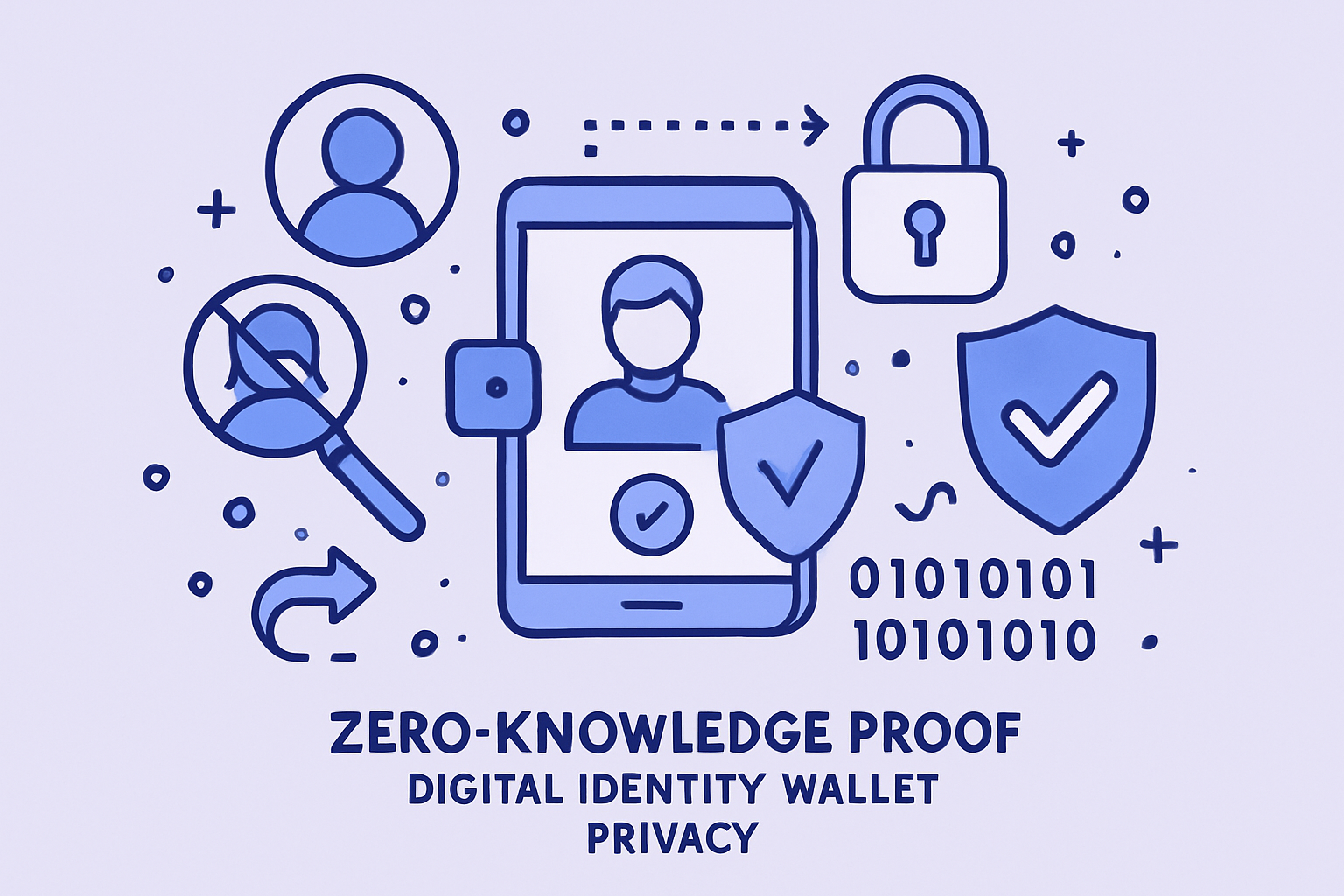
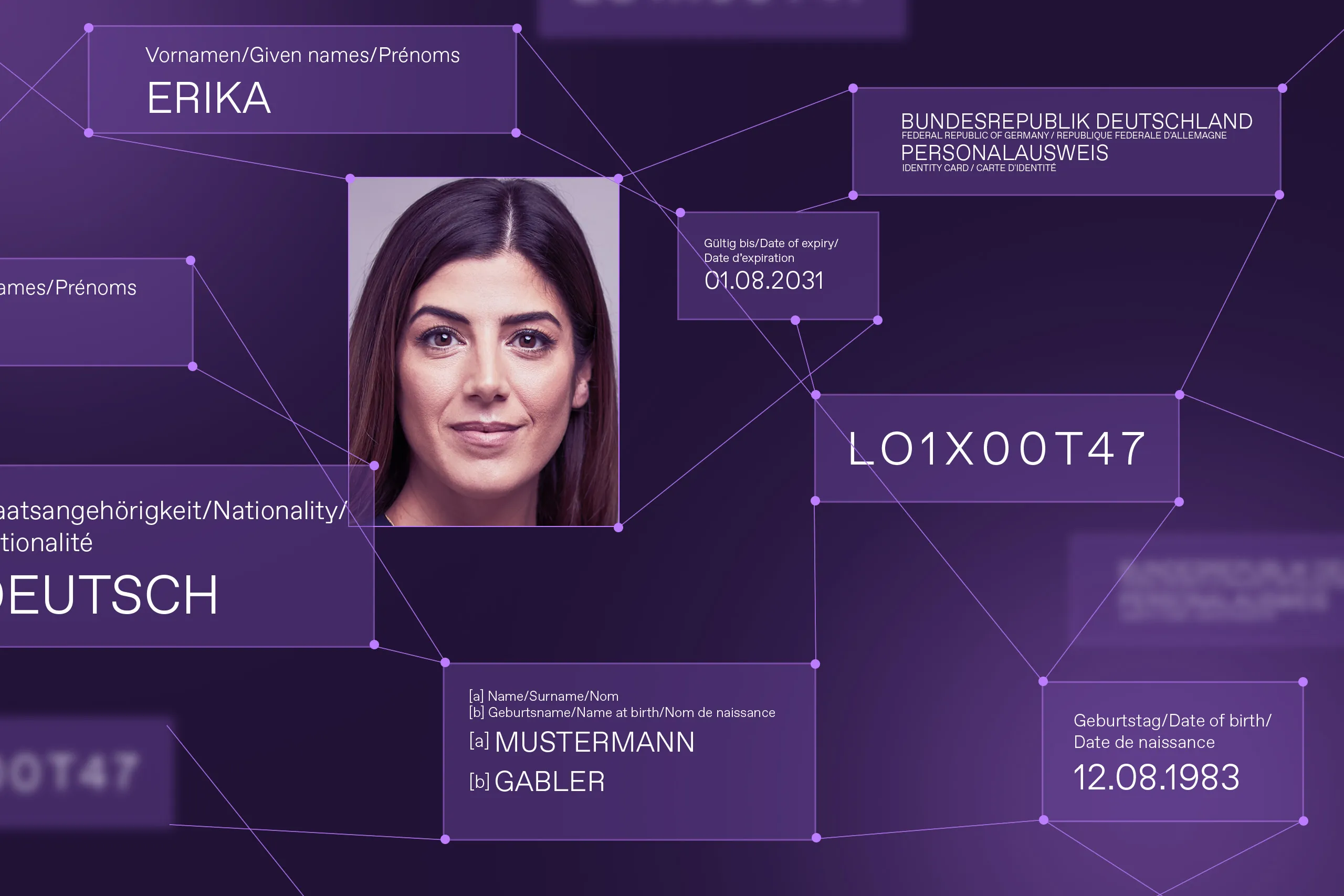
At their core, zero-knowledge proofs are ingenious cryptographic protocols that allow one party (the prover) to demonstrate to another party (the verifier) that a statement is true - without exposing any of the underlying data. For example, you can prove you’re over 18 without sharing your exact birthdate or government ID number. This selective disclosure is a game-changer for digital identity in Web3, where users demand both security and privacy.
ZKPs are not just about hiding information. They empower users with true control over their digital identities, aligning perfectly with self-sovereign principles. In decentralized identity wallets powered by ZKPs, users can:
- Prove eligibility for services (like age-based access) without oversharing
- Minimize risks of data breaches and leaks
- Avoid correlating activities across apps or platforms
- Comply with privacy regulations by default
The result? A radical reduction in unnecessary data exposure - and a future where your online persona is both portable and private.
The Privacy Revolution: How ZK Identity Wallets Work
Let’s break down how zk identity wallets leverage zero-knowledge technology to deliver on the dream of privacy-first digital identity:
Key Features of zk Identity Wallets
- Selective Disclosure: Zero-knowledge proofs (ZKPs) empower users to prove specific attributes (like age or citizenship) without revealing sensitive details, minimizing data exposure and enhancing privacy.
- Decentralized Identifiers (DIDs): zk identity wallets utilize DIDs to give users control over their digital identities, enabling self-sovereign identity management without reliance on centralized authorities.
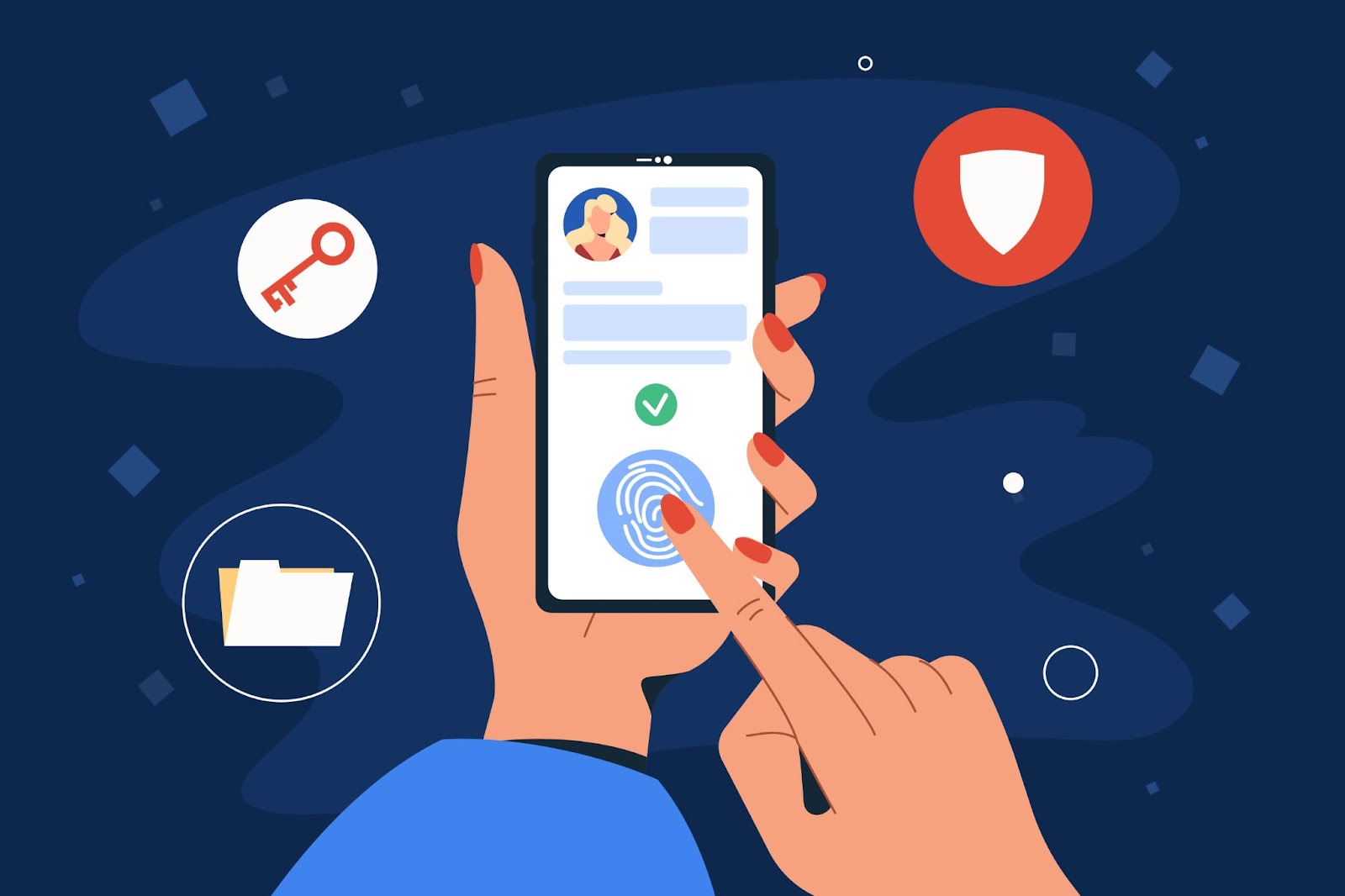
- Non-Correlation Across Platforms: By leveraging ZKPs, these wallets prevent the linking of user activities across different services, preserving anonymity and stopping cross-platform tracking.
- Integration with Leading Platforms: Solutions like Polygon ID and zkLogin use ZKPs to enable private, secure authentication for dApps and blockchains without exposing personal information.
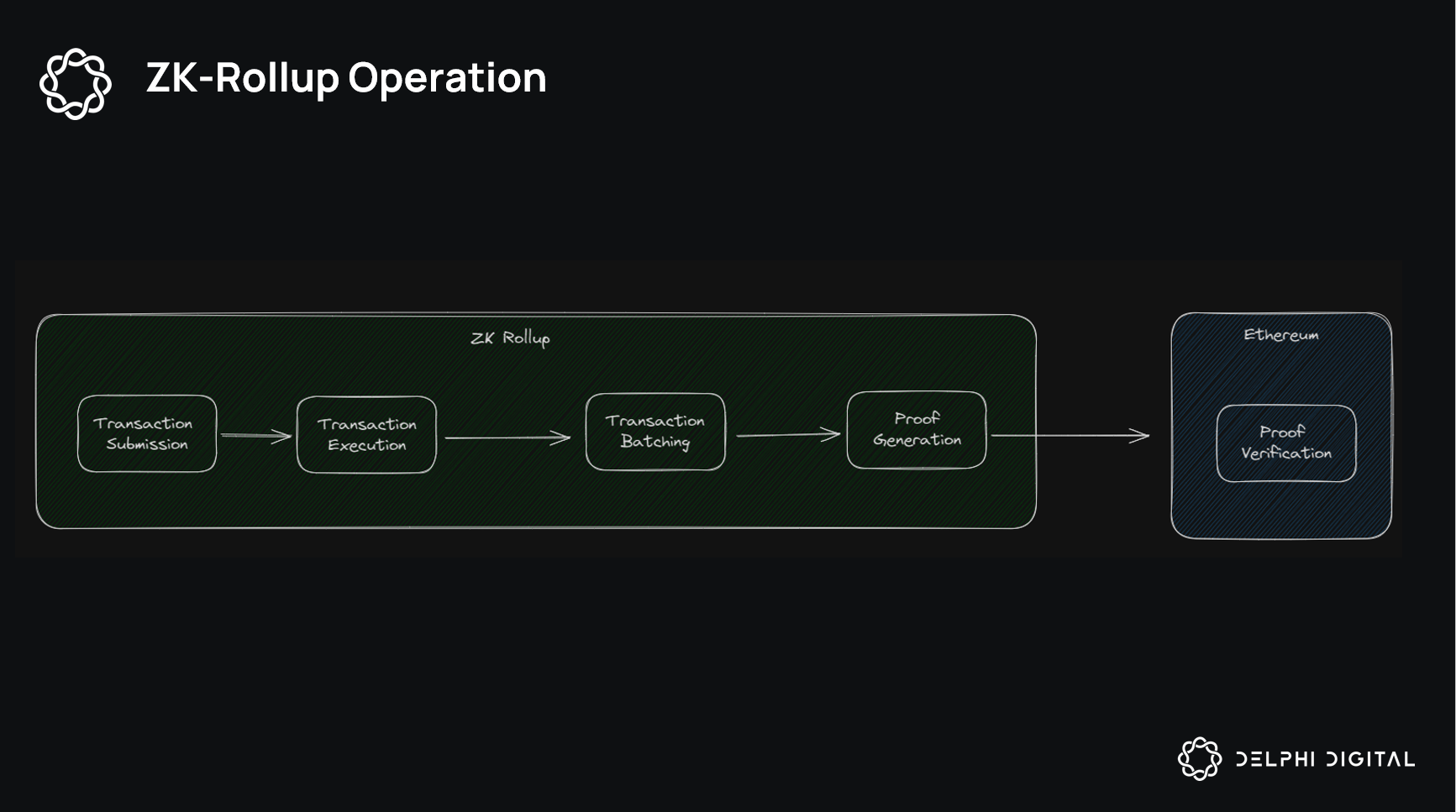
- Credential Proof Without Data Exposure: Protocols such as zkFaith allow users to prove possession of credentials (like memberships or qualifications) without disclosing the actual data, ensuring privacy during verification.
When you use a modern decentralized wallet like Polygon ID or zkLogin, you’re not just storing credentials on-chain. You’re armed with cryptographic tools that let you prove facts about yourself to dApps or DAOs - all while keeping your personal details locked away from prying eyes.
This innovation isn’t just theoretical. Platforms like Polygon ID have already rolled out live implementations where users can verify attributes for Web3 access without revealing anything more than what’s strictly necessary. The result is frictionless onboarding for DeFi, gaming, governance participation - all with uncompromised privacy.
ZKP-Powered Identity in Action: Real-World Examples
The adoption curve for ZKP-powered decentralized identity is accelerating fast. Here are some standout protocols leading the charge:
- Polygon ID: Empowers users to prove eligibility for dApps/DAOs using ZKPs and DIDs.
- zkLogin: Leverages OpenID credentials so you can authenticate on-chain without revealing sensitive info.
- zkFaith: Issues zero-knowledge IDs enabling proof-of-credentials while keeping raw data private.
This isn’t just about tech wizardry - it’s about giving real people tangible tools to take control of their digital presence. Want to dive deeper into how these protocols work? Check out our dedicated guide at How Zero-Knowledge Proofs Power Privacy in Decentralized Identity Wallets.
As this new wave of zk identity wallets matures, we’re witnessing a profound shift in how digital identity is managed, verified, and protected. The days of over-sharing personal data just to access online services are numbered. Instead, privacy-preserving KYC and frictionless onboarding are quickly becoming the norm across the Web3 ecosystem.
Beyond Hype: The Benefits for Users and Organizations
The advantages of zero-knowledge proofs in decentralized identity stretch far beyond individual privacy. For organizations, ZKPs mean streamlined compliance with data minimization regulations and reduced liability from storing sensitive user data. For users, the benefits are even more compelling:
Top User Benefits of ZKP-Powered Identity Wallets
- Maximum Privacy Protection: Zero-Knowledge Proofs (ZKPs) let users prove facts—like age or citizenship—without exposing sensitive personal data, minimizing risks of data breaches and identity theft.
- Selective Disclosure: Users can share only the information required (e.g., confirming they are over 18) instead of revealing full identity details, giving them granular control over their data.
- Reduced Data Correlation: ZKPs prevent the linking of user activities across different platforms, preserving anonymity and making it harder for third parties to track or profile individuals.
- Enhanced Security for Online Verification: By eliminating the need to transmit or store unnecessary personal information, ZKP-powered wallets significantly reduce the attack surface for hackers and fraudsters.

- User Empowerment and Self-Sovereignty: Platforms like Polygon ID and zkLogin enable individuals to control their credentials and authentication processes, supporting true self-sovereign identity.
- Frictionless Access to Services: ZKP-based wallets streamline onboarding and verification for decentralized applications (dApps) and DAOs, reducing paperwork and improving user experience.
- Compliance with Data Minimization Regulations: ZKP-powered wallets help users and organizations comply with privacy laws by ensuring only essential information is disclosed during verification.
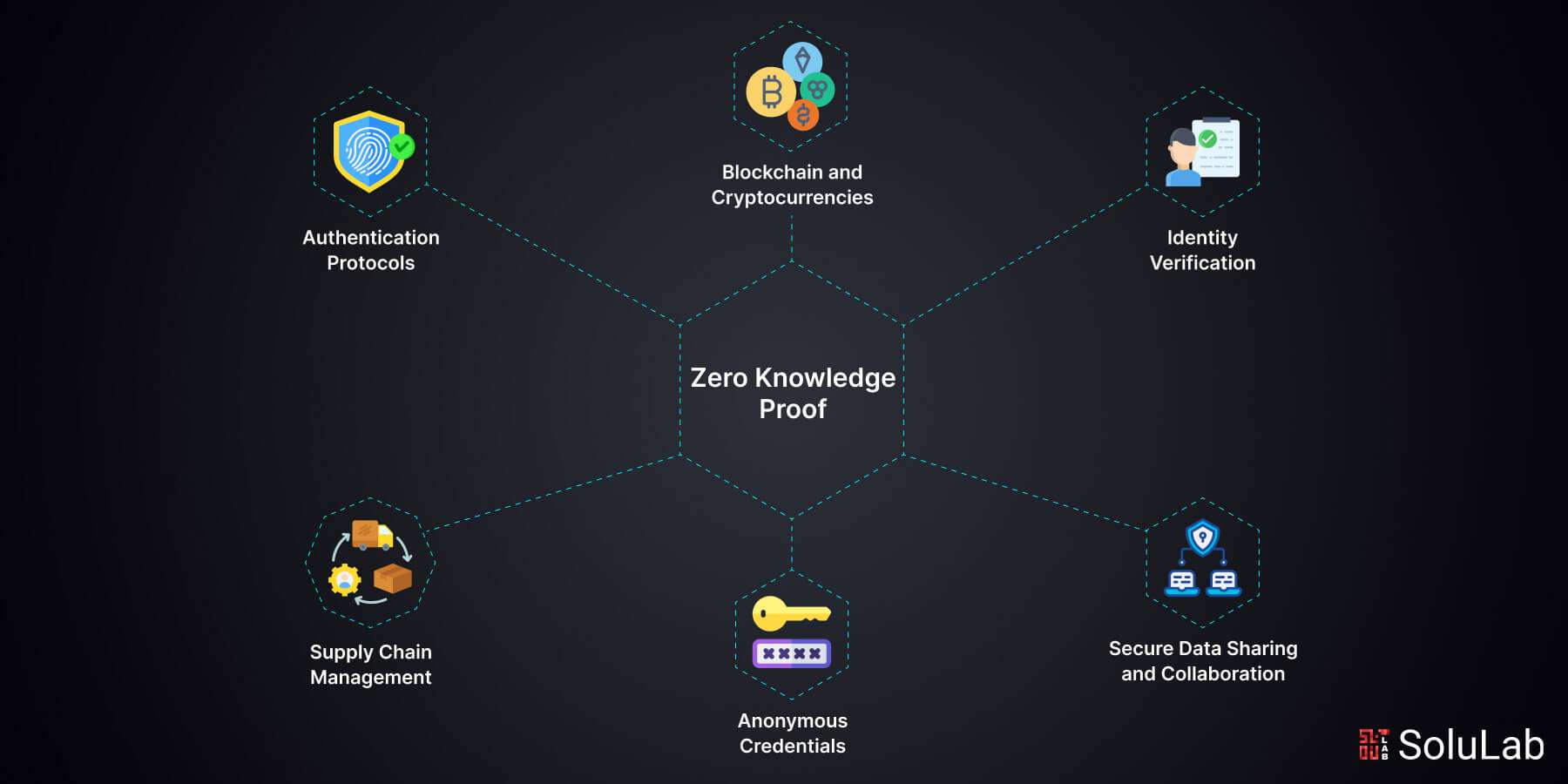
By minimizing what’s shared and maximizing what’s kept private, ZKP wallets create a trustless environment where users don’t have to simply “trust” a platform with their information, they can cryptographically verify that their privacy is respected at every step.
Solving Web3’s Biggest Identity Pain Points
Zero-knowledge technology isn’t just a buzzword for blockchain enthusiasts, it’s solving real challenges that have plagued digital ID for years:
- Sybil resistance: Platforms like idOS zk identity and Billions Network zk identity can ensure one-person-one-account without tracking or doxxing users.
- Interoperability: Credentials proven with ZKPs can be portable across ecosystems, letting you move seamlessly between DeFi apps, NFT marketplaces, or DAOs.
- User empowerment: With selective disclosure and non-correlation by default, your Web3 footprint remains under your control, not in the hands of third parties.
The impact? Enhanced security for all parties involved, and a meaningful leap forward in digital self-sovereignty. As one industry leader put it recently:
What’s Next: The Roadmap for Privacy-Preserving Digital Identity
The future is bright for zero-knowledge proofs in digital ID. As zk-SNARKs and other advanced proof systems become faster and more scalable, expect even greater adoption among mainstream platforms, especially as regulatory frameworks catch up to these innovations.
The next wave will see even tighter integration between decentralized identifiers (DIDs), verifiable credentials (VCs), and zero-knowledge proof engines. This synergy will power everything from privacy-preserving voting to seamless global onboarding, all while keeping your most sensitive information off-chain and out of reach from hackers or surveillance capitalists.
If you’re ready to take control of your digital persona, or you want to build the next killer app on privacy-first principles, there’s never been a better time to explore the world of zk identity wallets. Dive deeper into this transformative tech with our guide on How Zero-Knowledge Proofs Enhance Privacy in Decentralized Identity Wallets.


No comments yet. Be the first to share your thoughts!