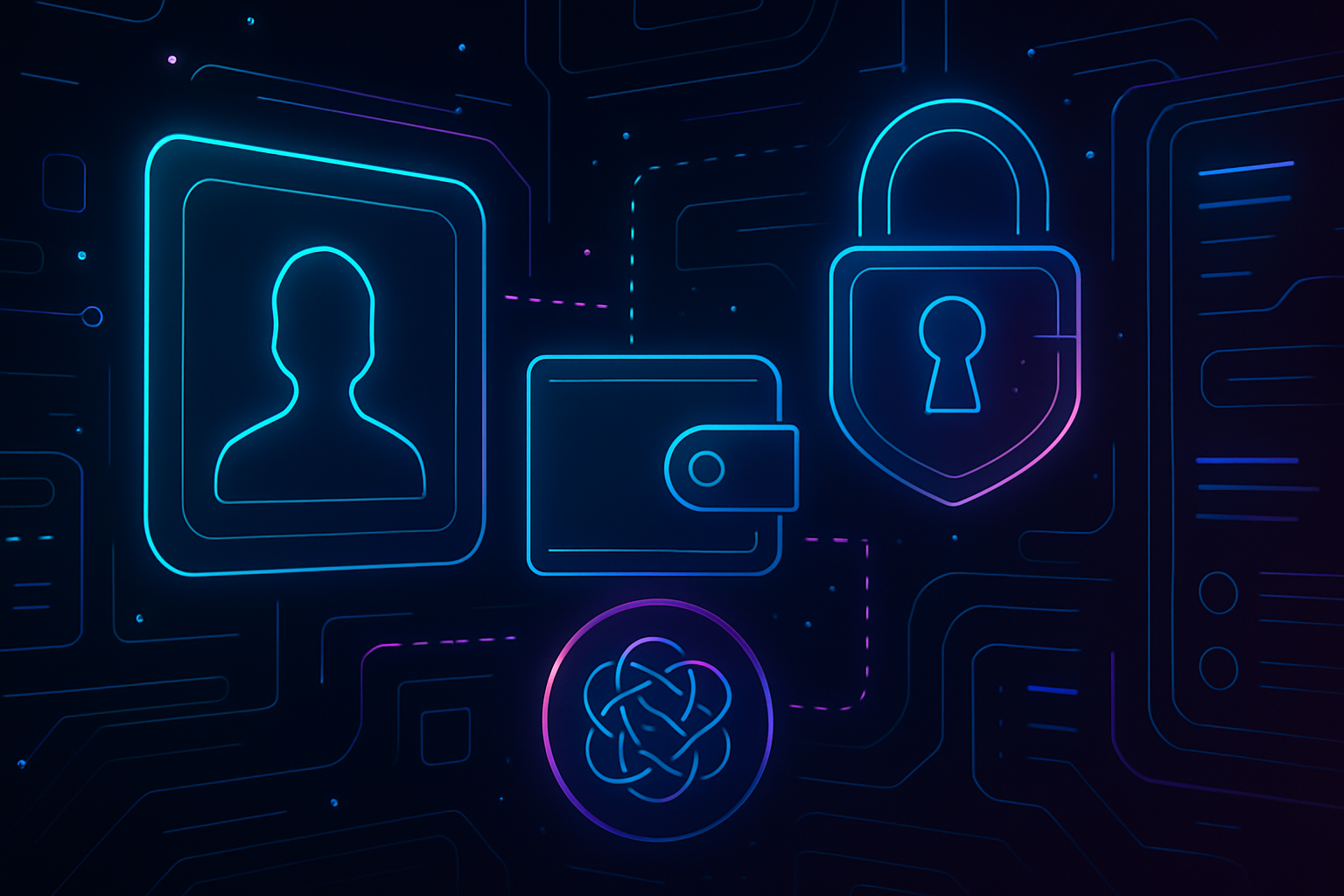
Zero-knowledge proofs (ZKPs) are rapidly transforming the privacy landscape in decentralized identity wallets. As digital identity becomes more critical across decentralized applications and services, the need for privacy-preserving authentication has never been greater. ZKPs empower users to prove facts about themselves, such as age or citizenship, without disclosing underlying personal details, fundamentally shifting how trust and verification operate online.
How Zero-Knowledge Proofs Work in Digital Identity
At its core, a zero-knowledge proof allows one party (the prover) to convince another party (the verifier) that a statement is true without revealing any information beyond the validity of that statement. In the context of zkp digital identity, this means you can prove you’re over 18, a citizen of a certain country, or hold a valid credential, without exposing your birthdate, passport number, or other sensitive data.
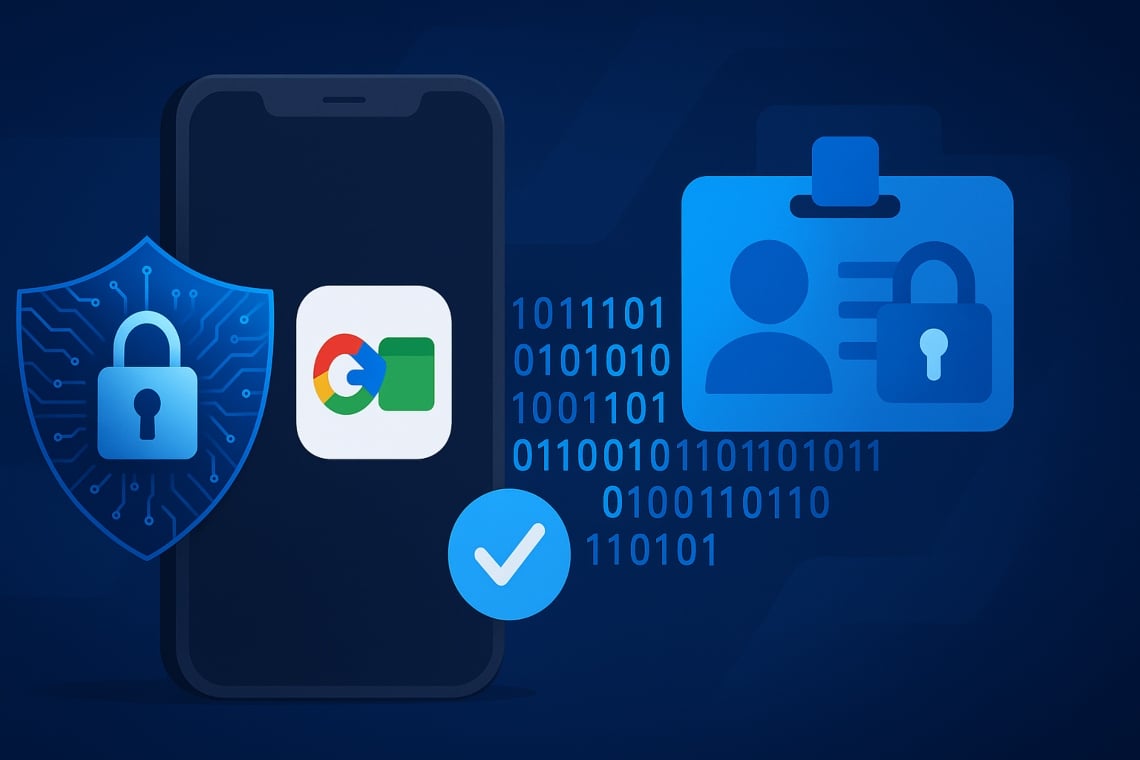
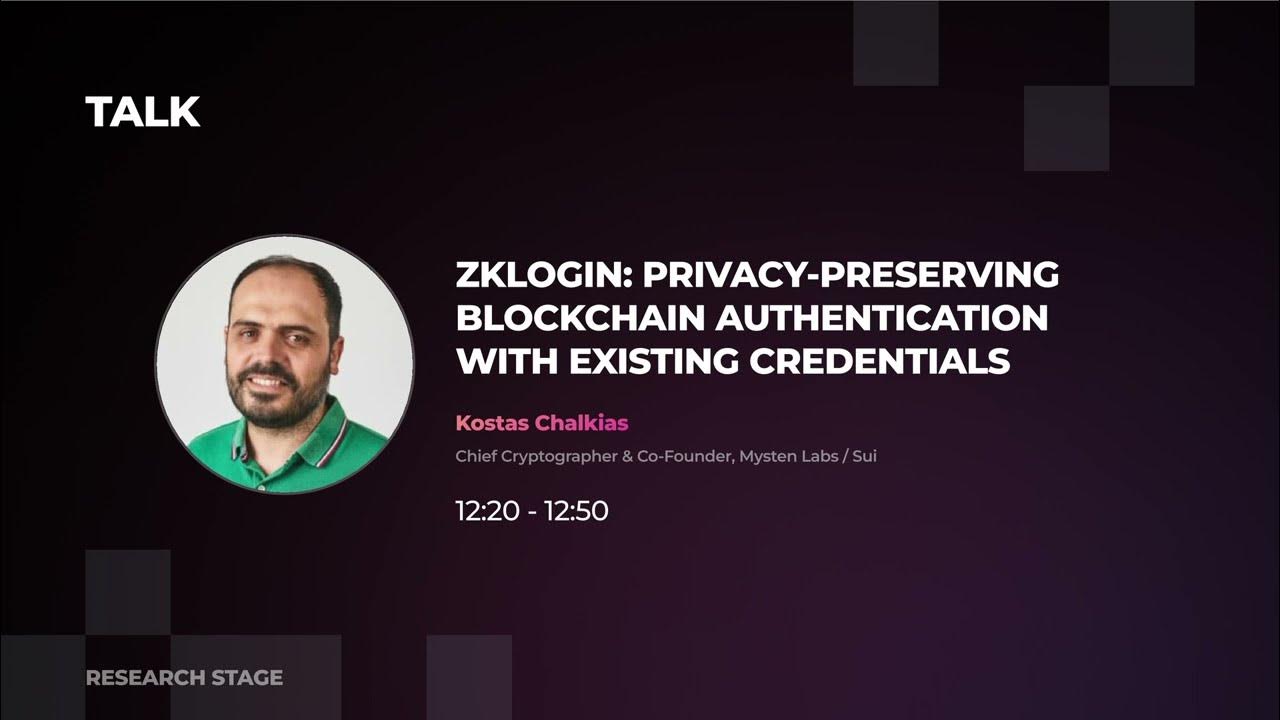
This selective disclosure is not just theoretical. Real-world implementations like zkLogin use ZKPs to authenticate blockchain transactions with identity tokens from platforms like Google or Facebook, keeping the connection between your off-chain and on-chain personas confidential even from the platform itself. Meanwhile, Polygon ID leverages ZKPs for self-sovereign identity, letting users verify attributes for dApps and DAOs without ever revealing their private information.
The Privacy Imperative: Data Minimization by Design
Decentralized identity wallets built with ZKP technology embrace data minimization as a core principle. This approach significantly reduces risk: if you only disclose what’s strictly necessary, a yes/no answer to “Are you over 18?” instead of your full date of birth, then data breaches become far less damaging. The European Digital Identity framework, for example, highlights how range proofs in ZKP schemes let wallets prove an attribute falls within a certain range without giving away the actual value.
Key Benefits of Zero-Knowledge Proofs in Decentralized Identity Wallets
- Data Minimization: ZKPs enable users to prove specific facts (like age or citizenship) without disclosing unnecessary personal information, significantly reducing the risk of data breaches and aligning with privacy regulations.
- Enhanced Security: By verifying credentials without exposing underlying sensitive data, ZKPs help prevent identity theft and unauthorized access, strengthening the overall security posture of decentralized identity solutions.
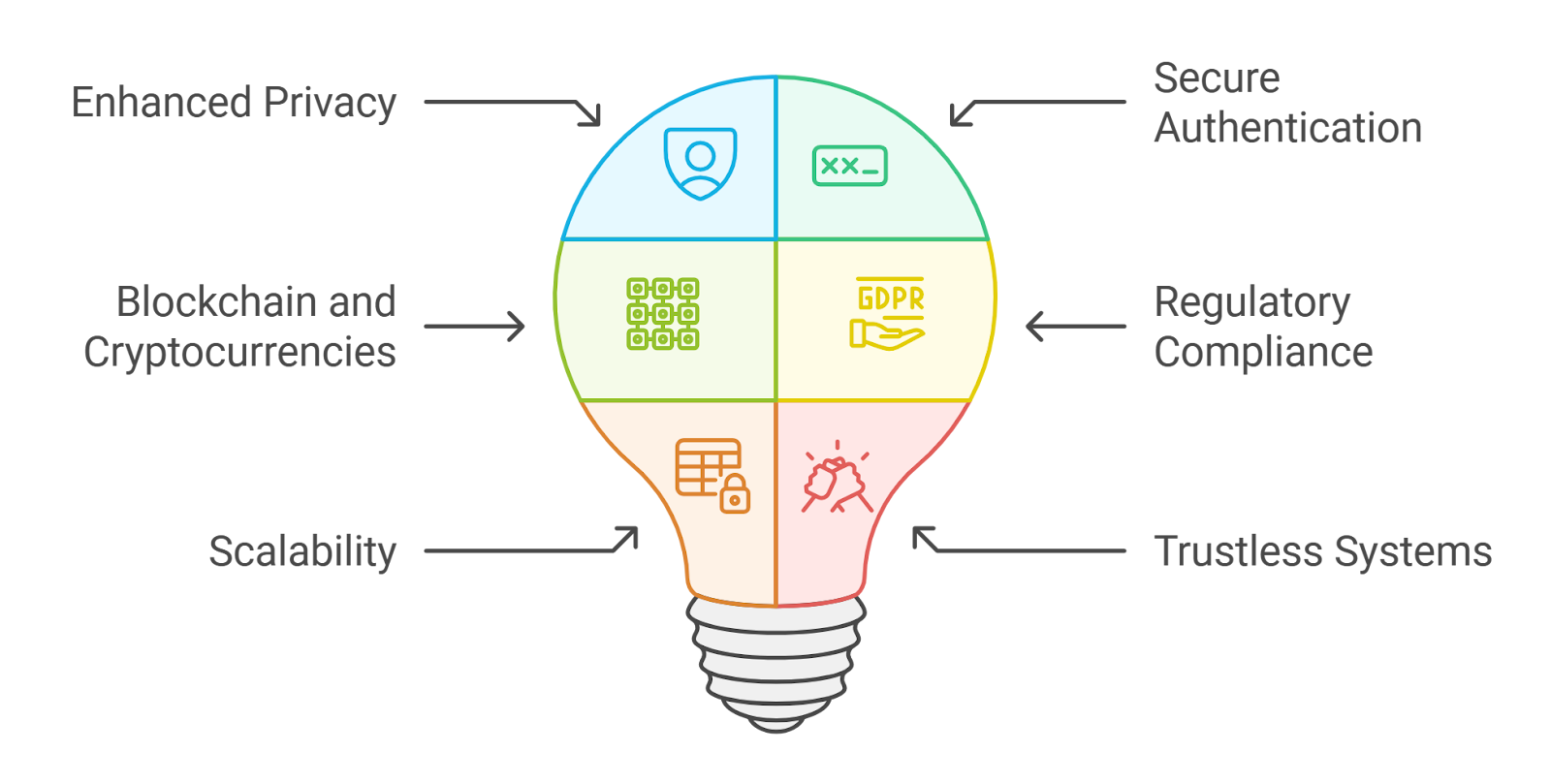
- Selective Disclosure: Users can choose exactly which attributes to reveal, allowing for granular control over personal data and supporting privacy-preserving authentication.
- Interoperability Across Platforms: ZKPs facilitate secure, privacy-preserving identity verification across multiple blockchains and decentralized applications, promoting seamless use of credentials without compromising privacy.
- Improved User Experience: ZKPs streamline authentication processes, enabling users to prove their identity or eligibility without managing multiple credentials or exposing sensitive details, resulting in faster and more convenient interactions.

This paradigm shift also aligns with global privacy regulations and user expectations for digital autonomy. By sharing only what’s required, and nothing more, users retain sovereignty over their credentials while organizations minimize liability and attack surfaces.
Current Implementations: From zkLogin to zkFaith
The market now features several innovative systems harnessing ZKPs for privacy-preserving authentication:
- zkLogin: Enables seamless blockchain login using OpenID tokens while hiding all unnecessary user details from both verifier and issuer.
- Polygon ID: Empowers users to verify attributes for dApps and DAOs privately through self-sovereign identities secured by ZKPs.
- zkFaith: Issues zero-knowledge-based IDs so users can prove possession of certain credentials without revealing them outright (source).
The growing adoption of these protocols signals that privacy-preserving authentication is not just an academic exercise but an essential feature for modern decentralized ecosystems.
As these decentralized systems mature, the real-world impact of zero-knowledge proofs in identity wallets is becoming increasingly evident. For individuals, this means greater control over digital interactions, no more handing over a trove of personal information just to access basic services. For organizations, ZKPs reduce compliance burdens and the liability associated with storing sensitive user data.
Expanding Use Cases: Financial Services, Healthcare, and Beyond
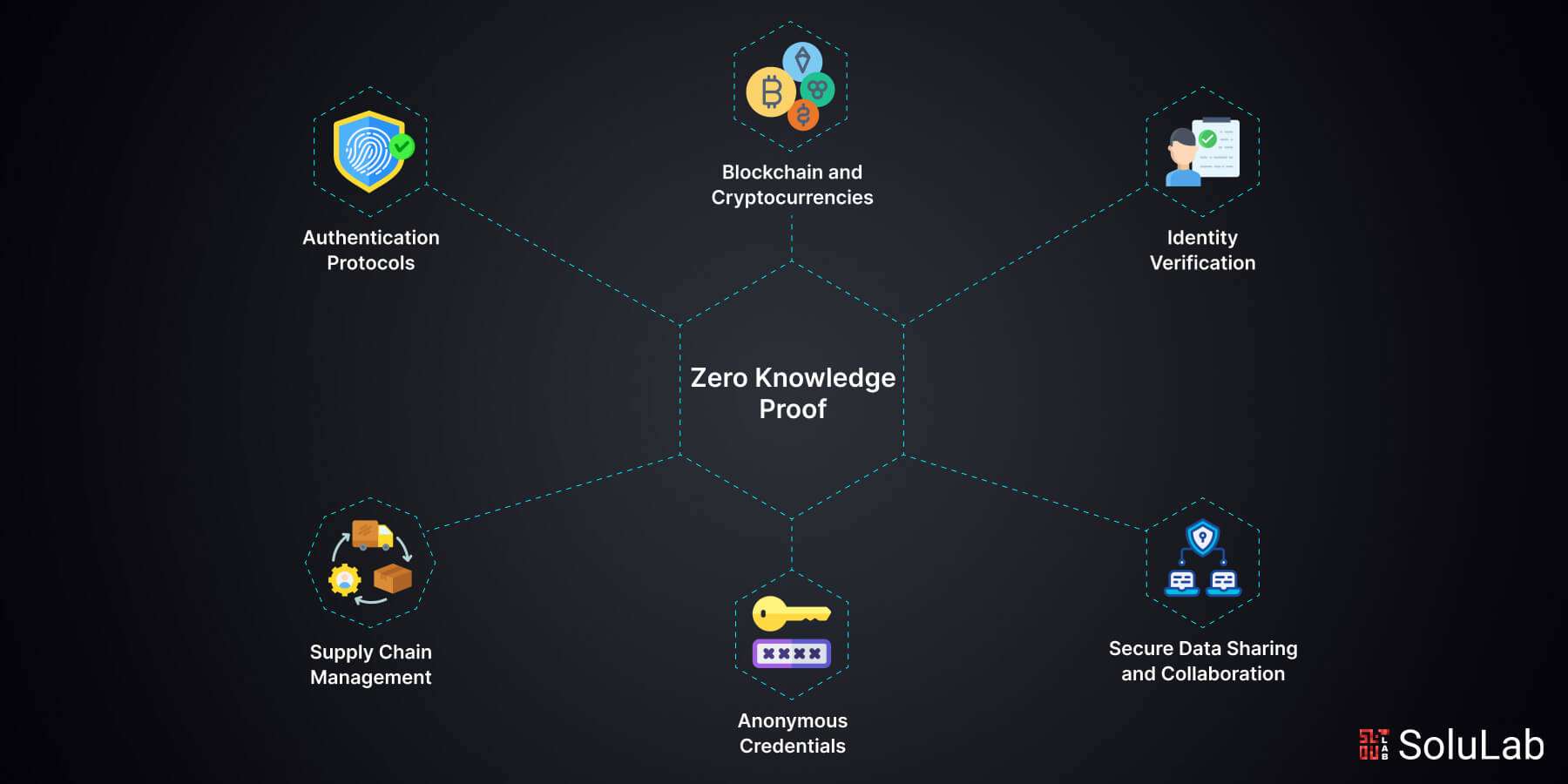
The applications for privacy-preserving authentication extend well beyond basic age or citizenship checks. In the financial sector, ZKPs are enabling identity-free payments and even tax submissions without exposing exact earnings or account balances (source). Healthcare providers are exploring zk identity wallets to verify insurance coverage or medical credentials without revealing full patient records. Each use case further demonstrates how ZKP-backed wallets can empower users while satisfying strict regulatory requirements.
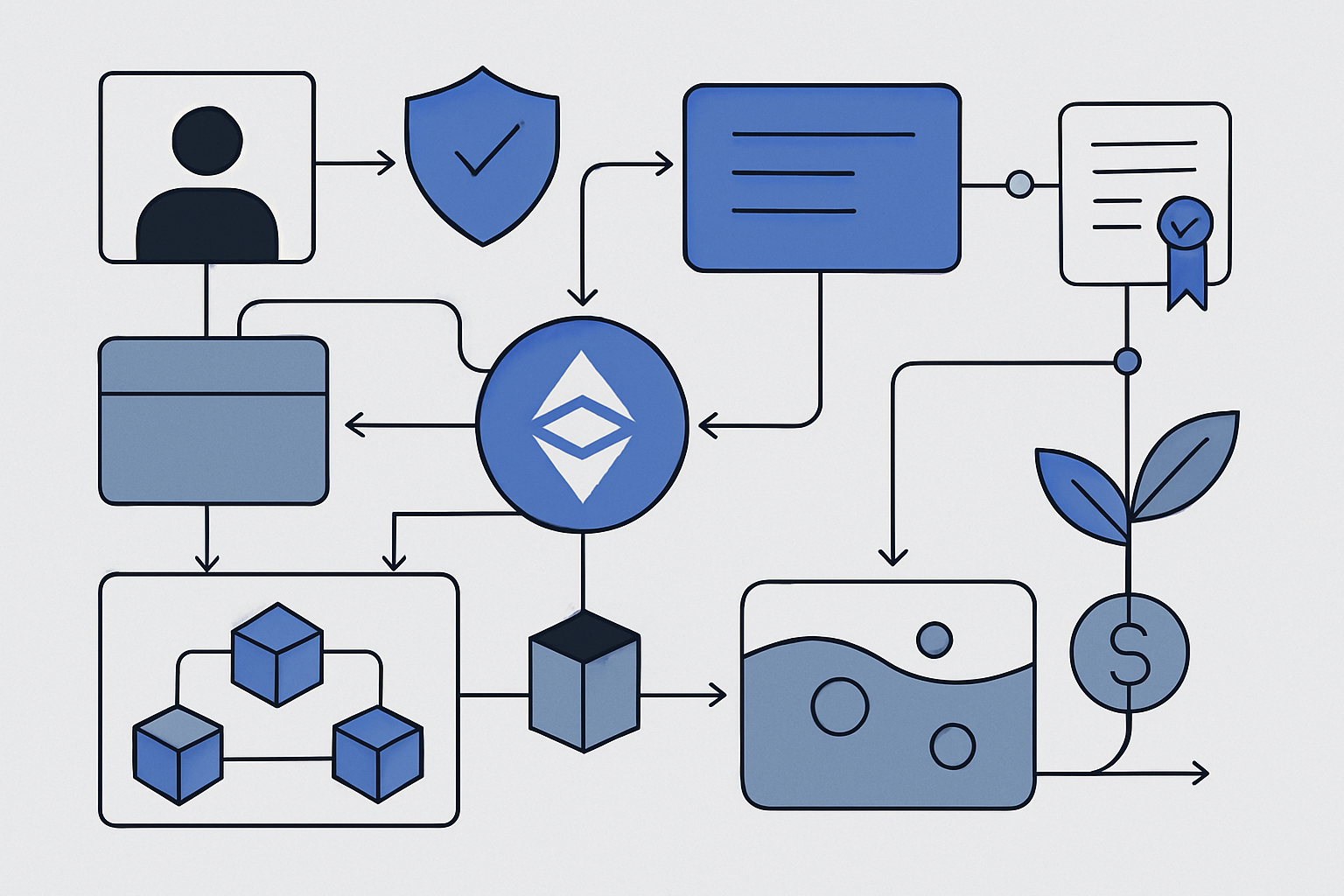
Cross-chain interoperability is another frontier. As highlighted by projects like Polygon ID and Rarimo, ZKPs can facilitate secure credential verification across multiple blockchain networks without leaking private data (source). This paves the way for seamless interactions between different DeFi protocols, gaming platforms, and metaverse experiences, all while maintaining user privacy at every step.
Challenges Ahead: Usability, Scalability, and Trust
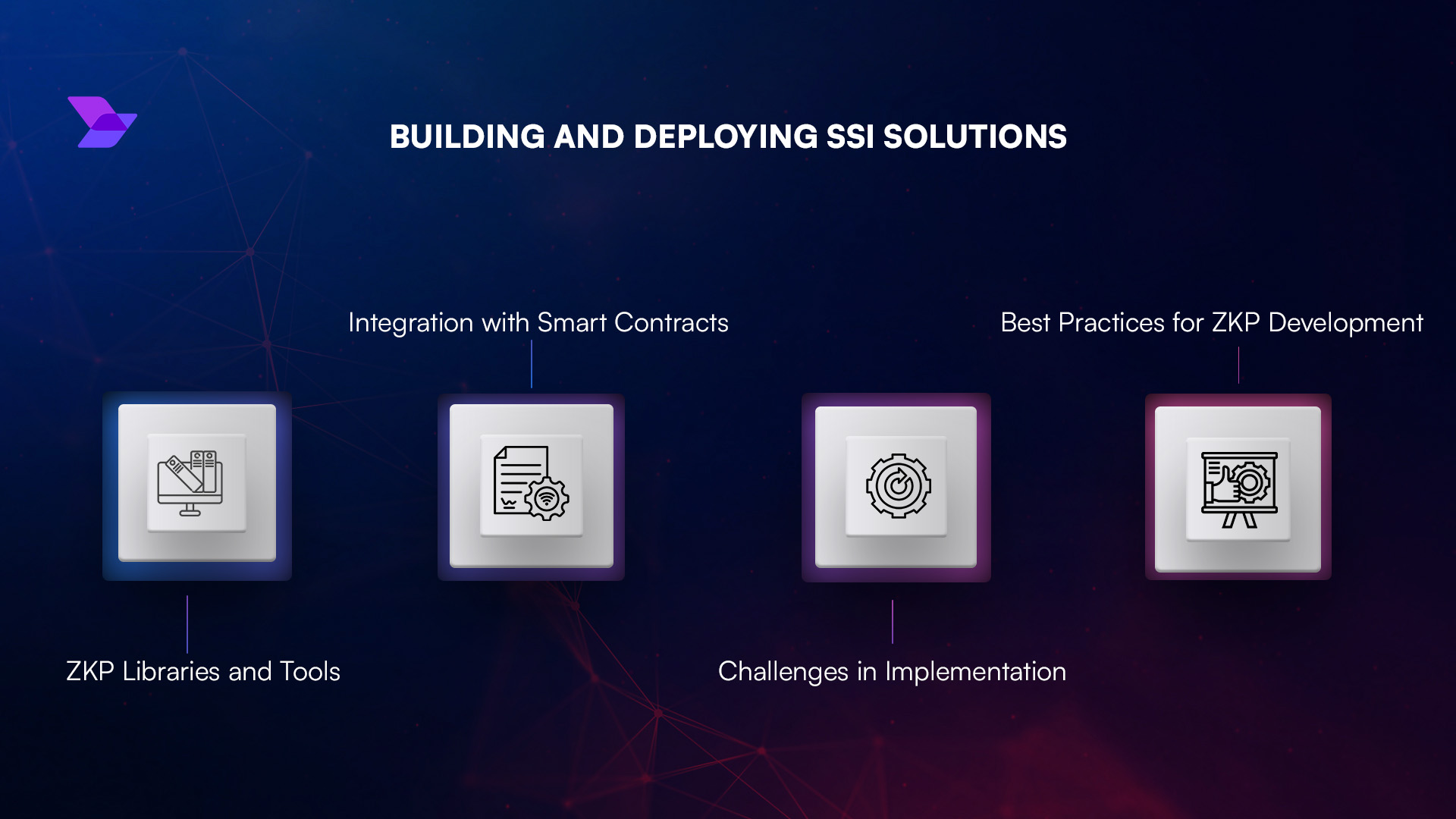
Despite their promise, ZKP-enabled wallets face several hurdles before mainstream adoption. Generating and verifying zero-knowledge proofs can be computationally intensive, potentially impacting user experience on resource-constrained devices. Ongoing research into more efficient proof systems, like succinct non-interactive arguments of knowledge (SNARKs) and scalable transparent arguments of knowledge (STARKs): is helping address these concerns.
Usability remains a key challenge as well. For non-technical users to benefit from privacy-preserving authentication, wallet interfaces must abstract away cryptographic complexity while clearly communicating what is being shared (and what is not). Building trust in these new paradigms will require open standards, third-party audits, and robust community education initiatives.
The Road Ahead: User Empowerment Through Privacy
The trajectory for decentralized identity privacy is clear, users want more autonomy over their credentials, and organizations need tools that minimize risk without sacrificing compliance or convenience. Zero-knowledge proofs offer a disciplined pathway forward by making selective disclosure the default rather than the exception.
As wallet providers continue integrating advanced ZKP protocols like zkLogin and zkFaith, and as standards evolve to support cross-chain interoperability, the future of digital identity will be defined by both security and self-sovereignty. By embracing these innovations now, we set the stage for a digital ecosystem where privacy is not just protected but proactively empowered.
Real-World Examples of ZKP-Based Privacy-Preserving Authentication
- Polygon ID: Polygon ID is a self-sovereign identity platform that leverages zero-knowledge proofs to let users verify attributes—such as age or citizenship—without revealing underlying personal details. This enables privacy-preserving authentication for decentralized applications (dApps) and DAOs.
- zkLogin: zkLogin enables users to authenticate blockchain transactions using identity tokens from providers like Google or Facebook. It utilizes ZKPs to keep the connection between a user’s off-chain and on-chain identities confidential, even from the authentication provider.
- ZKlaims: ZKlaims is a system that allows users to present attribute-based credentials via non-interactive ZKPs. Users can prove statements about credentials issued by trusted third parties without disclosing the actual credential contents, supporting privacy-preserving verification in decentralized environments.
- SLVC-DIDA: The SLVC-DIDA framework offers a signature-less verifiable credential model using ZKPs to maintain issuer anonymity and enable multi-party authentication. It removes the need for traditional PKI, supporting fully decentralized and privacy-focused digital identity management.

- zkFaith: zkFaith is a privacy-preserving identity protocol that issues zero-knowledge-based IDs. It allows users to prove possession of certain attributes—such as membership or eligibility—without revealing the attributes themselves, enhancing privacy in digital interactions.

No comments yet. Be the first to share your thoughts!