
Onchain passport limits to account for
An onchain passport solves the friction of proving identity without surrendering your data to a central authority, but it introduces a new set of technical and regulatory hurdles. Unlike a traditional KYC flow where a bank verifies your documents and keeps a record, an onchain passport relies on decentralized identifiers (DIDs) and verifiable credentials. This shift moves the burden of verification from the institution to the user, but it also means the system must handle edge cases that centralized databases rarely encounter.
The primary constraint lies in the "oracle problem" of identity. An onchain stamp is only as good as the attestation that created it. If the underlying provider—whether a government service or a trusted third party—goes offline or changes its API, the onchain record may become stale or unverifiable. This creates a dependency chain that complicates compliance. Regulators often require real-time or near-real-time verification, which conflicts with the asynchronous nature of many blockchain consensus mechanisms.
Another significant hurdle is the mismatch between legal jurisdictions and blockchain immutability. Once a credential is written to a chain, it cannot be easily deleted, even if a user requests erasure under GDPR. This tension requires sophisticated "revocation registries" or zero-knowledge proofs to prove validity without exposing the underlying data. Without these mechanisms, an onchain passport risks becoming a permanent liability rather than a portable asset.
Finally, adoption is constrained by the user experience. Interacting with a DID requires managing private keys and understanding cryptographic signatures. For the average user, this is a steep learning curve. The technology must abstract away these complexities while still maintaining the security guarantees that make onchain identity valuable. Until the friction of key management is solved, onchain passports will remain a niche tool for developers rather than a global standard.
Onchain passport choices that change the plan
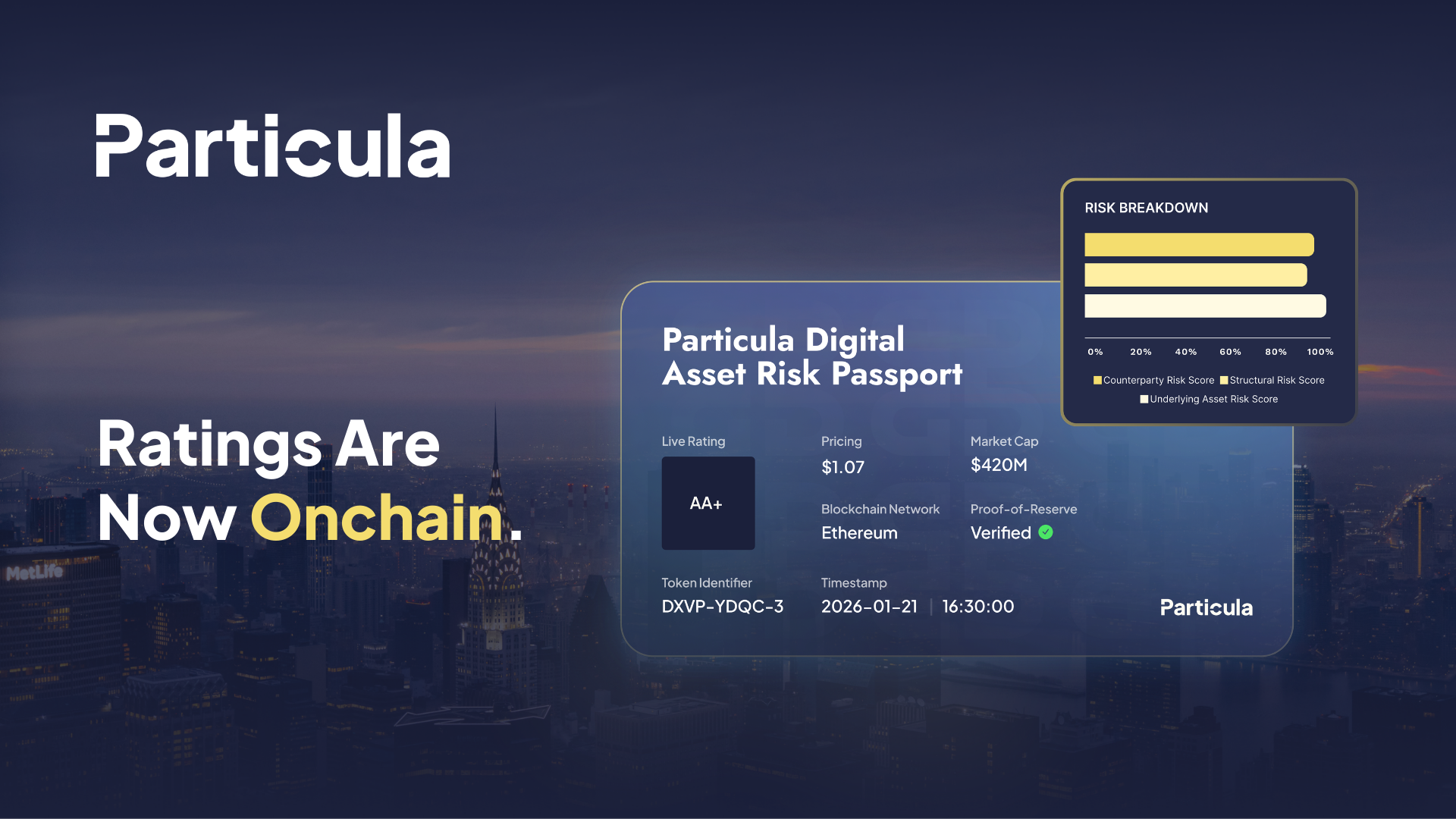
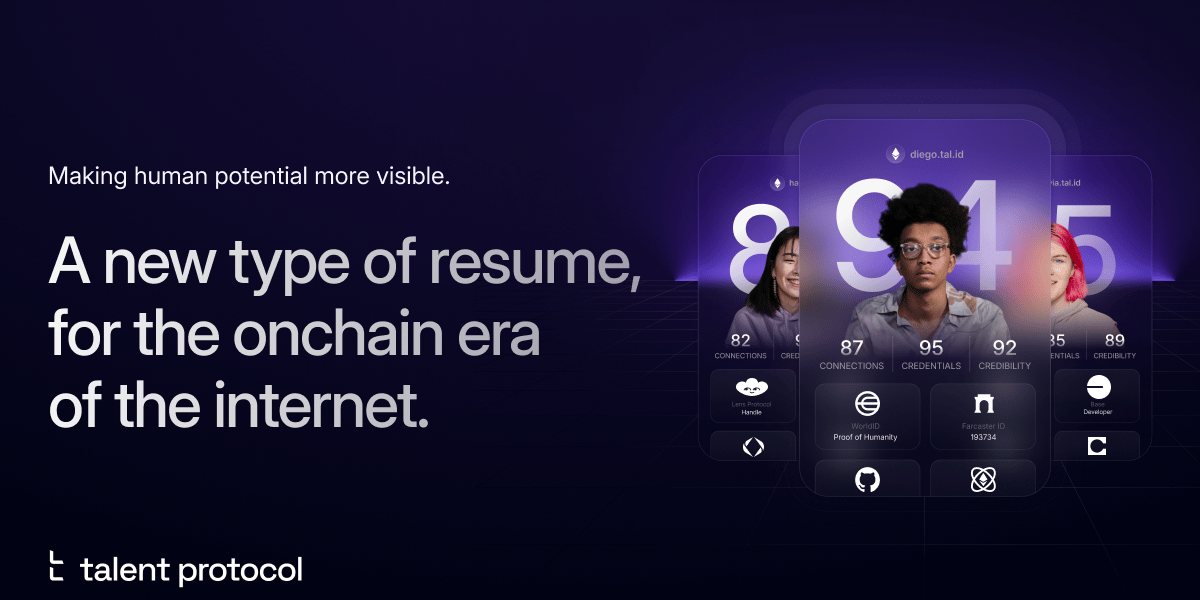
Adopting a decentralized identity protocol requires balancing privacy, cost, and interoperability. Unlike traditional KYC, onchain passports store reputation scores as verifiable credentials on a blockchain. This shift introduces specific technical and economic tradeoffs that projects and users must evaluate before integration.
| Factor | Onchain | Offchain |
|---|---|---|
| Data Privacy | High (pseudonymous) | Low (centralized storage) |
| Verification Cost | Variable (gas fees) | Fixed (API calls) |
| Portability | Universal | Siloed |
| Immutability | Permanent | Editable |
| Compliance Risk | Complex (GDPR) | Standard (GDPR) |
Privacy vs. Transparency
Onchain storage ensures data cannot be altered or deleted by a central authority, which reduces single-point failure risks. However, this immutability complicates compliance with right-to-be-forgotten regulations like GDPR. Users retain control over their private keys, but transaction history remains public on the ledger.
Cost and Scalability
Writing verification data directly to a blockchain incurs gas fees, which can fluctuate significantly during network congestion. Offchain solutions offer predictable pricing but require trust in the service provider. Layer 2 solutions are increasingly used to mitigate these costs while maintaining security guarantees.
Interoperability
Decentralized identifiers (DIDs) allow users to move their reputation across different protocols without re-verifying. This portability is a major advantage for users navigating multiple Web3 applications. However, standardization across different identity providers remains fragmented, limiting seamless integration.
User Experience
Managing private keys and understanding cryptographic proofs adds friction for mainstream adoption. If a user loses their seed phrase, their digital identity and associated reputation may be permanently inaccessible. Offchain systems offer password recovery, simplifying access but sacrificing self-sovereignty.
Choose the next step
OnChain Passport works best as a clear sequence: define the constraint, compare the realistic options, test the tradeoff, and choose the path with the fewest hidden costs. That order keeps the advice usable instead of decorative. After each step, pause long enough to check whether the recommendation still fits the reader's actual situation. If it depends on perfect timing, unusual access, or a best-case budget, include a simpler fallback.
Spotting Weak OnChain Passport Options
The hype around decentralized identity often outpaces the actual utility. Before committing to an OnChain Passport, check if the provider’s infrastructure is genuinely interoperable or just a siloed walled garden. A common mistake is assuming that "verifiable credentials" mean automatic acceptance across all platforms. In reality, many protocols still struggle with standardization, leaving your onchain reputation locked in formats that few dApps can read.
Watch out for vague claims about "global compliance." While some passports integrate with KYC providers, most are merely data aggregators. They do not inherently satisfy legal requirements like AML or GDPR unless explicitly audited and certified. If a service promises to replace traditional identity verification without clear regulatory backing, treat it as an experimental tool, not a compliance solution. Always verify which specific standards (such as W3C VC) the passport supports before relying on it for high-stakes interactions.
Another trap is over-reliance on a single stamp provider. If your entire identity score depends on one issuer, you risk total exclusion if that provider changes its terms or goes offline. Diversify your verifiable credentials across multiple reputable sources. This ensures that your onchain reputation remains resilient and portable, regardless of which platform you choose to use next.
Onchain passport: what to check next
Before adopting decentralized identity protocols, it helps to separate the technical mechanics from the practical utility. Here are the most common questions about onchain passports and digital verification.
What is a bitcoin passport?
A bitcoin passport is a decentralized identity system that aggregates proof of identity into a single onchain score. Instead of relying on a single central authority, it combines various "stamps"—such as GitHub contributions, ENS ownership, or KYC verification—into a verifiable reputation score. This score acts as a gateway, allowing users to access airdrops, governance votes, or exclusive platforms based on their verified human activity rather than just wallet balance.
What is onchain in crypto?
Onchain refers to any data, transaction, or identity record permanently stored on a public blockchain ledger. In the context of identity, it means your verification status is recorded on-chain, typically via smart contracts or decentralized storage protocols like ENSIP-11. This makes the data transparent, immutable, and portable across different applications without needing to re-upload documents to every new service.
Can I verify my identity with my passport?
Yes, but with important distinctions. Most onchain passports allow you to verify your identity by linking real-world credentials (like a driver’s license or passport) to your wallet through trusted verifiers. These verifications are then recorded as onchain attestations. However, the passport itself is not a legal government ID; it is a cryptographic proof that you have completed a verification process. Some platforms require the physical passport for the initial KYC check, while others accept alternative proofs of humanity.
Is a passport wallet a good idea?
Using a dedicated wallet for your onchain passport is generally recommended for security and organization. By isolating your identity verification activities in a specific wallet, you reduce the risk of exposing your primary assets to potential phishing attempts or malicious dApps. Many users treat this wallet as a "reputation hub," keeping it separate from high-value trading wallets to maintain a clear audit trail of their onchain identity history.
No comments yet. Be the first to share your thoughts!