
What the onchain passport actually is
An onchain passport is not a physical document, nor is it a simple wallet address or a static profile. It is a verifiable credential system that uses blockchain attestations to prove specific attributes about you, such as citizenship, residency, or creditworthiness. Think of it as a digital reputation layer that you carry with you, rather than a booklet issued by a government.
Most onchain passports rely on standards like the Ethereum Attestation Service (EAS) to create these records. Instead of storing sensitive personal data directly on the blockchain, the system stores a cryptographic proof that you possess a certain credential. This allows you to present your identity to DeFi protocols, travel platforms, or other services without revealing your underlying private data.
This approach fundamentally changes how identity works in Web3. Rather than relying on centralized databases that can be breached, your identity is composed of attestations from trusted issuers. You control these attestations in your wallet, granting access to services only when necessary. This creates a more private and secure way to interact with decentralized finance and other onchain applications.
How decentralized identity powers access
Self-sovereign identity shifts control from centralized platforms to the individual, creating a mechanism where users prove they meet specific criteria without exposing their entire digital history. Instead of handing over a full credit check or a scanned ID document to every new service, the user generates a cryptographic proof that confirms a single attribute—such as being over 18, residing in a specific jurisdiction, or holding a verified accreditation.
This architecture relies on zero-knowledge proofs and verifiable credentials stored on-chain. When you interact with a DeFi protocol or a travel booking platform, the service requests a "stamp" or attestation rather than raw personal data. The protocol verifies the signature against the blockchain ledger. If the cryptographic proof holds, access is granted. The service never sees your underlying data, only the result of the verification.
Proving attributes without revealing data
The core benefit of this system is selective disclosure. You can prove you are a resident of France without revealing your street address or tax ID. You can prove you have passed a background check without showing the criminal record database. This granularity is essential for compliance in regulated industries like finance and international travel, where data minimization is a legal requirement.
Accessing DeFi and travel services
For DeFi, this means a user can access liquidity pools or yield opportunities that are restricted to accredited investors or specific geographic regions. The smart contract checks the on-chain attestation before allowing the transaction to proceed. For travel, it enables seamless border crossings or hotel check-ins where residency and identity are verified instantly without the friction of manual document submission.
The result is a frictionless experience where identity is a utility, not a barrier. You carry your verified status in your wallet, presenting only what is necessary for each specific interaction. This reduces the attack surface for data breaches and puts the user back in control of their digital footprint.
Institutional compliance and regulatory benefits
Institutions are increasingly turning to onchain passports to streamline KYC and AML processes. Traditional compliance workflows often involve repetitive manual checks and fragmented data silos. By tokenizing investor verification, platforms can eliminate this friction, allowing for faster onboarding and more efficient cross-border asset management.
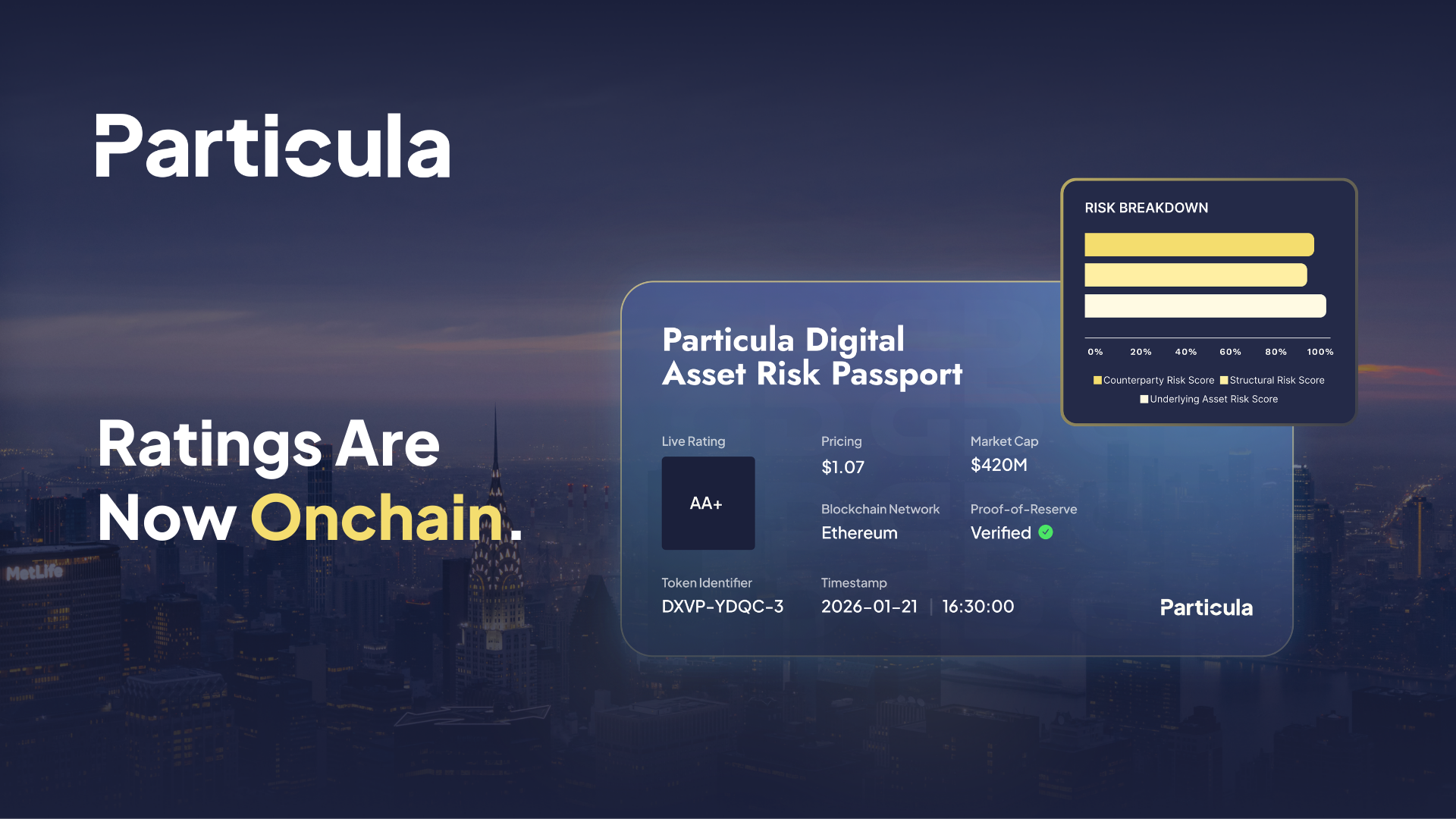
The shift toward blockchain-based identity systems addresses a critical pain point in the digital asset economy. As noted by Tokeny, these systems allow organizations to enforce compliance while granting access to digital assets. This approach not only reduces operational costs but also enhances the security of asset ownership records.
To understand the operational differences, consider the contrast between legacy verification methods and modern onchain solutions.
| Feature | Traditional KYC | Onchain Passport |
|---|---|---|
| Speed | Days to weeks | Minutes to hours |
| Privacy | Centralized data storage | Selective disclosure |
| Cost | High manual overhead | Reduced verification costs |
| Reusability | One-time use per platform | Portable across ecosystems |
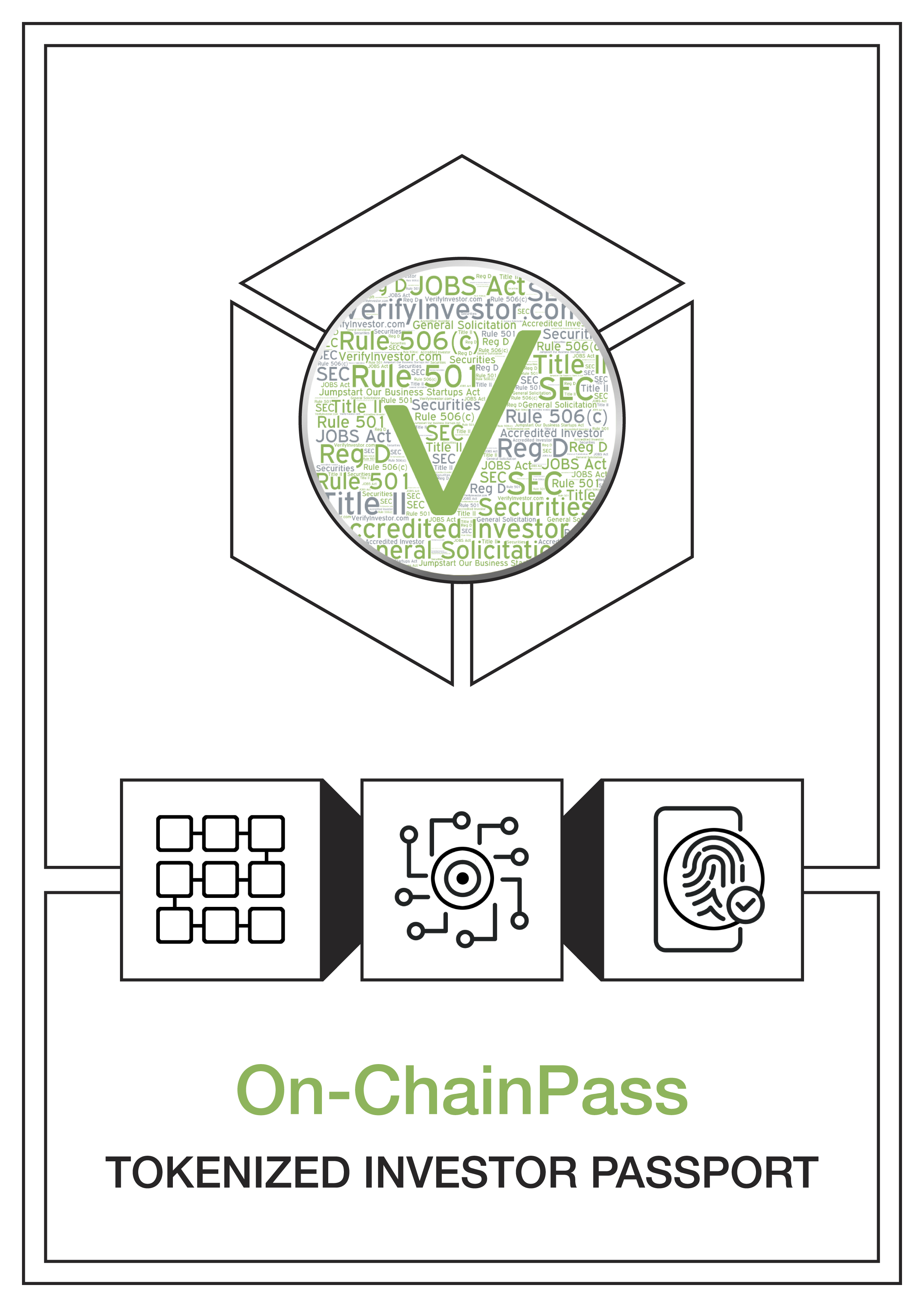
Platforms like Verify Investor’s On-ChainPass demonstrate how tokenized identities can replace repetitive paperwork. By standardizing verification across multiple jurisdictions, institutions can maintain regulatory compliance without sacrificing user experience. This model supports the growing demand for seamless yet secure financial interactions in the DeFi landscape.
Minting and managing your credentials
Your Onchain Passport is not just a static file; it is a living reputation score that grows as you connect more services. The journey begins with building that score through the Human Passport app, where you collect "stamps" by linking various accounts and completing identity checks. These stamps verify your humanity and activity level, creating a unique score that signals trust to DeFi protocols and travel platforms.
Once your score reaches the required threshold, the process shifts to the blockchain. You are not buying a token; you are creating a verifiable attestation. This step uses the Ethereum Attestation Service (EAS) to record your Passport data directly on-chain. The result is a credential that is publicly verifiable but cryptographically secure, allowing you to prove your identity without revealing unnecessary personal details.
Managing these credentials is straightforward. Because the attestation is tied to your wallet, you control its visibility and usage. When you interact with a partner service, you can present this onchain proof to unlock access or better rates. This eliminates the need for repetitive KYC forms, streamlining your experience across the decentralized web.
Visit the Human Passport app and connect your Web3 wallet. Begin linking accounts like GitHub, Twitter, or ENS to earn stamps. Each stamp adds to your humanity score, which typically needs to reach 20+ to be considered for onchain minting.
Review your current score in the dashboard. The system analyzes the diversity and authenticity of your linked accounts. Ensure your stamps are up to date, as expired connections may lower your standing. A higher score increases the likelihood of acceptance by partner protocols.
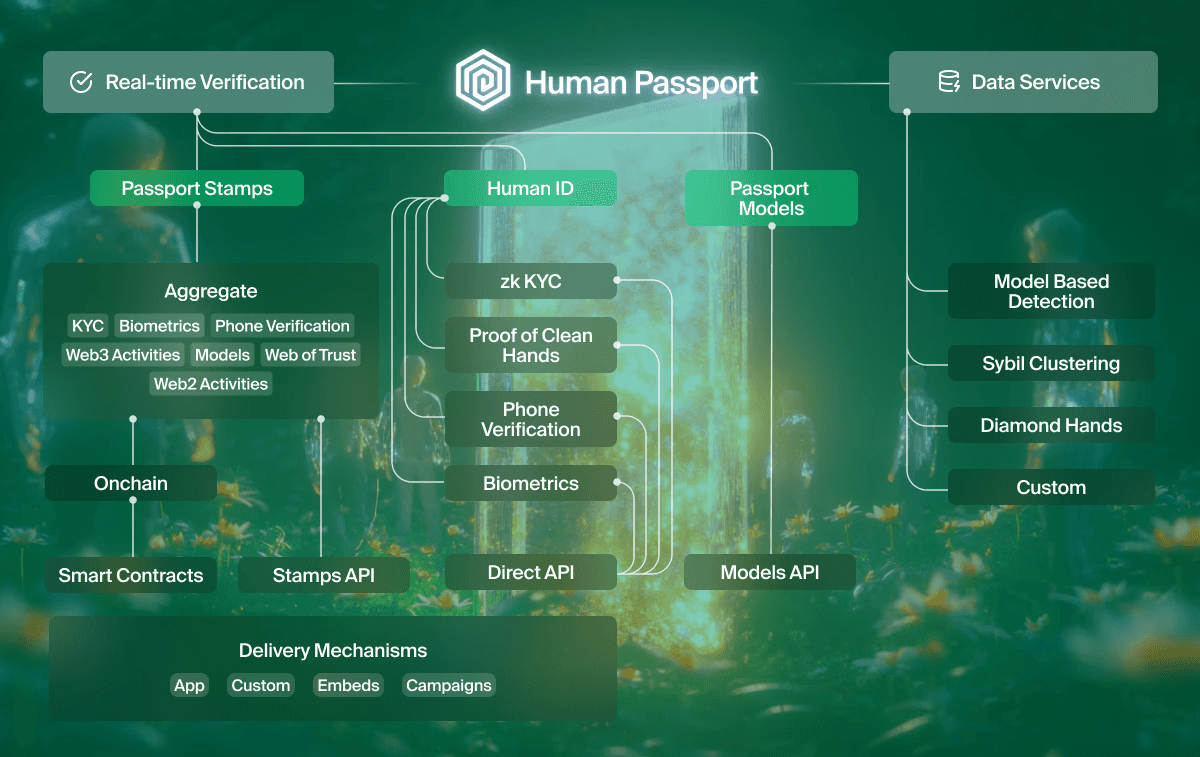
Navigate to the Onchain Passport section within the app. Initiate the minting process, which creates an attestation via the Ethereum Attestation Service. This action records your verified identity data on-chain, creating a permanent, tamper-proof credential linked to your wallet address.
Your attestation is now ready for use. When visiting partner platforms, select the option to log in with your Onchain Passport. The platform will verify the onchain attestation, granting you access based on your established reputation without requiring additional personal data submission.
The transition from offchain data to onchain attestation marks a significant shift in how digital identity works. Instead of relying on centralized databases that can be breached, your reputation is distributed and controlled by you. This approach not only enhances security but also interoperability, allowing your identity to move seamlessly between different ecosystems.
As the ecosystem matures, expect more protocols to accept these attestations as a standard for access. This could mean simpler onboarding for DeFi lending, more transparent voting in DAOs, and smoother travel verification processes. The foundation is being laid now for a web where your identity is your most valuable asset, and you hold the keys.
Common questions about onchain identity
Onchain identity systems like Human Passport are still evolving. While they offer a way to prove unique humanity without revealing personal data, they are not yet recognized by governments or airlines. Understanding the difference between a digital ID, a crypto hardware wallet, and an onchain reputation score is essential for safe participation.
No comments yet. Be the first to share your thoughts!