What on-chain identity means for compliance
On-chain identity verification links real-world identity attributes or digital reputation to a blockchain address using cryptographic proofs. This system replaces the traditional, centralized KYC model where you surrender personal data to a single entity. Instead, you retain control over your information, sharing only the specific credentials required for a transaction or service.
This approach aligns with regulatory requirements while preserving user sovereignty. Platforms can verify that you meet age, location, or accreditation standards without seeing your full identity history. The verification is recorded on the blockchain, creating an immutable audit trail for compliance officers while keeping sensitive details private.
By shifting control from centralized databases to the user, on-chain identity reduces the risk of large-scale data breaches. It also streamlines the onboarding process, as verified credentials can be reused across multiple compliant platforms without repeated submissions.
Choose a compliant on-chain identity provider
Selecting the right identity provider is the foundation of any self-sovereign on-chain identity system. The primary goal is to find a provider that natively supports ERC-3643 or similar standards for regulated digital assets. This ensures your identity data can be verified without exposing sensitive personal information to every counterparty.
When evaluating providers, focus on three core capabilities: standard compliance, jurisdictional coverage, and wallet integration. A robust provider should allow you to attach verifiable credentials to your wallet while maintaining control over who sees that data. Avoid providers that require you to surrender custody of your private keys or rely on centralized databases that contradict the principles of self-sovereignty.
The table below compares leading on-chain identity solutions based on their technical support for regulated assets and integration breadth. Use this comparison to narrow down providers that align with your specific compliance requirements.
| Provider | ERC-3643 Support | Jurisdiction Coverage | Wallet Integration |
|---|---|---|---|
| Tokeny (ONCHAINID) | Native | EU, UK, Global | MetaMask, Ledger, Trezor |
| Polymath | Native | US, Global | MetaMask, Coinbase Wallet |
| Kaleido | Compatible | Enterprise, Multi-region | Custom, Institutional |
| Civic | No | Global | Civic App, MetaMask |
Always verify the provider's current status directly with their official documentation. Standards evolve, and a provider that supported ERC-3643 last year may have deprecated it or shifted focus. Prioritize providers with active, audited smart contracts and clear documentation on how they handle data privacy and regulatory updates.
Link your wallet to a decentralized ID
Build a Self-Sovereign On-Chain Identity for Web3 Compliance works best as a clear sequence: define the constraint, compare the realistic options, test the tradeoff, and choose the path with the fewest hidden costs. That order keeps the advice usable instead of decorative. After each step, pause long enough to check whether the recommendation still fits the reader's actual situation. If it depends on perfect timing, unusual access, or a best-case budget, include a simpler fallback.
Submit identity credentials for verification
To complete a self-sovereign on-chain identity, you must submit verifiable credentials to a trusted issuer. This process bridges your real-world legal identity with your blockchain address, enabling compliance without exposing raw personal data to every counterparty.
1. Select the required credential type
Before uploading documents, determine which specific attributes the platform or regulator requires. Common types include Accredited Investor status, AML clearance, or KYC residency proof. The issuer needs to know exactly which claim to verify and mint on-chain. For example, systems like Tokeny’s ONCHAINID allow users to select specific compliance attributes to enforce access to digital assets src-serp-1.
2. Upload government ID and proof of address
Initiate the submission through the issuer’s secure portal. You will need to upload high-resolution scans of a government-issued ID (passport or driver’s license) and a recent proof of address (utility bill or bank statement). Ensure the files are clear and unexpired. The issuer uses these documents to perform a Know Your Customer (KYC) check against official databases.
3. Wait for issuer validation and credential minting
Once submitted, the issuer validates your documents against the selected credential type. If approved, they sign a Verifiable Credential (VC) using their private key and mint it to your blockchain address. This creates a cryptographic proof that you are verified, which you can then present to dApps or exchanges without re-sharing your sensitive documents src-serp-5.
Identify the specific compliance attribute needed (e.g., KYC, AML, or Investor Status) before starting the upload process.
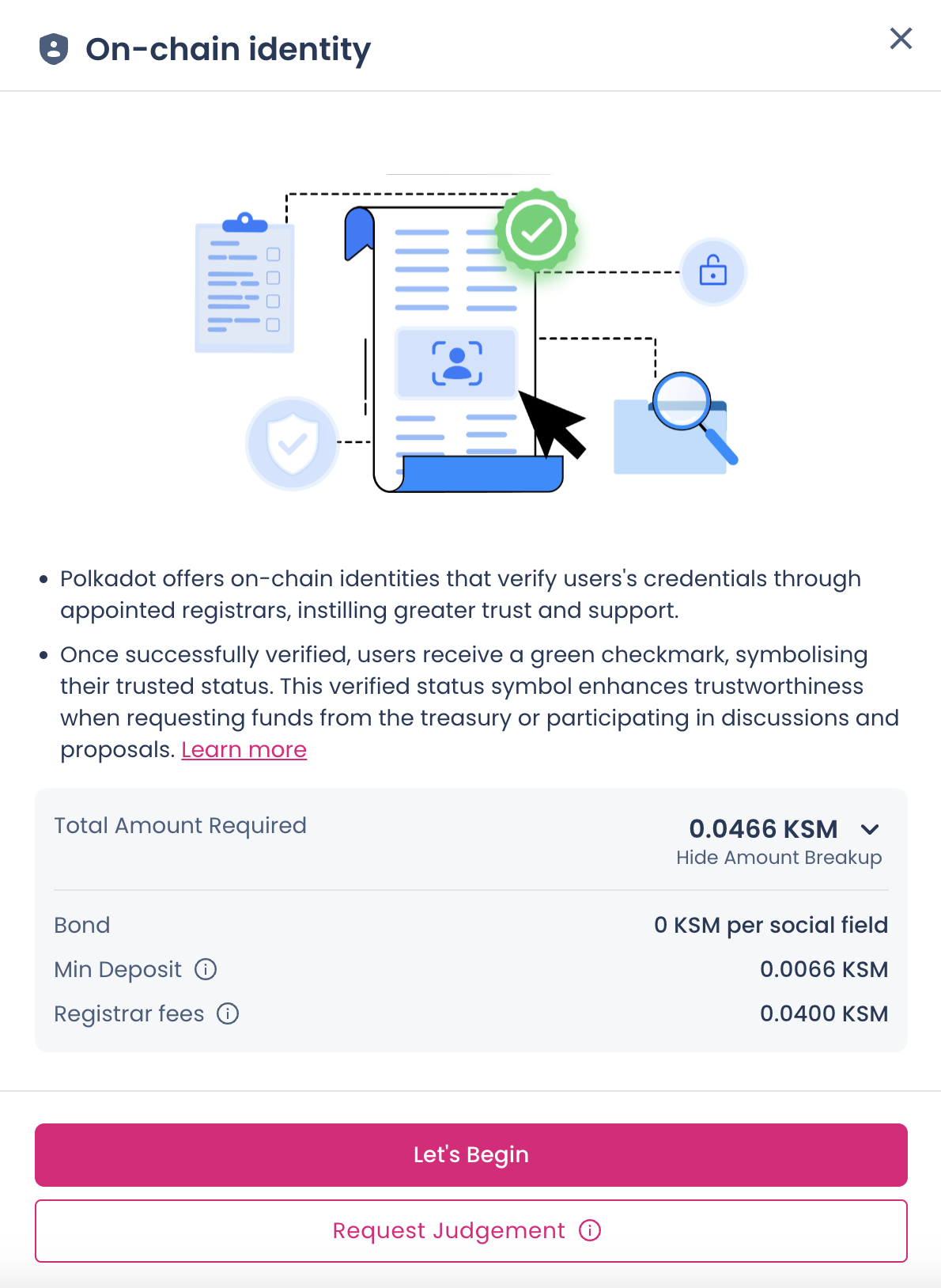
Upload clear, unexpired scans of your government ID and proof of address to the issuer’s secure portal.
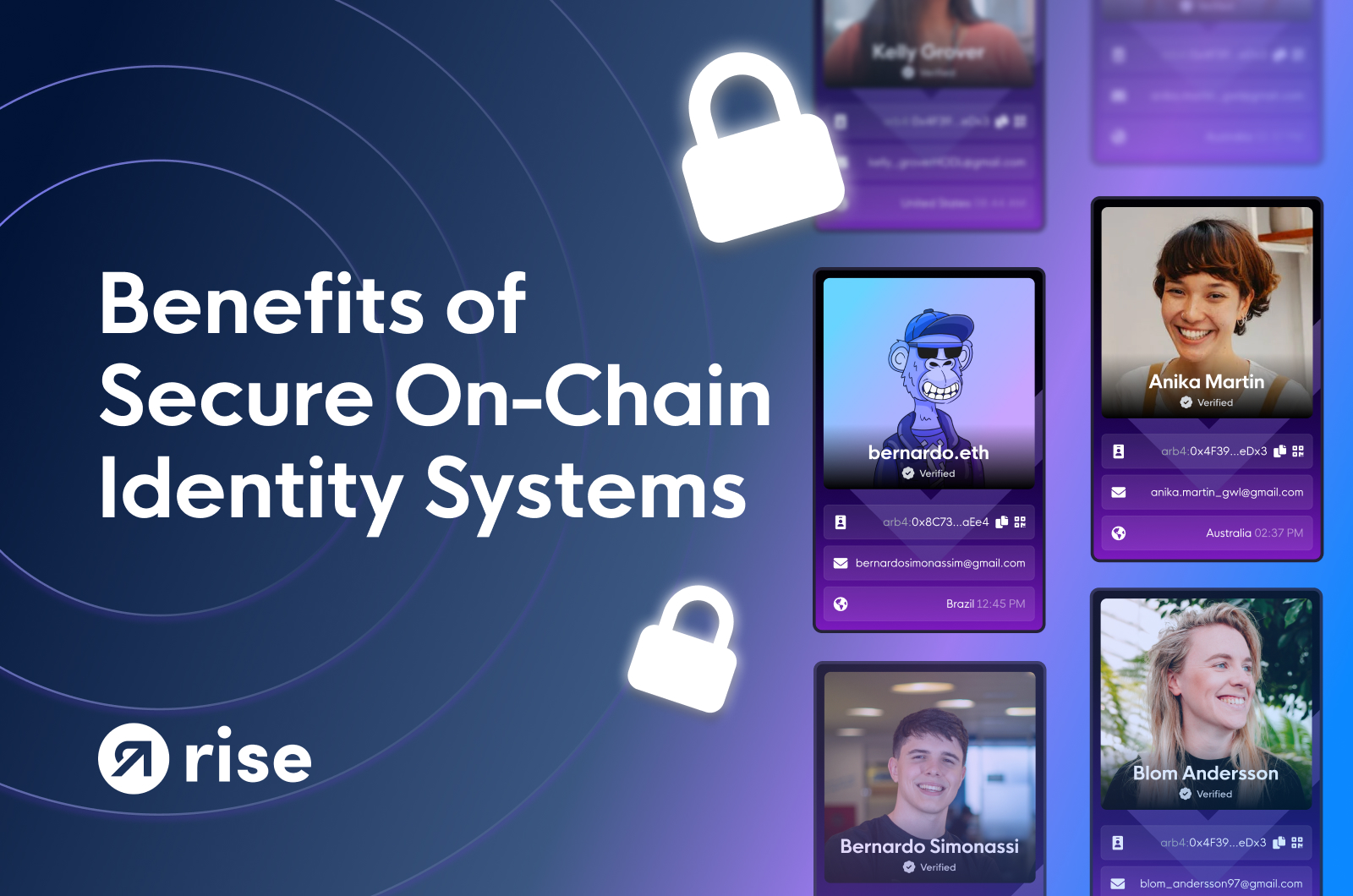
Wait for the issuer to verify your documents and mint the signed Verifiable Credential to your blockchain address.
Use your on-chain identity for asset access
Once your identity is verified and linked to your wallet, it functions as a digital key. Compliant DeFi protocols and tokenized securities platforms use this credential to grant permission for specific financial actions. This process replaces traditional Know Your Customer (KYC) paperwork with automated, real-time verification.
1. Connect your wallet to a compliant protocol
Navigate to a DeFi platform or tokenized security issuer that supports on-chain identity gates, such as those built on the ERC-3643 standard. ERC-3643 defines a framework for compliant tokens where access is tied directly to an on-chain identity (src-serp-8). Initiate the connection by clicking the wallet link button. The protocol will request permission to view your public address and associated identity attestations.
2. Execute compliant transactions
With your identity verified, you can now participate in restricted markets. This includes investing in tokenized real estate, private equity, or regulated stablecoins. The smart contract automatically validates your compliance status before executing the trade, ensuring that only eligible participants can access these assets. This mechanism bridges the gap between regulators and crypto users by enforcing rules programmatically (src-serp-3).
-
Verify credential status before transaction.
-
Ensure issuer is whitelisted.
-
Confirm smart contract respects identity gates.
3. Monitor and update your identity
Your on-chain identity is not static. Regulations change, and your personal details may update. Regularly check your identity dashboard to ensure your attestations remain current. If your jurisdiction changes or your risk profile updates, you may need to re-verify to maintain access to certain high-compliance assets. Keeping your identity fresh prevents sudden loss of access to your portfolio.
Common on-chain identity mistakes to avoid
Even with a verified credential, small operational errors can break your on-chain identity or expose you to compliance risks. These mistakes often stem from treating a digital identity like a traditional login rather than a sovereign asset that requires active maintenance.
Ignoring credential expiration
On-chain verifiable credentials (VCs) are not permanent. They have expiration dates set by the issuer to ensure the underlying data (like a KYC check) remains current. If you don’t renew your credential before it expires, your wallet effectively becomes locked out of compliant services. Set calendar reminders for renewal dates and check the expirationDate field in your credential payload regularly.
Using non-compliant wallets
Not all wallets support the standards required for Web3 compliance, such as DID (Decentralized Identifier) integration or specific signature formats. Using a wallet that doesn’t support these protocols means your identity credentials cannot be presented to dApps or regulated platforms. Stick to wallets that explicitly support W3C DID standards and major identity protocols like ENS or Polygon ID.
Sharing private keys
Your private key is the root of your on-chain identity. Never share it, enter it into a website, or store it in a cloud document. If someone gains access to your key, they control your identity and assets, bypassing any compliance layers. Use hardware wallets or secure enclave solutions to keep keys offline and isolated from internet-connected devices.
Frequently asked questions about on-chain identity
What is on-chain identity?
On-chain identity is a blockchain-based system that links real-world identity attributes or digital reputation to a specific blockchain address using cryptographic proofs. Instead of storing personal data on-chain, it uses verifiable credentials to allow individuals and organizations to prove compliance and access digital assets without revealing sensitive information. This approach maintains decentralization while enabling regulatory adherence.
What does "on-chain analysis" mean?
On-chain analysis refers to examining the fundamentals, utility, and transaction activity of a cryptocurrency and its underlying blockchain data. Analysts use these metrics to understand network health and predict future price movements. This is distinct from on-chain identity; analysis focuses on market behavior and network statistics, whereas identity focuses on verifying who controls the addresses involved in those transactions.
How does Crypto.com Onchain Wallet differ from the main app?
The Crypto.com Onchain Wallet gives users full control of their private keys and crypto assets, supporting a wide range of tokens and DeFi features. This differs from the custodial Crypto.com App wallet, where the platform holds the keys on your behalf. The on-chain wallet is designed for users who want direct self-custody and direct interaction with decentralized applications, aligning with self-sovereign identity principles.
No comments yet. Be the first to share your thoughts!