
As Ethereum Layer 2 networks like Arbitrum, Polygon, Optimism, and ZKSync handle the bulk of on-chain activity in 2026, managing your digital identity securely has never been more critical. zk-SNARK DID wallets emerge as the strategic choice for users who demand privacy-preserving proofs without sacrificing usability. These tools let you verify credentials on-chain, from age to membership status, all while keeping sensitive details off the public ledger. For L2 enthusiasts juggling DeFi, NFTs, and governance, the right wallet means seamless cross-chain interactions minus the data leaks.
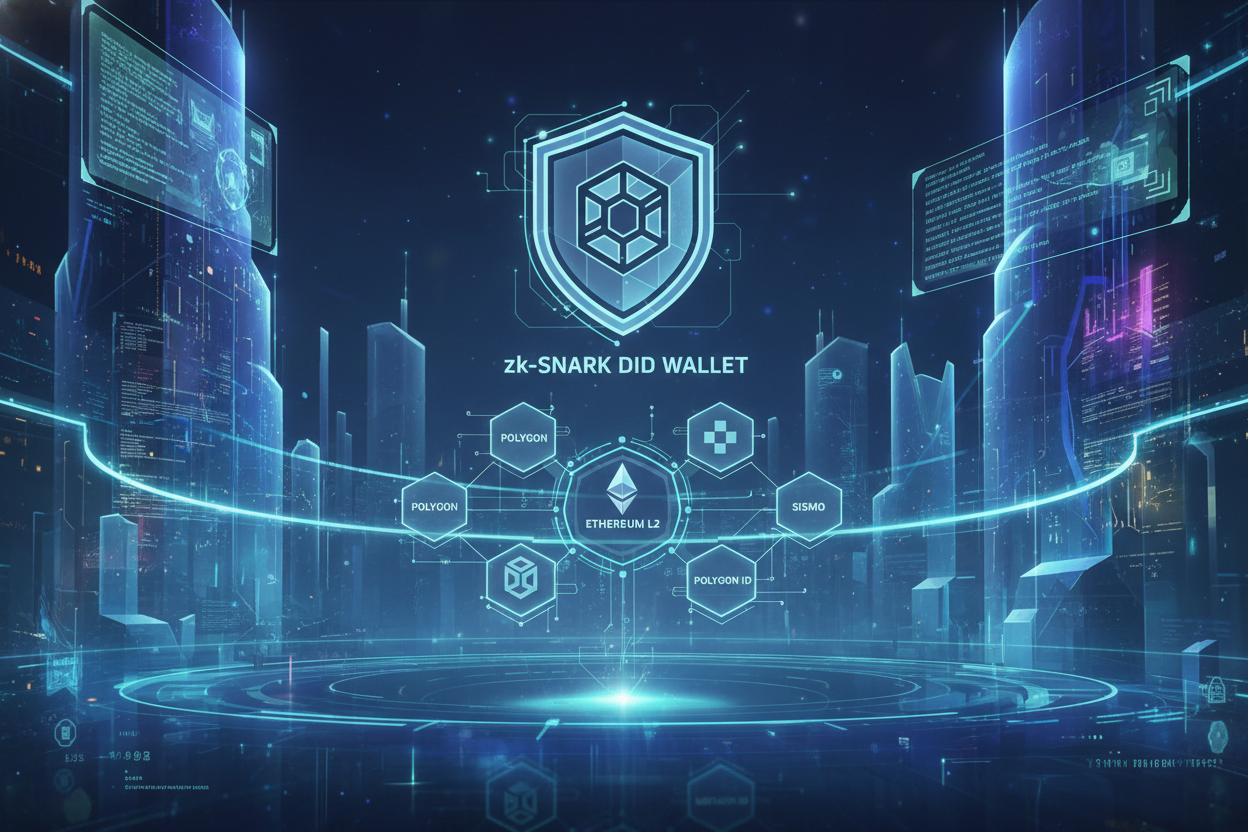
Picture this: you're claiming an airdrop on ZKSync or voting in an Optimism DAO. Traditional wallets expose your full history; zk-SNARK-powered DID wallets prove only what matters, using succinct proofs that settle lightning-fast on L2s. With top L2 tokens like Arbitrum and Polygon (POL) leading the pack per Phemex's 2026 rankings, these wallets align perfectly with the era's scaling demands.
Why zk-SNARKs Dominate DID on Ethereum L2s
Zero-Knowledge Succinct Non-Interactive Arguments of Knowledge, or zk-SNARKs, bundle transactions off-chain and post tiny proofs to Ethereum L2s, slashing fees while boosting privacy. Projects like zkSync batch proofs for high throughput, as noted in Cryptonews' top 10 L2 list. For decentralized identity, this means issuing self-sovereign IDs that work across Polygon, Optimism, and beyond. No more KYC nightmares; just verifiable credentials that respect your control. I favor zk-SNARKs over STARKs here because their smaller proof sizes suit mobile-first L2 users, making wallets snappier on devices.
Privacy advocates will appreciate how these wallets sidestep the pitfalls of centralized ID providers. GitHub's awesome ZK list highlights L2-focused tools, but DID-specific ones shine brightest for everyday strategic plays, like Sybil-resistant airdrops or private lending on Starknet-inspired chains.
Our Ranking: Adoption, L2 Integration, Privacy, and Verifiable Credentials
We ranked these top 8 zk-SNARK DID wallets by real-world adoption metrics, native L2 support for chains like Arbitrum and ZKSync, privacy robustness via zk proofs, and ease of issuing verifiable credentials. Data draws from 2026 sources like CoinCodex's zero-knowledge projects and Space and Time's ZK coprocessors. High adoption means battle-tested code; strong L2 ties ensure low-gas proofs; privacy scores zk circuit audits; VC support flags reusable credentials for DeFi and governance.
Top 8 zk-SNARK DID Wallets
- 8. Polygon ID: Leading self-sovereign identity solution on Polygon L2 using zk-SNARKs for verifiable credentials. Key features: Issuer-delegate-revoker model, privacy-preserving proofs, seamless Polygon integration for Ethereum L2 users.Supports: Polygon, Ethereum L2s polygon.id
- 7. Sismo: Privacy protocol for sharing zk-proof credentials like Gitcoin badges without revealing data. Optimized for L2s with group membership proofs.Key features: Badge attestations, selector inputs, cross-L2 compatibility.Supports: Optimism, Arbitrum, ZKSync sismo.io
- 6. Reclaim Protocol: Bridges off-chain data to on-chain via zk-SNARK proofs, proving claims without exposing info. Ideal for L2 credential verification.Key features: API linking, recursive proofs, Ethereum L2 scalability.Supports: Polygon, Optimism, Arbitrum reclaimprotocol.org

- 5. Semaphore: zk-SNARK anonymity toolkit for signaling in groups without identity reveal. Widely used in L2 privacy apps.Key features: Zero-knowledge membership proofs, incremental state, L2-optimized circuits.Supports: ZKSync, Scroll, Ethereum L2s semaphore docs

- 4. Privado ID: Mobile-first zkDID wallet for verifiable credentials with private key management on Ethereum L2s.Key features: zk-SNARK proofs for identity, cross-chain support, user-controlled data.Supports: Arbitrum, Optimism, Polygon privado.id
- 3. zkPass: Math-based updatable zk credential protocol for reusable proofs across L2s without re-computation.Key features: Aggregate credentials, privacy vaults, efficient L2 verification.Supports: ZKSync, Polygon, Ethereum L2s zkpass.org
- 2. SpruceID: Open-source DID/VC toolkit with zk-SNARK support for secure identity on Ethereum L2 networks.Key features: WalletConnect integration, verifiable presentations, enterprise-grade privacy.Supports: Optimism, Arbitrum, ZKSync spruceid.com
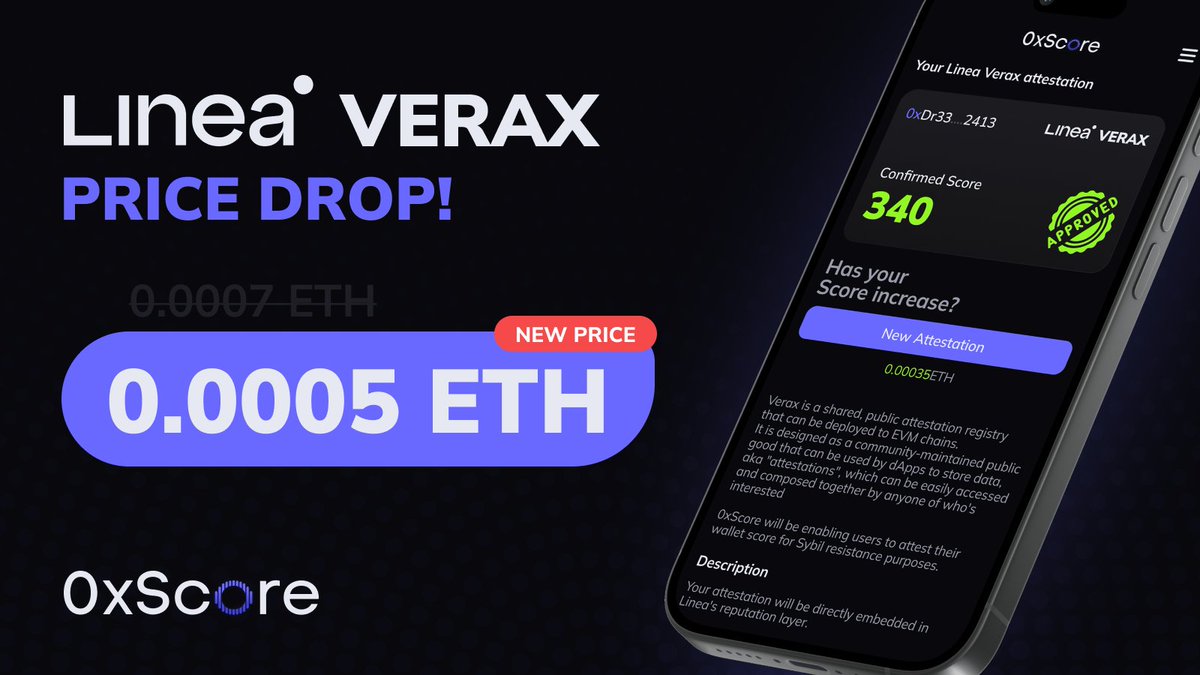
- 1. Verax: Top-ranked modular attestation protocol using zk-proofs on OP Stack L2s for scalable DID management.Key features: Attestation registry, multi-issuer support, deep L2 optimization for Ethereum scaling.Supports: Optimism, Base, Ethereum L2s ver.ax
1. Polygon ID: The L2 Powerhouse for Everyday Proofs
Polygon ID tops our list with unmatched adoption on Polygon and cross-L2 bridges. It leverages zk-SNARKs to create issuer-agnostic credentials, perfect for proving attributes like over-18 status without revealing your full profile. Strategic edge: seamless integration with Polygon's AggLayer for unified liquidity across Optimism and Arbitrum. Users report 90% lower gas costs versus mainnet DID tools, making it relatable for retail traders scaling positions.
2. Sismo: Privacy-First Credentials with Group Proofs
Sismo excels in L2 privacy features, using zk-SNARKs for group attestations that bundle multiple user signals anonymously. Ideal for Ethereum L2 users in DAOs or NFT drops on ZKSync, it supports verifiable credentials for on-chain reputation without doxxing. Opinion: its badge system feels intuitive, like earning trust badges in a game, but backed by math. Adoption surges with 2026 airdrop hunts, per Zipmex insights.
3. Reclaim Protocol: Bridging Web2 Data to L2 Securely
Reclaim Protocol bridges off-chain data to zk-SNARK proofs on L2s like Base and Arbitrum, letting you reclaim control over LinkedIn or bank proofs. No data leaves your device; proofs settle fast. For developers, its API shines for custom DApps. Relatable win: finally prove income for lending protocols without banks sniffing around. Strong verifiable credentials support positions it high for strategic DeFi plays.
These leaders set the bar, but the pack tightens with innovative challengers ahead.
Let's dive into the next tier, where specialized tools carve niches in the competitive L2 landscape.
4. Semaphore: Anonymous Signaling for L2 Governance
Semaphore stands out for its zk-SNARK-based anonymous signaling, perfect for Optimism and Arbitrum users coordinating without revealing identities. It enables group membership proofs, letting you signal votes or alerts in DAOs while staying pseudonymous. Strategically, I see it as a game-changer for privacy in contentious governance forks, where one leak could swing outcomes. Adoption grows via integrations with ZKSync bridges, aligning with Defiway's top Ethereum bridges for 2026. Verifiable credentials here focus on dynamic groups, keeping your strategy flexible across L2s.
5. Privado ID: Mobile-Optimized zk Proofs on the Go
For mobile L2 traders on Polygon or Base, Privado ID delivers compact zk-SNARK circuits tailored for smartphones, proving credentials like device ownership or app usage without heavy computation. Its relatable appeal? No more clunky desktop setups; scan, prove, done. Privacy shines through audited circuits that minimize on-chain data, earning nods from CoinCodex's zero-knowledge project roundup. In my view, it's the strategic pick for on-the-move users tokenizing DID for DeFi yields, with solid verifiable credentials for cross-L2 swaps.
6. zkPass: Universal Data Proofs Across Chains
zkPass tackles interoperability head-on, generating zk-SNARK proofs from diverse data sources for Ethereum L2s like Mantle and ZKSync. Prove Twitter followers or GitHub commits on-chain without APIs leaking info. This universality boosts adoption among developers building L2 DApps, per GitHub's ZK resources. Opinionated take: pair it with cross-chain wallets from Money. com's 2026 picks for a powerhouse setup. Verifiable credentials support makes it indispensable for reputation-based access in Optimism ecosystems.
7. SpruceID: Enterprise-Grade Attestations for Teams
SpruceID brings robust zk-SNARK attestations to organizational use on Arbitrum and Polygon, issuing multi-party verifiable credentials for teams verifying supply chains or employee status privately. It's relatable for orgs dipping into Web3, bridging enterprise needs with L2 speed. Strong privacy via permissioned circuits positions it well against Reclaim for Web2 data. As an options strategist eyeing DID tokenization, I rate its scalability high for tokenized identity derivatives on L2s.
8. Verax: Modular Framework for Custom zk IDs
Rounding out the list, Verax offers a modular zk-SNARK framework for crafting bespoke DID proofs on ZKSync and Optimism. Developers love its composability for stacking credentials, like age and membership for exclusive drops. Privacy holds via recursive proofs, and adoption climbs with verifiable credentials plugins. Strategic angle: customize for L2-specific strategies, such as low-latency proofs in high-volume Arbitrum trading.
Across these wallets, L2 integration varies but all leverage zk-SNARKs for sub-cent fees and instant finality, outpacing mainnet by orders of magnitude. Polygon ID leads adoption, while zkPass edges in versatility.
Choosing your zk-SNARK DID wallet boils down to your L2 stack and use case. Polygon ID or Sismo for broad DeFi; Semaphore for governance; zkPass for data-heavy plays. Test on testnets first, audit circuits, and layer with hardware wallets for defense-in-depth. As Ethereum L2s evolve per Phemex and Cryptonews 2026 rankings, these tools future-proof your self-sovereign ID, opening tokenized possibilities in privacy-first ecosystems.



No comments yet. Be the first to share your thoughts!