
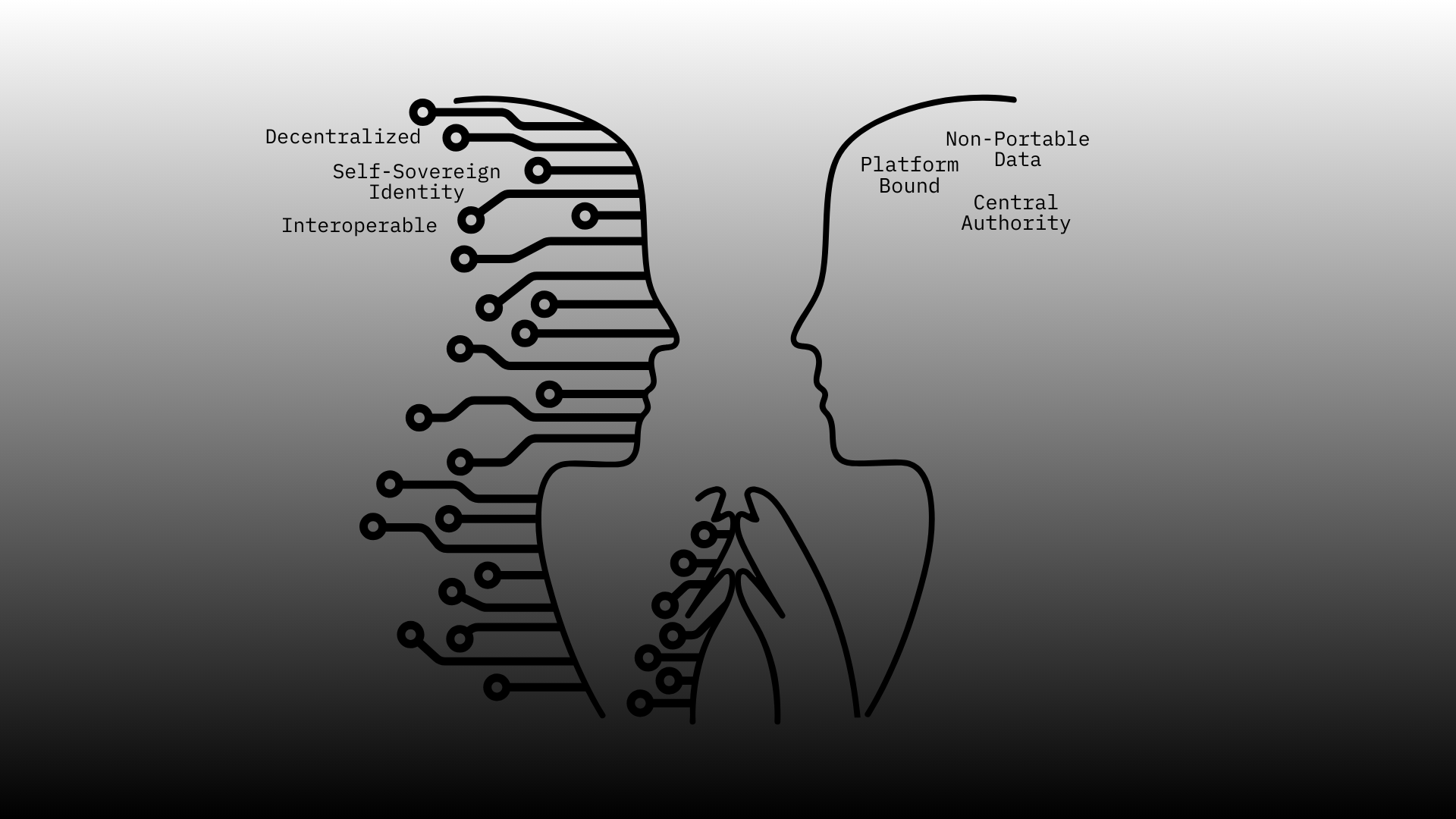
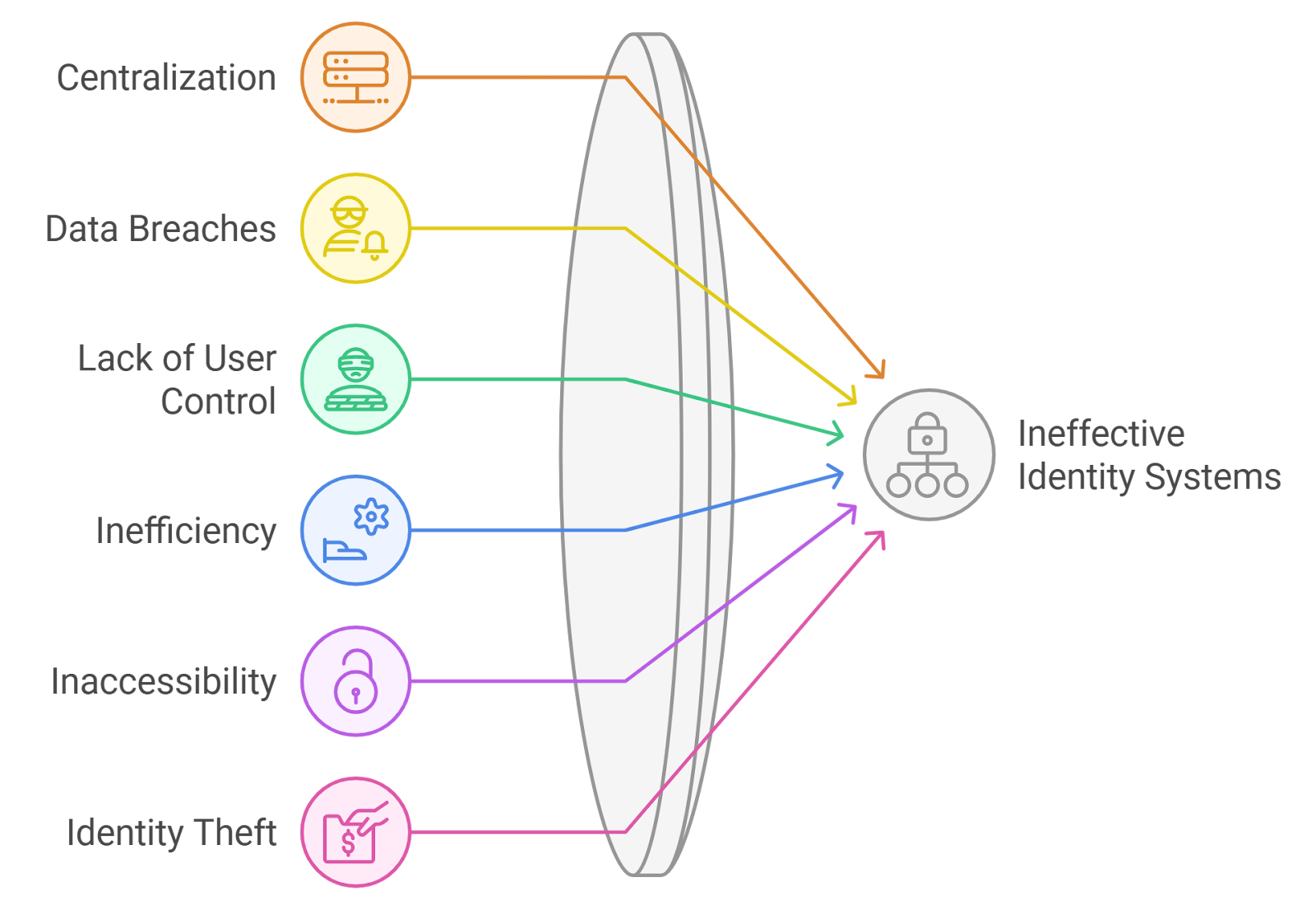
In an era where data breaches and centralized identity providers dominate headlines, self-sovereign identity wallets emerge as a beacon of user empowerment. These tools, often centered around Decentralized Identifiers (DIDs), allow individuals to manage their digital personas without intermediaries dictating access or storage. True control for DID users means selective disclosure: proving attributes like age or nationality without revealing underlying personal details. This shift, powered by blockchain and cryptography, redefines decentralized identity control, promising privacy that traditional systems simply cannot match.
Foundations of Self-Sovereign Identity
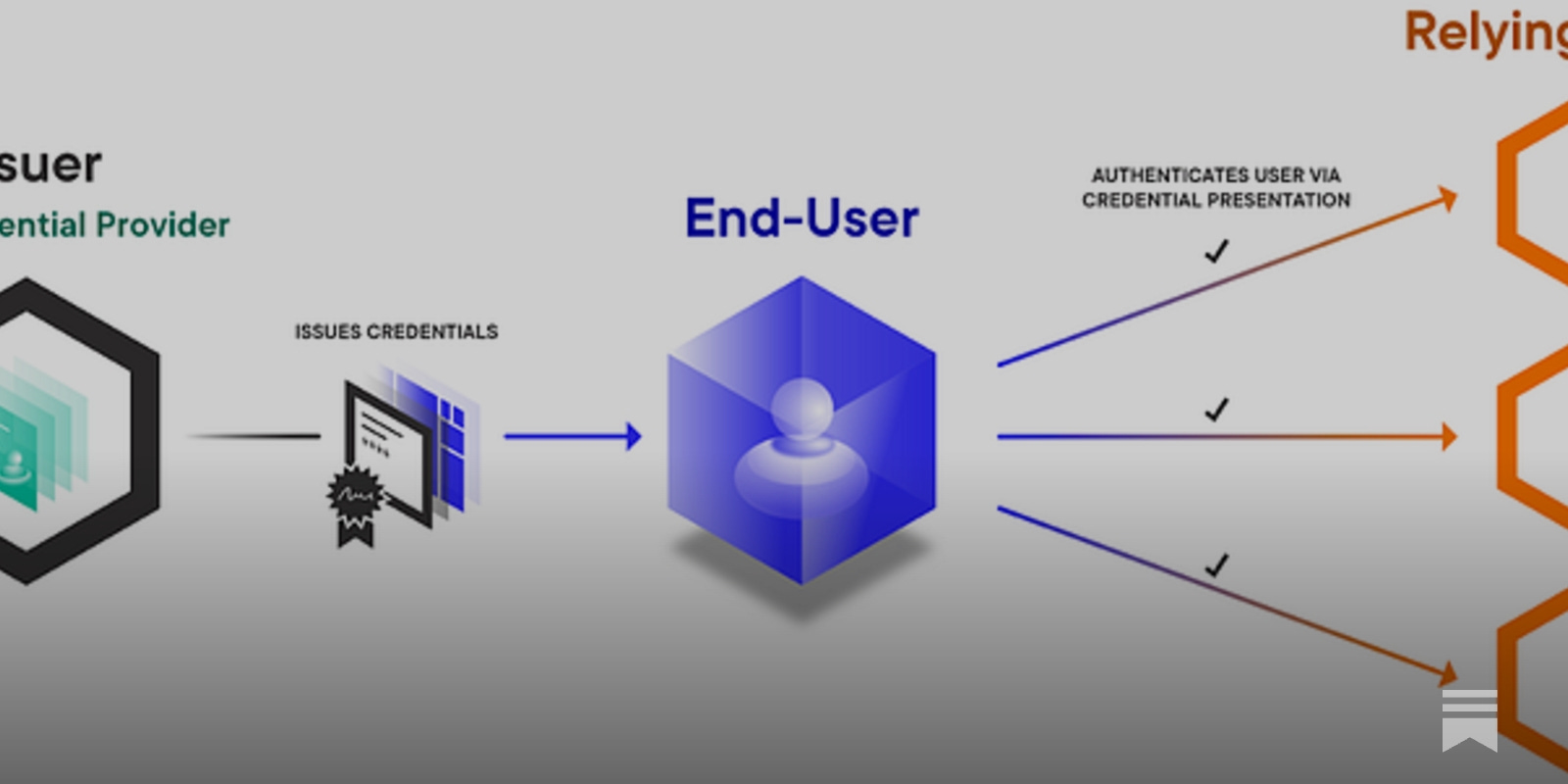
Self-sovereign identity (SSI) positions the user at the core of their digital existence. Unlike federated models reliant on giants like Google or governments, SSI equips individuals with portable, tamper-proof credentials stored in personal wallets. Drawing from definitions across sources such as Okta and Wikipedia, SSI grants complete ownership: users decide what data to share, with whom, and for how long. Verifiable credentials (VCs), cryptographically signed by issuers, form the backbone, enabling trust without constant reconfirmation.
Consider the mechanics. A DID serves as a unique, resolver-independent identifier, akin to a personal namespace on the blockchain. Recent European Union efforts toward a unified digital identity framework underscore SSI's momentum, integrating with infrastructures like the European Blockchain Services Infrastructure. Projects such as TrustVault exemplify this, offering privacy-first wallets that align with regulatory pushes while preserving user sovereignty.
Essential SSI DID Wallet Components
- DIDs (Decentralized Identifiers): Unique, user-generated identifiers enabling control without central authorities, per W3C standards.
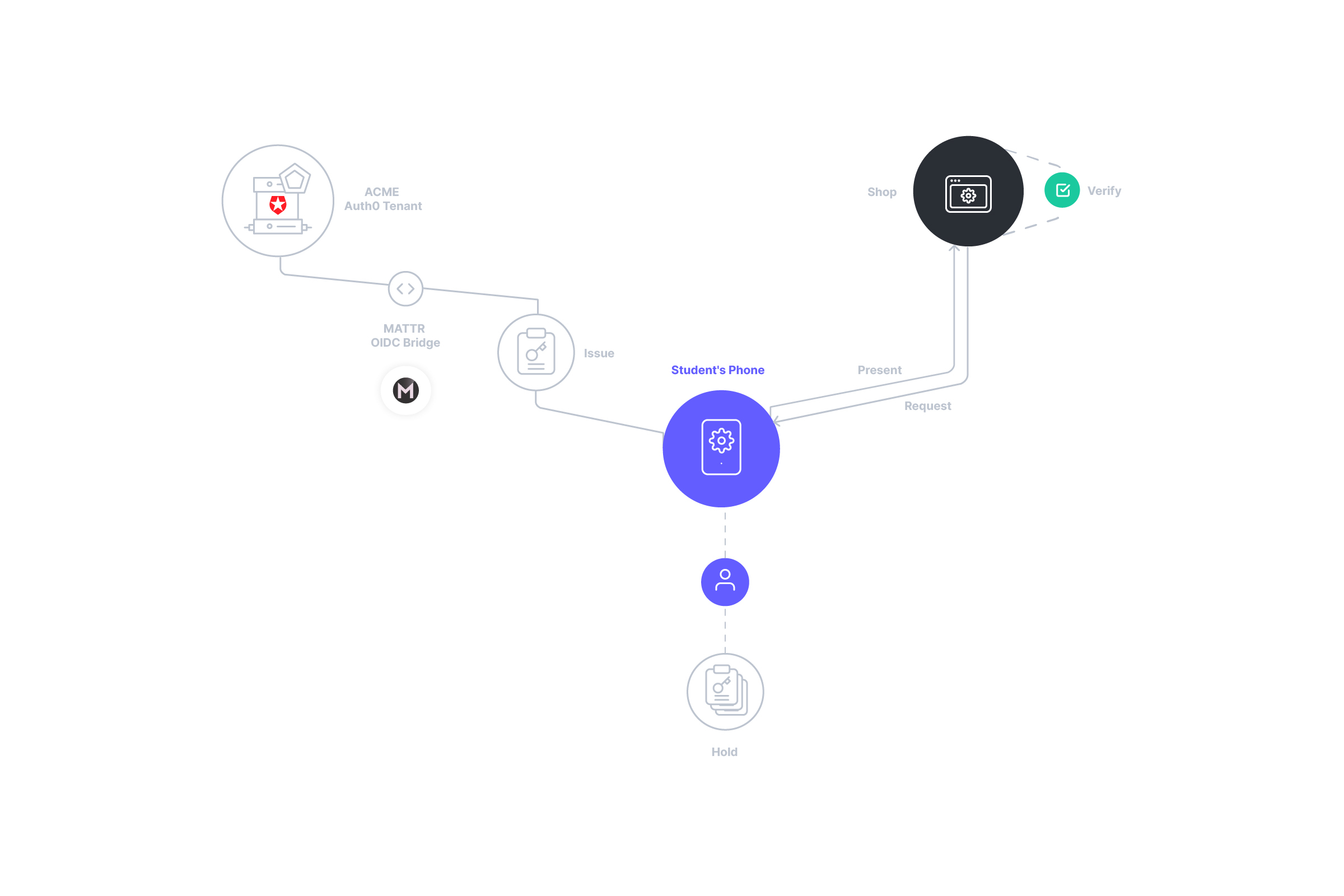
- Verifiable Credentials (VCs): Cryptographic proofs of attributes issued by trusted parties, stored securely in wallets for presentation.
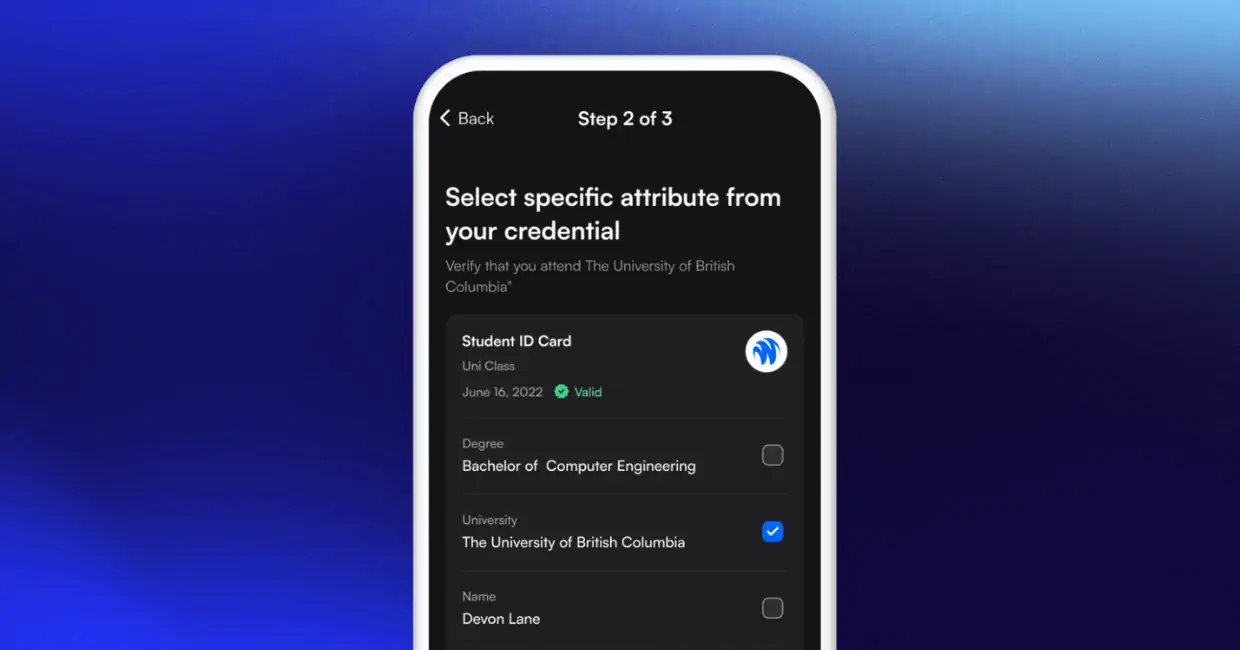
- Zero-Knowledge Proofs (ZKPs): Allow selective disclosure of data without revealing underlying information, enhancing privacy.
- Blockchain Anchors: Immutable ledger references ensuring DID and VC tamper-resistance and verifiability.
Wallets: The Vaults of Decentralized Autonomy
SSI DID wallets transcend mere storage; they orchestrate a ecosystem of agents and hubs. As detailed in analyses like Volodymyr Pavlyshyn's deep dive, these wallets interact with issuers, verifiers, and holders seamlessly. Users issue credentials from trusted sources - think universities for diplomas or banks for KYC proofs - then present them via the wallet during interactions. This eliminates repetitive data submissions, streamlining processes like onboarding for financial services or border controls.
True control manifests in interoperability. Standards from the Decentralized Identity Foundation ensure wallets like those reviewed at onchainpassport. org work across blockchains, from Ethereum to specialized identity chains. No longer do users surrender data to silos; instead, they wield cryptographic keys, revocable at will. For developers and privacy advocates, this pragmatic architecture bridges Web2 friction with Web3 precision.

Zero-Knowledge Proofs: The Privacy Engine
At the heart of zk identity wallets lies zero-knowledge proofs (ZKPs), a cryptographic marvel enabling proof without exposure. Dock Labs' beginner guide nails it: ZKPs allow selective disclosure, where you verify 'over 18' without broadcasting your birthdate. Extrimian's visuals depict this elegantly - a digital SSI authenticated via ZKP protocols, untraceable yet verifiable.
From a risk-management lens, honed over 14 years in digital assets, ZKPs mitigate the single-point failures plaguing centralized IDs. NIH's systematic review affirms SSI's user-centric model, now supercharged by ZK tech for compliance-heavy sectors like finance and healthcare. As blockchain reshapes trust per Bobsguide, wallets embedding ZKPs streamline KYC/AML without compromising sovereignty.
Practical applications reveal the transformative potential of these wallets. In finance, streamlined KYC processes allow users to prove compliance without exposing full histories, reducing fraud risks while accelerating approvals. Healthcare benefits from secure sharing of medical records, where patients control access granularly. Bobsguide highlights how blockchain-based SSI reshapes trust, particularly in KYC/AML, where verifiers confirm attributes instantly via ZKPs.
Real-World Use Cases and Adoption Trends
Adoption surges as enterprises integrate SSI solutions. The European Union's digital identity initiative promises a framework for all citizens, leveraging wallets compatible with the European Blockchain Services Infrastructure. TrustVault stands out, delivering privacy-first data wallets that prioritize user control amid regulatory evolution. For developers, open standards facilitate building zk identity wallets that interoperate seamlessly, from Ethereum-based DIDs to specialized chains.
Privacy advocates appreciate the revocation mechanisms: issuers can invalidate credentials post-employment or expired licenses, all managed holder-side. This contrasts sharply with centralized databases vulnerable to breaches, as seen in recent high-profile incidents. From my vantage in digital asset markets, SSI wallets represent a risk-mitigated evolution, akin to hardware security modules but democratized for everyday users.
Key SSI Wallet Applications
- Finance KYC Streamlining: SSI wallets enable selective disclosure via zero-knowledge proofs, minimizing data exposure during onboarding. Real-world: SelfKey wallet streamlines KYC for financial services.
- Healthcare Record Sharing: Patients share specific verifiable credentials from wallets, ensuring privacy and control. Real-world: MIT's MedRec demonstrates SSI for secure medical record access.

- Government Services Access: Users prove eligibility with DIDs for services like benefits or voting. Real-world: BC Digital Trust in Canada uses SSI wallets.
- Enterprise Onboarding: Verifies employee credentials swiftly without redundant checks. Real-world: Trinsic provides SSI wallets for HR verification processes.
- Cross-border Verification: Enables trusted identity proofing across jurisdictions. Real-world: EU's European Digital Identity Wallet supports seamless pan-European services.
Challenges and Pragmatic Solutions
No paradigm shift lacks hurdles. User experience remains a barrier; managing multiple DIDs and VCs demands intuitive interfaces, which nascent wallets are refining. Interoperability gaps persist across blockchains, though Decentralized Identity Foundation standards address this progressively. Scalability concerns with ZKPs, computationally intensive, spur innovations like zk-SNARKs optimizations.
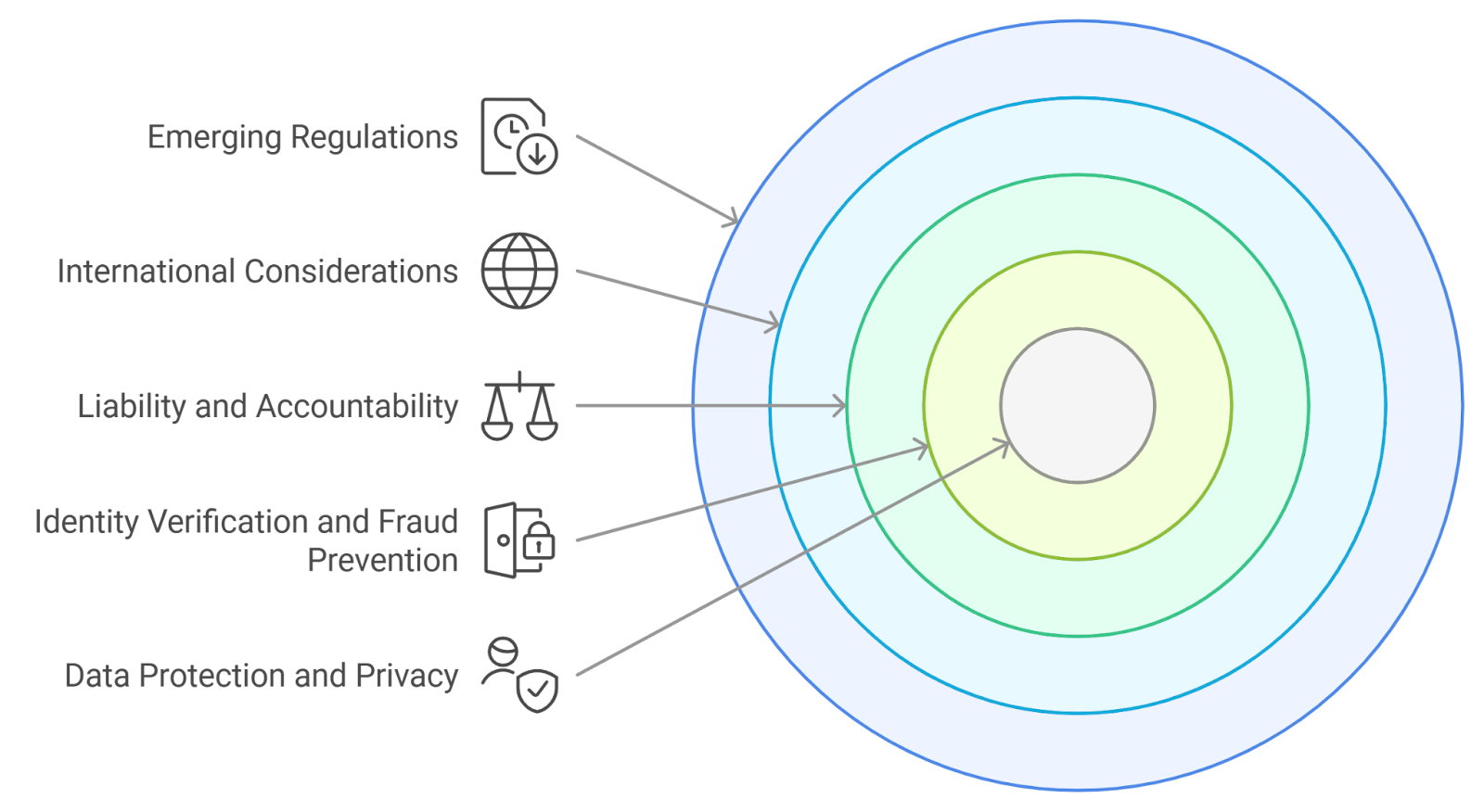
Regulatory alignment poses another test. While EU initiatives pave the way, global fragmentation requires adaptive wallets. ResearchGate's exploration of SSI and digital wallets emphasizes portability across organizations, a goal achieved through universal DID methods. My pragmatic view: prioritize wallets with audited cryptography and multi-chain support to navigate these waters effectively.
Security underpins everything. Wallets must employ hierarchical deterministic keys and secure enclaves to guard private keys. Multi-factor recovery, often via social or shard-based schemes, ensures access without single failures. For blockchain enthusiasts, this means auditing smart contracts anchoring DIDs, a staple in mature SSI ecosystems.
The Future: Empowering Tomorrow's Digital Citizens
Looking ahead, SSI wallets will integrate deeper into daily life, from e-commerce logins to decentralized social networks. Zero-knowledge technology advances, with succinct proofs enabling mobile-friendly zk identity wallets. Identity. org's guide underscores full data ownership, a reality as wallets evolve into comprehensive agents handling AI-assisted credential management.
Condatis envisions distributed SSI managing everything from birth certificates to licenses, a vision gaining traction. NIH's review maps this user-centered model, predicting widespread adoption as privacy regulations tighten. For investors and users alike, self-sovereign identity wallets offer not just tools, but a strategic edge in an data-saturated world.
Embracing these wallets means reclaiming agency. In a landscape of surveillance capitalism, true control through decentralized identity control equips individuals to navigate Web3 with precision and privacy. Developers, enthusiasts, and advocates: the infrastructure exists; the choice to wield it defines the next era of digital sovereignty.



No comments yet. Be the first to share your thoughts!