
In 2026, the landscape of digital identity has shifted dramatically toward self-sovereign models empowered by zero-knowledge proofs. With the European Union's eIDAS Regulation now in full effect, privacy-enhancing technologies like ZKPs are no longer optional; they are integral to compliant, user-controlled identity systems. zk identity wallets stand at the forefront, leveraging zkTLS and selective disclosure to bridge Web2 credentials with on-chain verification without sacrificing privacy. This fusion allows individuals to prove attributes such as age or residency from private sources like banking apps or social platforms, all while revealing nothing more than necessary.
These advancements address a core tension in decentralized identity: how to verify real-world data without centralized intermediaries. Traditional self-sovereign identity wallets relied on issuer-trusted verifiable credentials, but zkTLS introduces verifiable data composability directly from HTTPS sessions. As Sophon's zkTLS-based Social Oracle demonstrates, users can now convert off-chain personal data into tamper-proof on-chain assets seamlessly. This isn't hype; it's a pragmatic evolution driven by regulatory pressure and technological maturity.
Decoding zkTLS: Secure Bridges Between Web2 and Web3
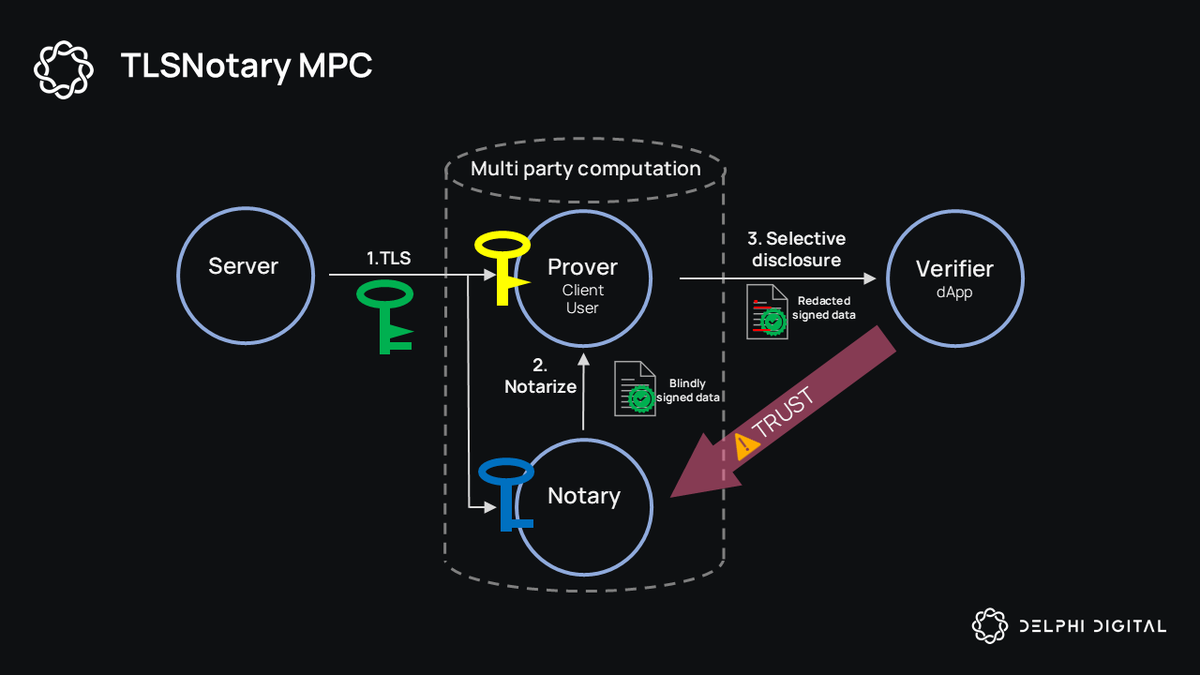
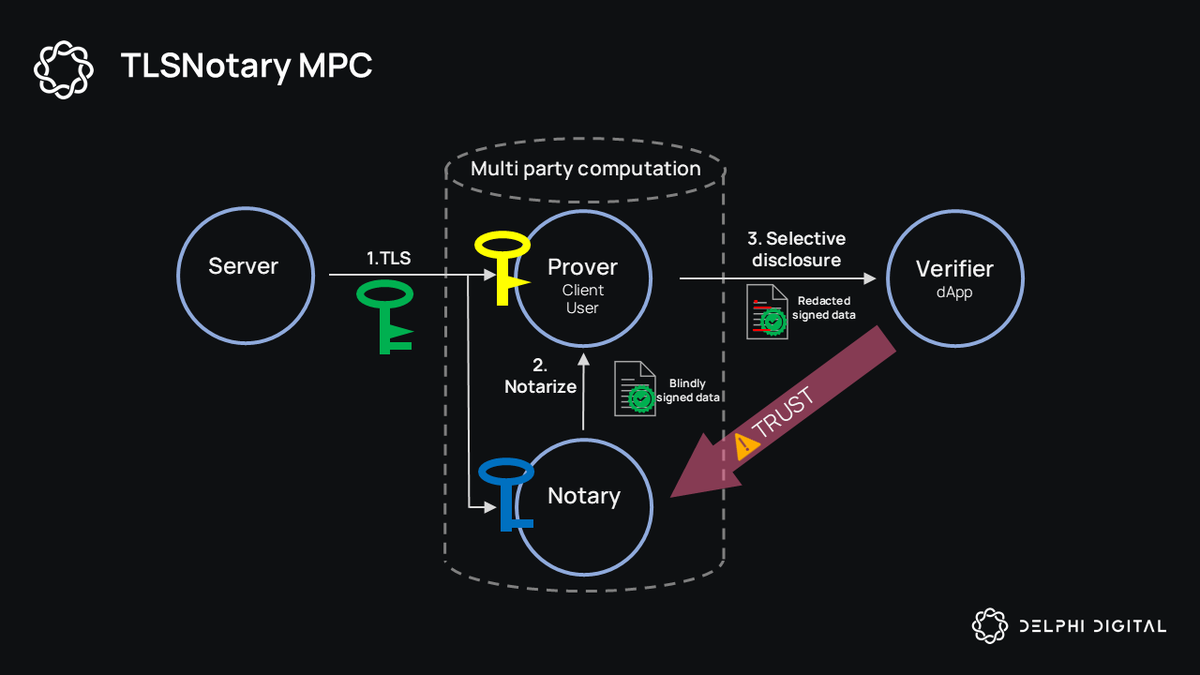
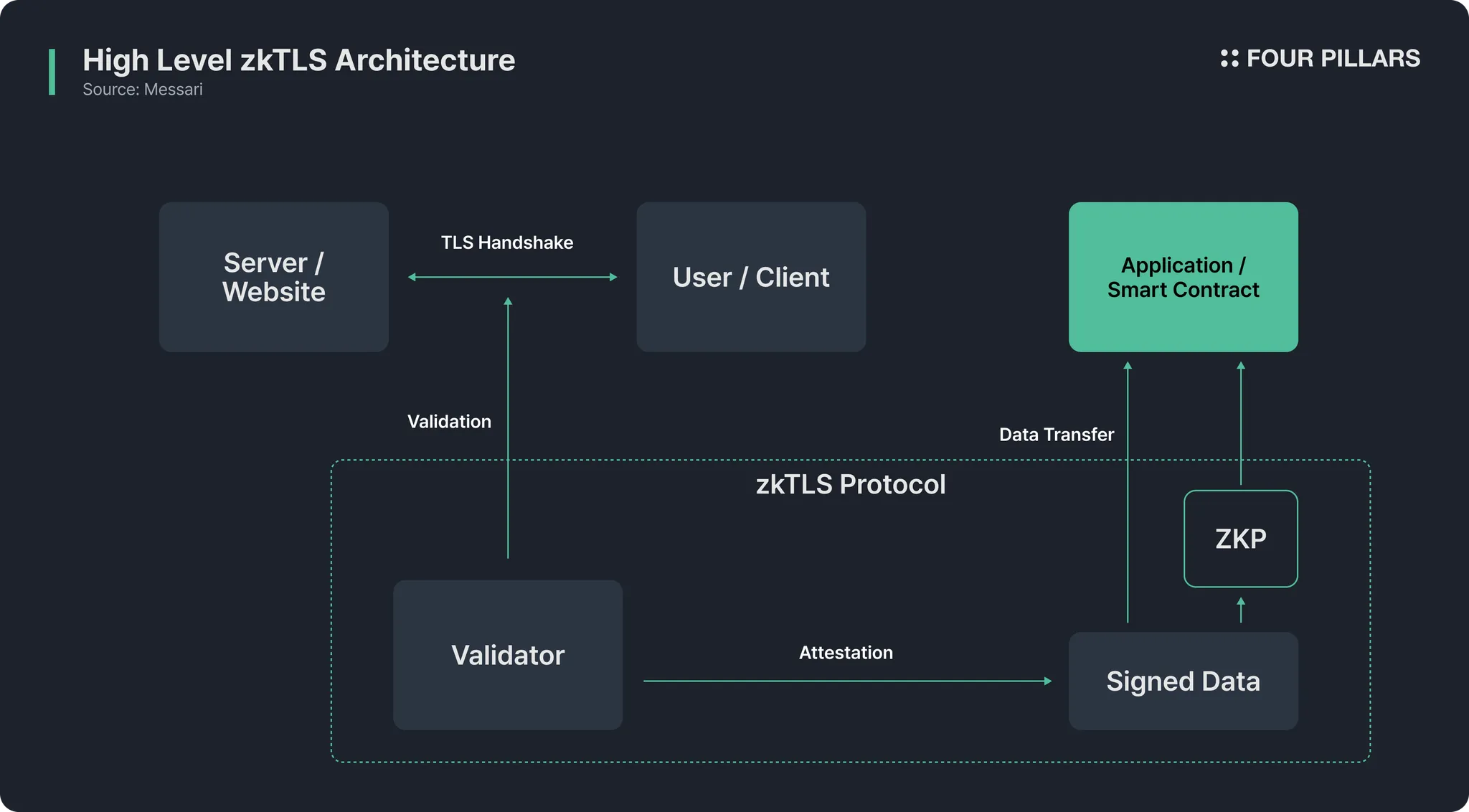
zkTLS enhances the ubiquitous TLS protocol by embedding zero-knowledge proofs into encrypted web sessions. Imagine logging into your streaming service or gaming platform; zkTLS generates a proof that you hold a premium subscription or achieved a certain level, without exposing your username, email, or full account details. Shoal Research highlights this as verifiable data composability, enabling zkTLS DID wallets to ingest private data securely.
The mechanics are precise: during an HTTPS handshake, zkTLS circuits compute proofs over the session's content, attesting to specific claims. Verifiers, such as DeFi protocols or social dApps, validate these proofs on-chain instantly. No data leaves your device unencrypted, and no full credentials are shared. In practice, zkPass exemplifies this by proving KYC compliance attributes like residency from documents, streamlining access to services while minimizing exposure.

This technology's strength lies in its interoperability. It works with existing Web2 infrastructure, making adoption frictionless for enterprises and governments alike. ETSI standards now endorse zkTLS for data minimization, aligning with GDPR principles and paving the way for widespread deployment in self-sovereign identity wallets.
Selective Disclosure: Precision Control Over Identity Attributes
Selective disclosure takes privacy from theoretical to operational. In zero-knowledge selective disclosure (ZK-SD-VCs), holders of verifiable credentials reveal only targeted claims. IOTA's implementation allows users to prove they are over 18 from a full ID credential without disclosing name, address, or photo. This is the essence of selective disclosure zk wallets: cryptographic predicates ensure verifiers learn exactly what they need, nothing more.
Top Benefits of Selective Disclosure
- Enhanced Privacy: Reveal only specific attributes, like age via zkPass zkTLS proofs, without exposing full documents.
- Regulatory Compliance: Aligns with GDPR data minimization and EU eIDAS 2026 via ETSI-recognized ZKPs for selective sharing.
- Reduced Data Breach Risks: Minimizes shared data exposure, as in IOTA's ZK-SD-VCs where only parts of credentials are disclosed.

- Seamless Web3 Onboarding: Convert Web2 credentials to on-chain via Sophon's zkTLS Social Oracle without compromising privacy.
- User Sovereignty: Full control over data sharing, as in Zakapi's ZK platform for proving eligibility without unnecessary info.
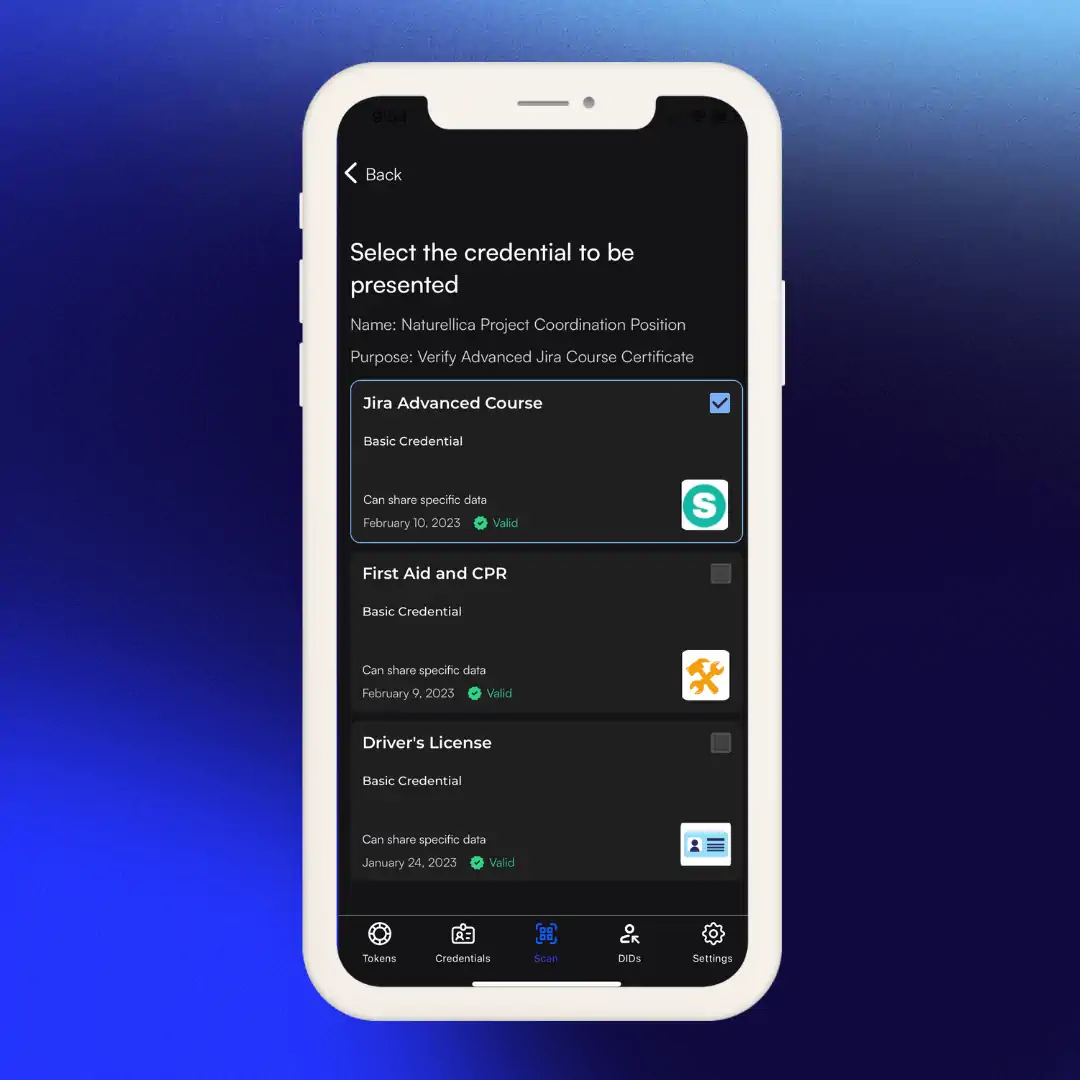
Consider Apple Wallet's Mobile Driver's Licenses or Google Wallet's ZKP integration; these mainstream apps now mimic SSI principles through zero-knowledge authentication. Users scan a QR, prove eligibility for age-restricted events, and walk away with zero trace left behind. For blockchain enthusiasts, this means interacting with social protocols via ZK-ID without exposing wallet addresses, reclaiming privacy in an extractive digital economy.
The opinion here is clear: selective disclosure isn't just a feature; it's a paradigm shift. Dock Labs describes ZKPs as verifying information without revelation, but in 2026, it's evolved into composable identity primitives. Enterprises benefit from streamlined IAM, while individuals gain unprecedented control.
2026 Catalysts: Regulatory and Ecosystem Momentum
eIDAS 2.0 mandates privacy tech integration, thrusting decentralized ID zk proofs 2026 into national digital ID frameworks. Zakapi's sovereign platform lets citizens prove service eligibility via zero-knowledge crypto, digitizing government interactions privately. CES 2026 showcased digital identity wallets with tamper-proof, selectively disclosable credentials, signaling Web3's mainstream pivot.
Integration efforts abound. IOTA weaves ZK-SD-VCs into its stack, while zkPass and Sophon target consumer apps. This ecosystem maturity means zk identity wallets are no longer niche tools for developers; they are accessible gateways for privacy advocates and everyday users. The result? A future where your identity is your most valuable asset, protected by math, not corporations.
Read more on how self-sovereign identity wallets use zero-knowledge proofs for selective disclosure to deepen your understanding.
As zk identity wallets mature, practical deployments reveal their transformative potential. Sophon's zkTLS Social Oracle, for instance, verifies private Web2 data like social profiles or gaming achievements on-chain, creating personalized blockchain experiences without privacy leaks. Users generate proofs from HTTPS sessions in their self-sovereign identity wallets, converting ephemeral credentials into persistent, verifiable assets. This composability unlocks use cases from tailored DeFi lending based on off-chain income proofs to social dApps rewarding verified engagement history.
zkPass and Beyond: Streamlining KYC with Zero-Knowledge
zkPass pushes boundaries by leveraging zkTLS for zero-knowledge KYC. Prove residency or age from passports and bank statements without uploading documents. Verifiers receive succinct proofs confirming compliance attributes, ideal for crypto exchanges demanding regulatory adherence yet respecting user sovereignty. In 2026, this reduces onboarding friction dramatically; no more repetitive form-filling or data silos. Instead, portable proofs travel across platforms, embodying decentralized ID zk proofs 2026.
we talk a lot about privacy in web3, but not all privacy tech works the same way. here’s a simple breakdown of how traditional encryption, zero-knowledge proofs, and zama’s fully homomorphic encryption (fhe) actually differ 👇 1️⃣ traditional encryption keeps data safe while stored or sent. it’s what protects your messages, wallets, and files. but once you need to use the data, it has to be decrypted. → great for storage and communication, not for computation. 2️⃣ zero-knowledge proofs (zkps) let you prove something is true without revealing the data itself. you can show you have enough funds or meet a condition even without exposing your info. → great for verification and compliance, not actual computation. 3️⃣ fully homomorphic encryption (fhe) this is where @zama changes the game. it lets you compute directly on encrypted data without any decryption needed. so a smart contract can process sensitive info without ever seeing it. → perfect for confidential defi, identity, and data-driven dapps. 🧩 these 3 are complementing each other. • encryption protects data • zk proofs verify truth • fhe enables private computation gZama
Government adoption accelerates this shift. Zakapi's platform deploys zero-knowledge cryptography for citizen services, letting users prove eligibility for benefits or voting without exposing full identities. IOTA complements with ZK-SD-VCs, where credential holders selectively disclose claims at will. ETSI's standards solidify these as GDPR-aligned best practices, ensuring selective disclosure becomes table stakes for digital ID frameworks.
Mainstream Wallets Embrace ZK: Apple, Google, and the SSI Convergence
Big Tech validates the model. Apple Wallet's mDLs approximate zero-knowledge via secure enclaves, proving driving privileges sans full disclosure. Google Wallet's ZKP adoption extends this to payments and passes, verifying attributes like account status privately. These aren't pure SSI yet, but they normalize selective disclosure for billions, priming users for full zkTLS DID wallets.
Privacy advocates should prioritize wallets blending these technologies. Look for native zkTLS support, ZK-SD-VC issuance, and intuitive proof generation. Tools like these reclaim control from extractive platforms, as FinTech Weekly notes: zero-knowledge proofs escape data-harvesting paradigms by attesting facts selectively.
| Wallet Feature | zkTLS Support | Selective Disclosure | Key Use Case |
|---|---|---|---|
| Sophon Social Oracle | Yes | Partial | Social data on-chain |
| zkPass | Yes | Yes | KYC proofs |
| IOTA Identity | No | Yes (ZK-SD-VCs) | Enterprise IAM |
| Zakapi | Partial | Yes | Gov services |
Challenges persist: proof generation demands computational heft, though hardware acceleration in mobiles mitigates this. UX refinements, like one-tap proof sharing, close the gap. Regulatory clarity from eIDAS fosters innovation, while zkrollups. io's ZK-ID shields social interactions from wallet exposure.
For blockchain users, the pivot is pragmatic. Integrate zkTLS DID wallets today via setup guides tailored for privacy-focused setups. Experiment with proving Web2 ties on-chain; the control feels liberating. As CES 2026 illuminated, tamper-proof credentials with selective disclosure herald Web3's quiet revolution. Individuals now dictate data flows, armed with cryptographic precision. This isn't distant futurism; it's the operable reality of self-sovereign ID in 2026.
Explore hands-on with our zk identity wallets setup guide for privacy advocates.




No comments yet. Be the first to share your thoughts!