
In the rapidly evolving landscape of Web3, the need for seamless, privacy-preserving digital identity is more urgent than ever. Traditional KYC and onboarding processes remain fragmented, siloed, and often compromise user privacy. Enter idOS – the Identity Operating System, a decentralized, open-source protocol designed to empower users with chain-agnostic, self-sovereign identity management across the entire blockchain ecosystem.
Why Chain-Agnostic Identity Matters in Web3
The promise of Web3 hinges on interoperability and user autonomy. Yet, most current identity solutions are tightly coupled to specific chains or platforms, locking users into walled gardens and duplicative verification procedures. This fragmentation not only creates friction but undermines the core ethos of decentralization.
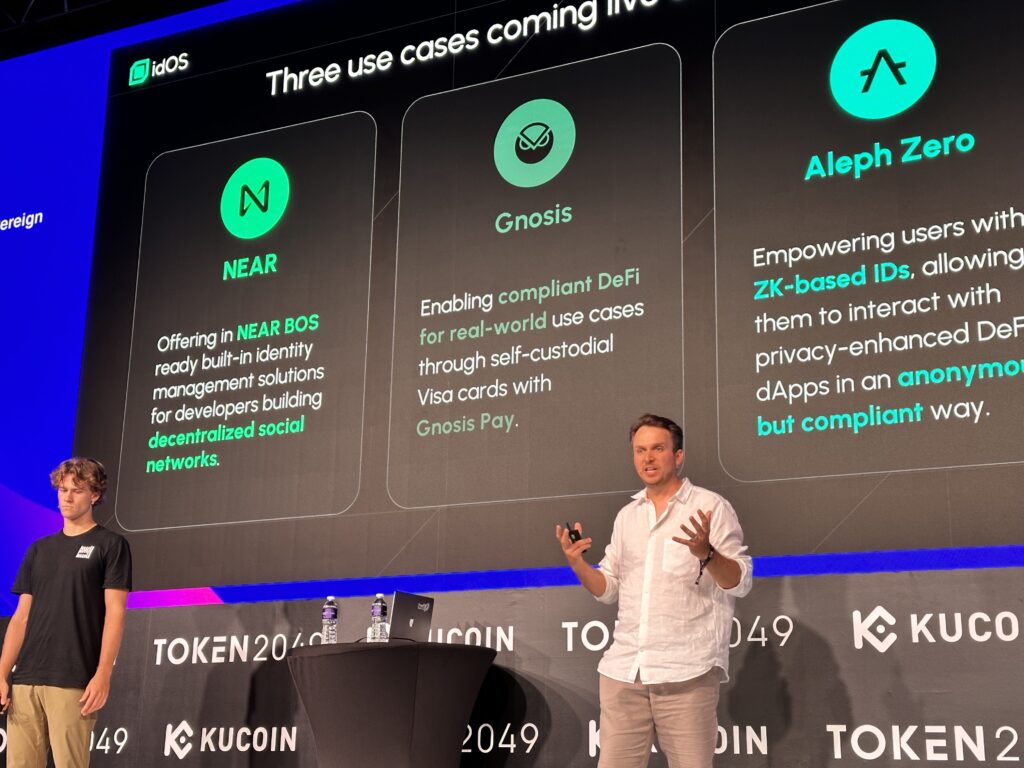
idOS addresses this challenge head-on. Its chain-agnostic architecture allows users to create a single digital identity that can be used seamlessly across multiple blockchains and decentralized applications (dApps). Whether you're interacting with DeFi protocols on NEAR, NFTs on Gnosis, or DAOs on Aleph Zero, your identity remains portable, verifiable, and under your exclusive control.
The Pillars of Self-Sovereign Identity with idOS
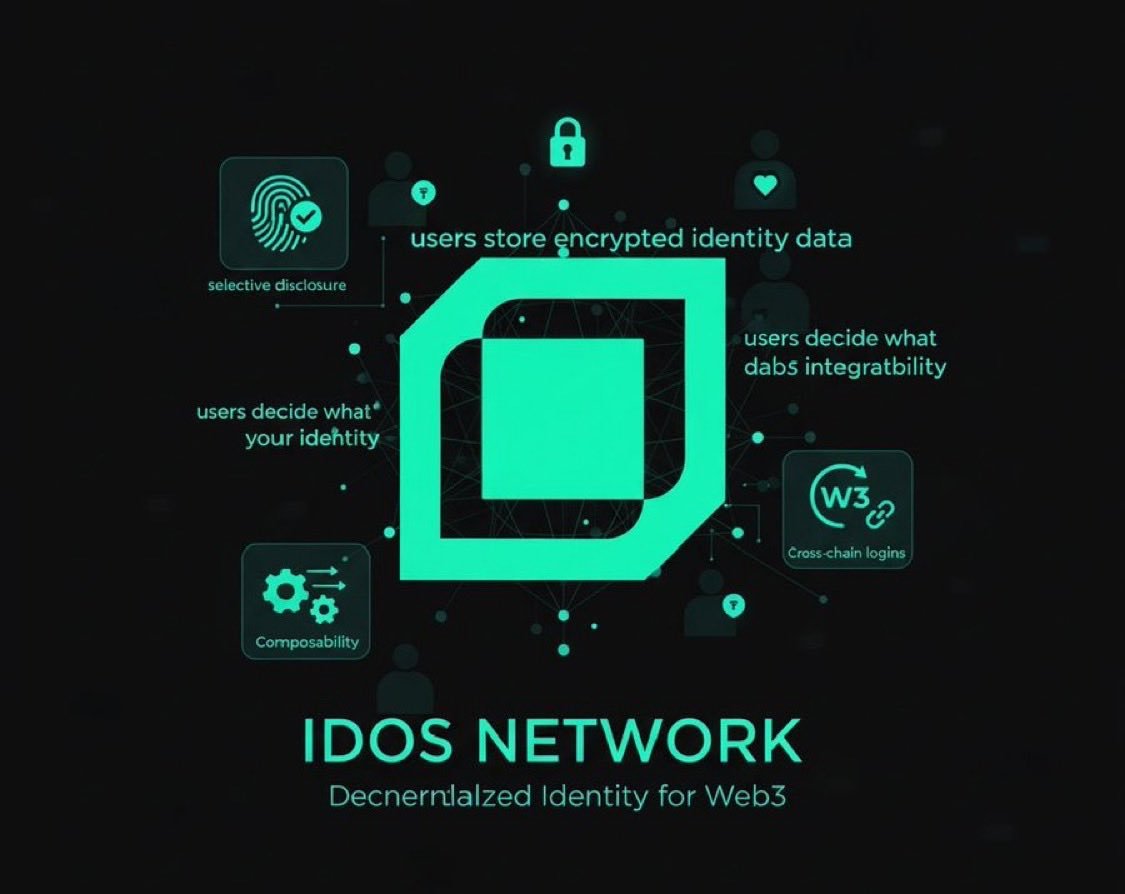
At its core, idOS leverages self-sovereign principles, placing users at the center of their data universe. Here’s how idOS achieves this:
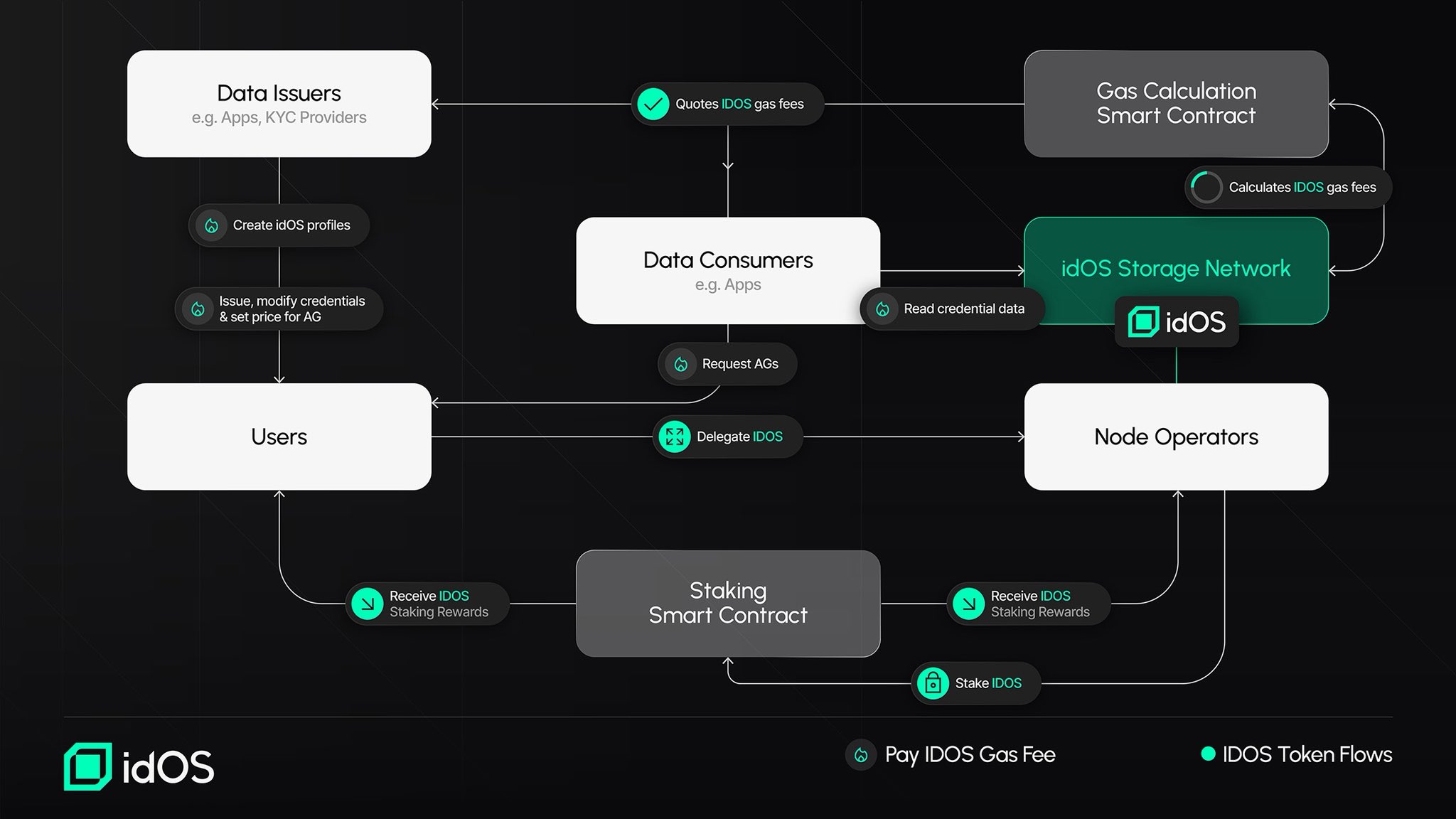
- User-Controlled Data: All personal information is encrypted and stored in a decentralized network of nodes. Only you decide who gets access, whether it’s a dApp needing KYC or a DAO requiring proof-of-participation.
- Selectively Shareable Credentials: Grant granular permissions to third parties. Want to prove your age or jurisdiction without revealing your full identity? idOS enables zero-knowledge proofs for privacy-preserving verifications.
- Revocable Access: Instantly revoke permissions at any time. Unlike legacy systems where data leaks are permanent risks, idOS lets you maintain ongoing sovereignty over your digital footprint.
- MPC-Powered Security: Through its partnership with Partisia Blockchain, idOS integrates Multi-Party Computation (MPC) to eliminate single points of failure. Your private keys are never held by any one party, not even you, making passwordless access both secure and user-friendly.
A Collaborative Ecosystem for Universal Digital Identity
The strength of idOS lies not just in its technology but in its broad-based industry partnerships. Collaborations with Fractal ID (for compliance), Kwil (for decentralized storage), NEAR Protocol, Gnosis Chain, and Aleph Zero ensure that the protocol remains robustly interoperable and future-proofed for emerging use cases across Web3 verticals.
This collaborative approach means that developers can integrate idOS into their dApps with minimal friction while end-users benefit from truly universal onboarding experiences. Imagine verifying once, then transacting everywhere: DeFi lending platforms, NFT marketplaces, gaming guilds, all accessible via a single reusable credential set managed by you alone.
The result? A future where users own their reputation on-chain; where portable KYC unlocks global participation; where privacy is preserved by design rather than as an afterthought. For those seeking deeper technical insights or practical integration strategies for their own projects, see our detailed guide on chain-agnostic decentralized identity wallets.
As regulatory scrutiny intensifies and cross-chain activity becomes the norm, idOS’s compliance-ready architecture stands out. By aligning with GDPR and other global data protection standards, idOS positions itself as a future-proof solution for both users and enterprises navigating the complexities of decentralized KYC. This is especially relevant for Web3 projects seeking to onboard users from diverse jurisdictions without sacrificing privacy or operational efficiency.
User Experience: Frictionless, Secure, Portable
One of the most powerful aspects of idOS is its ability to abstract away the technical burdens typically associated with decentralized identity. Thanks to its integration with MPC technology, onboarding is as simple as signing a transaction with your preferred wallet, no new apps to install, no passwords to remember. This dramatically lowers barriers for mainstream adoption while maintaining robust security guarantees.
Real-World Use Cases of idOS in Web3
- DAO Participation Across Chains: idOS empowers users to join and vote in DAOs—including DAOhaus or NEAR Governance—from different blockchains, using the same portable identity for governance and proposals.
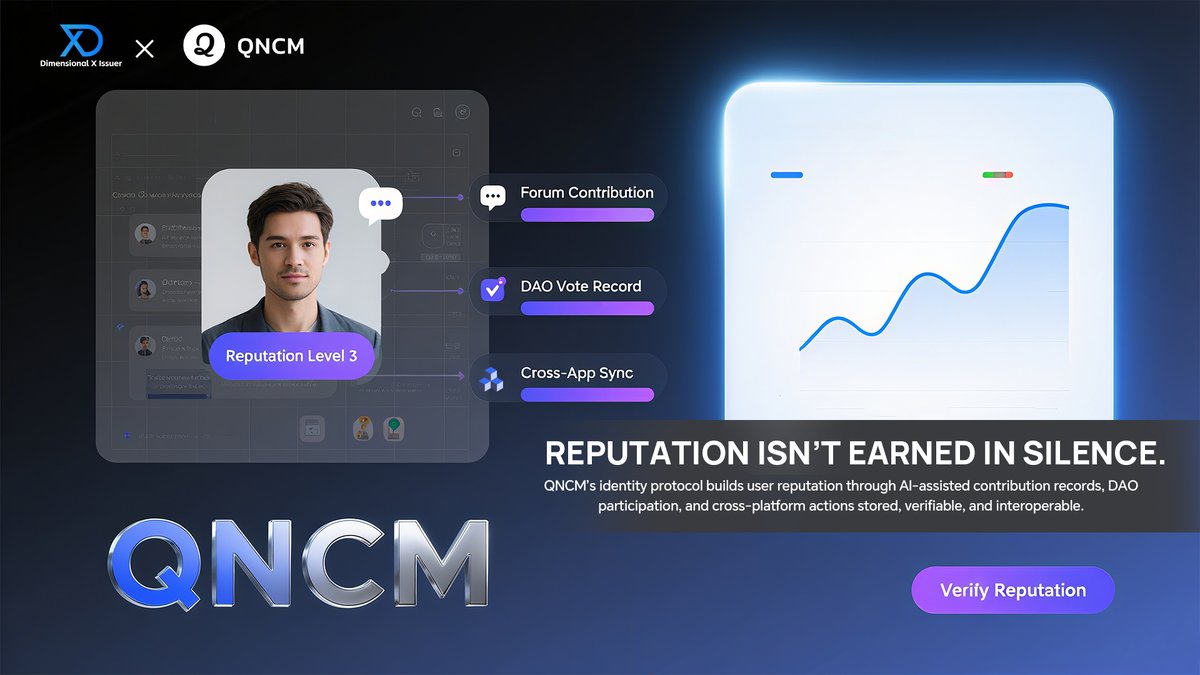
- Cross-Chain dApp Interactions: Thanks to chain-agnostic interoperability, idOS lets users interact with decentralized applications on networks like Aleph Zero and NEAR without creating multiple accounts or repeating verification.
Developers also benefit from this design philosophy. By leveraging idOS’s open-source SDKs and APIs, they can add privacy-preserving KYC flows or portable reputation systems to their dApps in a matter of hours rather than weeks. The result is an ecosystem where innovation is accelerated and user trust is foundational.
Privacy-Preserving KYC and Portable Reputation
Traditional KYC processes have long been at odds with user privacy, a tension that idOS resolves through selective disclosure and zero-knowledge proofs. Users can prove eligibility (age, residency, accreditation) without exposing their entire identity profile. This not only reduces risk but also enables new forms of portable on-chain reputation, empowering users to leverage their verifiable credentials across DeFi lending platforms, NFT drops, and token-gated communities.
The implications are profound: individuals gain agency over how they present themselves online while dApps can confidently onboard compliant users from day one. For a deeper dive into how portable KYC works in practice, and why it matters for global Web3 adoption, explore our resource on reusable KYC and portable identity across 40 blockchains.
What’s Next for Chain-Agnostic Identity?
The journey toward universal digital identity is far from over. With ongoing upgrades in decentralized storage infrastructure and cryptographic tooling (including key recoverability features powered by Lit Protocol), idOS continues to push the boundaries of what’s possible in self-sovereign identity management.
If you’re building in Web3 or simply want more control over your digital life, now is the time to experiment with chain-agnostic solutions like idOS. As more protocols adopt this open standard, and as user expectations for privacy and portability grow, the vision of seamless interoperability across chains will become reality.




No comments yet. Be the first to share your thoughts!