
Imagine a world where your digital passport is truly yours: portable, secure, and not tied to any central authority. That’s the vision behind the self-sovereign digital passport, an innovation at the intersection of privacy, blockchain, and decentralized identity tools. As we move into 2025, building such a passport is less science fiction and more practical reality, thanks to open-source frameworks, robust protocols, and evolving best practices.
Why Self-Sovereign Digital Passports Matter
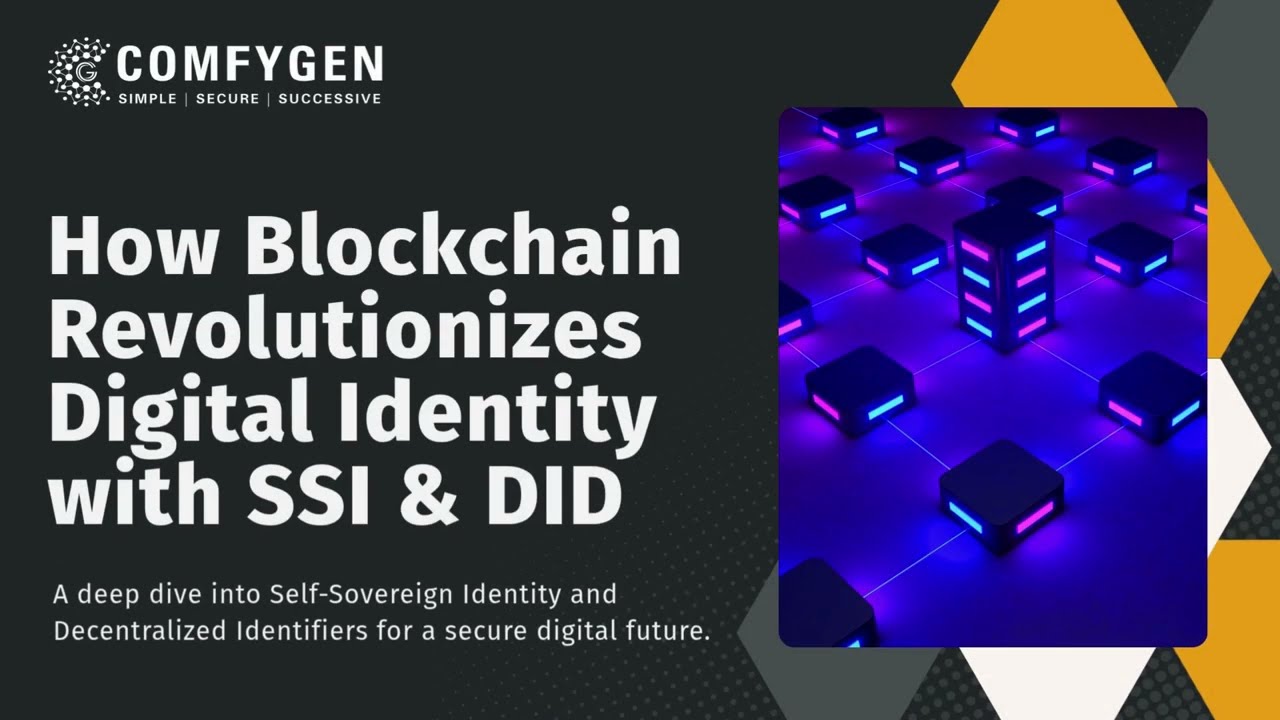
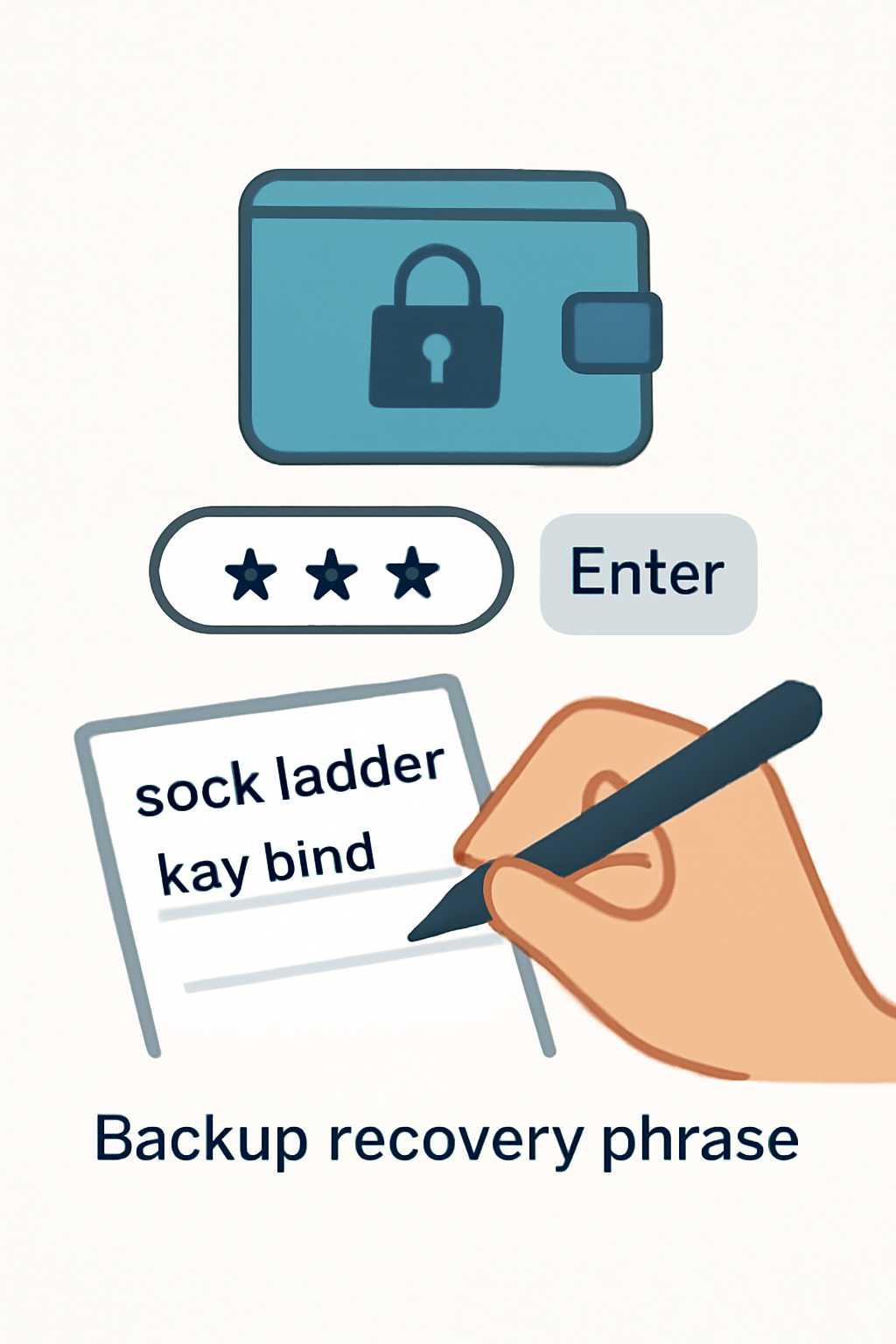
Traditional digital identity systems rely heavily on centralized entities, governments, banks, or tech giants, to issue and validate credentials. This model creates single points of failure and privacy concerns. In contrast, self-sovereign identity (SSI) empowers individuals to control their own data using decentralized technologies. Your digital passport becomes a collection of verifiable credentials (VCs) managed in your own wallet, no gatekeepers required.
The benefits are clear: enhanced privacy through selective disclosure, stronger security via cryptography, and true portability across borders or platforms. Real-world pilots like the NHS staff passport or government-grade digital IDs are already proving these concepts viable (source).
Essential Tools: Hyperledger Indy and DID Standards
A successful self-sovereign digital passport rests on three pillars: open frameworks, global standards for identifiers, and strong key management.
Essential Tools for Building a Self-Sovereign Digital Passport
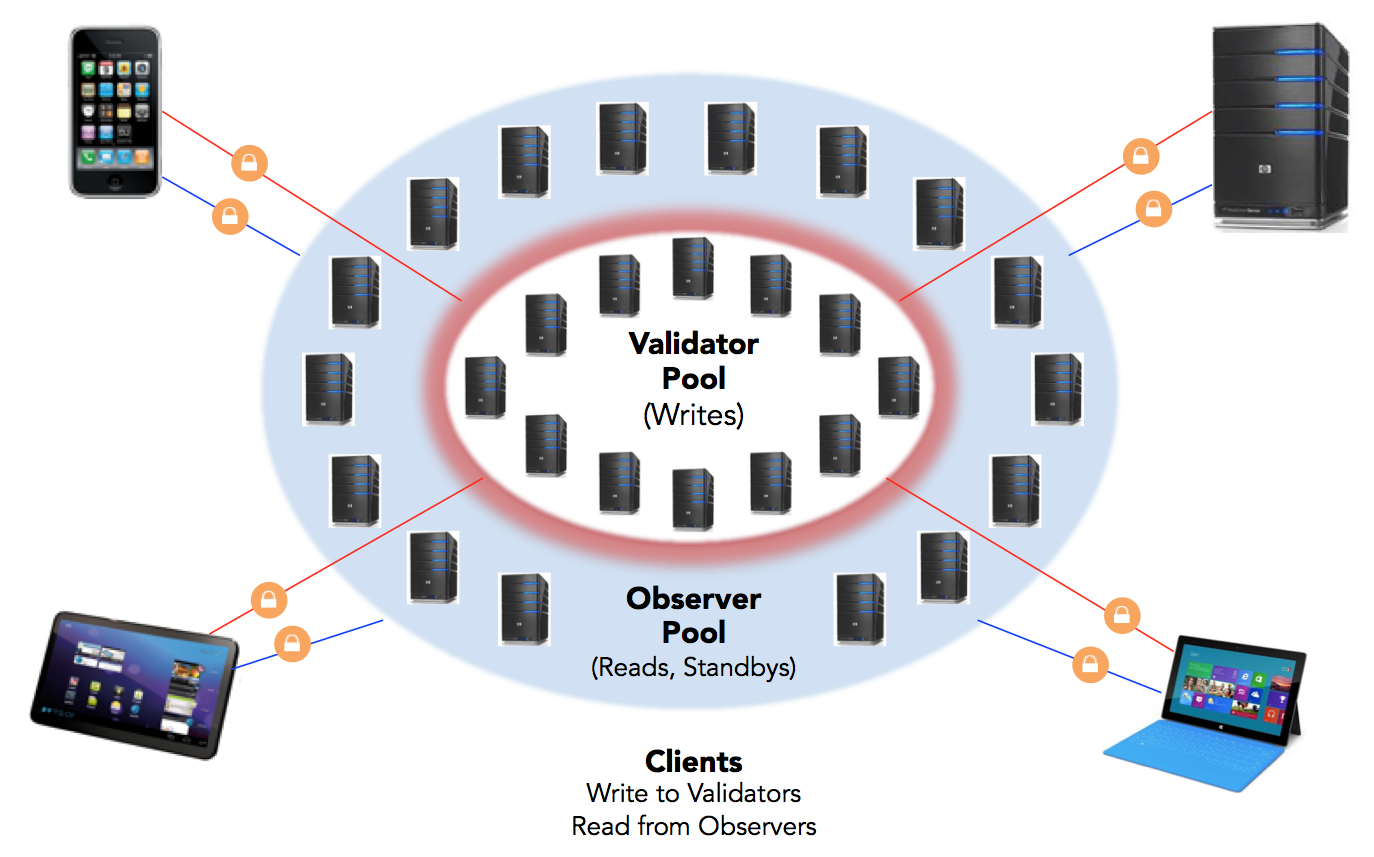
- Hyperledger Indy: An open-source framework designed for building interoperable, privacy-preserving self-sovereign identity systems. Hyperledger Indy supports decentralized identifiers (DIDs) and verifiable credentials, making it a popular choice for developers aiming to create secure digital passports.

- W3C Decentralized Identifiers (DID) Standard: This core protocol enables the creation, resolution, and management of DIDs for digital passports. By following the W3C DID standard, developers ensure global interoperability and give users full control over their digital identities.
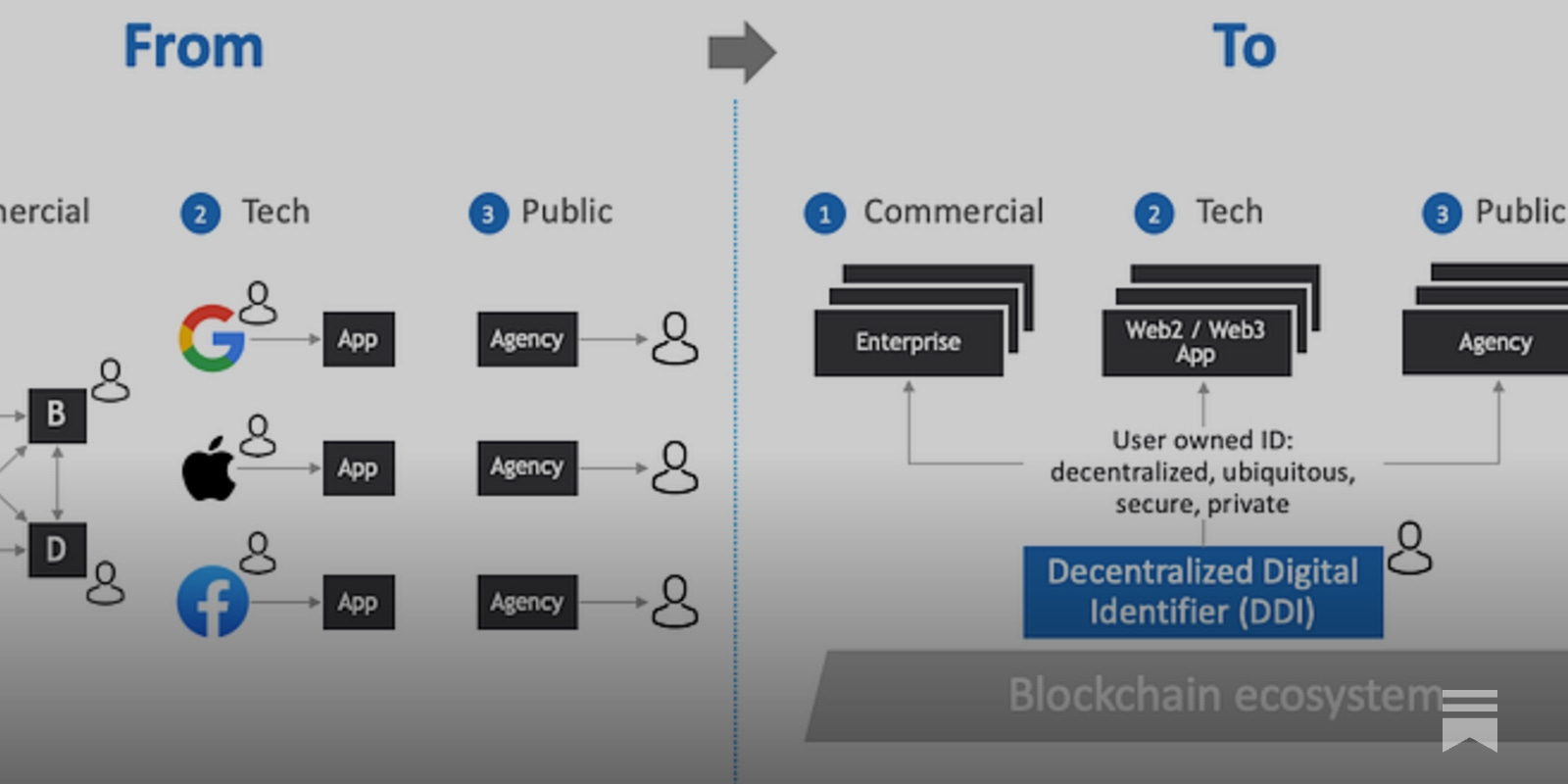
- Best Practice: Implement strong key management and backup strategies—such as encrypted local storage and secure recovery phrases—to protect users' private keys and ensure passport portability across devices. Robust key management is essential for maintaining security and user autonomy in self-sovereign identity systems.

Hyperledger Indy is a leading open-source framework purpose-built for SSI solutions. It supports both decentralized identifiers (DIDs) and verifiable credentials out of the box. Indy’s architecture is designed for interoperability, meaning your digital passport can work seamlessly with other compliant systems, and it prioritizes privacy by default through features like pairwise DIDs.
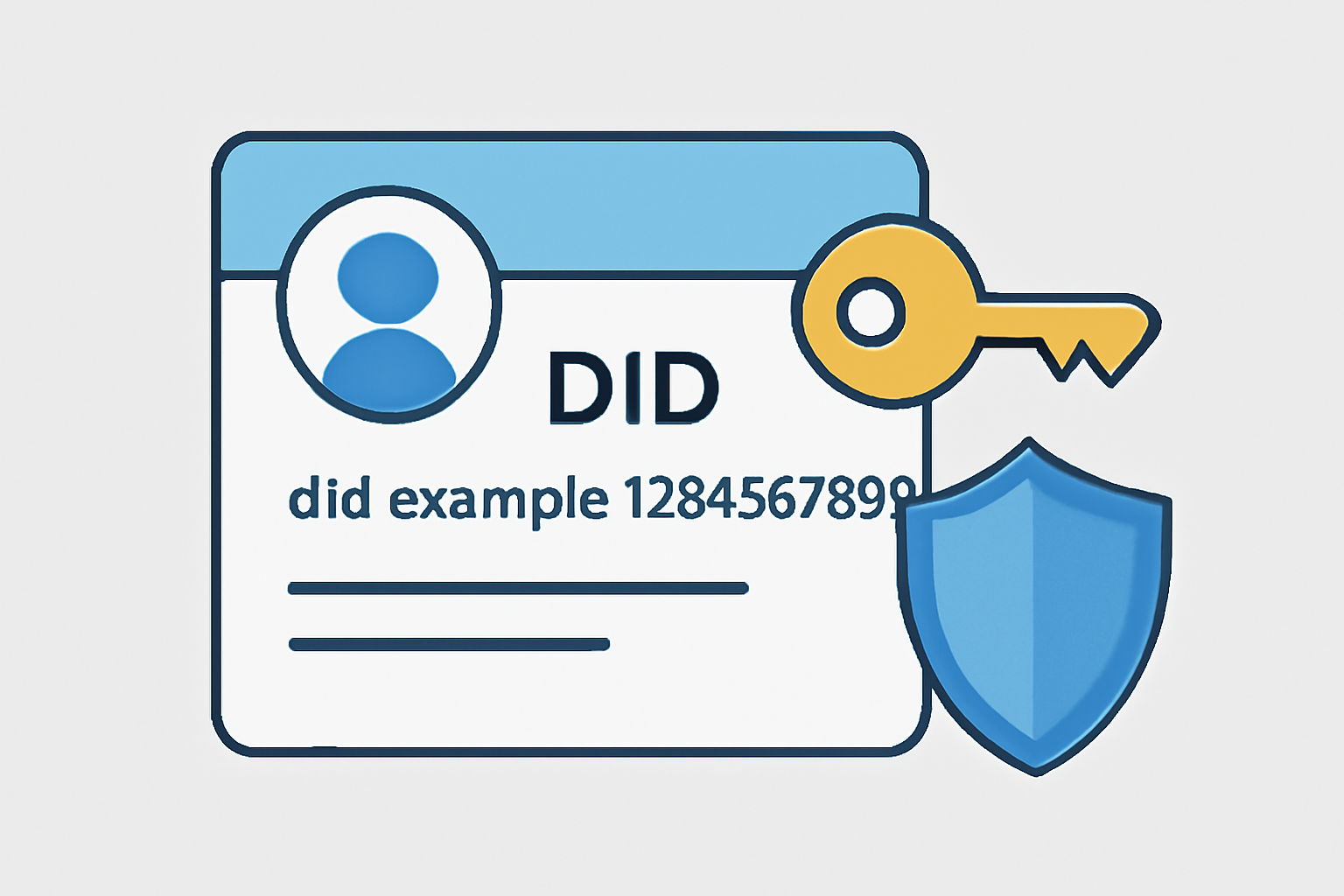
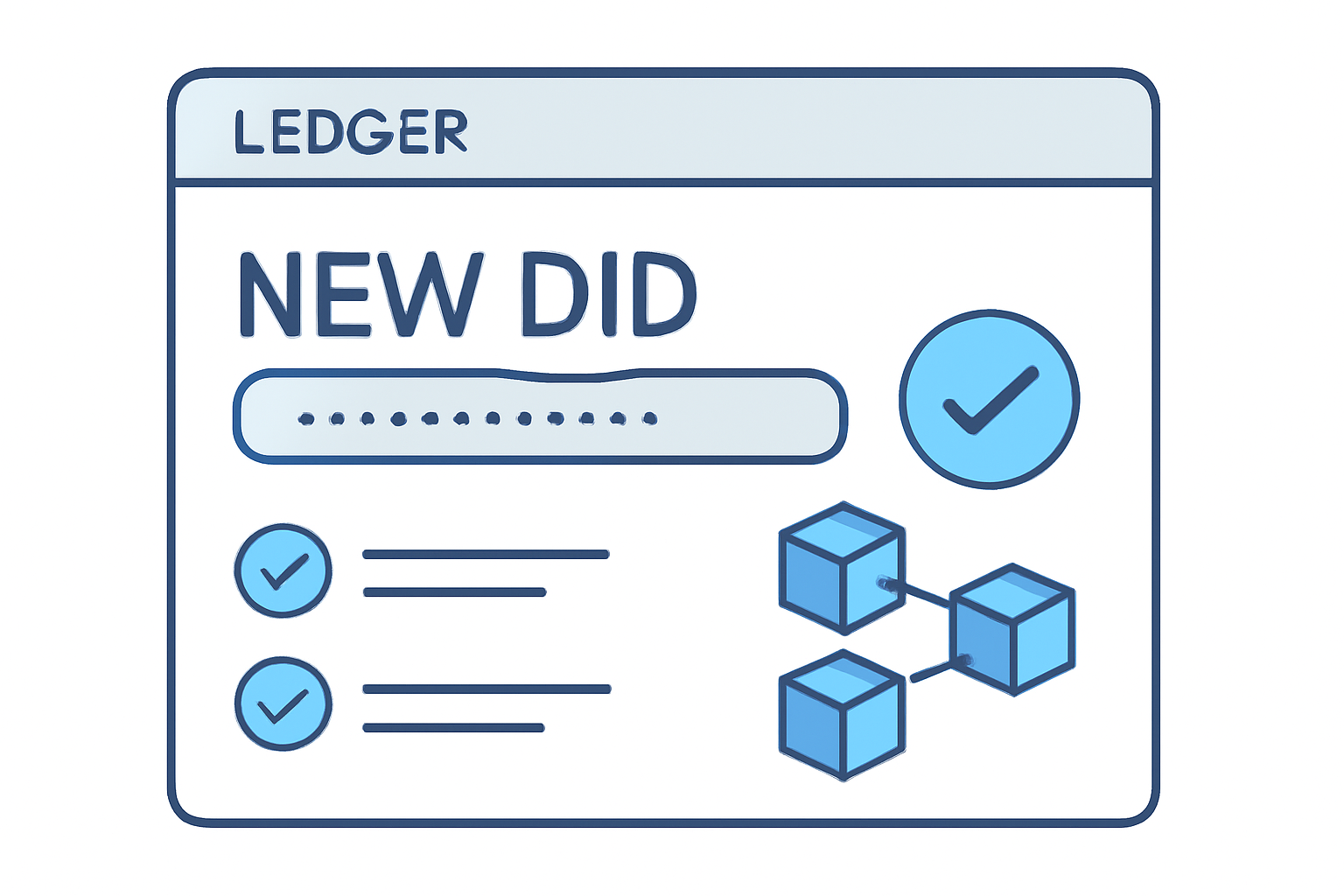
The W3C Decentralized Identifiers (DID) Standard is another cornerstone. DIDs are globally unique identifiers registered on blockchains or distributed ledgers, not issued by any authority but created by you or your wallet app. The W3C specification defines how these DIDs are generated, resolved, and managed so that every service provider can recognize them without vendor lock-in (source). This ensures your self-sovereign digital passport is truly interoperable.
Digital Passport Best Practices: Key Management and Portability
Your private keys are the heart of your DID wallet setup, they unlock access to all your credentials and enable secure proofs of identity. Losing them means losing control over your identity assets. That’s why strong key management strategies are critical:
- Encrypted local storage: Store private keys securely on-device using strong encryption.
- Secure recovery phrases: Provide users with recovery phrases (seed words) that allow restoration if devices are lost or stolen.
- Multi-device portability: Enable safe migration of passports between devices without exposing sensitive information.
This approach not only protects users from hacks or device loss but also ensures their digital passports remain portable as technology evolves (source). Remember: robust key management isn’t just technical hygiene, it’s foundational for user trust in decentralized identity tools.
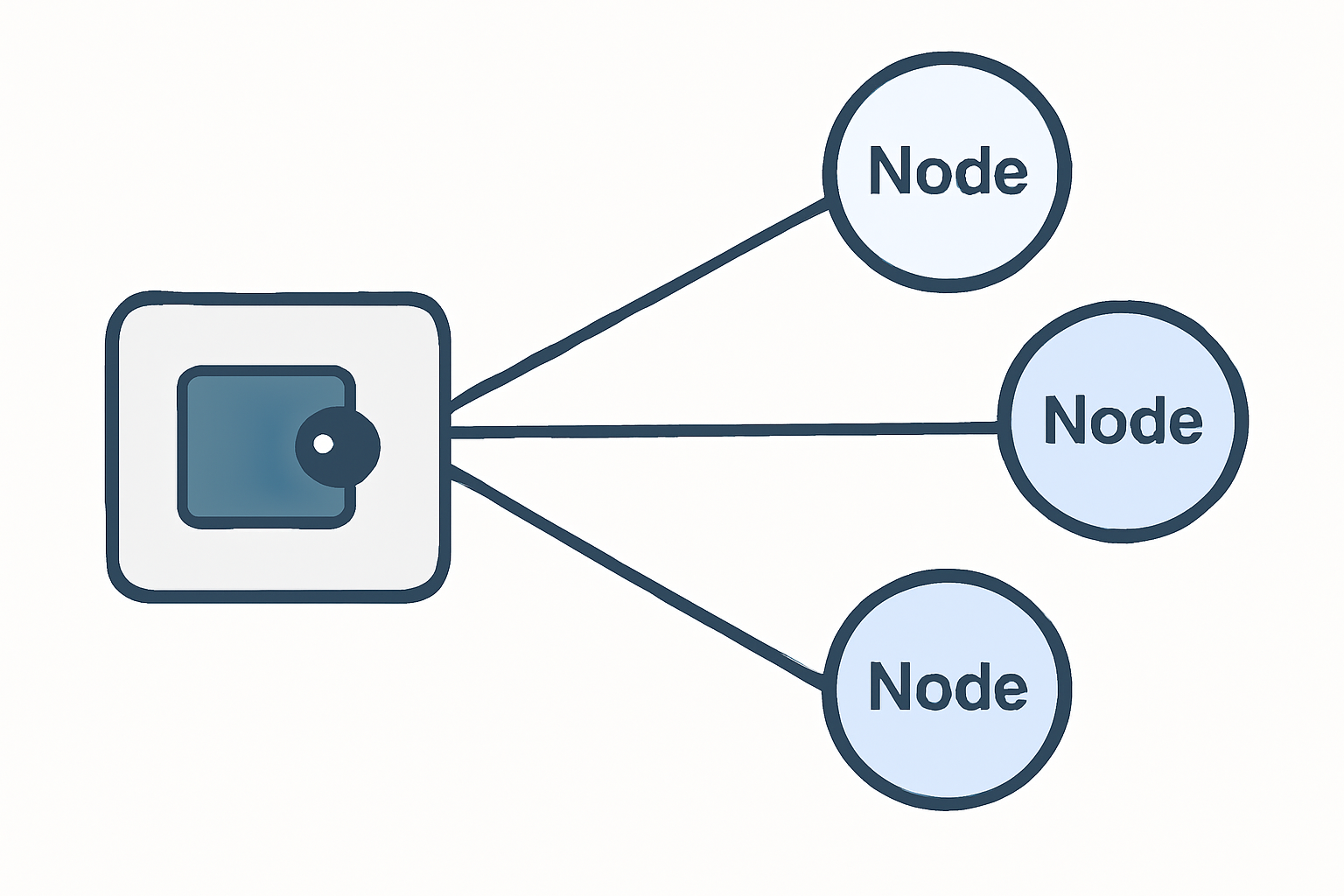
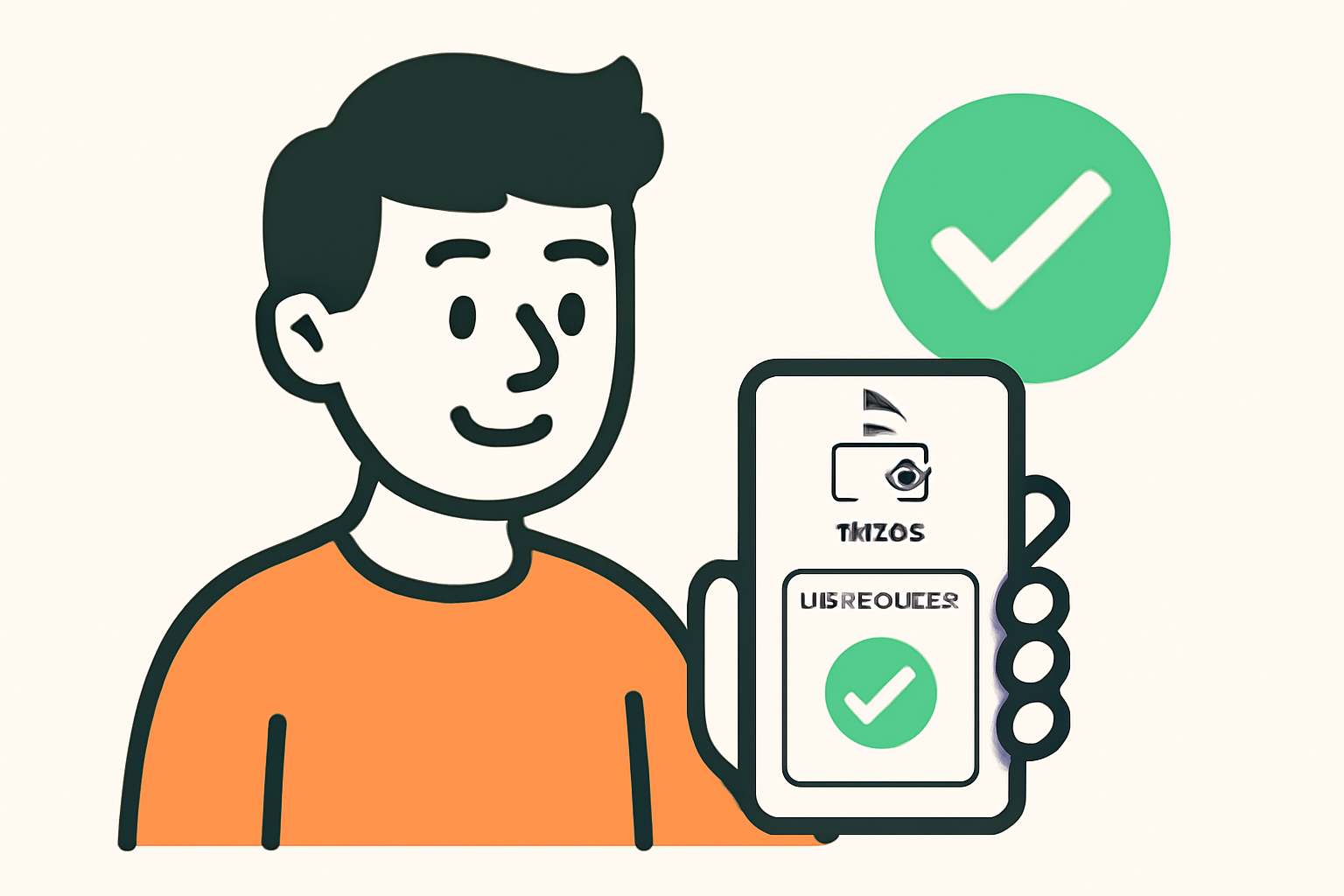
Setting Up a DID Wallet with Hyperledger Indy: A Step-by-Step Guide

The Road Ahead: Privacy by Design and Interoperability
The future of self-sovereign digital passports hinges on two things: privacy-by-design principles like zero-knowledge proofs (enabling you to prove facts without revealing underlying data), and broad interoperability rooted in open standards such as W3C DIDs. As adoption grows among governments and enterprises alike, expect more seamless user experiences, and greater autonomy over our online identities.
Developers and organizations aiming to implement a self-sovereign digital passport should prioritize privacy, flexibility, and security from day one. Leveraging open frameworks like Hyperledger Indy ensures that your system is not only robust but also future-proofed for evolving standards. Hyperledger Indy’s support for decentralized identifiers and verifiable credentials makes it a natural foundation for digital passport solutions, especially when combined with the universal language of the W3C DID Standard.
One practical advantage of using these tools is their proven interoperability. For instance, a DID created in an Indy-based wallet can be recognized by any service provider adhering to W3C standards, no more vendor lock-in or siloed credentials. This means your self-sovereign digital passport can be used everywhere from border crossings to online banking, all while keeping you in control.
Checklist: Best Practices for Secure Digital Passport Deployment
Key management remains the single most critical aspect of SSI adoption. It’s not enough to have cutting-edge cryptography if users can’t easily recover or migrate their keys. The best practice is to combine encrypted local storage with user-friendly backup options like secure recovery phrases. For advanced users or enterprises, consider integrating hardware security modules (HSMs) or multi-signature schemes for added protection.
If you’re building or evaluating decentralized identity tools, always ask: Does this solution give end-users full control over their keys and credentials? Can they move their passport between devices without friction? Is there a clear process for recovery if something goes wrong? These questions are non-negotiable for real-world adoption.
Looking Forward: Empowering Users with Decentralized Identity
The momentum behind self-sovereign digital passports is unmistakable. As more governments and enterprises explore decentralized identity frameworks, often starting with pilots on platforms like Hyperledger Indy, the expectation is clear: users want privacy without sacrificing convenience or compliance (source). The W3C DID Standard will continue to act as the backbone for interoperability, enabling seamless movement across ecosystems.
The next wave of innovation will likely focus on making these systems invisible to end-users, intuitive wallet interfaces, automated credential updates, and frictionless cross-border use cases. But none of this matters without rock-solid key management strategies underpinning every step. By following best practices around encrypted storage and recovery phrases, we ensure that the promise of the self-sovereign digital passport isn’t just theoretical, it’s tangible and accessible today.
Essential Tools & Protocols for SSI Digital Passports
- Hyperledger Indy: An open-source framework designed for building interoperable, privacy-preserving self-sovereign identity systems. Indy supports decentralized identifiers (DIDs) and verifiable credentials, making it a foundational tool for digital passport infrastructure.
- W3C Decentralized Identifiers (DID) Standard: The core protocol for creating, resolving, and managing DIDs. This standard ensures global interoperability and gives users control over their digital passports, empowering secure, decentralized identity management.
- Best Practice: Implement strong key management and backup strategies—such as encrypted local storage and secure recovery phrases—to protect users' private keys and ensure passport portability across devices. This is crucial for maintaining both security and user autonomy.




No comments yet. Be the first to share your thoughts!