
Onchain passport budget
An onchain passport is a digital credential that lives on the Ethereum blockchain, proving your identity without revealing your personal data. The primary cost is the gas fee for minting the attestation, which fluctuates with network traffic but typically remains under $5. This one-time fee grants you a permanent, verifiable ID that can be reused across multiple Web3 applications.
While the minting process is free or low-cost, maintaining a functional onchain identity often requires holding small amounts of ETH or other compatible tokens for transaction fees. Think of it like a digital driver’s license: the card itself is cheap to produce, but you need fuel to keep it active and usable on the road. Most users find this ongoing cost negligible compared to the convenience of not re-entering credentials repeatedly.
For those looking to build a more robust identity stack, hardware wallets like Ledger or Trezor provide the secure storage needed to manage the private keys associated with your passport. These devices ensure that your digital identity remains under your sole control, preventing unauthorized access or loss.


As an Amazon Associate, we may earn from qualifying purchases.
Compare the strongest OnChain Passport options
Finding the right decentralized identity solution means balancing privacy, verification depth, and ecosystem compatibility. Instead of relying on a single provider, many users combine tools to create a robust digital reputation. The following options represent the most practical approaches available today.
Gitcoin Passport
Gitcoin Passport remains the foundational layer for many Web3 reputation systems. It aggregates proof-of-humanity signals from various sources, such as ENS ownership or GitHub contributions, to generate a score. The recent shift to Onchain Passport uses the Ethereum Attestation Service (EAS), allowing users to store their attestation directly on-chain. This approach reduces reliance on centralized servers while maintaining the ability to prove unique humanity to dApps.
Tokeny Blockchain Passport
Tokeny focuses on asset ownership and regulatory compliance. Their blockchain passport solution is designed for institutional and high-value retail investors who need guaranteed proof of identity for tokenized assets. Once issued, tokens are allocated to a wallet associated with the verified digital identity. This option is less about general Web3 access and more about securing specific financial interactions and ensuring that asset ownership is legally binding and transparent.
Verify Investor On-ChainPass
For those dealing with repetitive paperwork and manual checks, On-ChainPass offers a streamlined verification process. It functions as a tokenized investor passport, leveraging blockchain technology to eliminate redundant due diligence steps. This tool is particularly useful for accredited investors moving between platforms, as it standardizes the verification data into a portable, on-chain format that participating platforms can instantly recognize.
| Provider | Primary Focus | Core Technology | Best For |
|---|---|---|---|
| Gitcoin Passport | Humanity Proof | Ethereum Attestation Service (EAS) | General Web3 access and airdrop eligibility |
| Tokeny | Asset Ownership | Blockchain-based token allocation | Institutional investors and tokenized assets |
| Verify Investor | Investor Verification | Tokenized passport standard | Reducing manual paperwork and due diligence |
Choosing between these options depends on your specific needs. If you are navigating airdrops or decentralized applications, Gitcoin Passport provides the broadest compatibility. For financial compliance and asset security, Tokeny or Verify Investor offer the necessary rigor for institutional-grade verification.
Inspect the expensive parts
Before you rely on your OnChain Passport for high-stakes Web3 access, you need to verify the integrity of the attestation. A broken link or expired credential can lock you out of protocols that require proof of humanity or asset ownership. Treat your digital identity like a physical passport; you wouldn't board a flight without checking the expiration date and the machine-readable zone. Here is the practical checklist to ensure your decentralized identity is actually functional.
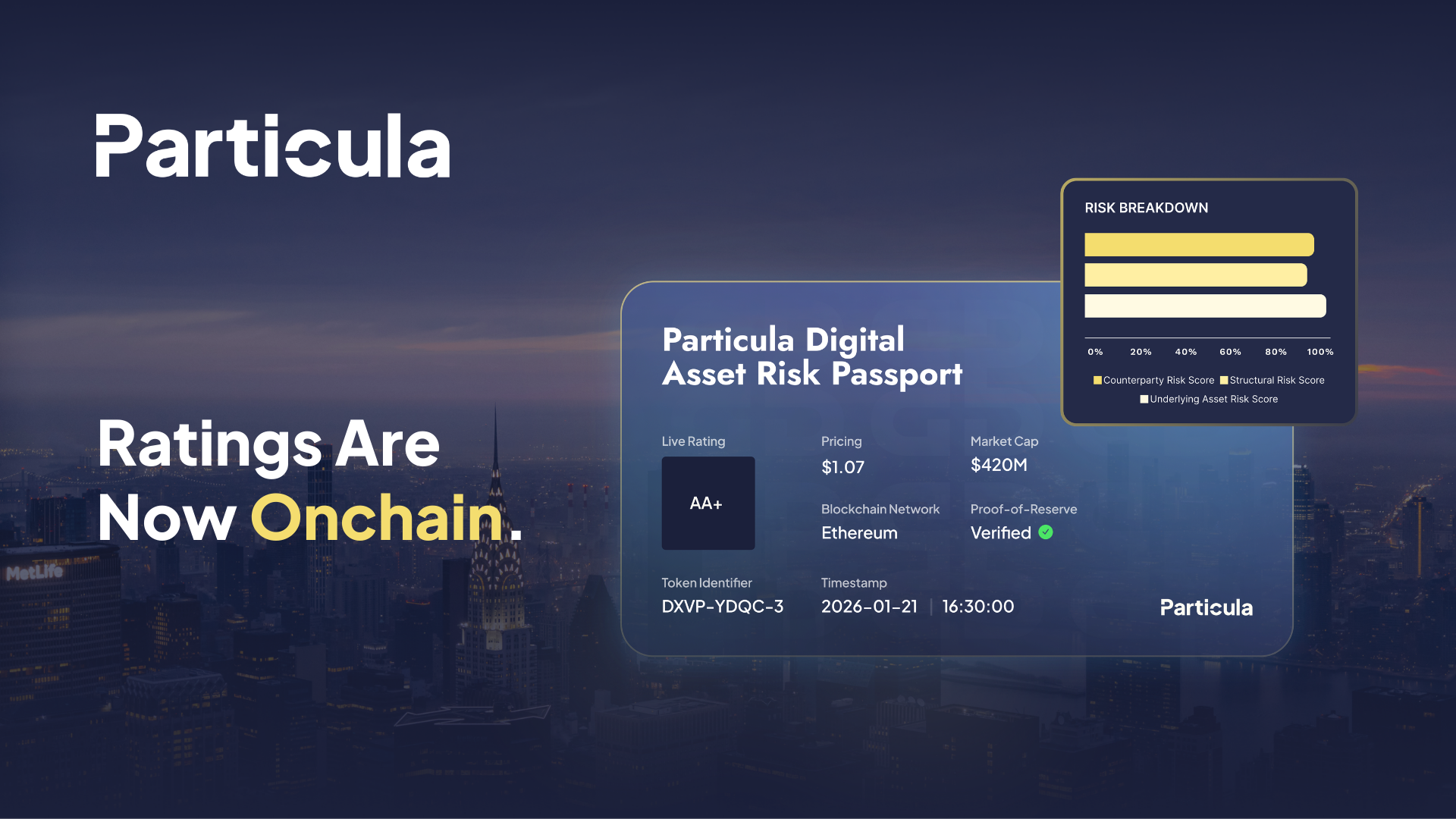
Your passport data is anchored to the Ethereum Attestation Service (EAS). Use the official EAS explorer to confirm your attestation exists on-chain. If the transaction hash returns a "not found" error, your attestation failed to index. This is the most common failure point for new users who assume the UI update means the blockchain update succeeded.

Most verifiable credentials (VCs) have a limited lifespan. Check the expirationDate field in your passport JSON. If your credential has expired, you cannot use it to prove eligibility for gated content or airdrops. Renew your attestation before it expires to avoid losing access to your linked accounts.
Ensure the wallet address holding your attestation matches the one you are using to interact with dApps. A mismatch between your attestation wallet and your signing wallet is a frequent source of rejection. If you use multiple wallets, make sure your passport is issued to the primary wallet you use for transactions.

Not all protocols read EAS attestations the same way. Before committing to a high-value interaction, test your passport against a low-stakes protocol that supports your specific credential type. This validates that the issuer's schema is recognized by the verifier. If it fails here, it will fail in production.


As an Amazon Associate, we may earn from qualifying purchases.
Ownership Costs and Maintenance Surprises
Buying an Onchain Passport is the easy part. The real cost shows up in the maintenance required to keep that identity verifiable and useful. Unlike a static PDF resume, a blockchain-based digital identity is a living asset that demands active management. If you treat it as "set and forget," you risk losing access or facing high fees to restore it.
The Gas Fee Reality
Every time you update your attestation or prove your identity on-chain, you pay gas. While Ethereum Layer 2 solutions have reduced these costs significantly, they are rarely zero. For casual users, this might mean a few dollars a year. For power users issuing frequent credentials, these micro-transactions add up. Budget for this as a recurring utility cost, similar to a domain renewal, rather than a one-time purchase.
Wallet Security and Recovery
Your Onchain Passport lives in your wallet. If you lose your seed phrase or private keys, your identity is gone. Unlike a bank that can reset your password, blockchain identities are immutable. The "cost" here is the mental load of secure backup. You must maintain offline backups of your seed phrases in physical safe locations. Neglecting this is the most common reason users lose their digital sovereignty.
Software Updates and Compatibility
The underlying protocols (like the Ethereum Attestation Service) evolve. Wallets and identity providers release updates to support new standards or patch vulnerabilities. If you ignore these updates, your attestation might become unreadable by newer dApps or verifiers. This isn't just about convenience; it's about the continued validity of your digital reputation. Plan to spend a few minutes every quarter checking for wallet and identity provider updates.
When Cheap Stops Being Cheap
A free or cheap identity solution often lacks robust recovery mechanisms or multi-signature support. If you lose access to a basic wallet, you might need to hire a specialist to attempt recovery, costing hundreds or thousands of dollars. Investing in a hardware wallet or a reputable identity provider with social recovery options is cheaper in the long run than losing your digital identity entirely.


As an Amazon Associate, we may earn from qualifying purchases.
Onchain passport: what to check next
How does OnChain Passport differ from a standard Gitcoin Passport?
OnChain Passport moves your reputation data from an off-chain database to the Ethereum blockchain using the Ethereum Attestation Service (EAS). Instead of relying on Gitcoin’s servers to verify your identity, your passport data is cryptographically signed and stored as a verifiable attestation. This shift means your identity is portable, permanent, and not dependent on a single centralized provider.
Is my personal data stored directly on the blockchain?
No. The attestation itself contains only a hash or pointer to your data, not the raw personal information. The actual data remains off-chain or in your wallet. This approach preserves privacy while still allowing dApps to verify your reputation score or identity claims without exposing sensitive details like your email or address.
Can I use my OnChain Passport across different Web3 applications?
Yes. Because the attestation is stored on Ethereum, any dApp that supports EAS verifications can read your passport. You are not locked into the Gitcoin ecosystem. This interoperability allows you to use your reputation for governance voting, airdrop eligibility, or access to exclusive communities on any compatible platform.
What happens if I lose access to my wallet?
Your on-chain attestation is tied to your wallet address. If you lose access to that wallet, you lose the ability to prove your identity on-chain. It is critical to secure your seed phrase and consider using a hardware wallet. Unlike traditional accounts, there is no password reset; your wallet is your identity.
No comments yet. Be the first to share your thoughts!