The onchain passport limits to account for
The "onchain passport" constraint defines the boundary between identity verification and data permanence. It refers to the technical limitation where sensitive personal information must remain off-chain, while only cryptographic proofs of eligibility are stored on the blockchain. This design choice is not a flaw; it is a necessary privacy safeguard. Storing a full digital ID on a public ledger would expose every transaction to surveillance, defeating the purpose of decentralized identity.
Systems like the Onchain Passport from Human Protocol demonstrate this balance. They use the Ethereum Attestation Service (EAS) to create verifiable attestations of your data without revealing the underlying details [1]. The blockchain confirms that you passed a check, but it does not store your passport number or home address. This separation ensures compliance with regulations like GDPR, which mandate the right to be forgotten—a right that is technically impossible to exercise if data is immutably written to a public chain.
For developers and users, this constraint means that identity is modular. You can verify age, residency, or reputation without linking those facts to a single, permanent profile. The result is a system where access is granted through zero-knowledge proofs or signed attestations, keeping the actual identity data secure in private storage or decentralized identity wallets. Understanding this distinction is critical for evaluating any Web3 access solution.
Onchain passport choices that change the plan
Moving your identity onchain shifts the burden of verification from centralized servers to your own wallet, but it introduces distinct technical and privacy considerations. Unlike traditional KYC processes where a company holds your data, onchain passports like Gitcoin Passport use the Ethereum Attestation Service (EAS) to create verifiable attestations. This means your reputation score is stored as a signature on the blockchain, visible to anyone who checks the address, yet the underlying personal data often remains off-chain or hashed.
The primary tradeoff lies in visibility versus control. When you mint an onchain passport, your interaction history becomes part of the public ledger. While this transparency helps build trust in decentralized applications (dApps) without revealing your name, it also creates a permanent record of your Web3 activity. If you value privacy, you must carefully consider which attestation providers you interact with, as some may link onchain activity to real-world identities more aggressively than others.
Another critical factor is the cost and complexity of maintenance. Traditional identity wallets are free to maintain; onchain passports require gas fees for every attestation or update. Also, if you lose access to your private keys, recovering your reputation score can be difficult or impossible, depending on the backup solutions provided by the specific passport protocol. You are effectively your own identity provider, which offers sovereignty but demands higher technical literacy.
To help you evaluate these factors, the table below compares the core tradeoffs between traditional centralized identity, off-chain decentralized identifiers (DIDs), and fully onchain passport systems.
| Feature | Centralized (e.g., Standard KYC) | Off-Chain DID | Onchain Passport (e.g., Gitcoin) |
|---|---|---|---|
| Data Storage | Company servers | User device / IPFS | Blockchain (EAS/ERC-725) |
| Privacy | Low (company holds data) | Medium (verifiable claims) | Low (public transaction history) |
| Control | Low (provider can freeze) | High | Full self-custody |
| Cost | Free for user | Low/Free | Gas fees per attestation |
| Portability | None | High | Universal across dApps |
The choice between these models depends on your risk tolerance. If you need seamless integration with regulated financial services, centralized KYC remains the standard. For general Web3 access, onchain passports offer a compelling middle ground, providing proof of humanity and reputation without handing over sensitive documents to a single corporation. However, you must be comfortable with the permanence and public nature of blockchain records.
How to choose the right onchain identity solution
Decentralized identity isn't a single product; it's a stack of tools that determine who you are and what you can access. Choosing the right setup requires balancing privacy, compliance, and ease of use. The following framework helps you evaluate options based on your specific needs, whether you are a casual crypto user or a professional managing compliant assets.
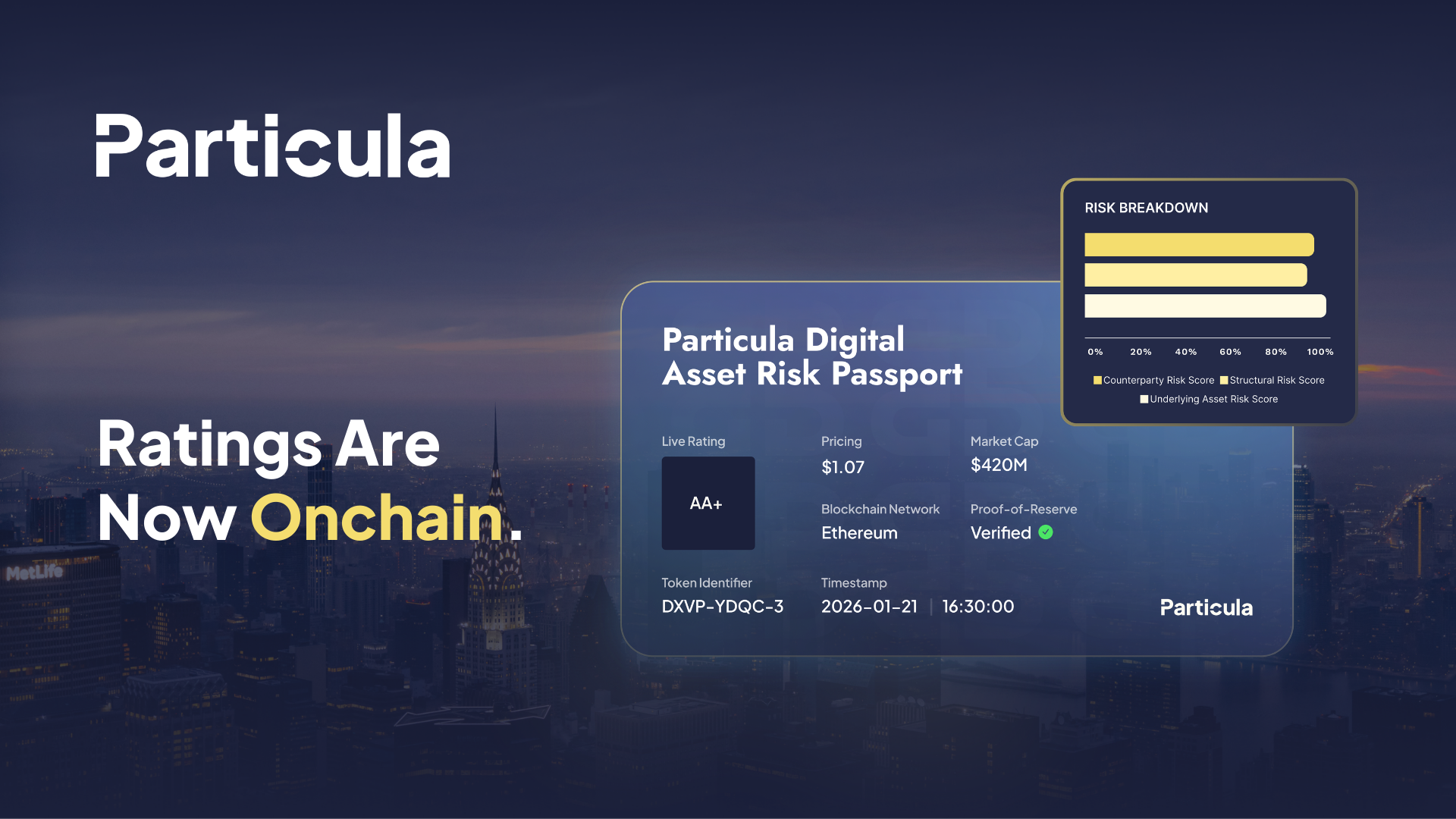
Look for solutions built on the Ethereum Attestation Service (EAS). This standard ensures your identity data is cryptographically signed and verifiable on-chain. Avoid proprietary systems that lock your identity to a single platform, as these limit your ability to use your credentials across different DeFi protocols or gaming ecosystems.
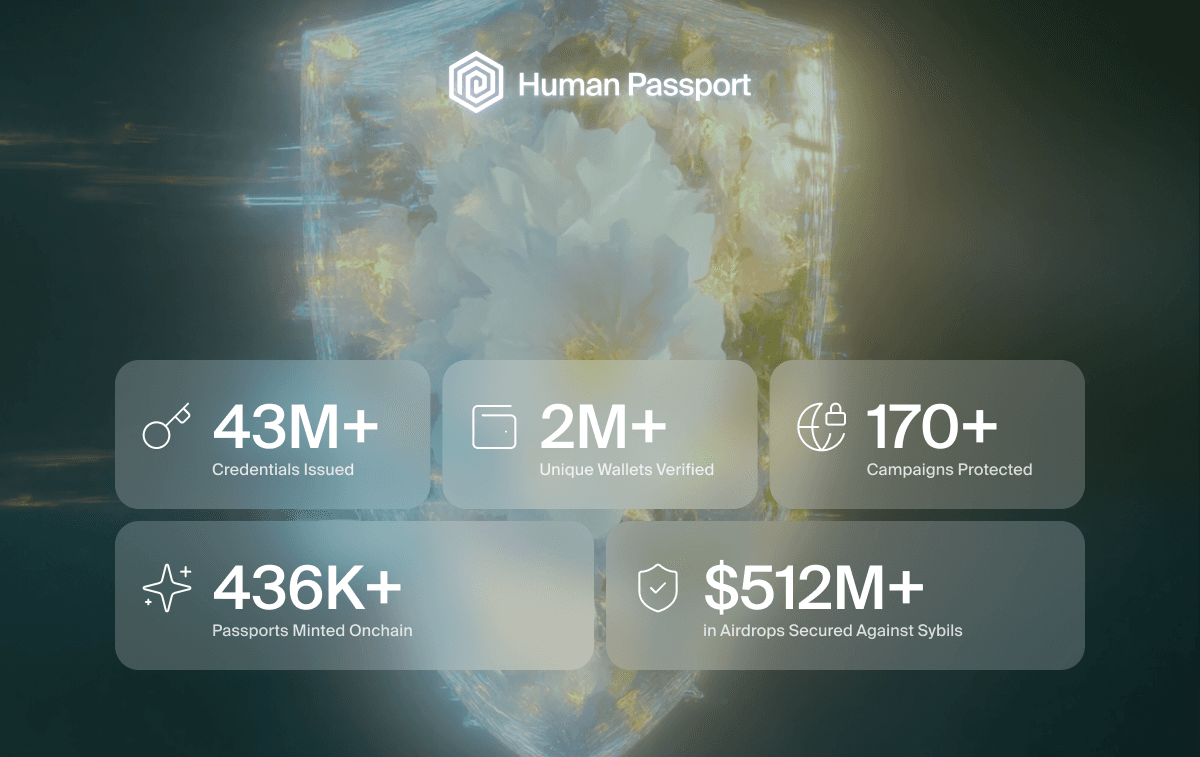
Your identity must integrate with your primary wallet. Most leading solutions work seamlessly with MetaMask, Coinbase Wallet, and Rainbow. If you use a hardware wallet like Ledger or Trezor, verify that the identity provider supports secure signing. Incompatibility here can force you to manage multiple, disconnected identities, creating security risks and user fatigue.
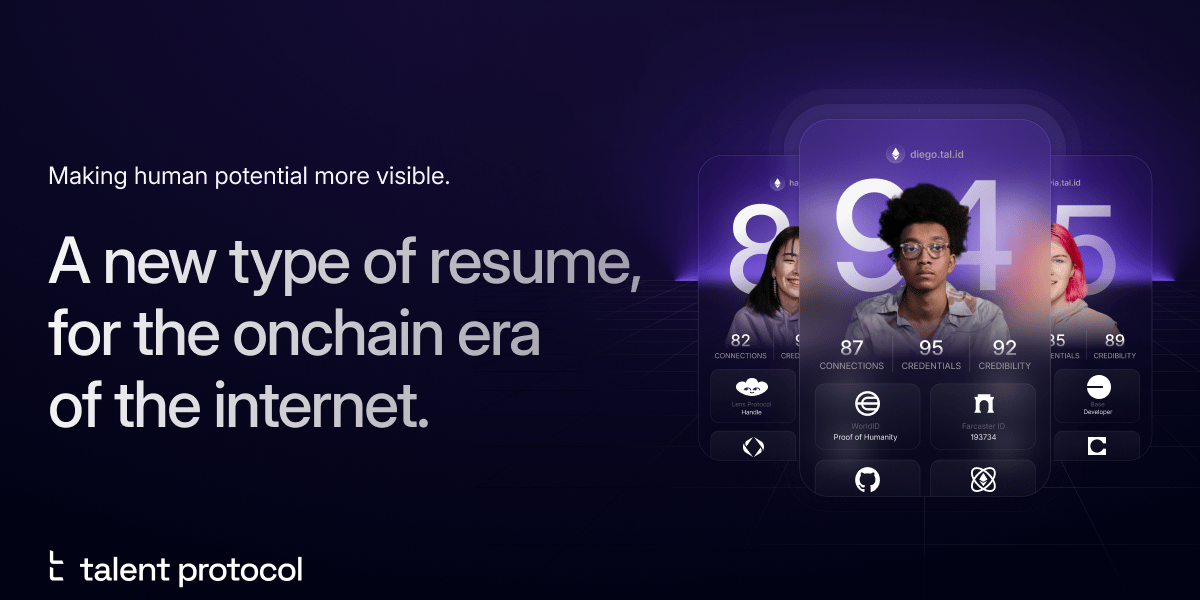
If you plan to participate in regulated markets, look for "proof-of-humanity" or KYC-verified attestations. These features allow you to prove your identity to exchanges or investment platforms without sharing unnecessary personal data. Solutions that offer granular control over what data you share are essential for maintaining privacy while meeting regulatory requirements.
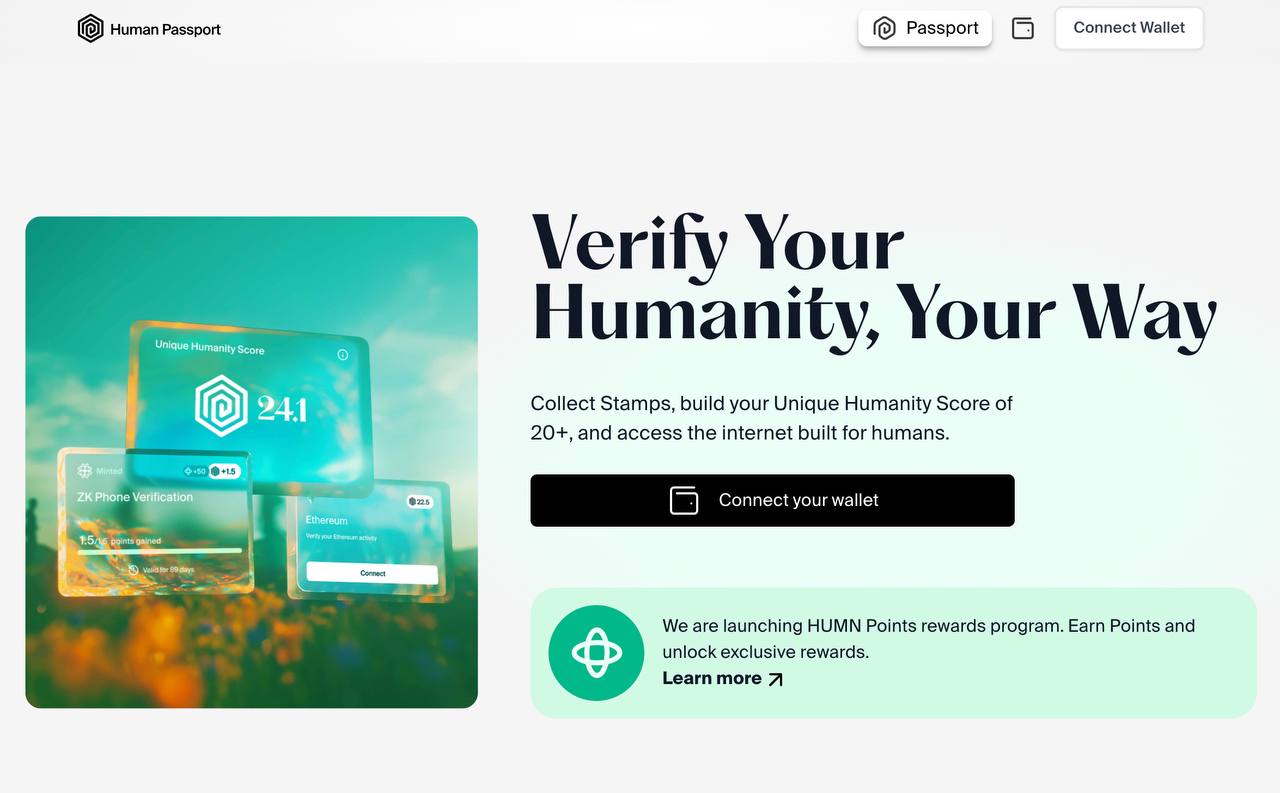
The best onchain passports use zero-knowledge proofs or selective disclosure. This means you can prove you are over 18 or a US resident without revealing your exact birthdate or address. Avoid platforms that require uploading raw government IDs to public databases. Your digital identity should be a shield, not a billboard.
The landscape is evolving rapidly. As standards like EAS gain traction, interoperability will improve. Focus on solutions that prioritize open standards and user sovereignty. This approach future-proofs your identity, ensuring you remain in control as Web3 infrastructure matures.
Spotting Weak Options and Misleading Claims
The promise of decentralized identity is attractive, but the market is crowded with vague claims. Many projects conflate simple wallet addresses with true identity. A wallet is a keychain, not a passport. True onchain identity requires verifiable credentials, not just a public address. This distinction matters for compliance and security.
Be wary of projects that claim "full KYC" without explaining the data flow. If a platform stores your sensitive documents on a public ledger without proper encryption, it is a liability, not a feature. Look for implementations using the Ethereum Attestation Service (EAS) or similar standards that allow you to control what data is shared. The best onchain passports keep your private data private while proving you meet specific criteria.
Another common mistake is assuming all "blockchain passports" are equal. Some are merely NFTs with no utility. Others are closed ecosystems that lock you in. Choose solutions that are interoperable and respect user sovereignty. Always verify the underlying protocol before linking your identity. The goal is access, not surveillance. Stick to open standards and transparent audits to avoid getting stuck with a digital ID that goes nowhere.
Onchain passport: what to check next
The decentralized identity space moves fast, and practical concerns often outweigh theoretical benefits. Below are direct answers to the most common questions about onchain passports, wallet legitimacy, and how these tools function in a regulated environment.
These questions highlight the distinction between general crypto wallets and specialized identity tools. While a standard wallet handles assets, an onchain passport handles reputation. Understanding this difference is essential before integrating these tools into your Web3 workflow.
No comments yet. Be the first to share your thoughts!