
In the evolving landscape of digital identity, zk identity wallets emerge as a pivotal innovation, allowing users to prove self-sovereign credentials without exposing their wallets or sensitive data. These tools harness zero-knowledge proofs to verify attributes like age or residency selectively, minimizing risks associated with traditional identity systems prone to breaches and over-sharing.
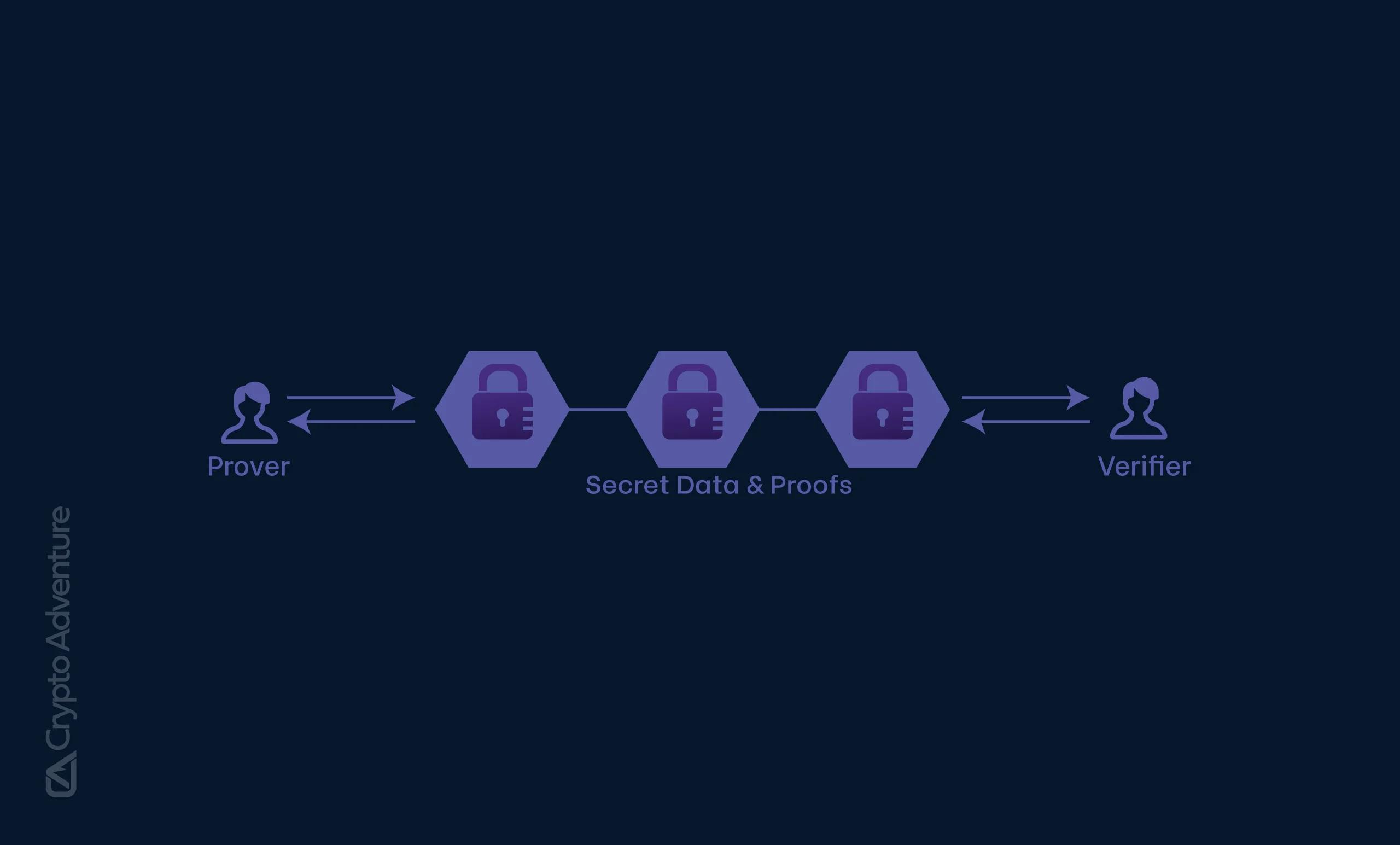
Traditional wallets often require full disclosure to gain access, but zk identity wallets flip this paradigm. Users hold verifiable credentials in a decentralized manner, proving compliance or eligibility through cryptographic magic that reveals nothing beyond the necessary truth. This shift not only bolsters privacy-preserving credentials but also aligns with the core tenets of self-sovereign identity, where individuals retain sovereignty over their data.
Decoding Zero-Knowledge Proofs for Everyday Identity Verification
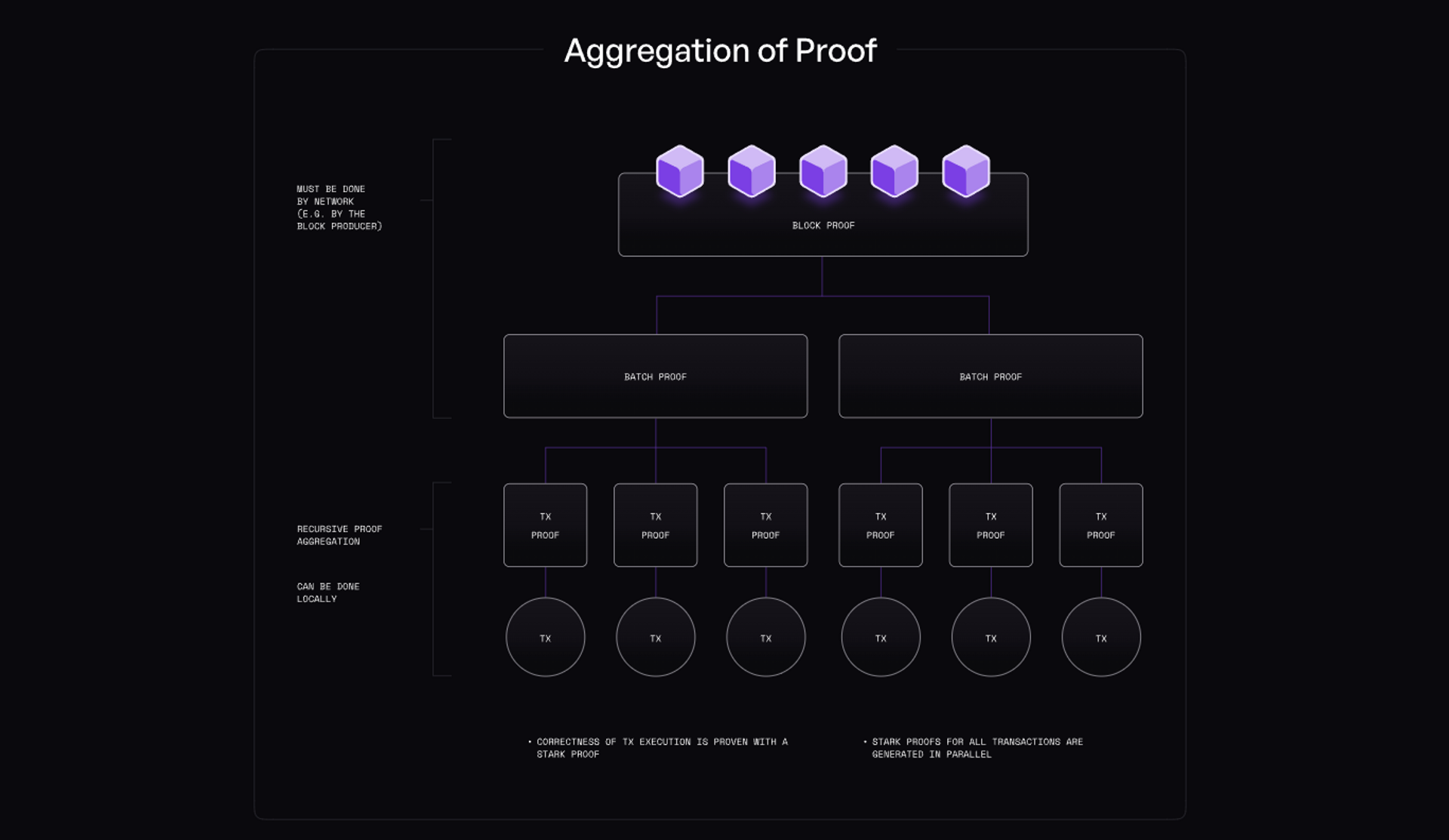
Zero-knowledge proofs, at their essence, enable one party to convince another of a statement's truth without conveying additional information. In the context of zero knowledge identity verification, imagine proving you're over 21 for a service without showing your birthdate or ID. Protocols like zk-SNARKs or zk-STARKs compress vast data into succinct proofs, verifiable in milliseconds on blockchains.
This technology addresses longstanding pain points in identity management. Centralized databases, rife with hacks, contrast sharply with decentralized alternatives where proofs are generated client-side. No server holds your data; no intermediary spies on transactions. From my vantage in risk-managed strategies, this represents a pragmatic evolution, reducing systemic vulnerabilities while empowering users with granular control.
The mechanics involve issuers signing credentials once, stored in the user's wallet. When challenged, the wallet computes a proof attesting to the credential's validity against a policy, all without decryption. Platforms like those in the Apple App Store's Self zk Passport demonstrate real-world traction, enhancing user experience through seamless, private verifications.
Leading Platforms Shaping DID Wallets Privacy
Several frontrunners are driving adoption of zk identity wallets. ZKId stands out by equipping users with decentralized identifiers and verifiable credentials, fostering true self-sovereign models free from gatekeepers. Similarly, zkMe, as a decentralized issuer on Polygon ID, delivers credentials for B2B compliance, ensuring businesses meet regulations without user data leaks.
Key ZK Identity Wallets
- ZKId: Self-sovereign platform for decentralized identifiers (DIDs), verifiable credentials, and zero-knowledge proofs, enabling privacy-focused identity management without intermediaries. Source
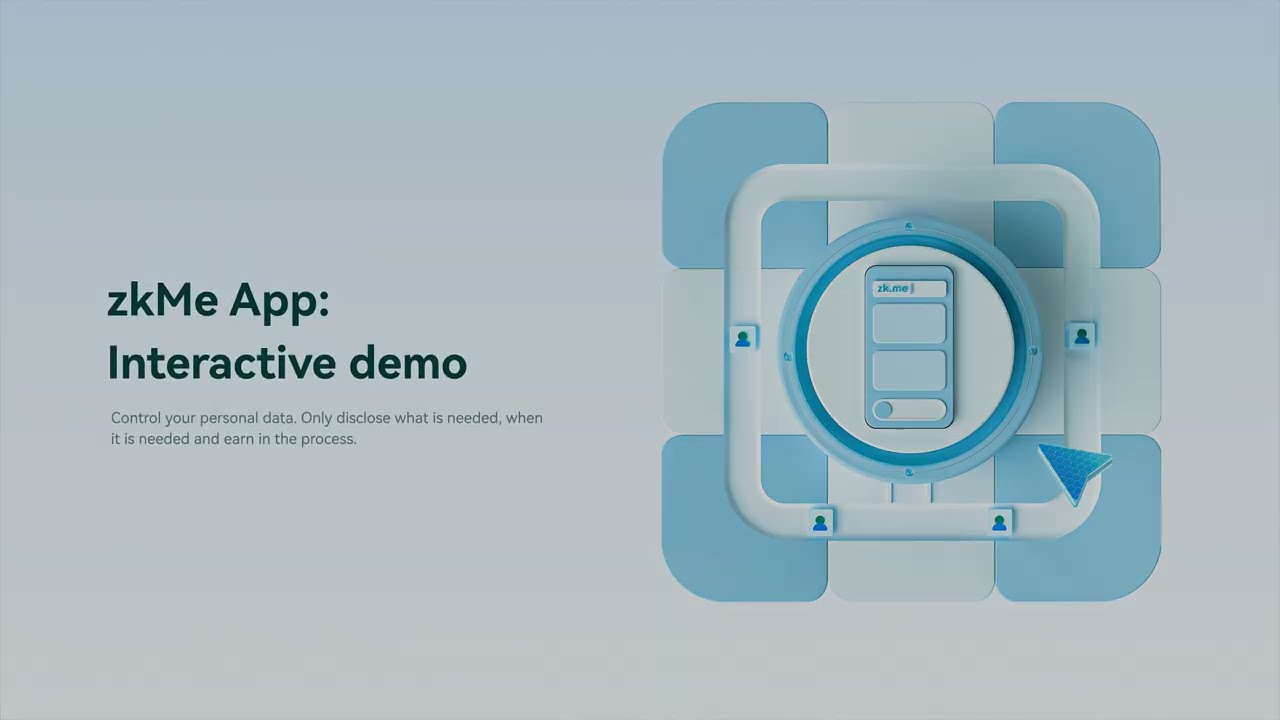
- zkMe: Decentralized issuer on Polygon ID providing verifiable credentials for secure, private identity verification in B2B compliance scenarios. Source
- Altme Wallet: Integrates with Polygon ID for managing decentralized identities, supporting age and compliance proofs without data disclosure. Source
Altme Wallet integrates Polygon ID to manage blockchain assets alongside identity proofs, supporting attributes from residency to professional qualifications. These solutions draw from broader self-sovereign identity frameworks, anchoring credentials on distributed ledgers for tamper-proof assurance. KuppingerCole highlights how ZK scales private identities across use cases, from proof-of-humanity to access control, outpacing legacy systems in efficiency and security.
Self-Sovereign Identity Proofs: From Theory to Practical Autonomy
Self-sovereign identity proofs elevate users from data subjects to controllers. Decentralized identifiers, or DIDs, serve as unique, user-owned anchors, paired with verifiable credentials issued by trusted parties. Zk identity wallets operationalize this by generating proofs on-demand, compatible with smart contracts for automated, transparent evaluations.
Consider enterprise scenarios: ScienceDirect outlines blockchain-based access control using ZK and smart contracts, evaluating policies without exposing sensitive values. This mitigates insider threats and compliance burdens. Dock Labs' primer underscores ZK's role in online security, verifying facts mathematically without disclosure, a cornerstone for future-proof privacy as DappRadar notes.
Mitosis University's ZK-KYC exemplifies the workflow: one-time verification with issuers, reusable proofs thereafter. Google's open-sourced ZKP libraries and Concordium's dApp architecture further democratize development, enabling wallets to prove account-linked identities selectively. Polygon Labs' Polygon ID pushes scalable, zero-knowledge native protocols, ideal for Web3's decentralized ethos.
Internet Policy Review's analysis reveals ZK's data minimization impact on enterprise IAM, complementing SSI's potential. As adoption grows, these wallets not only safeguard against breaches but redefine trust in digital interactions, offering a balanced trade-off between utility and privacy that traditional finance could learn from.
From a risk management perspective, the appeal of zk identity wallets lies in their ability to quantify and mitigate exposure. Traditional systems aggregate data points into honeypots for attackers; ZK disperses proof generation to the edge, slashing breach surfaces dramatically. This isn't mere theory; platforms like Self zk Passport on Apple devices already streamline verifications, proving attributes through proofs that feel intuitive yet ironclad.
Real-World Use Cases Driving Adoption
DeFi platforms stand to gain immensely from zero-knowledge identity verification. Users could prove solvency or accreditation without wallet scans, unlocking lending or trading without front-running risks. Gaming ecosystems benefit too, verifying age for loot boxes or residency for regional events, all while preserving DID wallets privacy. Healthcare providers might request proof of vaccination status sans medical history, balancing public health mandates with individual rights.
Enterprise applications shine brightest. Banks, weary of AML headaches, deploy ZK-KYC where customers prove verification status repeatedly from one issuance. This cuts verification costs by 80% in some models, per Mitosis insights, while regulators audit proofs transparently on-chain. My experience in digital assets underscores this: protocols like Polygon ID scale these proofs gas-efficiently, handling thousands per block without congestion.
Non-profits leverage them for aid distribution, confirming eligibility like refugee status without doxxing vulnerable populations. Concordium's wallet architecture exemplifies selective disclosure tied to accounts, ideal for payroll or voting systems demanding proof-of-uniqueness minus identifiers.
Overcoming Hurdles in Privacy Preserving Credentials
Despite promise, zk identity wallets face scalability snags. zk-SNARKs demand trusted setups, potentially centralizing trust; zk-STARKs counter with transparency but heftier proofs. Interoperability lags too, as DIDs fragment across chains. Polygon Labs and Altme tackle this via Polygon ID's zero-knowledge native stack, bridging Ethereum layers seamlessly.
Regulatory fog persists. Jurisdictions crave audit trails, yet ZK obscures details intentionally. Smart policy design, like Sparkasse's ZKP pilots backed by Google libraries, charts paths forward, open-sourcing tools for compliant innovation. User education forms another barrier; wallets must intuit proofs without crypto jargon, much like Self zk's UX refinements.
Yet pragmatism prevails. As a CFA charterholder navigating volatile markets, I see ZK as a hedge against identity monopolies. It quantifies privacy returns, where minimal disclosure yields maximal utility. KuppingerCole's analysis nails it: ZK solves scalability for private identities across proofs-of-humanity, age, or humanity, eclipsing incumbents.
Forward momentum builds. zkMe's B2B credentials on Polygon ID already serve compliance-heavy sectors, while Altme broadens access to everyday proofs. Internet Policy Review's enterprise IAM review positions SSI with ZK as transformative, minimizing data while satisfying access needs. ScienceDirect's access control blueprint integrates smart contracts flawlessly, evaluating policies blindly yet verifiably.
Stakeholders from developers to policymakers converge on this frontier. DappRadar's spotlight on blockchain identity innovation cements ZK's lead, mathematically assuring facts sans disclosure. As wallets evolve, users reclaim agency, proving credentials sovereignly. This isn't disruption for spectacle; it's calculated empowerment, fortifying digital lives against tomorrow's threats with today's cryptographic precision.
No comments yet. Be the first to share your thoughts!