
In the evolving landscape of Web3, zk identity wallets emerge as pivotal tools for achieving true self-sovereign identity. These wallets empower users to verify attributes like age or credentials without exposing underlying personal data, leveraging zero-knowledge proofs to maintain privacy amid rising data breaches and surveillance concerns. As a senior analyst tracking digital asset regulations, I view this shift from centralized identity providers to decentralized models as a fundamental advancement, akin to the transition from traditional fixed income instruments to tokenized assets, where control and verifiability redefine trust.
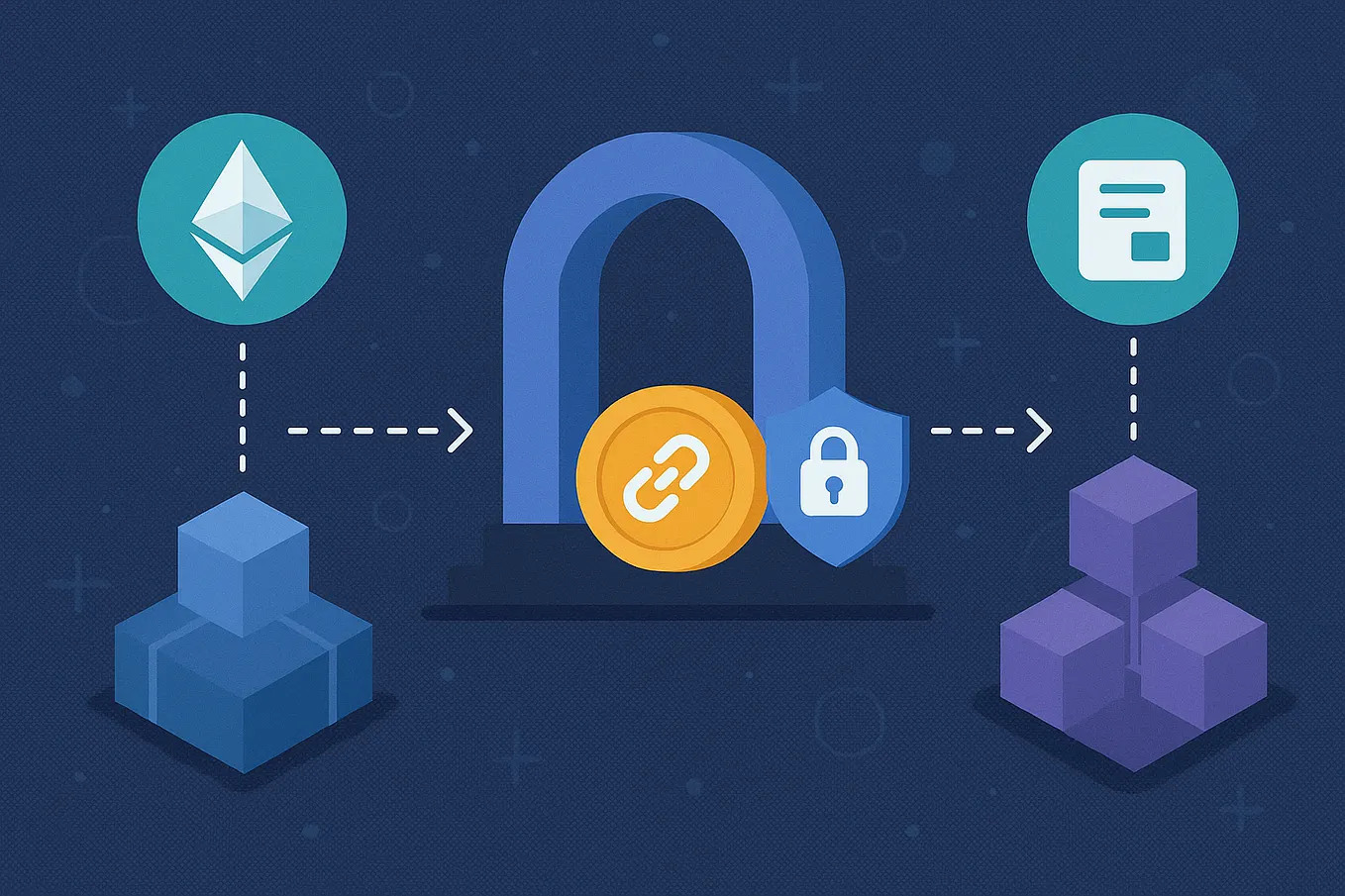
Zero-knowledge proofs, the cryptographic backbone of these systems, allow one party to convince another of a statement's validity without revealing additional information. Imagine proving you are over 18 for a service without showing your birthdate; that's the promise of ZKPs in DID zk wallets. This technology, rooted in protocols like zk-SNARKs and STARKs, addresses longstanding privacy deficits in blockchain ecosystems, where transparency often collides with confidentiality needs. From my vantage in regulatory impact analysis, zk proofs not only enhance user sovereignty but also align with emerging global standards for data minimization, potentially mitigating compliance risks for enterprises adopting Web3 identities.
The Core Mechanics of Zero-Knowledge Identity Proofs
At their essence, zero knowledge identity proofs rely on mathematical constructs that generate succinct proofs from complex computations. In a self-sovereign identity wallet, users first create decentralized identifiers (DIDs) on blockchains like Ethereum or specialized chains such as Mina Protocol. Verifiable credentials, issued by trusted entities, are then stored locally. When verification is needed, the wallet computes a ZKP, proving possession of the credential and specific attributes without decryption.
This process dissects traditional identity verification's flaws. Centralized databases, vulnerable to hacks, contrast sharply with SSI models where individuals hold keys to their data. Recent advancements, including STARKs for scalability and anonymous credentials, further bolster decentralized ID privacy in Web3. My analysis of similar cryptographic shifts in equities trading underscores how such innovations foster resilience against adversarial threats, much like diversified portfolios weather market volatility.
ZKPs provide both privacy and transparency through mathematical proofs, fusing self-sovereign identity with zk-SNARKs for unmatched security.
Prominent zk Identity Wallets Driving Adoption
2026 marks a maturation point for zk identity wallets, with several platforms leading the charge. zkID by zCloak Network introduces zkID Card and Wallet for selective data sharing. ZKId Platform delivers blockchain-secured DIDs and credentials. zkMe Identity Wallet focuses on secure storage, data control, and verification rewards. Self by self. xyz generates privacy proofs from government IDs using zk-SNARKs, compatible with passports and biometrics.
Top zk Identity Wallets
- zkID by zCloak Network: zkID Card and zkID Wallet for managing digital identities and selective info sharing. zkid.app
- ZKId Platform: Decentralized identifiers (DIDs) and verifiable credentials (VCs) on blockchain. zkid.digital
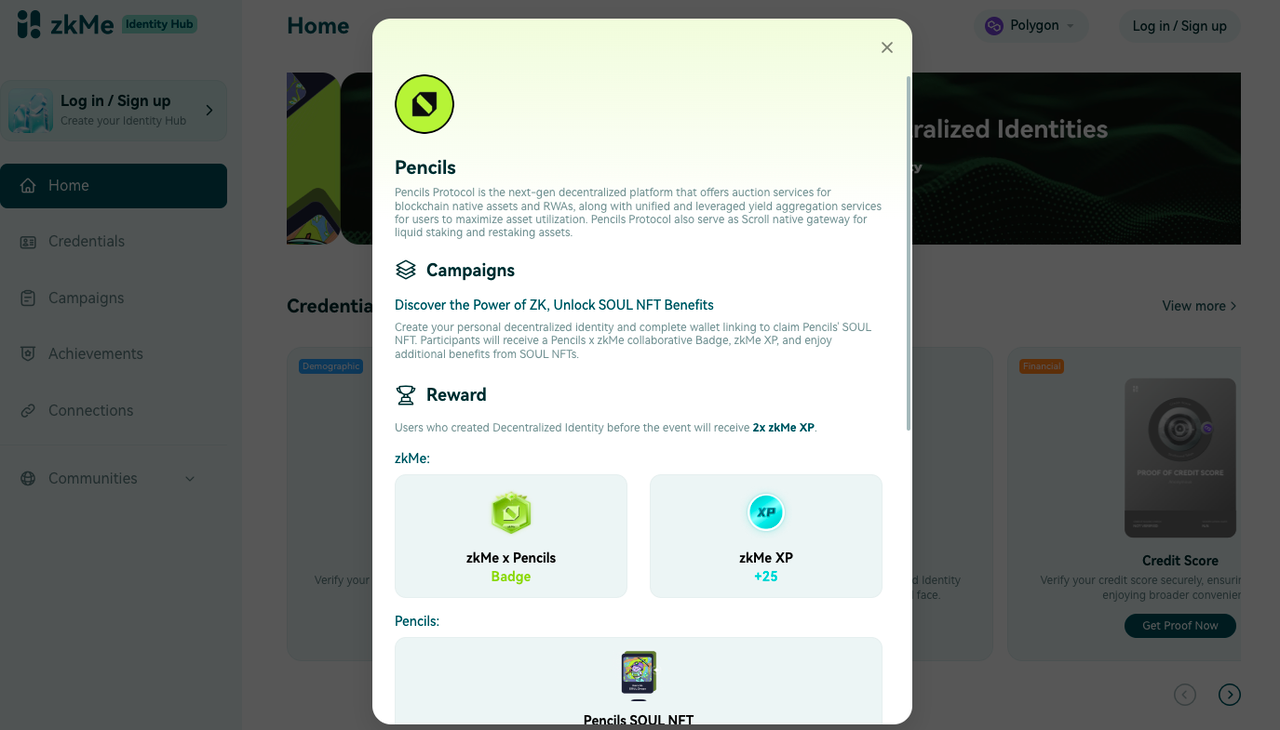
- zkMe Identity Wallet: Secure credential storage, data sharing control, and verification rewards. zk.me
- Self by self.xyz: zk-SNARK proofs from passports/biometrics for privacy-preserving ID verification. GitHub
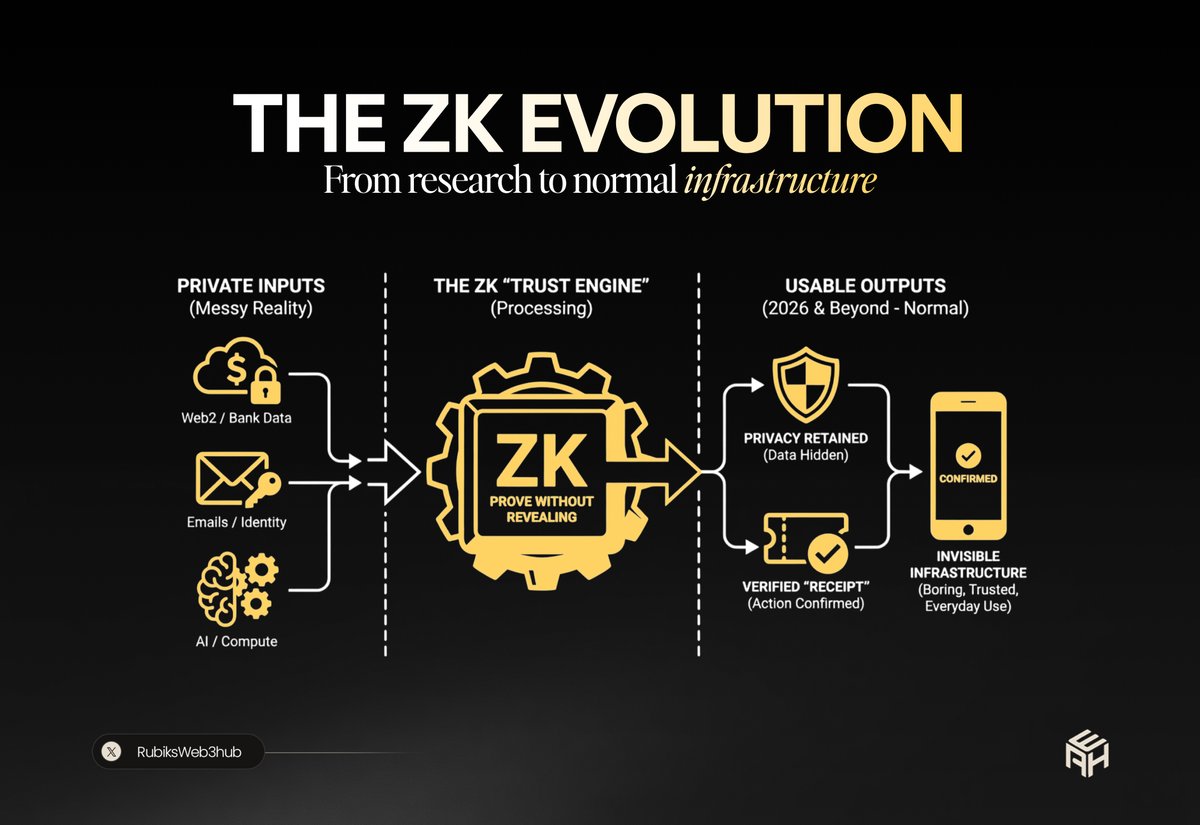
These solutions redefine interactions in DeFi, DAOs, and beyond, enabling anonymous yet verifiable access. As an advocate for financial literacy, I emphasize selecting wallets with audited smart contracts and clear recovery mechanisms to safeguard against key loss, a risk paralleling unsecured private keys in crypto holdings.

Preparing for zk Wallet Setup: Essential Prerequisites
Embarking on setup begins with foundational steps to ensure seamless integration into your Web3 toolkit. First, secure a compatible non-custodial wallet like MetaMask or Rabby for blockchain interactions, funding it with ETH or native tokens for gas fees. Understand your needs: casual verification or enterprise-grade credentials? Assess device security, opting for hardware wallets like Ledger for sensitive operations.
Regulatory foresight is crucial here. With frameworks like EU's eIDAS 2.0 evolving, compliant wallets will gain traction. Install browser extensions or mobile apps from official sources, verifying checksums to evade phishing. My two decades in value-driven strategies highlight the importance of due diligence; treat wallet selection as portfolio allocation, prioritizing proven cryptography over hype.
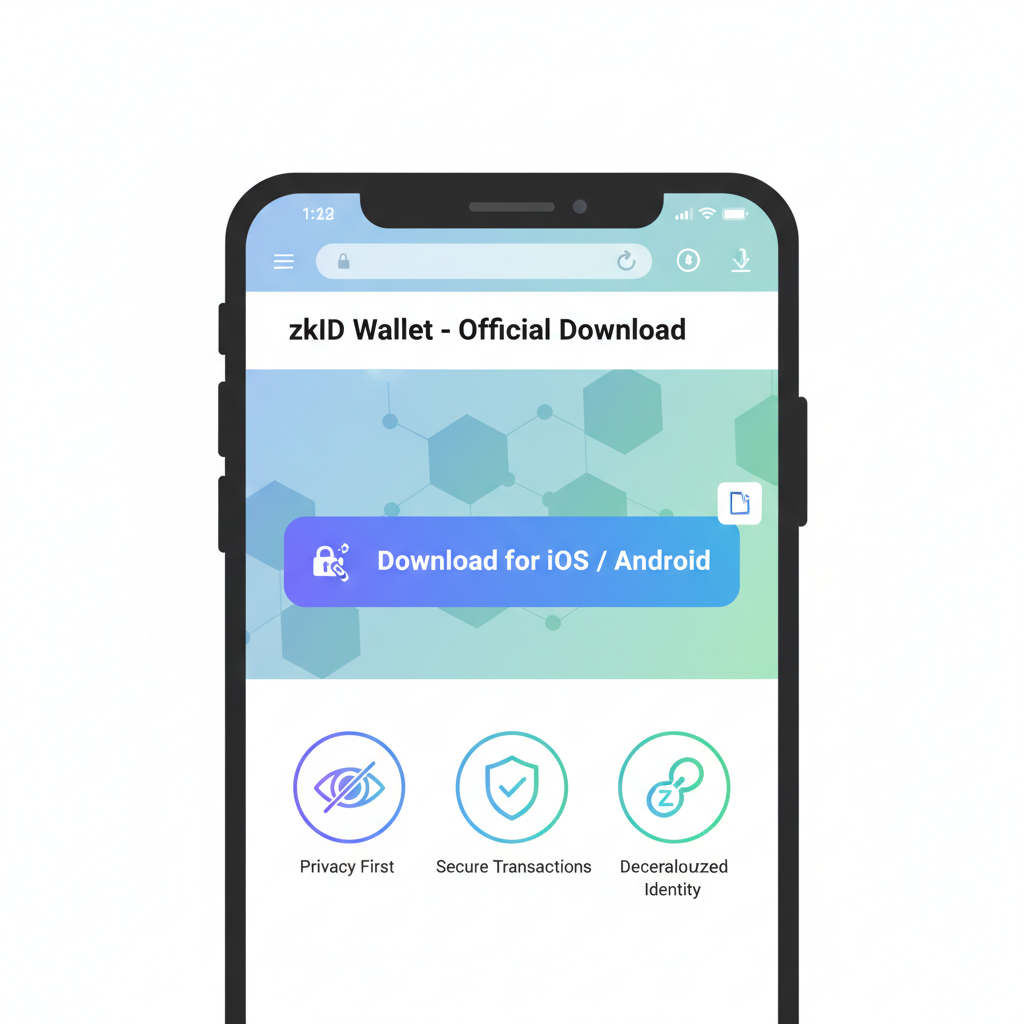
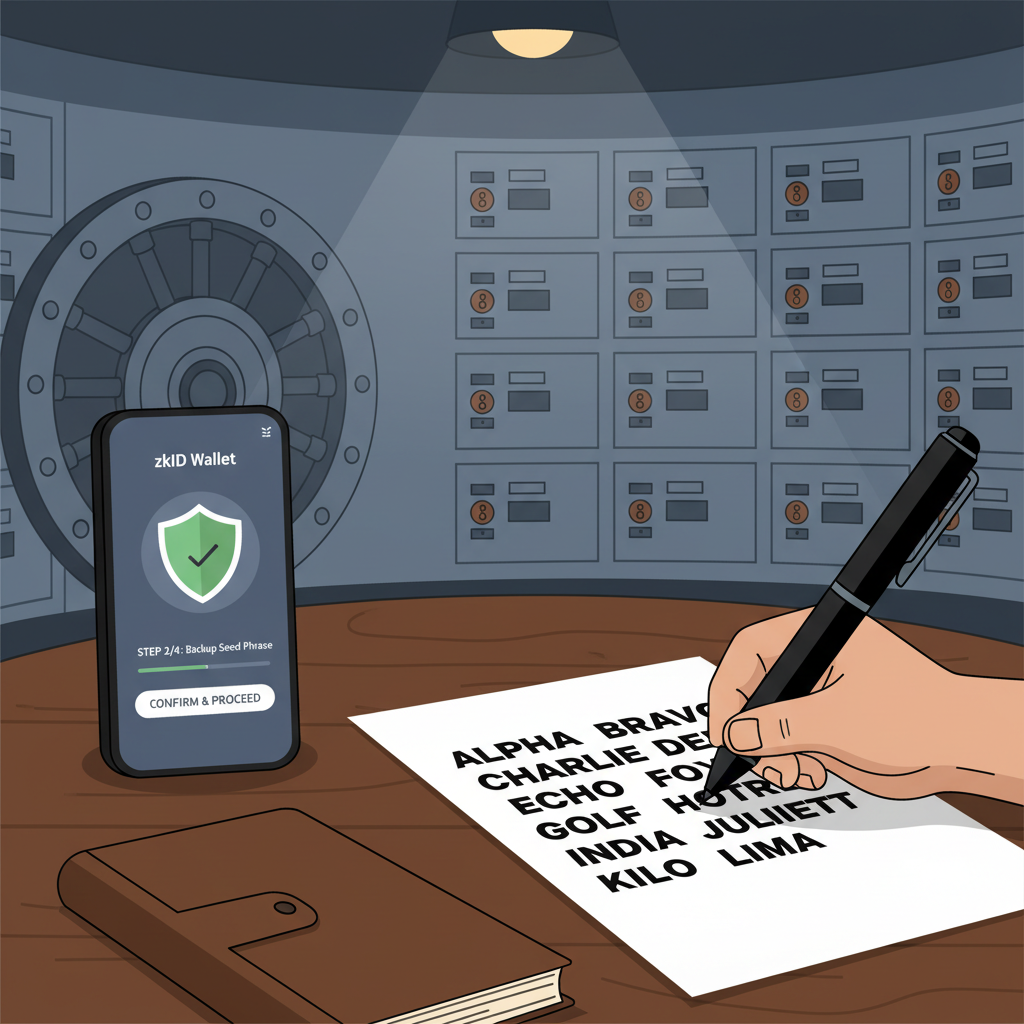
With prerequisites in place, selecting a wallet tailored to your privacy priorities sets the stage for effective deployment. zkMe Identity Wallet stands out for its user-centric design, blending credential storage with reward incentives, while Self excels in government ID proofs. Download from verified app stores or extension marketplaces, initiating the process with a seed phrase backup on offline media.
Secure zkID Wallet Setup: Empower Self-Sovereign Identity in Web3
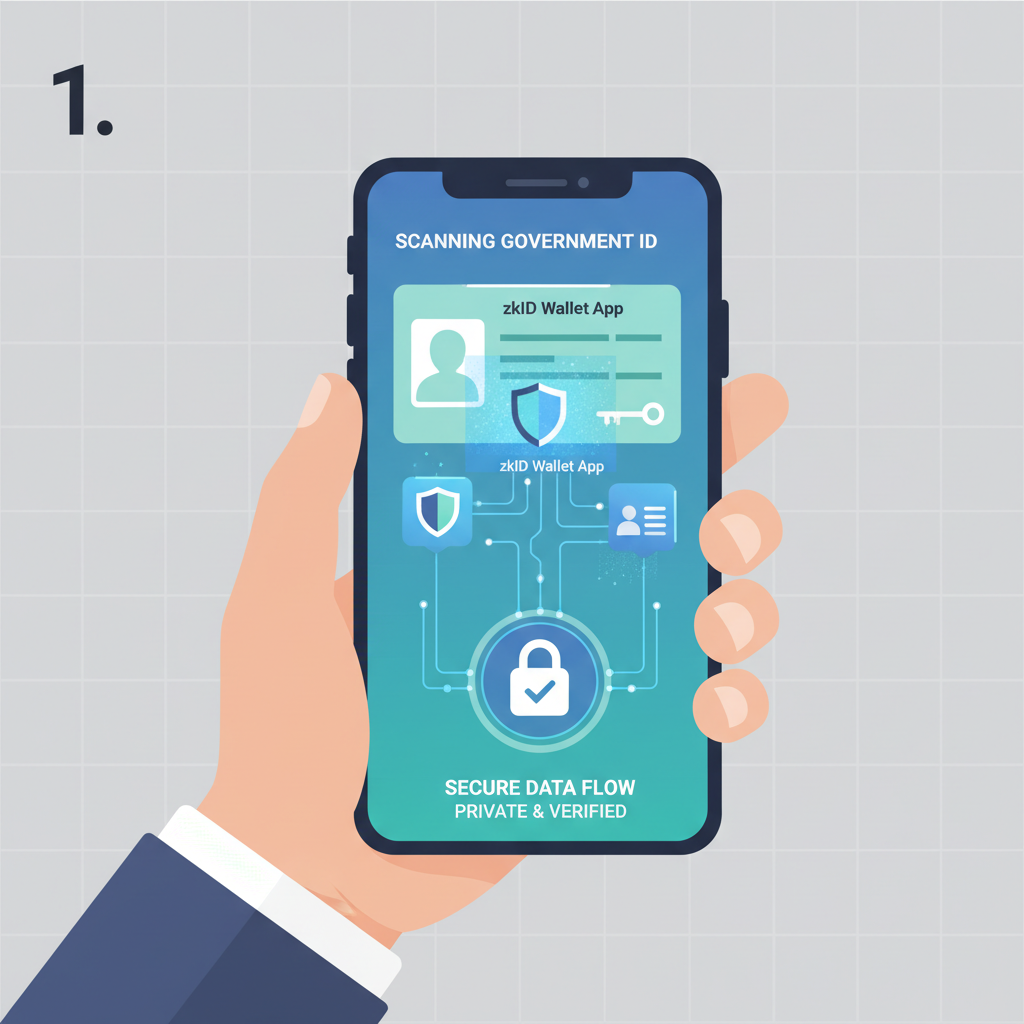
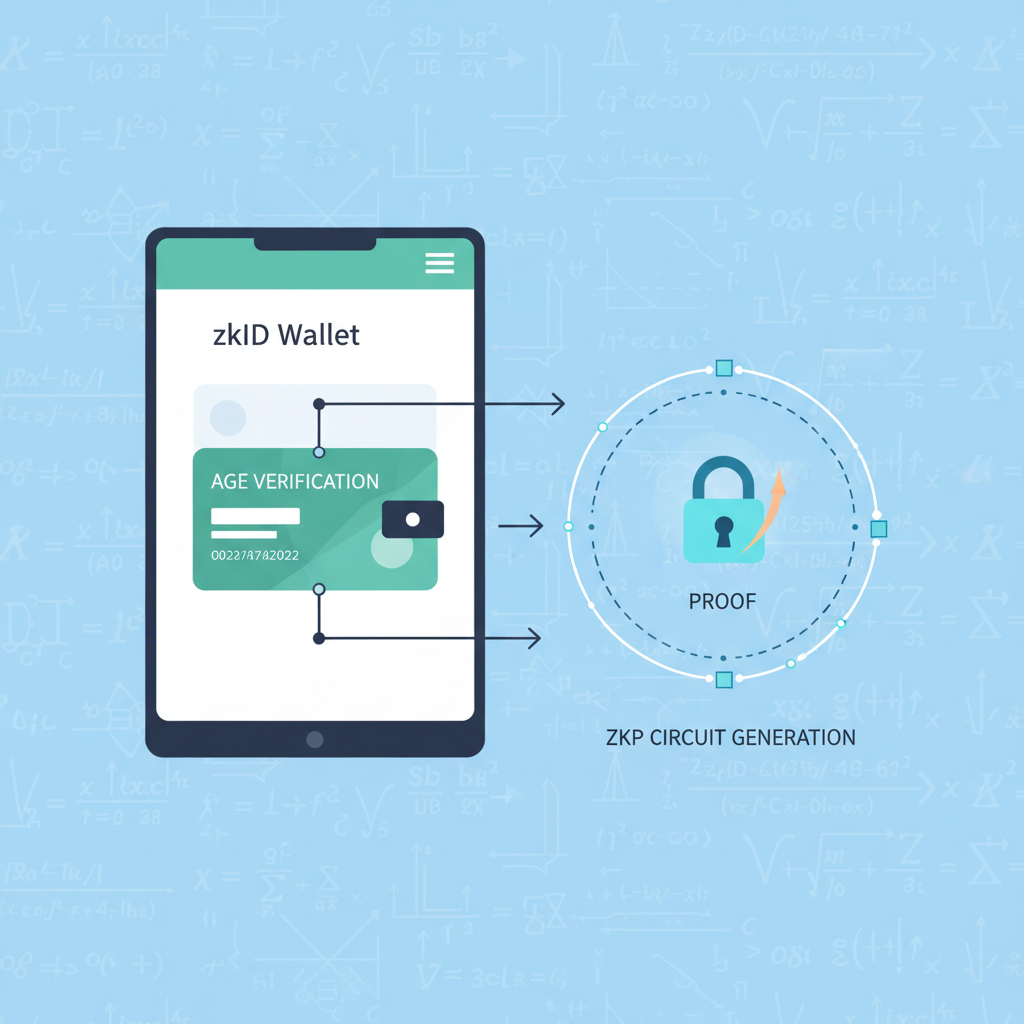
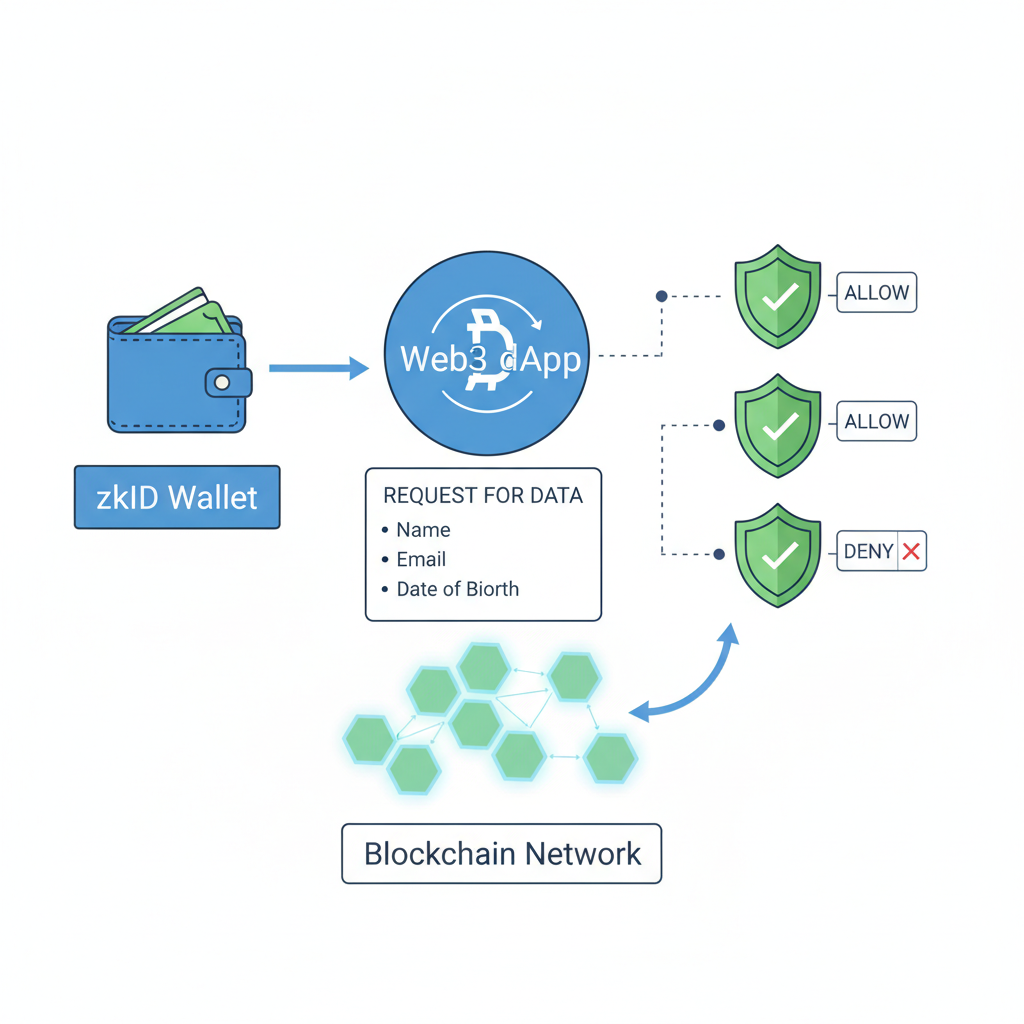
Post-setup, issue or import verifiable credentials. For instance, connect to a credential issuer via the wallet interface, attesting attributes like professional qualifications. Generate your first zero knowledge identity proof: select an attribute, compute the proof locally, and share the succinct verifier output. Test interoperability by accessing a DeFi protocol requiring KYC-lite verification, confirming seamless decentralized ID privacy in Web3.
Troubleshooting arises infrequently with audited protocols, yet anticipate gas optimization on layer-2 networks like Polygon for cost efficiency. From a regulatory lens, wallets supporting DID methods compliant with W3C standards future-proof against mandates, much as Basel III fortified banking resilience.
Interoperability challenges persist across chains, yet bridges like those in zkMe facilitate cross-ecosystem proofs. Monitor wallet updates for STARK enhancements, boosting proof scalability without trust assumptions. Enterprises eyeing DID zk wallets should integrate via APIs, enabling workforce verification sans data silos.
Real-world applications illuminate value: DAOs vet members via ZKPs on contributions without doxxing; DeFi platforms grant loans based on credit range proofs, not full histories. Privacy advocates wield these tools against surveillance capitalism, reclaiming data autonomy in an era of pervasive tracking.
Zero-knowledge proofs solve the privacy paradox in digital identities, verifying truths while concealing origins, a cornerstone for Web3 maturity.
As adoption accelerates into 2026, zk identity wallets cement self-sovereign paradigms, intertwining cryptographic rigor with user empowerment. My analysis posits these as undervalued infrastructure, paralleling early blockchain protocols that reshaped value transfer. Investors and users alike stand to gain by prioritizing privacy-preserving identities, navigating Web3 with unassailable control and discretion.



No comments yet. Be the first to share your thoughts!