
In an era where data breaches dominate headlines and centralized identity systems expose users to endless risks, zk identity wallets emerge as a game-changer for self-sovereign identity. These tools let you prove attributes like age or citizenship without sharing the underlying data, blending cryptographic wizardry with blockchain's immutability. Forget handing over your passport to every app; instead, generate a proof that says 'yes, I'm over 21' while keeping your birthdate hidden.
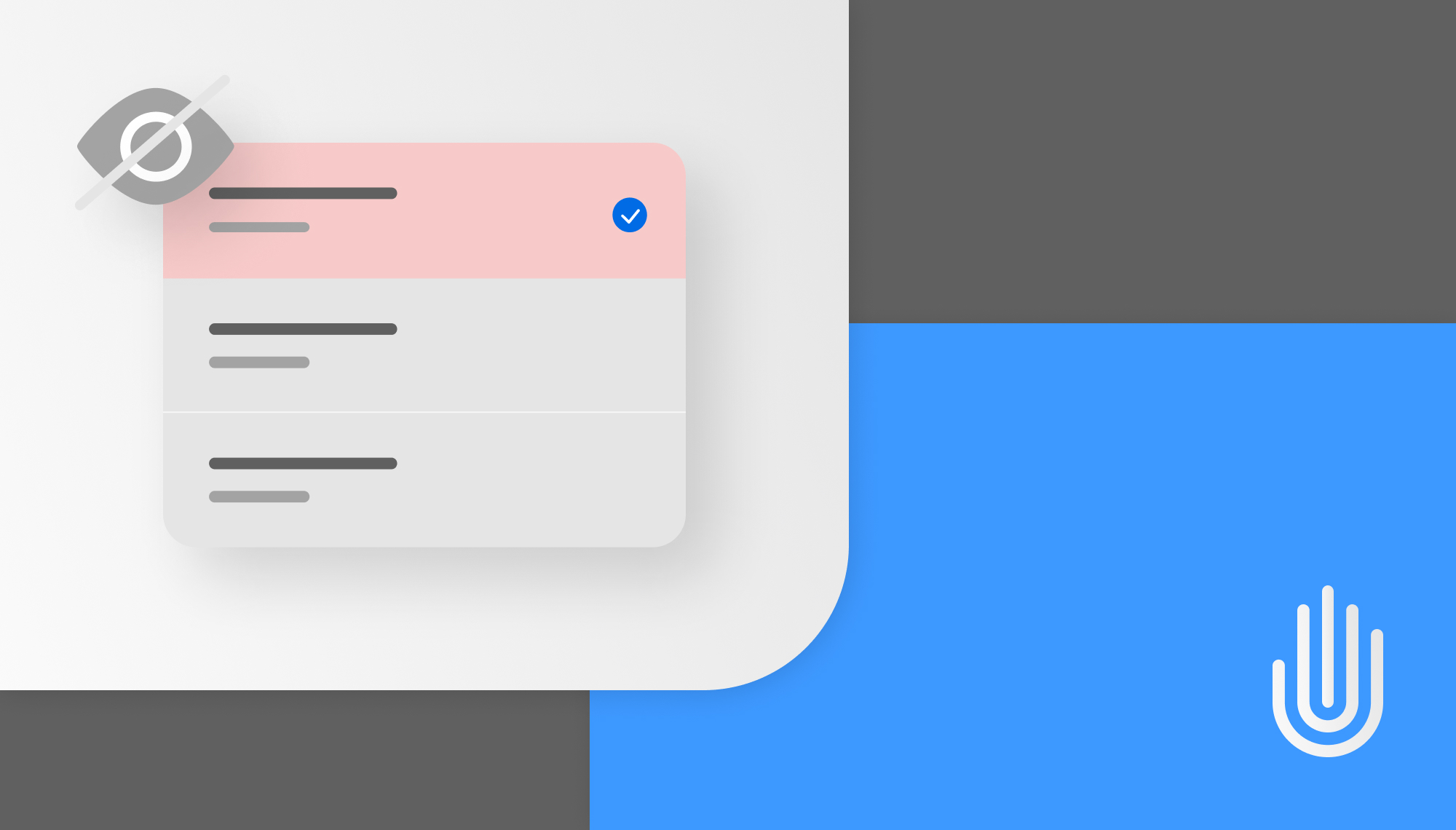
This isn't hype. Zero-knowledge proofs (ZKPs), the backbone of privacy-preserving identity, allow verification without revelation. As platforms like ZKId and Privado ID push boundaries, individuals reclaim control over their digital selves. But how does this tech deliver on self-sovereign ID promises without the usual trade-offs?
Unlocking Self-Sovereign Identity with DID ZK Proofs
Self-sovereign identity wallets flip the script on traditional models. No more siloed data vaults run by governments or tech giants. With decentralized ID wallets, you hold the keys - literally. ZKPs supercharge this by enabling selective disclosure: share only what's needed, prove it cryptographically, and nothing more.
Consider KYC processes in Web3. Conventional checks demand full document dumps, ripe for abuse. ZK-KYC, powered by zk identity wallets, verifies compliance without exposing details. Sources like Mitosis University highlight how this revolutionizes DeFi access, letting users onboard privately while regulators stay satisfied.
ZKPs trace roots to 1980s cryptography but hit prime time on blockchains like Polygon and Mina Protocol. They work via interactive protocols or succinct non-interactive arguments (zk-SNARKs), compressing complex verifications into tiny proofs. The result? Lightning-fast checks with ironclad privacy.
Why ZK Identity Wallets Outpace Legacy Systems
Legacy identity relies on 'show everything to prove one thing. ' ZK wallets demand 'prove exactly what matters. ' This shift minimizes data exposure, slashing breach risks. KuppingerCole notes ties to EU Digital Identity Wallet, where privacy frames the entire promise.
Core Advantages of ZK Identity Wallets
- Enhanced Privacy: Verify attributes like age or KYC status without revealing underlying data, using zero-knowledge proofs (ZKPs) as in ZKId and Privado ID.

- User Control: Self-sovereign identity (SSI) lets users own and selectively disclose credentials, preventing centralized data breaches per SSI frameworks.
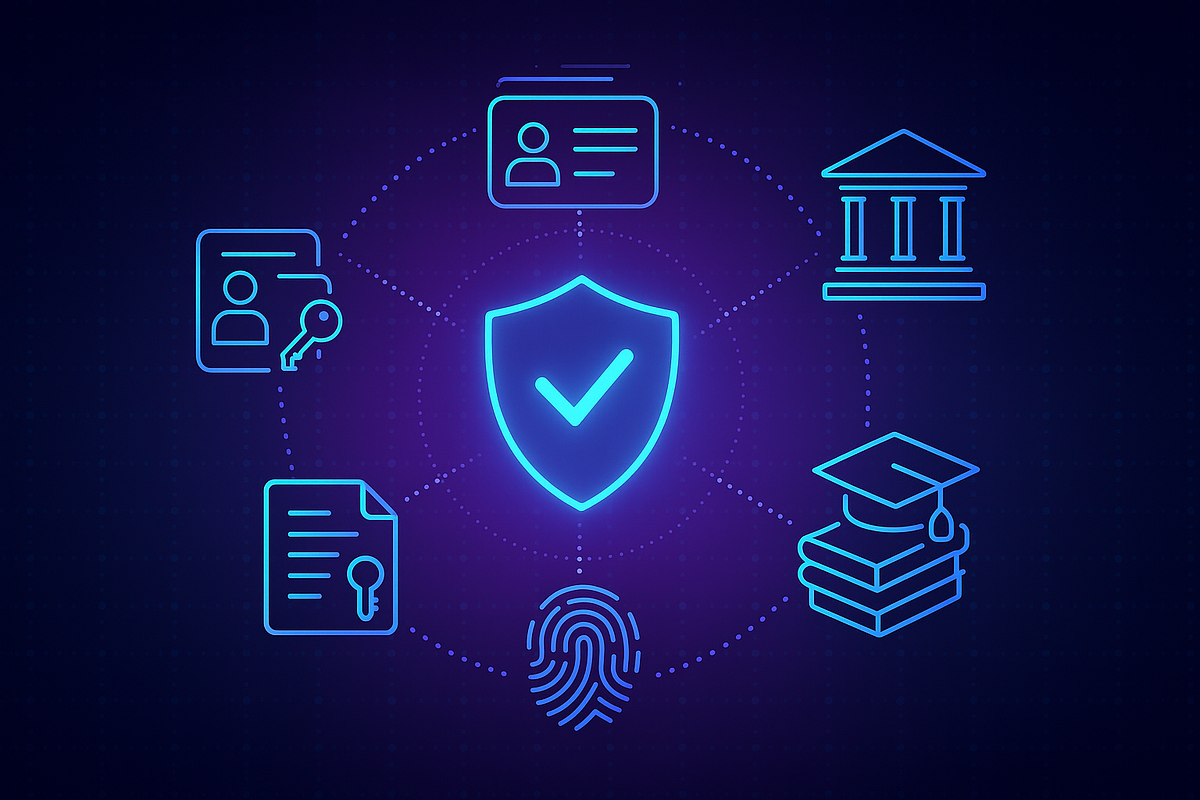
- Regulatory Compliance: ZK-KYC enables privacy-preserving verification for AML/KYC without exposing sensitive info, supporting EUDI Wallet standards.
- Scalability: Efficient ZKPs handle high-volume verifications on-chain, as with Polygon ID's (now Privado ID) blockchain-based solutions.
- Interoperability: Works across Web3 apps and chains via DID standards, enabling seamless credential use in decentralized ecosystems.
Privacy advocates cheer as ZK enables data minimization - share proofs, not profiles. Enterprises benefit too; Internet Policy Review outlines how SSI with ZK meets IAM needs without central honeypots. For developers, open-source stacks from zkID (Privacy Stewards of Ethereum) lower entry barriers.
Scalability shines in Web3. Polygon ID (now Privado ID) offers blockchain-based IDs with native ZK protocols, handling high throughput privately. Users interact with dApps, proving credentials on-chain minus leaks.
Trailblazing Platforms in the ZK Ecosystem
ZKId stands out, empowering self-sovereign identity via decentralized storage and ZKPs. Prove identity traits without info dumps, all user-controlled. Privado ID builds on Polygon roots, delivering verifiable credentials for Web3 with ultimate privacy.
zkMe leverages Polygon ID as a decentralized issuer, issuing credentials in SSI frameworks. Secure, private verifications follow. Zoniqx's zIdentity attests data integrity cryptographically, redefining trust sans confidentiality loss.
These aren't isolated; they interoperate via standards, forming a robust self-sovereign identity wallets landscape. Extrimian visualizes SSI authentication through ZKP protocols, while Mina Protocol solves privacy puzzles for DID providers.
Real-world adoption hinges on seamless integration. ScalingX points out hurdles in DID solutions, but ZKPs clear them by respecting user privacy during verification. This maturity positions zk identity wallets as the backbone of tomorrow's digital economy.
Navigating Challenges in ZK Adoption
Despite momentum, zk identity wallets face computational hurdles. zk-SNARKs demand hefty preprocessing, though protocols like Polygon ID optimize for scalability. User experience matters too; intuitive interfaces separate winners from experiments. Privado ID nails this with Web3-native tools, proving credentials effortlessly.
Regulatory alignment adds complexity. EU's EUDI Wallet eyes ZK for privacy, per KuppingerCole, but global standards lag. I argue interoperability trumps perfection; open-source efforts from zkID bridge gaps, fostering a unified ecosystem. Mina Protocol's lightweight proofs further democratize access, sidestepping resource hogs.
Comparison of Top zk Identity Wallets
| Wallet | Key Features | Privacy Tech | Blockchain Base | Use Cases |
|---|---|---|---|---|
| ZKId | Self-sovereign identity with decentralized storage; prove attributes without revealing data | Zero-Knowledge Proofs (ZKPs) | Ethereum | Privacy-preserving digital identity verification; SSI applications |
| Privado ID (formerly Polygon ID) | Decentralized identity for Web3; full user control over data and credentials | Zero-Knowledge Proofs; zero-knowledge native protocols | Polygon | Web3 application access; scalable private on-chain verification; compliance (ZK-KYC) |
| zkMe | Decentralized issuer platform; verifiable credentials via SSI framework | Zero-Knowledge Proofs (built on Polygon ID) | Polygon | Secure identity verification; credential issuance with privacy |
| zIdentity (by Zoniqx) | Decentralized identity attestation; ensures data integrity and user control | Advanced cryptographic techniques including ZKPs | Blockchain-based (decentralized) | Redefining trust in digital identity; privacy-focused interactions |
Privacy-preserving identity isn't theoretical. Samuel A. Adewole champions selective disclosure, shifting from 'show everything' to 'prove what matters. ' zk-KYC exemplifies this in DeFi, where users verify without doxxing.
Hands-On: Implementing DID ZK Proofs
Developers and users alike can dive in today. Start with wallets issuing verifiable credentials (VCs). zkMe's Polygon ID integration simplifies issuance, letting you attest attributes privately. For enterprises, Dock Labs' beginner guide demystifies ZKPs, emphasizing verification sans revelation.
Set Up Privado ID: Your zk Identity Wallet in 5 Steps
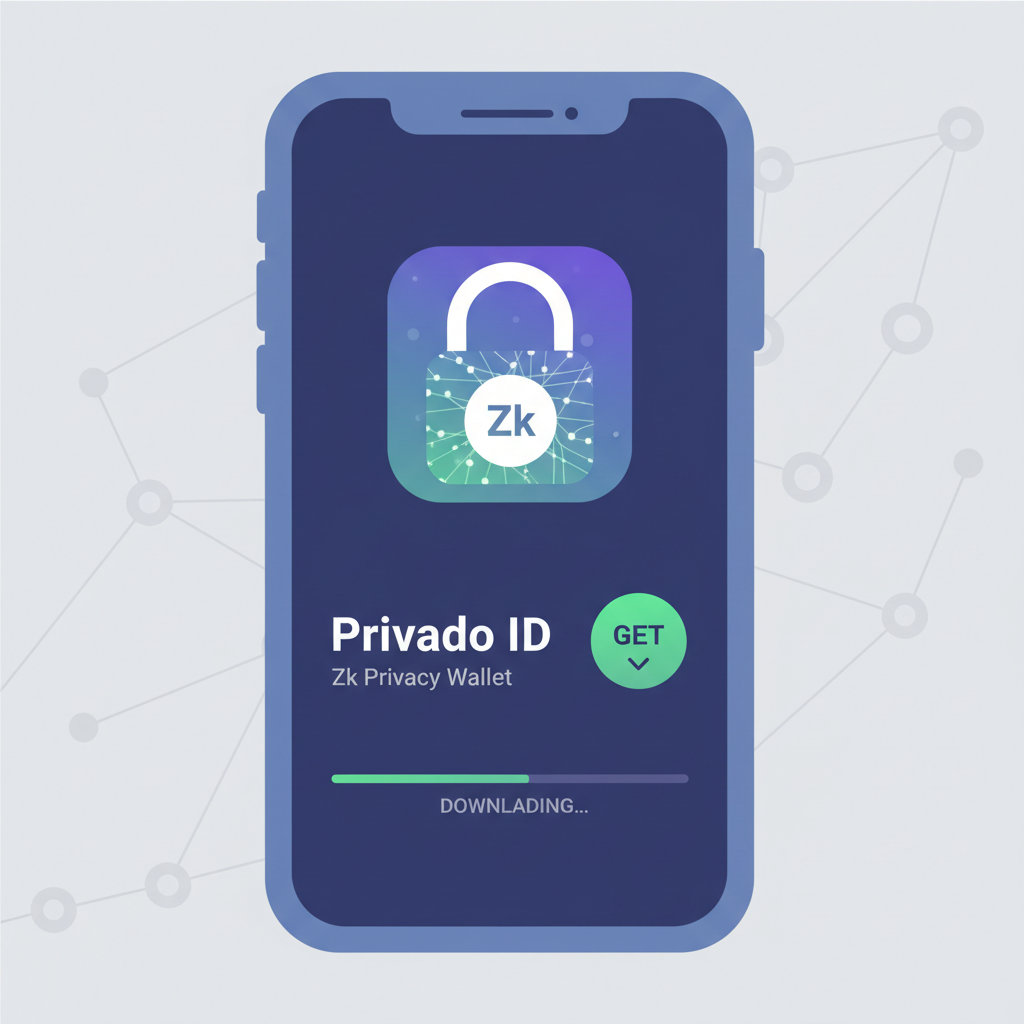
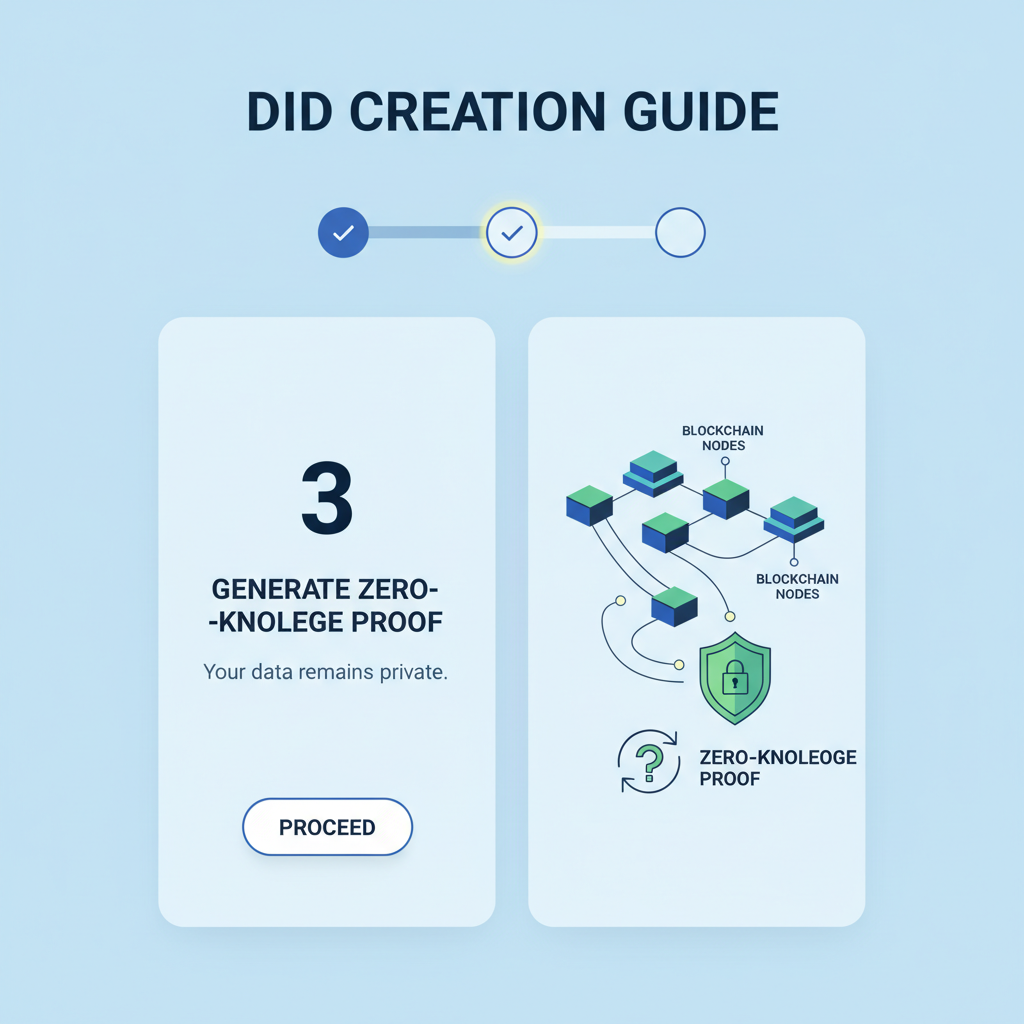
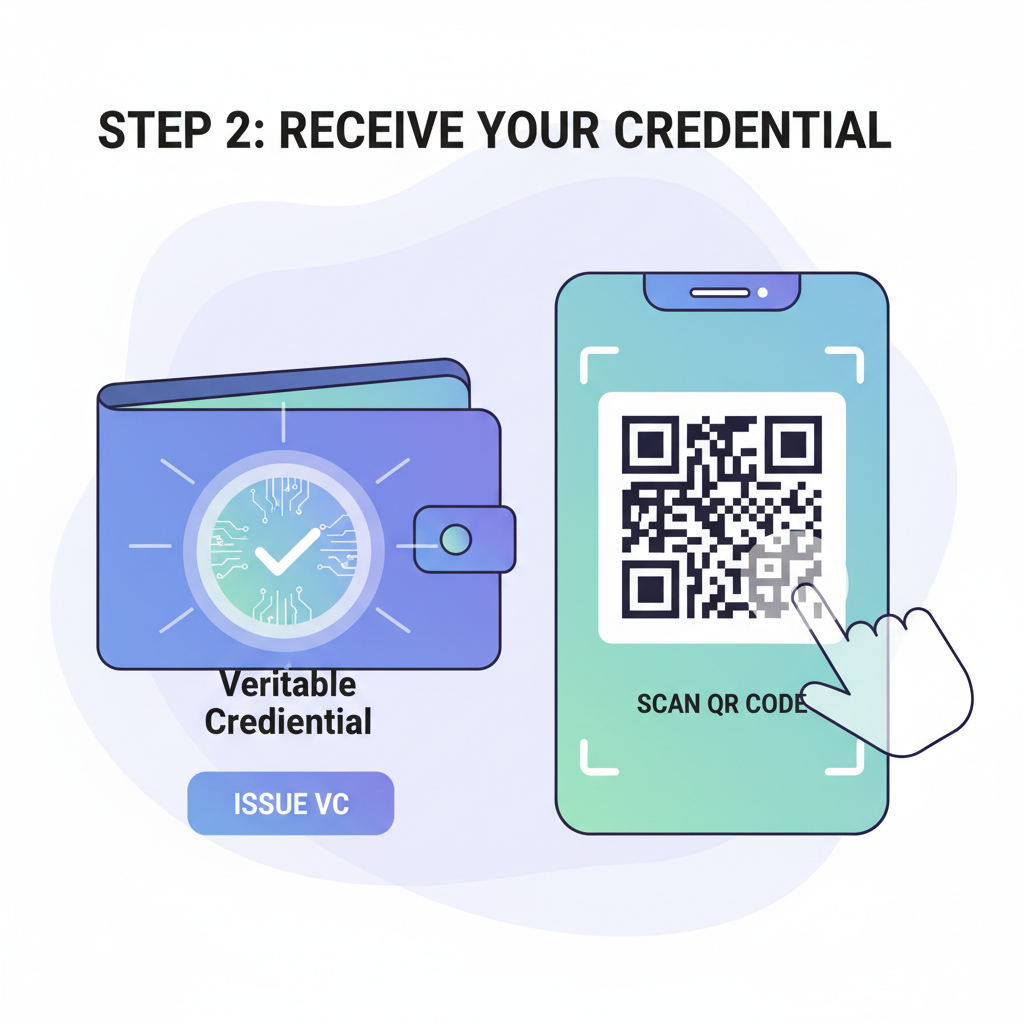
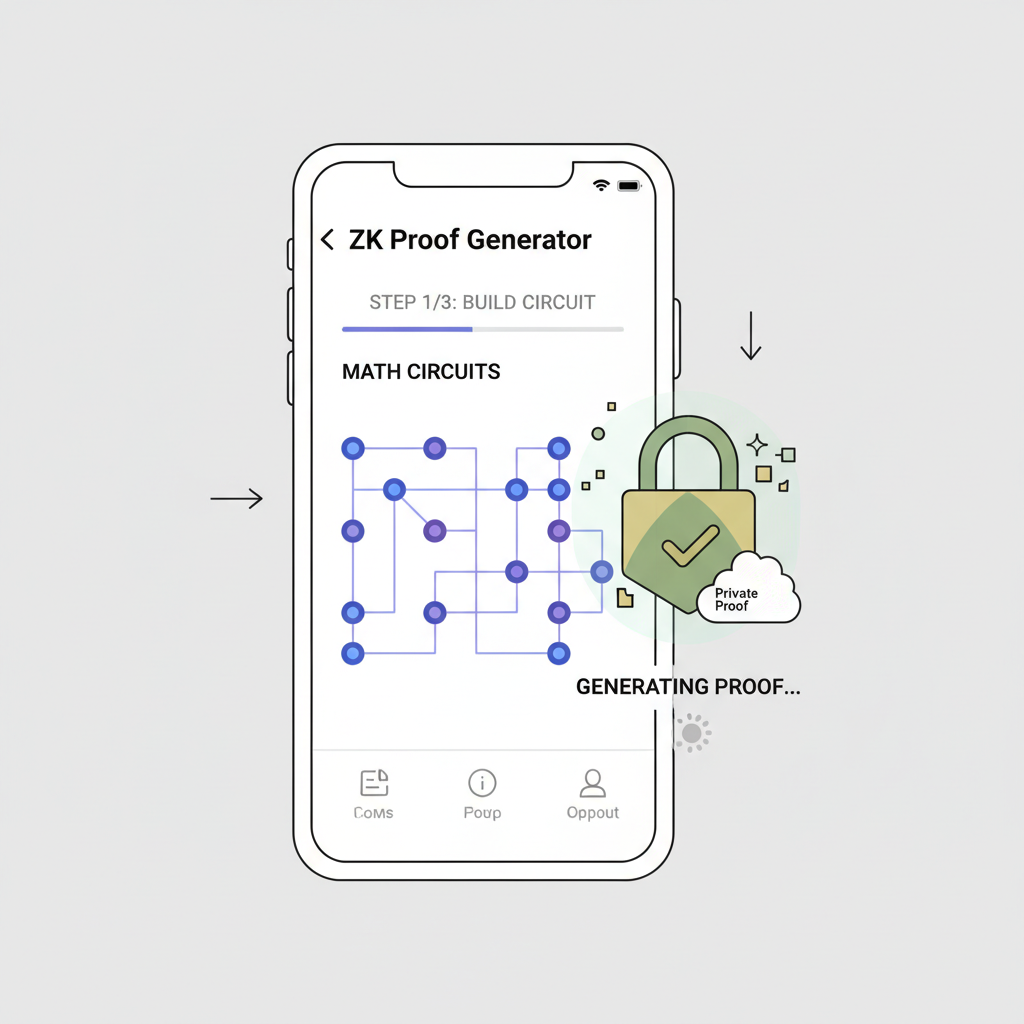
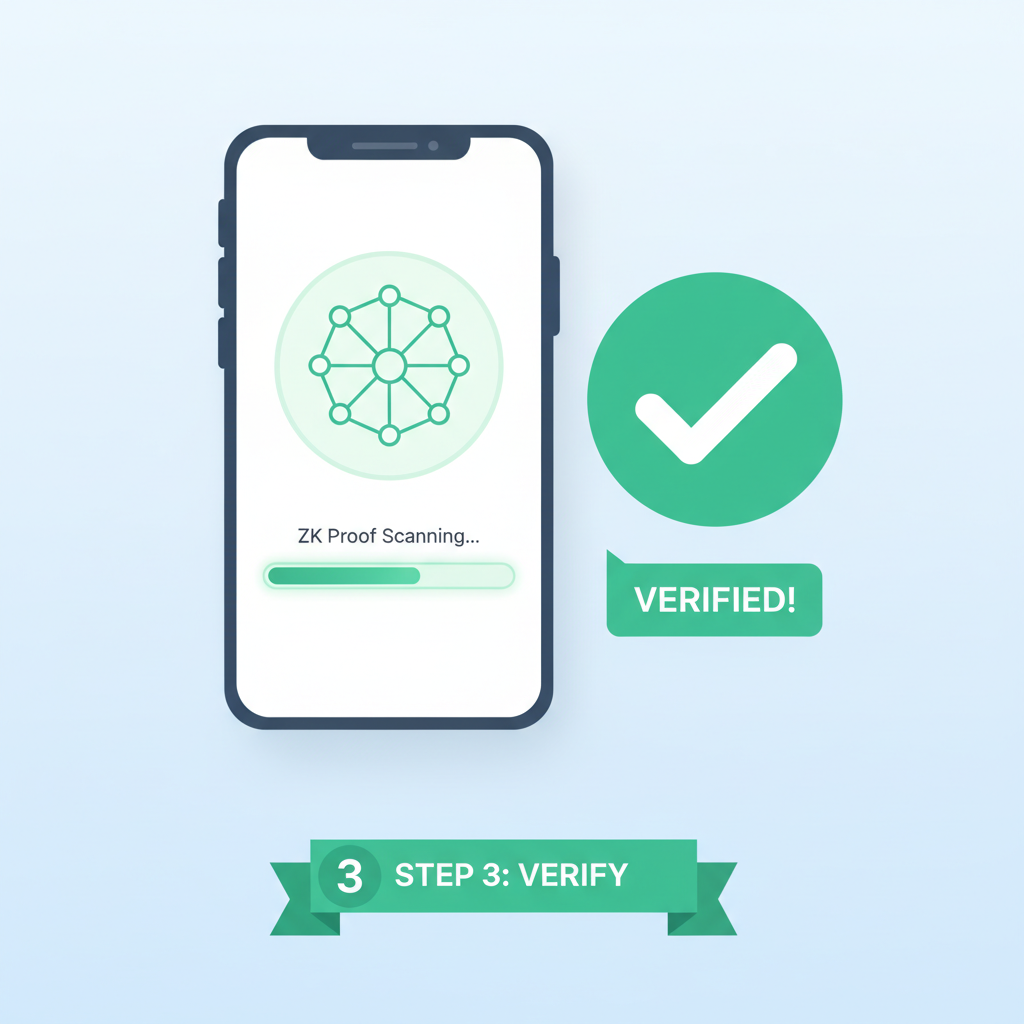
Once equipped, test in sandboxes. Prove age for NFT drops or accreditation for DAOs minus data trails. This hands-on loop builds confidence, revealing ZK's edge over OAuth logins or centralized auth.


Interoperability shines through W3C standards. Platforms like Zoniqx's zIdentity attest integrity cryptographically, syncing across chains. Privacy Stewards of Ethereum push zkID standards, ensuring your decentralized ID wallet travels seamlessly.
Macro trends favor acceleration. With breaches costing billions annually, boards demand SSI. Web3's explosion amplifies need; zk identity wallets deliver compliance without compromise. Extrimian's SSI-ZKP visuals underscore authentication's future: sleek, secure, sovereign.
Action accelerates impact. Experiment with ZKId for personal use or audit Privado ID for teams. Track Mina's privacy tools for edge cases. In my analysis, early movers gain outsized control as norms shift. These wallets don't just protect data; they redefine agency in digital realms.
Stake your claim in self-sovereign ID. The tech matures rapidly, blending usability with unbreakable privacy. zk identity wallets herald an era where verification empowers, never exposes.



No comments yet. Be the first to share your thoughts!