
In the evolving landscape of 2025, where data breaches and surveillance concerns dominate headlines, zk identity wallets emerge as indispensable tools for privacy advocates pursuing true self-sovereign identity. These privacy-preserving DID wallets leverage zero-knowledge proofs to let you prove attributes like age or residency without exposing underlying data, shifting power from centralized gatekeepers to individuals. As regulations like eIDAS 2.0 and ECCTA push for compliant yet private verification, platforms such as Polygon ID and Self are leading the charge, making decentralized identity zk setup accessible and robust.

Consider the real-world implications: imagine accessing financial services or age-gated content by sharing only a cryptographic proof, nothing more. This isn't futuristic speculation; it's operational today through DID zk wallets 2025, aligning with blockchain-anchored systems like those in GAIA-X projects. My analysis of adoption trends reveals a methodical surge, with open-source libraries from initiatives like Google's ZKP efforts accelerating integration.
Core Mechanics of Zero-Knowledge Proofs in Self-Sovereign Identity
Zero-knowledge proofs (ZKPs) form the cryptographic backbone of self-sovereign identity wallets. At their essence, ZKPs enable a prover to convince a verifier of a statement's truth without revealing additional information. In identity contexts, this means generating proofs from verifiable credentials stored in your wallet, such as scanning an NFC-enabled ID to attest to nationality without disclosing your name or address.
Take Polygon ID, a standout in zk-enabled solutions: it embeds ZKPs to share minimal proofs, drastically cutting data exposure risks. Unlike traditional KYC, where full documents are surrendered, these wallets ensure verifiers learn only what's necessary. This paradigm reinforces user sovereignty, as highlighted in recent onchainpassport. org analyses, where ZKPs empower control over digital identities free from centralized reliance.
Comparison of Key zk Identity Wallets
| Wallet | Features | Privacy Level | Ease of Setup |
|---|---|---|---|
| Self | NFC scanning of government-issued IDs, open-source 🔓 | Very High 🔒 (ZKPs from chip data without exposure) | Easy (mobile scan and setup) ✅ |
| zkMe | Mobile app, anonymized credentials from trusted entities 📱 | High 🔒 (decentralized verifiable credentials) | Very Easy (app download and account creation) ✅ |
| iden3 | Decentralized self-sovereign identity framework 🌐 | High 🔒 (user-controlled privacy in decentralized env) | Moderate (framework integration required) ⚖️ |
| Polygon ID | Scalable zero-knowledge proofs for DID 📈 | Very High 🔒 (efficient, real-world privacy benefits) | Easy (wallet app with scalable setup) ✅ |
Evaluating Leading zk Identity Wallets for 2025
Selecting the optimal zero knowledge identity proof wallet demands a discerning eye toward interoperability, security audits, and real-world utility. Self stands out for its privacy-focused NFC scanning of government IDs, generating proofs seamlessly via mobile. Its open-source nature invites community scrutiny, vital for trust in self-sovereign systems.
zkMe offers a polished mobile experience, storing credentials from trusted issuers while maintaining anonymity. Developers appreciate its protocol components for custom integrations. iden3, meanwhile, prioritizes decentralized environments, providing robust tools for advanced users building on Ethereum-compatible chains. Polygon ID excels in scalability, delivering privacy benefits at web2 speeds.
Trends from 2025 sources, including House of ZK and Athennian, underscore their maturity: ZKPassport variants challenge legacy KYC, while academic credentials secure via ZK attestations gain traction. For privacy advocates, prioritize wallets with audited ZKP libraries and minimal disclosure defaults.
Foundational Setup Steps for Secure zk Wallet Deployment
Embarking on decentralized identity zk setup requires precision to safeguard your sovereignty from inception. Begin by sourcing apps from official channels, avoiding phishing vectors prevalent in crypto spaces. Platforms like Self guide you through account creation with secure passphrases and recovery phrases, emphasizing offline backups.
The identity verification phase is transformative: align your device with an NFC passport or ID, letting the wallet extract and zk-ify attributes. No data leaves your device unencrypted. Subsequently, manage credentials judiciously, issuing proofs on-demand for services from banking to social platforms.
Once your wallet is initialized and credentials ingested, the true power of zk identity wallets unfolds in proof generation and selective disclosure. This phase demands a methodical approach to ensure proofs are tamper-proof and aligned with verifier protocols, a nuance often overlooked by newcomers chasing quick setups.
Issuing Your First Zero-Knowledge Proof
Proof issuance bridges the gap between stored credentials and service access. For instance, to verify age for a restricted platform, your wallet computes a ZKP attesting "over 18" from your ID data, revealing nothing else. Platforms like Self streamline this via intuitive interfaces, while Polygon ID scales it for high-volume dApps. My examination of 2025 deployments shows these proofs integrate seamlessly with eIDAS 2.0-compliant systems, reducing data exposure as noted in Athennian reports.
Privacy-Preserving Proofs: 5 Steps to ZK Verification Mastery
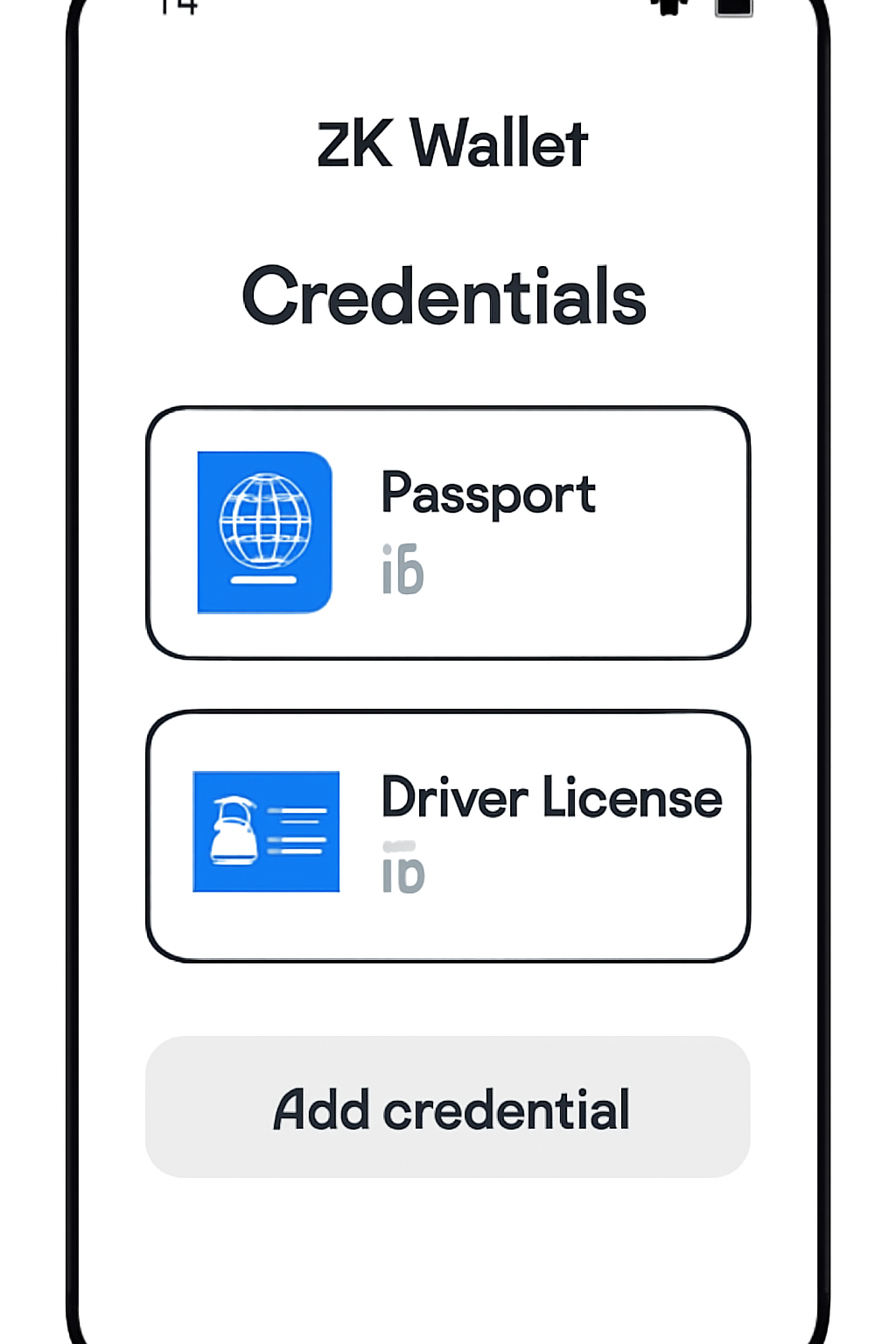
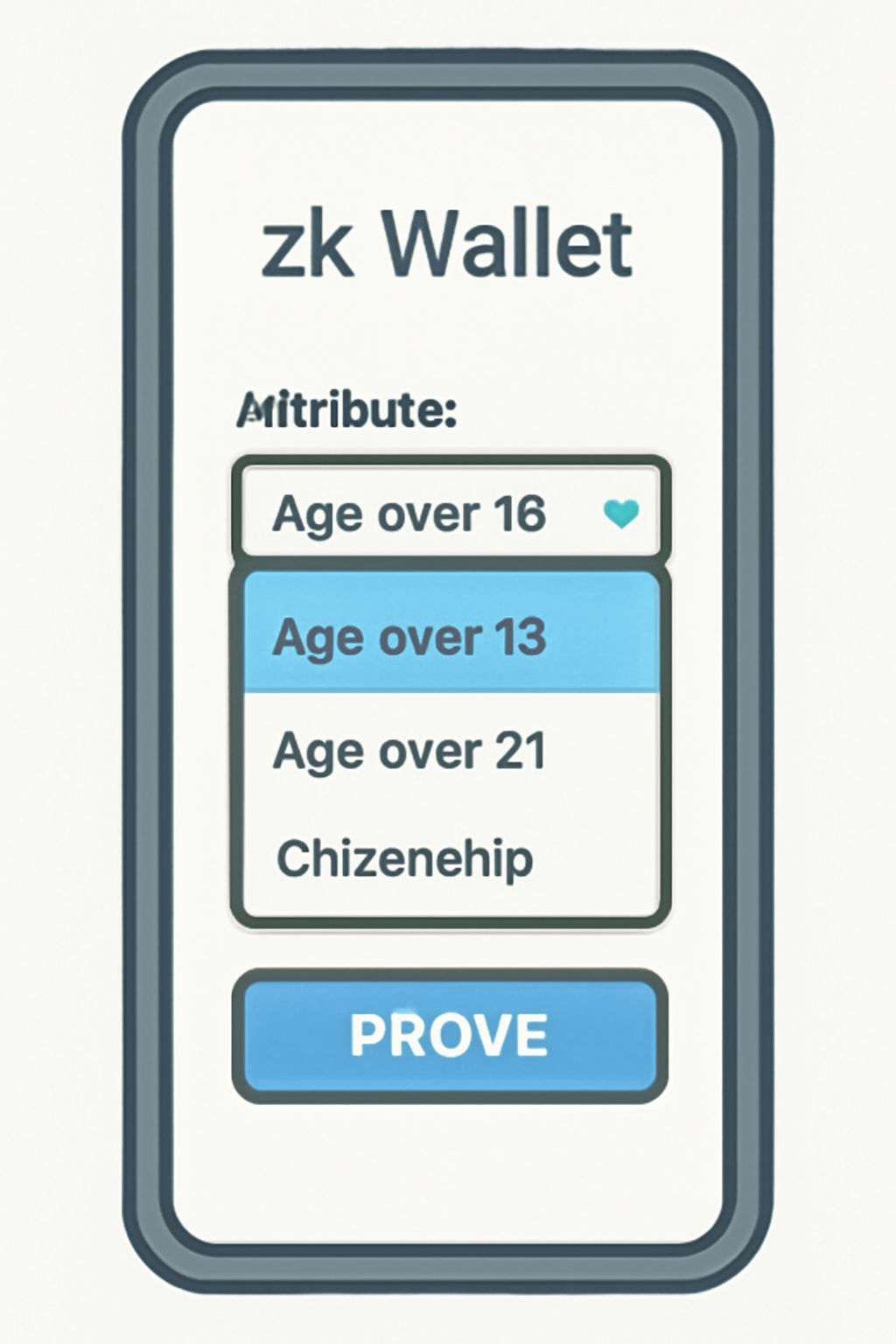
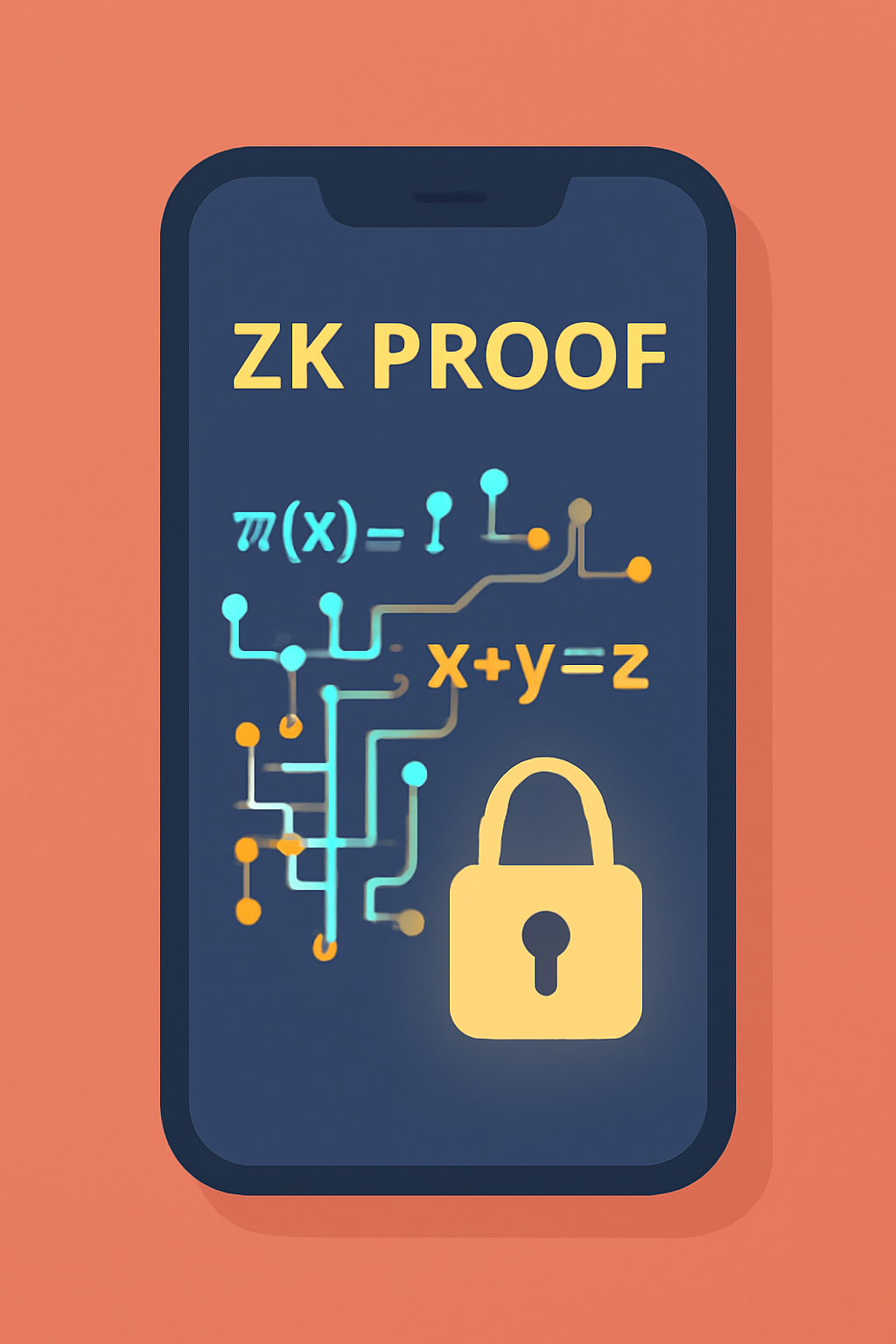
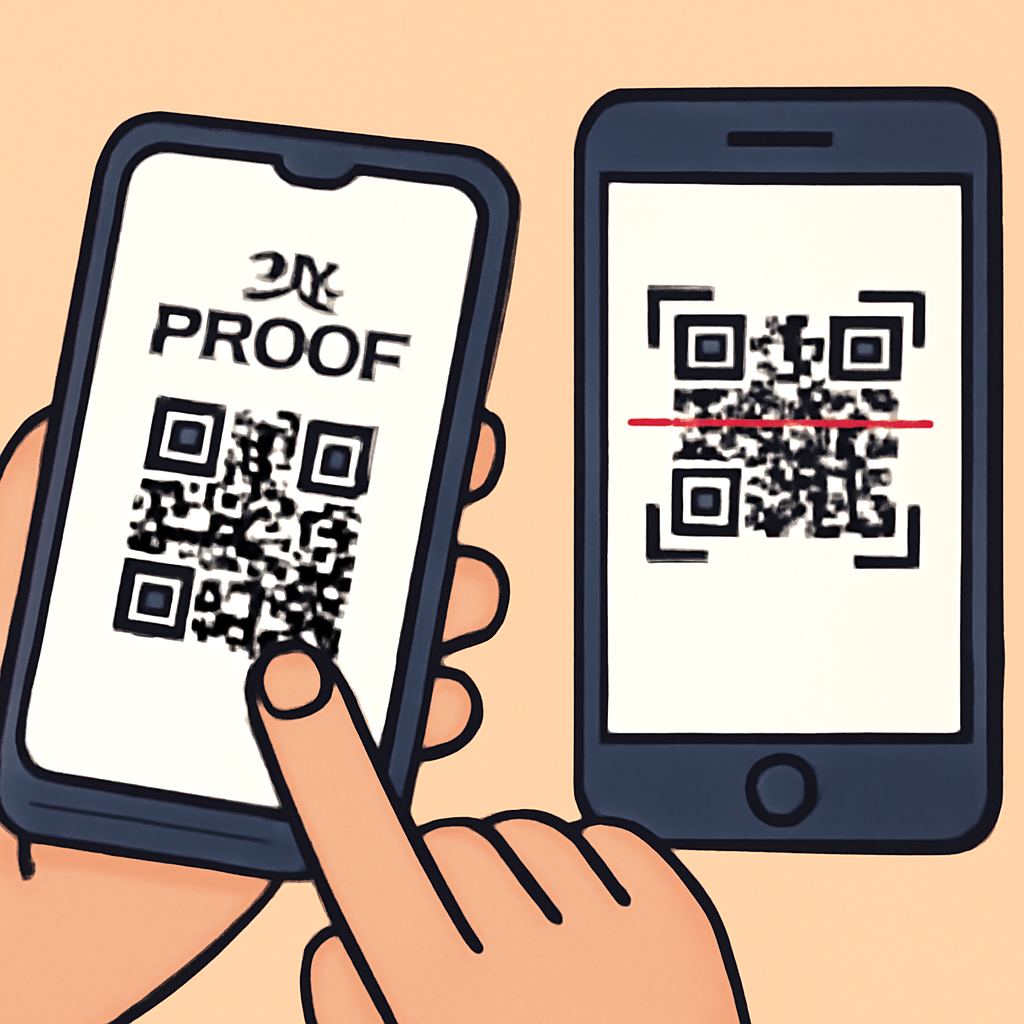
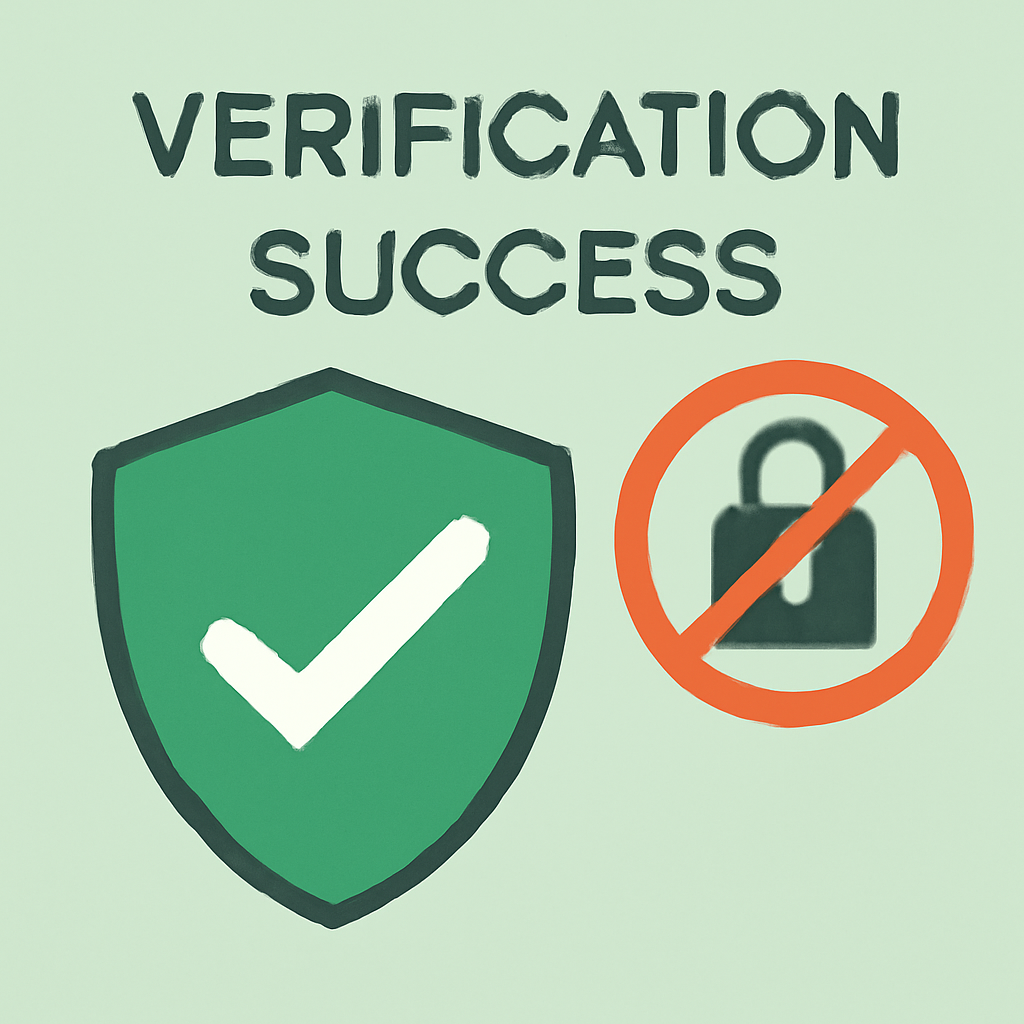
Testing proofs locally before live use builds confidence. Tools within iden3 allow simulation against mock verifiers, exposing potential mismatches early. This disciplined testing mirrors patterns I track in digital markets, where preparation precedes profitable moves.
Integrating zk Wallets with Everyday Services
Beyond setup, interoperability defines utility. zkMe's protocol shines here, enabling credential reuse across DeFi platforms, social networks, and even vehicle passports as in GAIA-X pilots. Imagine logging into a privacy-centric exchange with a nationality proof, no full KYC dump required. House of ZK highlights ZKPassport's edge over traditional methods, embedding crypto-native privacy.
Developers can extend these wallets via APIs, crafting custom circuits for niche verifications like academic credentials secured by ZK, per Medium analyses. For privacy advocates, prioritize wallets supporting multiple proof systems - SNARKs for efficiency, STARKs for transparency - to future-proof your stack.
Overcoming Common Pitfalls in zk Identity Management
No technology is flawless; zk wallets face scalability hurdles and user error risks. Quantum threats loom distantly, but audited libraries from Google's open-source ZKP efforts and Dock Labs basics mitigate classical attacks. Common stumbles include poor backup hygiene or over-sharing attributes - pitfalls a checklist alone can't fully avert.
Adopt a layered defense: enable biometric locks where available, rotate recovery phrases periodically, and audit connected dApps. In my pattern-spotting experience, consistent habits yield the steadiest outcomes, much like charting sustained uptrends in adoption metrics for self-sovereign identity wallets.
- Monitor wallet logs for anomalous proof requests.
- Cross-verify issuer trustworthiness before ingesting credentials.
- Engage community forums for emerging threat intel.
Regulatory winds favor this shift; ECCTA mandates like those in 2025 push verifiers toward ZK-compatible flows, positioning early adopters advantageously.
The Road Ahead for DID zk Wallets
By late 2025, zk identity solutions mature toward ubiquity, with Polygon ID exemplifying scalable privacy and Self pioneering NFC simplicity. zkMe and iden3 pave developer paths, fostering ecosystems where privacy-preserving DID wallets underpin Web3 social graphs and beyond. Onchainpassport. org insights affirm ZKPs' role in ditching centralized chokepoints.
Privacy advocates, equip yourselves methodically: master these tools, and reclaim narrative control over your digital footprint. The charts of adoption don't lie - this surge promises enduring sovereignty in an data-hungry world.



No comments yet. Be the first to share your thoughts!