
As blockchain adoption surges in 2025, users demand tools that safeguard their digital identities without compromise. zk DID wallets, leveraging zero-knowledge proofs, outpace traditional self-sovereign identity tools in privacy, enabling blockchain enthusiasts to verify credentials selectively while revealing nothing extraneous. This shift addresses long-standing vulnerabilities in data handling, positioning zk technology as essential for decentralized ID privacy.
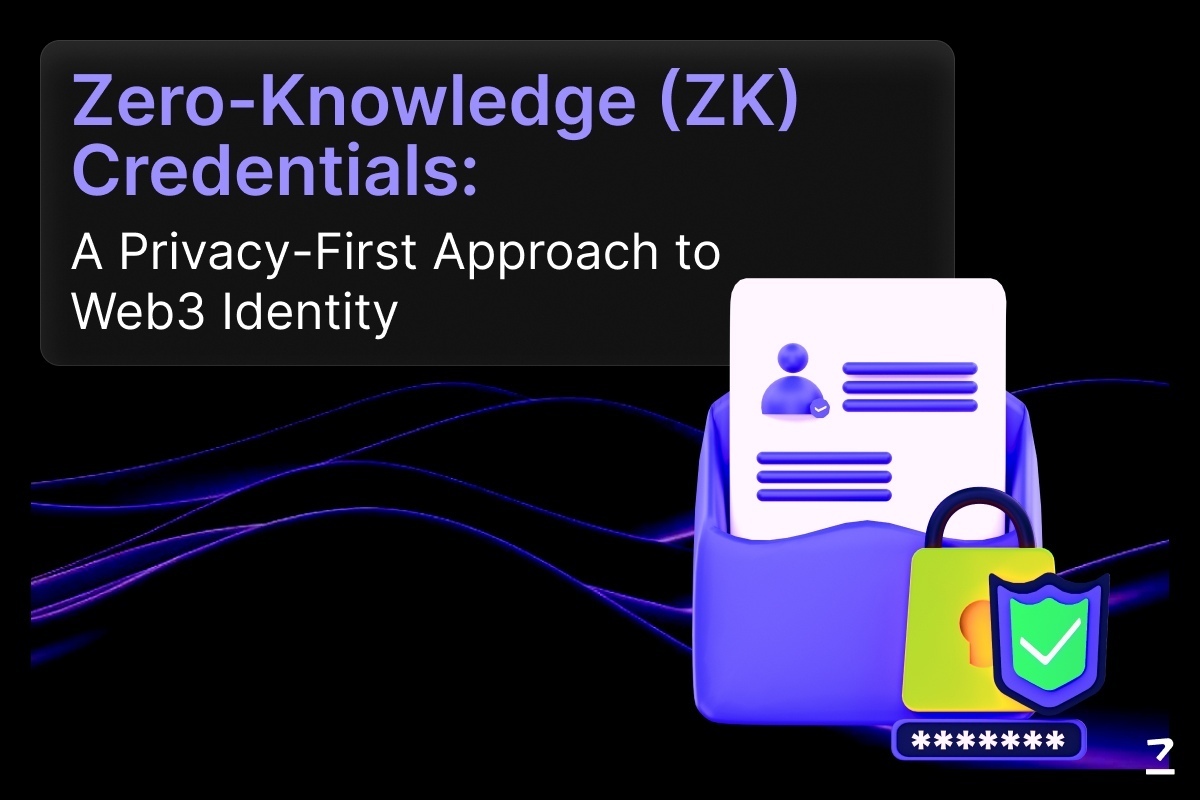
Privacy advocates and developers alike recognize that traditional self-sovereign identity (SSI) tools laid crucial groundwork. SSI empowers individuals with full control over their digital identities, sidestepping third-party intermediaries as outlined in guides like those from Dock Labs. Users store verifiable credentials in personal wallets, issuing proofs on demand. Yet, these systems often rely on signatures or basic encryption, potentially exposing metadata or linkage risks during verification.
Core Mechanics of Traditional SSI Tools
At their heart, traditional SSI frameworks use decentralized identifiers (DIDs) and verifiable credentials (VCs). A user might receive a VC from an issuer, such as a university diploma, stored locally in a wallet like the EU EUDI Wallet. Verification involves presenting the credential, signed cryptographically to confirm authenticity. This model promotes data minimization compared to centralized databases, but verifiers still glimpse full attributes unless selective disclosure is implemented manually.
Challenges persist. Without inherent zero-knowledge mechanisms, traditional SSI can inadvertently link identities across interactions. For instance, repeated use of the same DID might correlate activities, eroding anonymity. Research from ScienceDirect highlights how blockchain-based access control in SSI benefits from added layers, yet base tools fall short on concealing sensitive values during policy checks.
Self-Sovereign Identity gives individuals full ownership without third-party reliance. (Dock Labs, 2025)
This foundation proves robust for basic use cases, but as regulatory scrutiny intensifies, blockchain users seek stronger protections. Self-sovereign identity wallets empower true digital freedom, yet they demand evolution to match rising threats.
Emergence of zk DID Wallets in 2025
Enter zk DID wallets: a leap forward integrating zero-knowledge proofs (ZKPs) directly into DID ecosystems. These wallets, like Polygon ID, allow proving statements such as "over 21" or "citizen of X" without disclosing birthdate or passport details. ZKPs, as detailed in Token Metrics' 2025 guide, enable verifiers to trust claims mathematically, sans underlying data exposure.
Recent advancements amplify this. Frameworks like SLVC-DIDA ensure issuer anonymity, while zkLogin bridges Web2 logins to Web3 privately. Per updated 2025 context, selective disclosure, decentralized verification, and minimized breach risks define zk DID superiority. Tangent International predicts ZKPs dominating digital identity, creating specialized talent pools to build these solutions.

Real-world traction underscores viability. Polygon ID verifies attributes anonymously, aligning with SSI principles but enhancing them. Extrimian's visuals depict SSI authentication via ZKP protocols seamlessly. For developers, this means transparent smart contract policies without sensitive disclosures, as ScienceDirect notes.
Privacy Features Head-to-Head
Dissecting privacy reveals stark contrasts. Traditional SSI excels in user sovereignty but lags in proof sophistication. Users control data release, yet verifiers often access full VCs, risking over-sharing. zk DID wallets enforce minimal disclosure natively via ZKPs, proving attributes alone.
Privacy Comparison: zk DID Wallets vs Traditional SSI Tools 🔒
| Feature | zk DID Wallets | Traditional SSI |
|---|---|---|
| Selective Disclosure | ✅ Advanced | ⚠️ Partial |
| Issuer Anonymity | 🔒 Advanced | ℹ️ Basic |
| Data Leak Risk | 🛡️ Low | ⚠️ Higher |
| Verification Decentralization | 🌐 Advanced | 🔗 Partial |
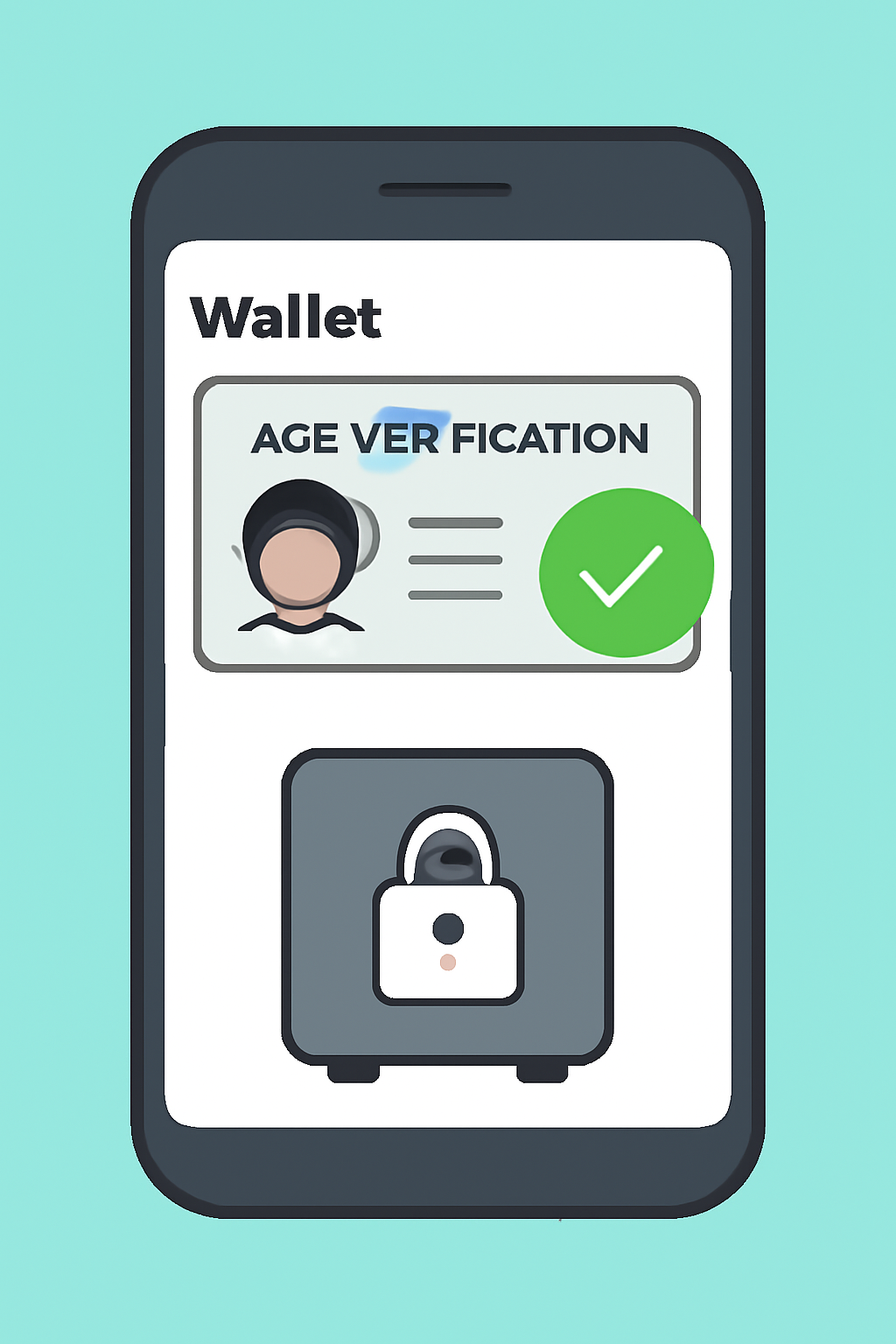
Consider age verification: traditional tools might share a birthdate VC, inferable across services. zk variants prove maturity thresholds cryptographically, untraceable. Internet Policy Review analyzes ZKPs' legal compatibility for European eID, boosting data minimization compliance. Privado ID exemplifies local encryption with ZKPs, shifting verification paradigms.
Financial contexts amplify differences. SSRN's Decker-ZKP model integrates privacy into compliance, vital for blockchain users trading assets. Traditional SSI risks metadata leaks; zk DID eliminates them, fostering trustless interactions. As solulab. com forecasts, identity wallets like UAE's digital ID evolve toward full SSI with zk enhancements.
Blockchain traders executing high-volume DeFi strategies stand to gain the most from zk DID wallets. Proving sufficient collateral or KYC compliance without exposing wallet balances thwarts predatory bots and analysts. Traditional self-sovereign identity wallets, while decentralized, often necessitate broader credential shares, heightening re-identification risks through chain analysis.
Real-World Use Cases Driving Adoption
Polygon ID Wallet exemplifies zk integration in action. Users verify citizenship or professional credentials for airdrops and governance votes minus personal leaks, as seen in 2025 deployments. zkLogin further innovates by converting Google logins into on-chain proofs anonymously, severing Web2-Web3 identity ties per arXiv research. These tools align with self-sovereign identity wallets empowering data ownership, but zk layers fortify against surveillance.
NFT marketplaces leverage zero knowledge identity proofs for provenance checks. Sellers prove ownership history without full metadata dumps, preserving rarity signals privately. ResearchGate's ZKP-based SSI proposal outlines discrete logarithm protocols for such tamper-proof management, scalable for 2025 volumes. Meanwhile, Privado ID's local encryption model suits biometric-gated access, where verifiers confirm traits via ZKPs alone.
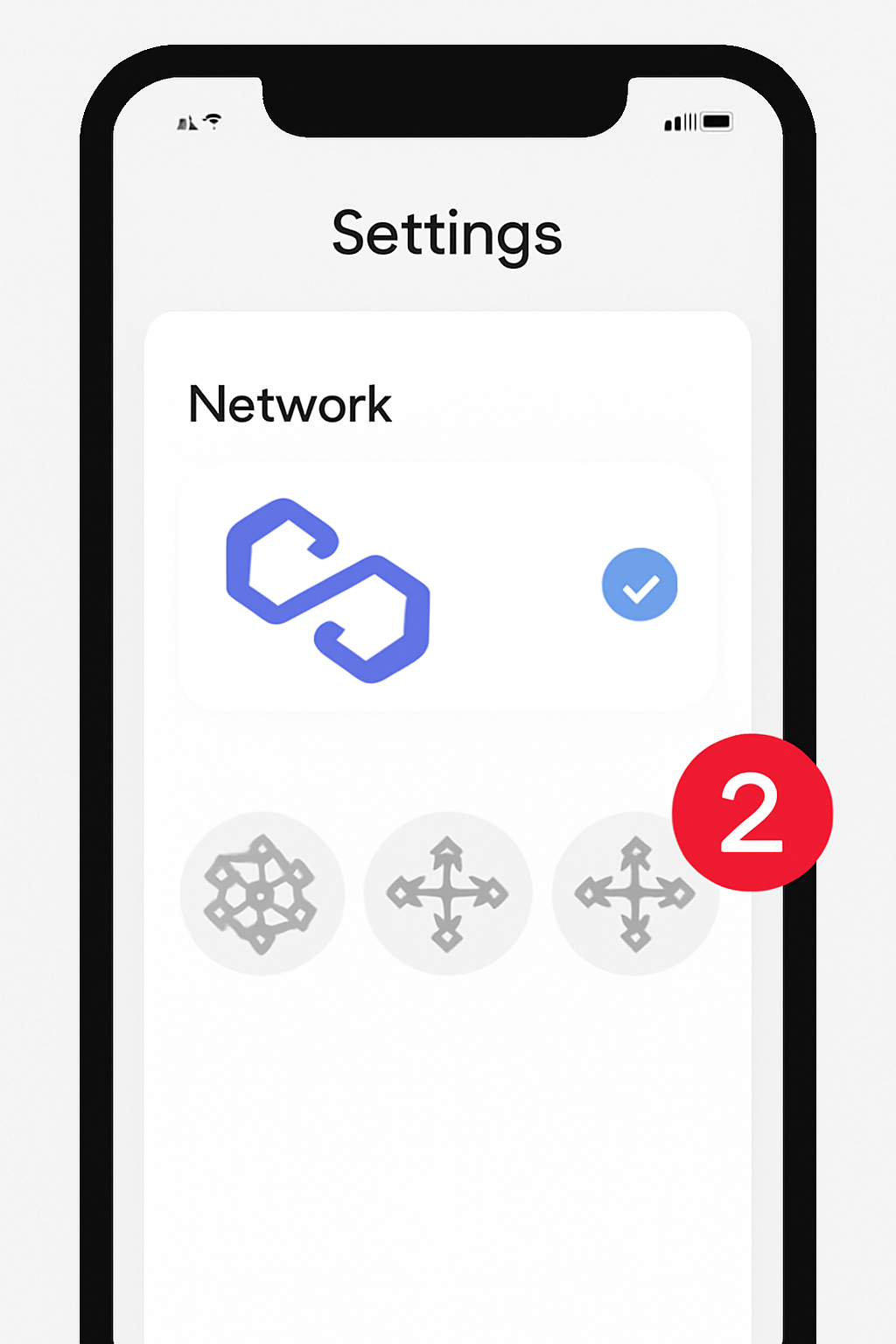
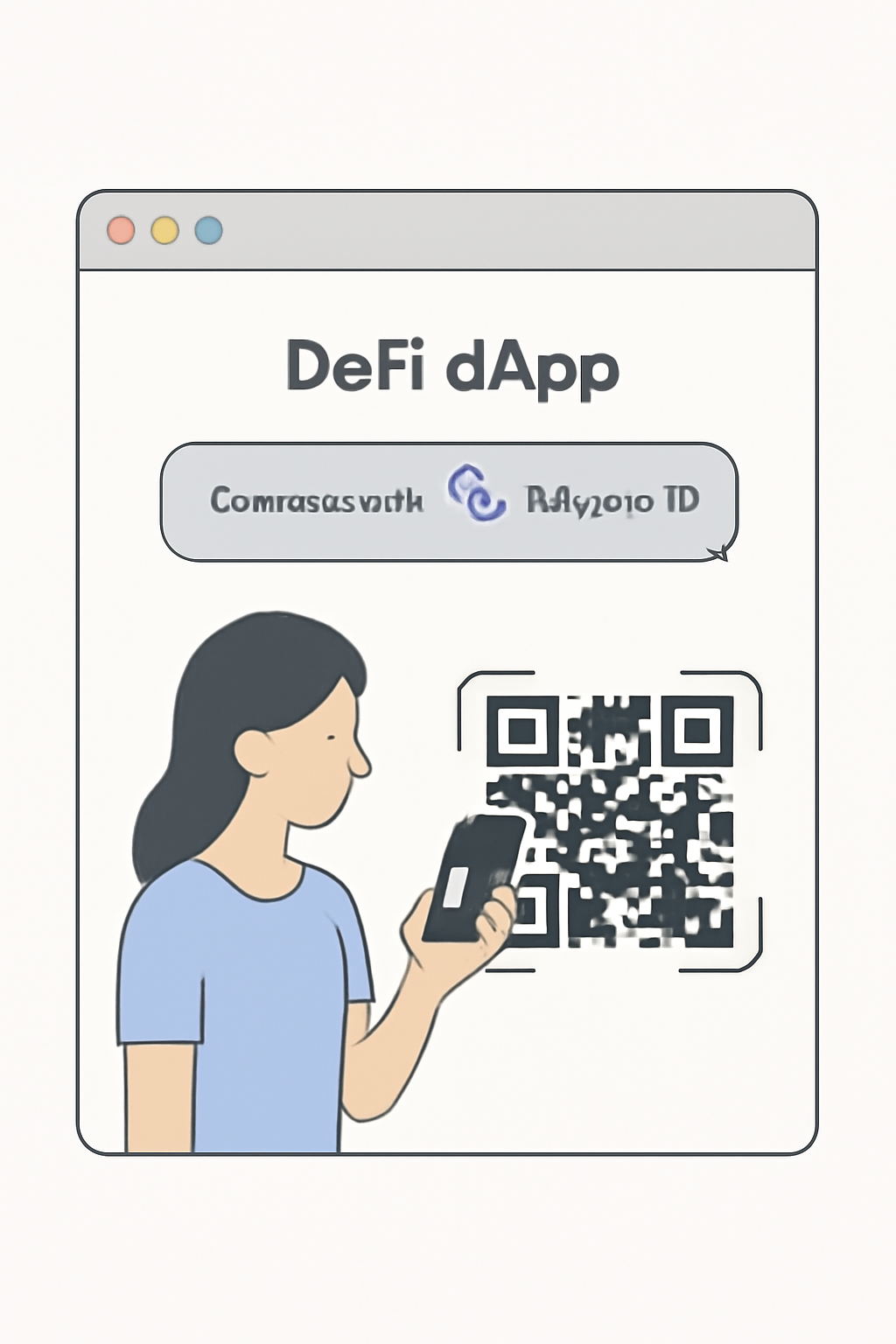
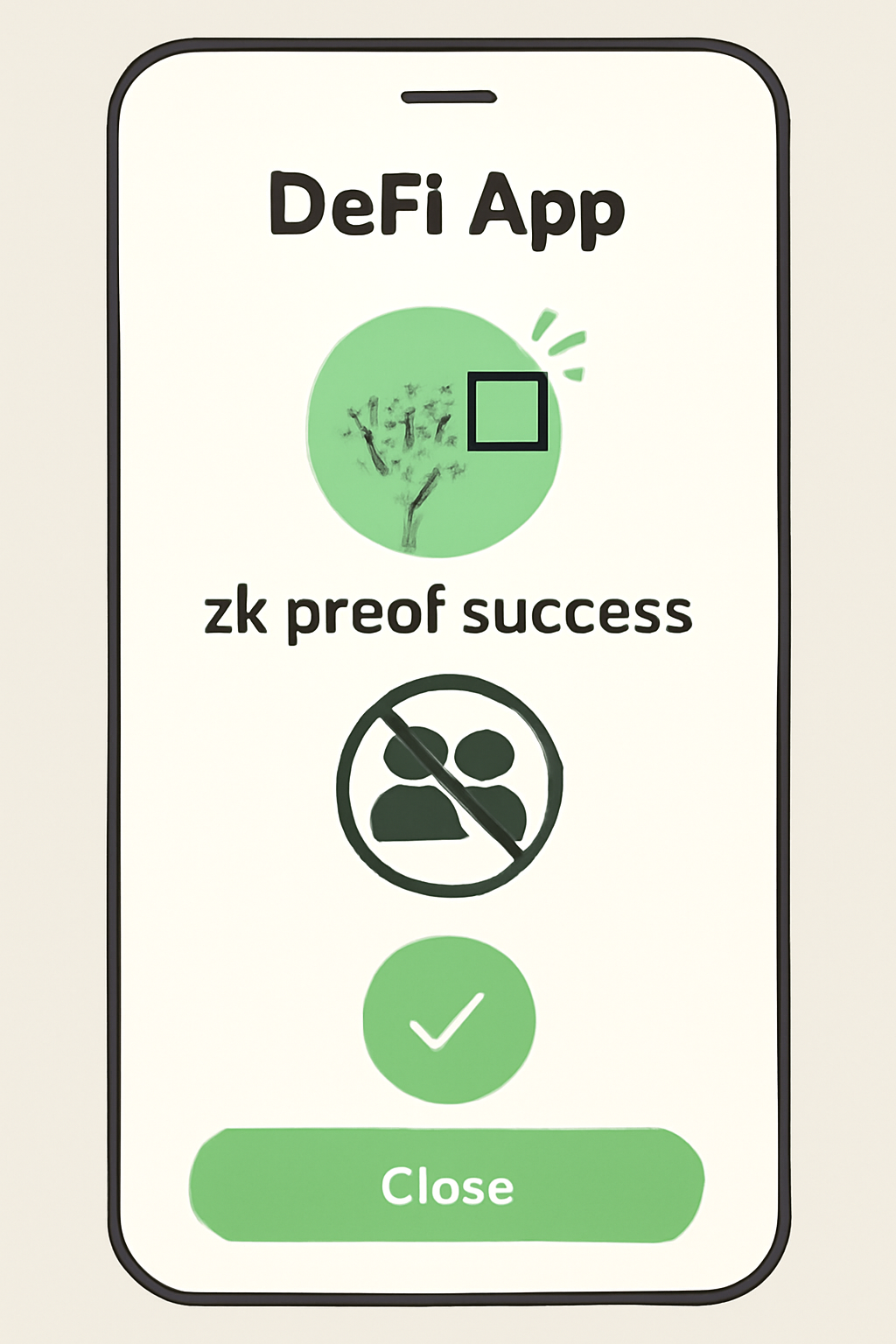
Privacy Shield: Set Up Polygon ID zk DID Wallet for DeFi Age Verification
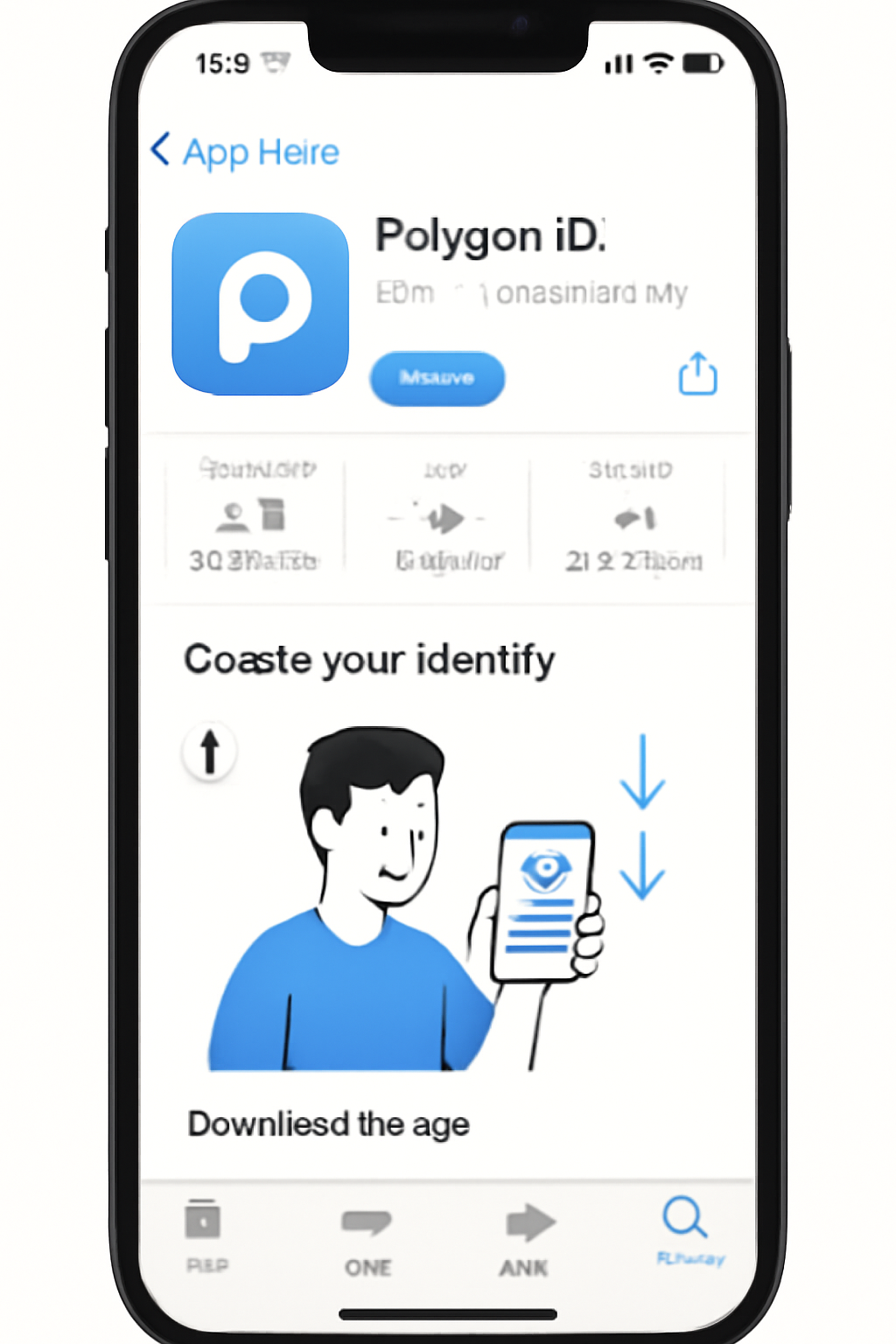
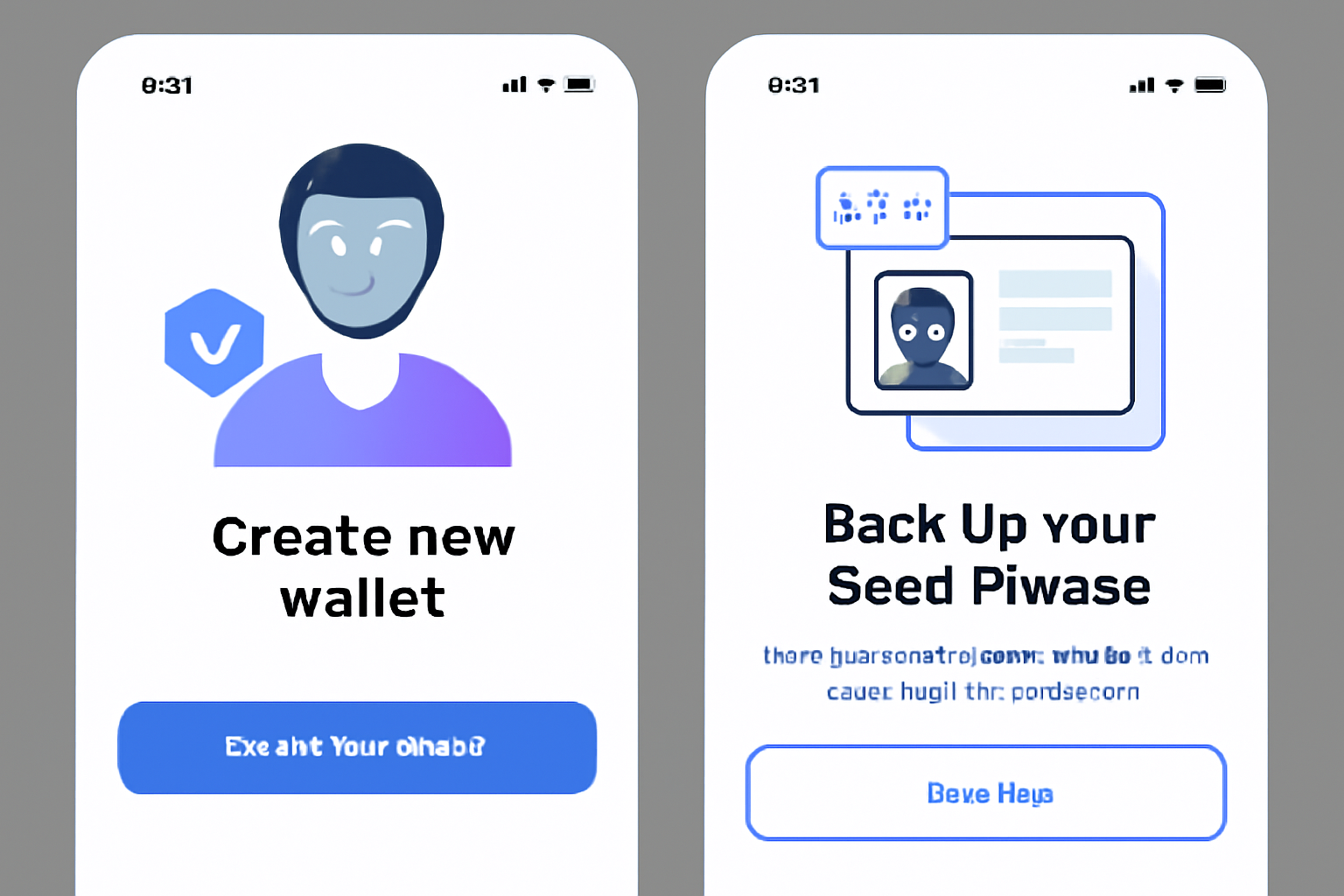

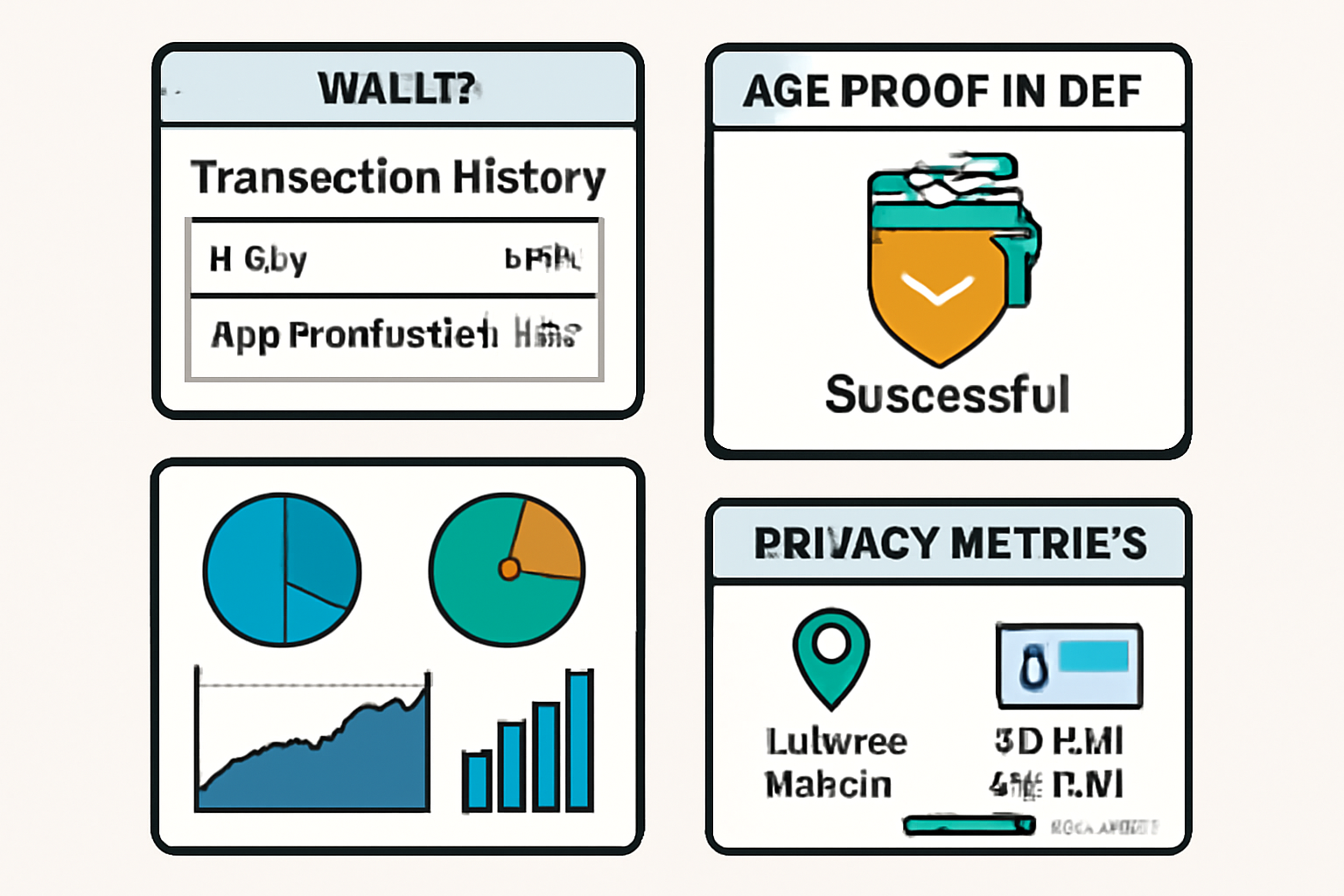
Financial services pioneer Decker-ZKP for AML without data surrender. Institutions query compliance proofs, slashing breach vectors traditional SSI exposes via VC exchanges. Solulab's 2025 outlook spotlights UAE and EU wallets migrating to zk enhancements, signaling global momentum in decentralized ID privacy.
Limitations and Trade-offs
No solution lacks friction. zk DID wallets demand computational heft; ZKP generation drains batteries on mobile, deterring casual users versus lightweight traditional SSI signatures. Setup complexity favors developers over novices, though idOS network comparisons reveal maturing UX bridges. Gas fees on Ethereum layer-2s mitigate costs, but L1 spikes challenge scalability.
Traditional tools shine in interoperability; W3C standards ensure broad DID support sans zk recalibration. Yet privacy purists dismiss this as insufficient against quantum threats or side-channel attacks. My disciplined view: for blockchain power users, zk overhead pays dividends in unassailable privacy, echoing Tangent's ZKP dominance forecast.
Interoperability evolves too. Protocols like those in ACE Journal decentralize verification fully, minimizing oracle dependencies plaguing early zk SSI hybrids.
Outlook for Decentralized ID Privacy 2025 and Beyond
By late 2025, zk DID wallets cement as blockchain standard. Extrimian's ZKP-SSI visuals predict protocol convergence, with smart contracts enforcing transparent, private policies per ScienceDirect. European eID legal wins via ZKPs, per Internet Policy Review, pave regulatory paths. Users wielding DID wallet zk proofs command digital sovereignty unmatched.
Coinspaidmedia underscores selective disclosure's role in crypto identity, while Token Metrics heralds privacy revolutions sans secrets. As breaches erode centralized trust, zk variants prevail, empowering blockchain enthusiasts with ironclad control. Those bridging portfolios across chains will prioritize these wallets, ensuring privacy endures market volatility.
Privacy-conscious builders favor zk for sustainable growth; traditional SSI serves as entry ramp. This duality fuels a vibrant ecosystem where zero knowledge identity proofs redefine verification norms.


No comments yet. Be the first to share your thoughts!