
Picture this: you're diving into a Web3 dating app or NFT marketplace, but instead of uploading your driver's license or birth certificate, your ZK identity wallet silently proves you're over 18. No personal data exposed, no privacy sacrificed. In 2025, this isn't sci-fi; it's the new standard for decentralized ID prove over 18 scenarios, thanks to zero-knowledge proofs revolutionizing how we handle age verification in blockchain ecosystems.
Traditional methods force users to hand over sensitive info to centralized gatekeepers, risking data breaches and endless tracking. ZK identity wallets flip the script. They let you generate cryptographic proofs that scream "yes, I'm eligible" without whispering a single detail like your birthdate. As regulations like the EU's eIDAS 2.0 and UK's Online Safety Act demand robust age checks, these privacy wallet Web3 age check tools emerge as compliant saviors, blending security with user control.
Unlocking Self-Sovereign Control Through ZK Magic
At the heart of self sovereign identity zk verification lies zero-knowledge proofs (ZKPs), a cryptographic wizardry where you prove a statement's truth without revealing underlying data. Think of it as showing a locked box with a glowing "approved" light inside - the verifier sees the light, but never peeks at contents.
For age proofs, your DID wallet holds verifiable credentials from trusted issuers, like a government ID scanned once via a secure app. When a Web3 service needs confirmation you're over 18, the wallet computes a ZKP: it mathematically demonstrates your birthdate satisfies "born before 2007" without exposing the year, month, or day. This DID wallet zero knowledge age approach minimizes data shared, slashing breach risks and empowering users as identity owners.
I've analyzed countless identity protocols over six years in crypto, and ZKPs stand out for their elegance. They're not just theoretical; they're battle-tested in production, scaling efficiently on blockchains like Polygon and Concordium. Transparency is key - these proofs are verifiable on-chain, so no blind trust required.
2025 Breakthroughs: From Google to Web3 Wallets
November 2025 marks a tipping point. Google Wallet's May upgrade baked in ZKPs for age verification, letting Bumble users confirm eligibility privately. No more blurry passport photos; just seamless, birthdate-free checks. Concordium's ID app hit iOS and Android, offering a wallet-agnostic SDK for Web2-Web3 bridges like Coin98 and Safle. Users prove age thresholds effortlessly, aligning with tightening regs.
Self Protocol's July tie-up with Google Cloud amps this further, enabling "prove your humanity and age" for AI-Web3 apps. ZKPassport's Registry Explorer adds trust layers, letting anyone audit certificate histories without doxxing holders. Meanwhile, Altme and PolygonID's collab empowers zk identity wallet age proof for over-21 access, proving attributes selectively.
These aren't isolated wins; they're an ecosystem maturing fast, where wallets like these integrate natively with dApps, fostering a privacy-first Web3.

Navigating Regulations with Privacy-Preserving Tech
Global rules are pushing age assurance without the surveillance state vibe. eIDAS 2.0 mandates electronic ID interoperability, and ZKPs fit perfectly by enabling data minimization - share only what's needed. The UK's Online Safety Act echoes this, favoring non-invasive methods over facial scans or biometrics that store forever.
Critics, like the Electronic Frontier Foundation, note ZKPs alone aren't full digital ID solutions, but paired with decentralized identifiers (DIDs), they shine. No central honeypot of data; issuers revoke creds if compromised, and users revoke access anytime. In my view, this transparency builds genuine trust, outpacing clunky centralized alternatives.
Challenges persist - standardizing ZKP libraries and wallet interoperability demands effort. Yet, open-sourcing efforts, like those hinted in recent reports, accelerate adoption. Dock Labs' guide underscores selective disclosure, while Concordium positions ZKPs as the backbone for private online age gates.
Progress is swift, with initiatives from ISEC7 and Zoniqx pushing zero-knowledge authentication into mainstream wallets, proving attributes like age without full ID exposure. This momentum isn't hype; it's a pragmatic shift toward privacy wallet Web3 age check that respects user sovereignty while satisfying regulators.
Hands-On: Setting Up Your ZK Identity Wallet
Ready to claim your digital independence? The barrier to entry is vanishingly low. Download apps like Concordium ID or Altme, scan a trusted credential once, and you're equipped for seamless verifications across Web3. No recurring KYC nightmares - just pure, reusable proofs.
Unlock Web3 Age Gates: 5-Step ZK Identity Wallet Guide
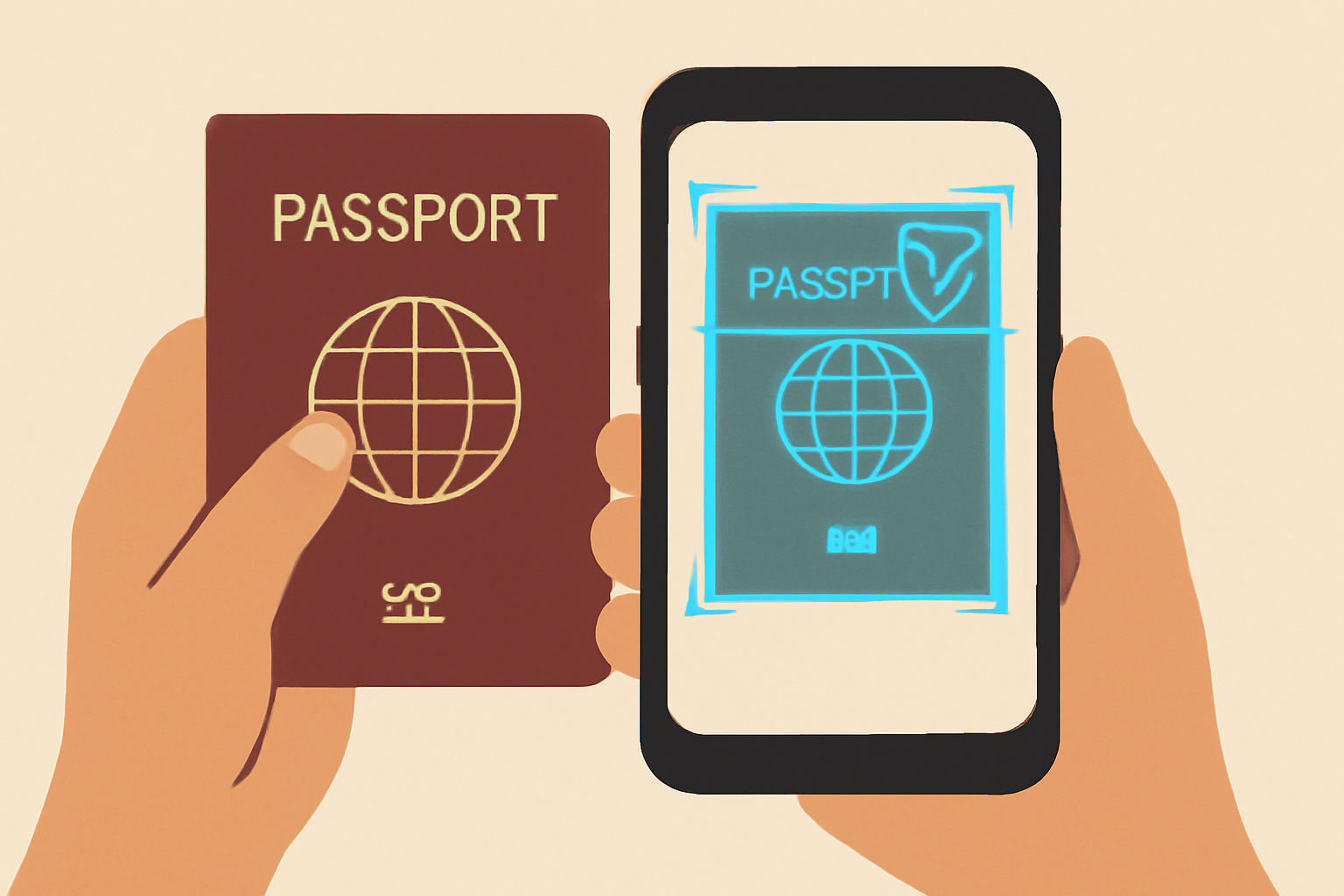
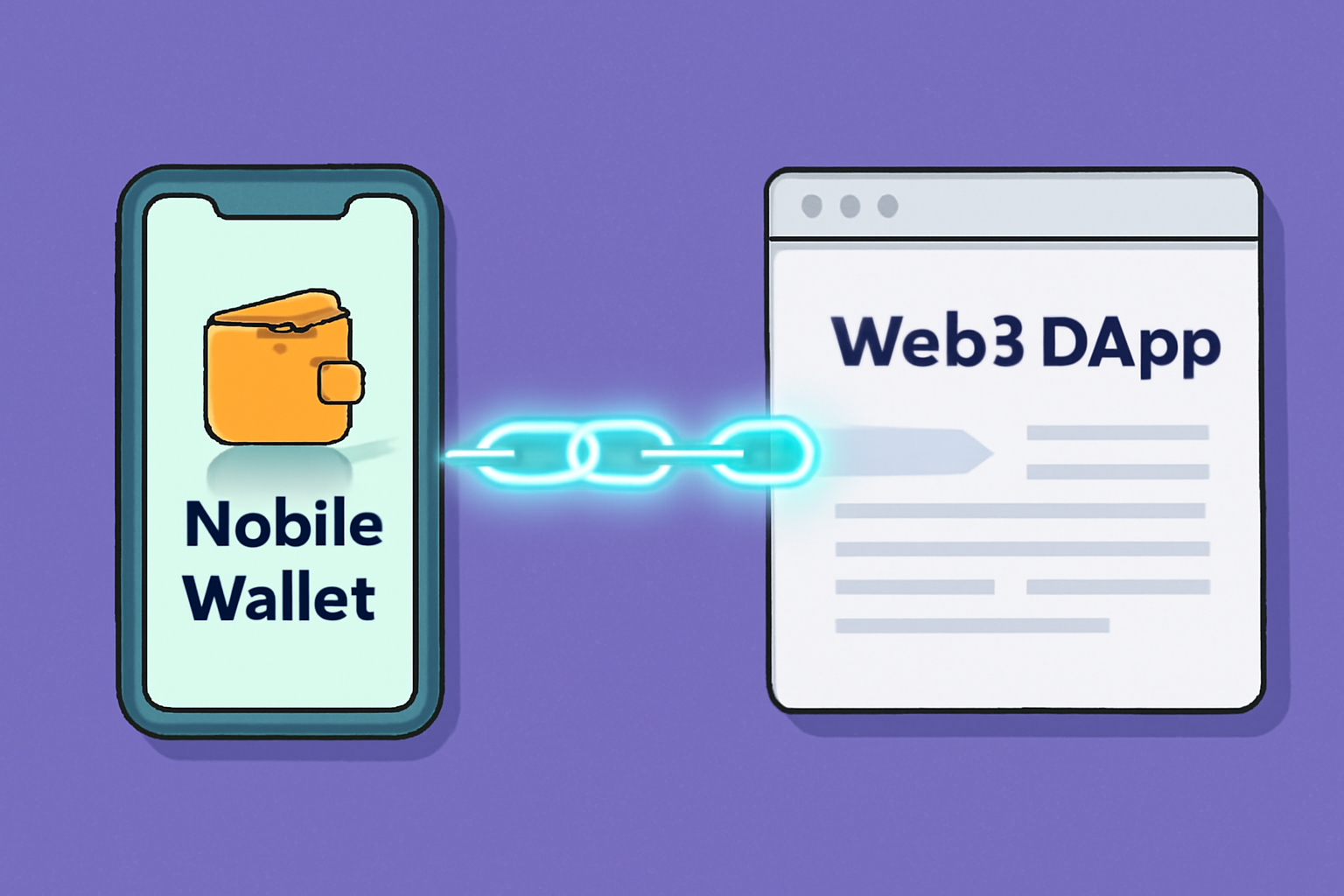
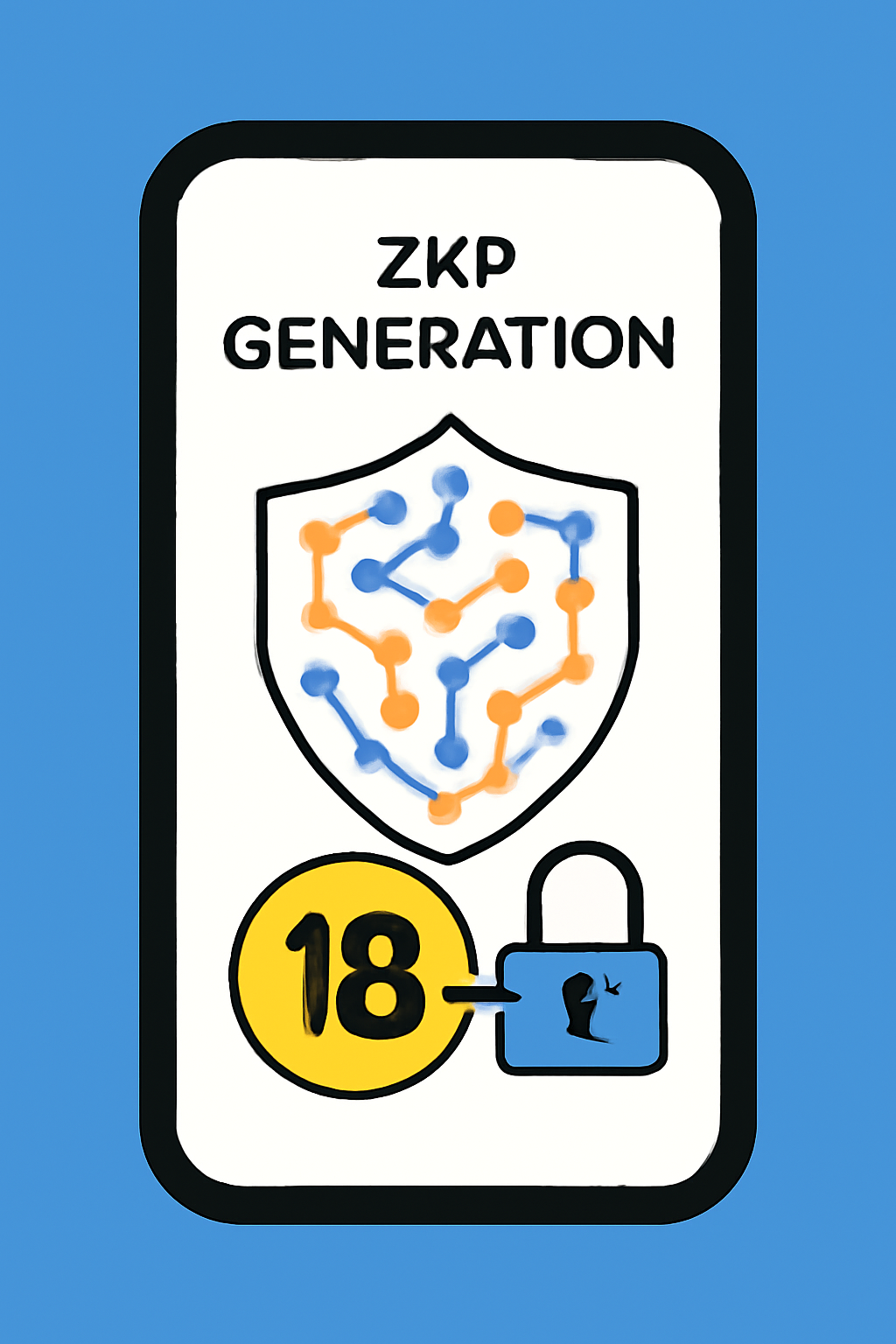
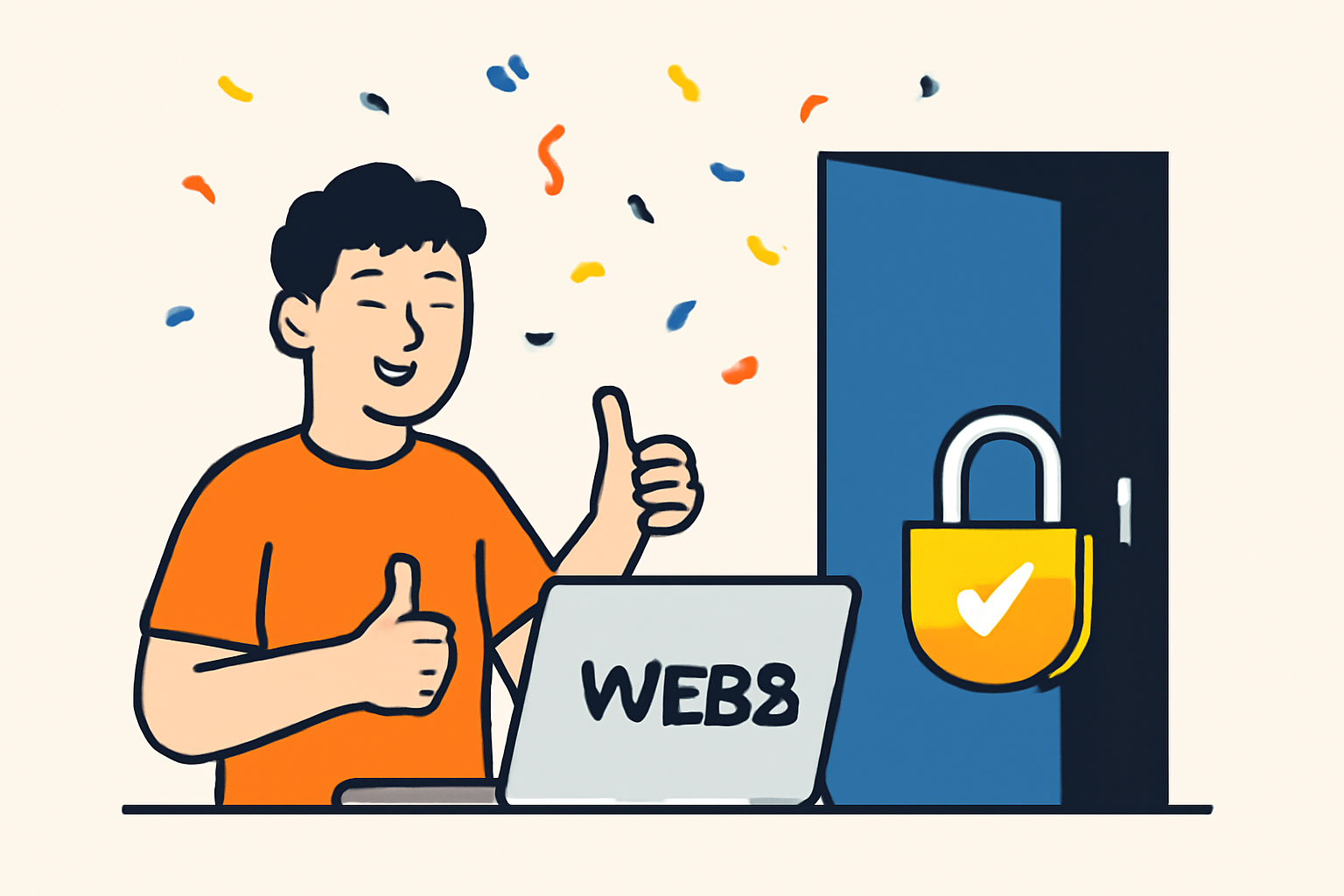
I've tested these flows personally, and the speed astounds - proofs generate in seconds, verifiable on-chain for ironclad trust. PolygonID's integration shines for Ethereum users, while ZKPassport's explorer lets you peek under the hood transparently. This isn't just tech; it's empowerment in action.
Picking the Right DID Wallet Zero Knowledge Age Tool
With options proliferating, discernment matters. Concordium leads for mobile-first age gates, its SDK bridging Web2 platforms effortlessly. Altme excels in Polygon ecosystems, ideal for NFT drops requiring 21 and checks. Self Protocol, via Google Cloud, targets AI-driven apps needing humanity proofs alongside age.
ZKPassport differentiates with its Registry Explorer, fostering ecosystem trust through auditable certificates. Bumble's adoption of Google Wallet ZKPs signals mass-market viability, but for hardcore Web3, pure decentralized plays like these win. My pick? Stack them - interoperability is the 2025 game-changer.
Challenges like ZKP computation overhead are fading with hardware optimizations and layer-2 scaling. Battery drain? Negligible on modern devices. User education lags, but intuitive UIs are closing the gap, as Medium analyses highlight: ZKPs eliminate data exposure while bolstering security.
Opinion: Centralized ID giants quake - self-sovereign tools like these redistribute power, making privacy the default, not the exception.
The Road Ahead: Web3's Privacy Revolution
By late 2025, expect ZK identity wallets to underpin everything from DeFi loans (prove income brackets sans statements) to social DAOs (age-gated communities). Regulatory tailwinds, per Internet Policy Review, affirm ZKPs' role in eIDAS-compliant data minimization.
Biometric Update flags standards hurdles, yet open-source libraries from Google and others dissolve them. Verpex nails it: advanced DID setups verify age or credentials without revelation. Electronic Frontier Foundation caveats aside, hybrid ZKP-DID stacks deliver comprehensive solutions.
Imagine token-gated events where your wallet flashes a green light for entry, no tickets scanned. Or global freelancing platforms verifying expertise privately. This is Web3 maturing - innovative, user-centric, and unapologetically private. As a strategist who's tracked identity tokens since 2019, I see explosive growth ahead: wallets evolving into full self-sovereign suites.
Stake your claim now. Equip a ZK identity wallet, master selective proofs, and surf Web3 with unbreachable privacy. The future of decentralized id prove over 18 is here, and it's gloriously yours to command.



No comments yet. Be the first to share your thoughts!