
In 2025, the race to build a truly self-sovereign identity wallet is heating up, but one project is rapidly emerging as the backbone of user-controlled digital identity: idOS Network. By fusing decentralized wallet architecture with cutting-edge cryptography and a relentless focus on privacy, idOS is not just promising change - it’s delivering a new reality for Web3 identity infrastructure. If you’re following the evolution of digital identity, this is the year to pay attention.
What Sets idOS Network Apart in Decentralized Identity?
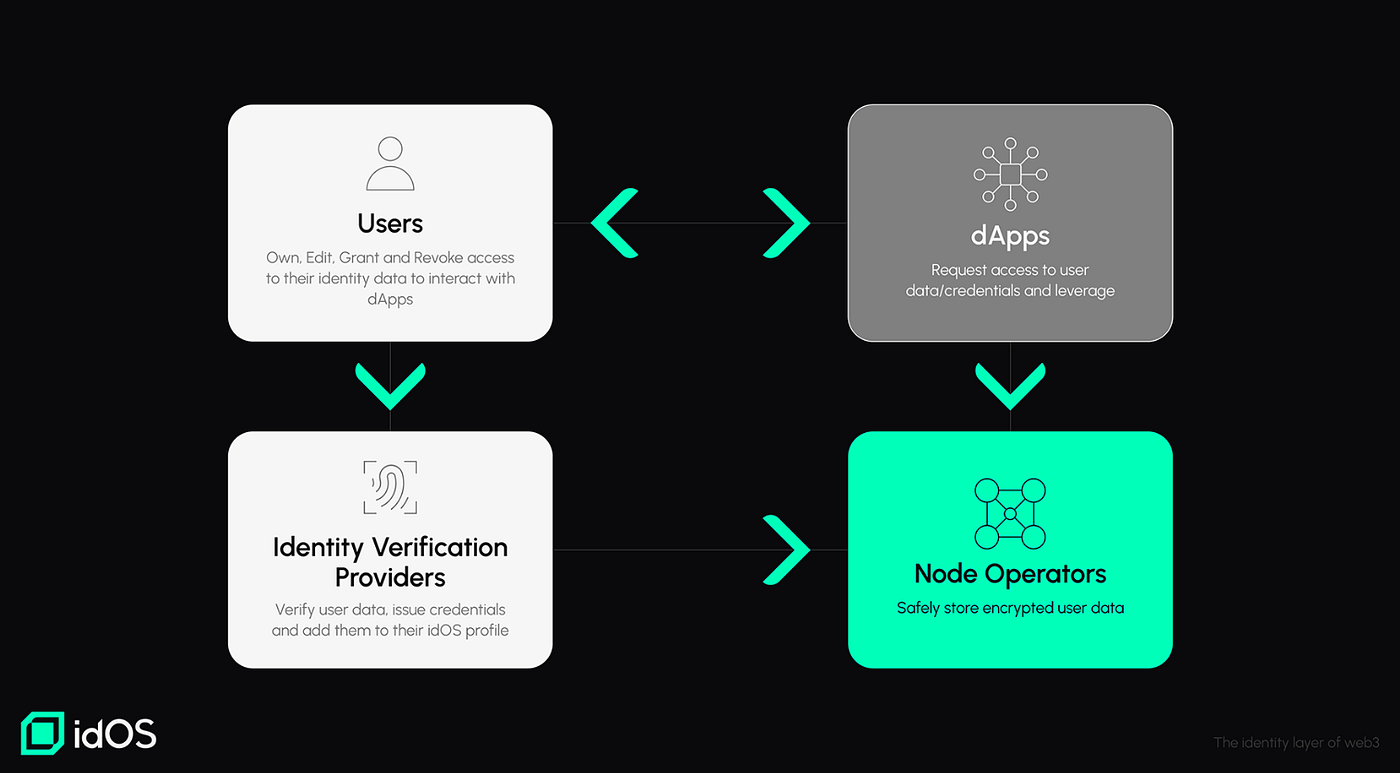
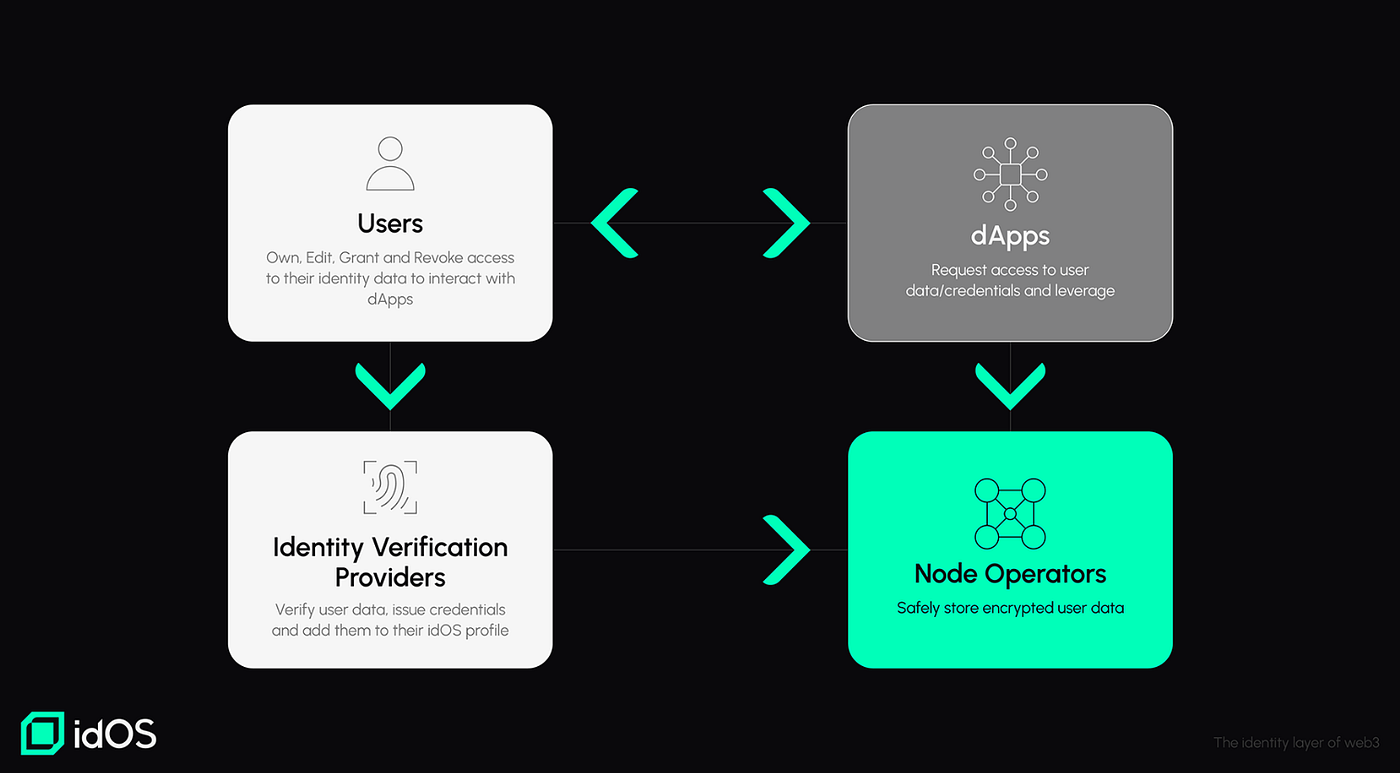
Let’s cut through the noise. Most so-called “decentralized” wallets still rely on fragmented KYC processes and clunky onboarding that leak data and frustrate users. idOS flips this model by enabling users to verify once and transact everywhere, thanks to its reusable identity infrastructure. Your credentials are encrypted, portable, and entirely under your control, not siloed by some centralized gatekeeper.
The secret sauce? Encrypted KYC credentials are issued directly to your self-custodial wallet (think MetaMask or Trust Wallet), letting you manage access and revoke permissions at any time. This approach doesn’t just tick compliance boxes - it puts users in the driver’s seat for privacy and interoperability across DeFi, stablecoins, NFT platforms, and beyond.
MPC and Passwordless Authentication: The Game-Changer for 2025
A standout innovation for idOS in 2025 is its partnership with Partisia Blockchain to deploy Multi-Party Computation (MPC). Forget memorizing complex passwords or worrying about losing your private keys. With MPC-powered wallets on idOS, authentication becomes as simple as signing a message from your wallet. Private keys are never exposed or stored in one place; instead, they’re reconstructed only when you need them - drastically reducing attack surfaces while streamlining UX.
This leap means onboarding to any dApp becomes frictionless: users authenticate with a signature, not a password or cumbersome recovery phrase. For developers and enterprises building on top of idOS, this translates into higher conversion rates and lower support overhead. For end-users? It’s pure empowerment - true self-sovereign access without compromise.
$IDOS Tokenomics and Ecosystem Incentives
No robust decentralized network runs on goodwill alone. The $IDOS token underpins the ecosystem by incentivizing node operators (who maintain data integrity), rewarding community engagement through targeted airdrops (with 13.8% of tokens allocated), and powering governance decisions that shape protocol upgrades.
The token also serves as a fee mechanism for credential issuance and verification - ensuring that both everyday users and enterprise partners have skin in the game. With 1 billion $IDOS minted ahead of its Q4 2025 token generation event, early adopters are already participating in staking programs and governance forums that will determine how decentralized identity evolves over the next decade.
Pushing Compliance Without Sacrificing Privacy
The regulatory spotlight on crypto isn’t dimming anytime soon - which makes idOS’s proactive stance on compliance especially compelling. By collaborating with organizations like the European Crypto Initiative (EUCI) and operating as a permissioned system where only authorized nodes can store/process data, idOS ensures robust security while meeting evolving standards for KYC/AML across jurisdictions.
This isn’t about sacrificing privacy at the altar of compliance; it’s about proving that user-controlled data privacy can coexist with regulatory clarity. The result? A scalable foundation for cross-chain digital identity that actually works for real-world use cases.
With these innovations, idOS is rapidly becoming the go-to solution for anyone seeking a self-sovereign identity wallet that is both future-proof and user-centric. The network’s cross-chain compatibility means your credentials aren’t locked into a single ecosystem, you can seamlessly interact with DeFi protocols, NFT marketplaces, and stablecoin platforms without repeating tedious KYC checks or exposing sensitive information again and again. The result is a radically improved onboarding experience for users and a powerful compliance toolkit for developers.
Top Benefits of idOS Network Wallets for Privacy-Focused Web3 Users
- Full Control Over Your Digital Identity: idOS empowers users to own and manage their encrypted identity data, letting you decide exactly who can access your information—and revoke access at any time.
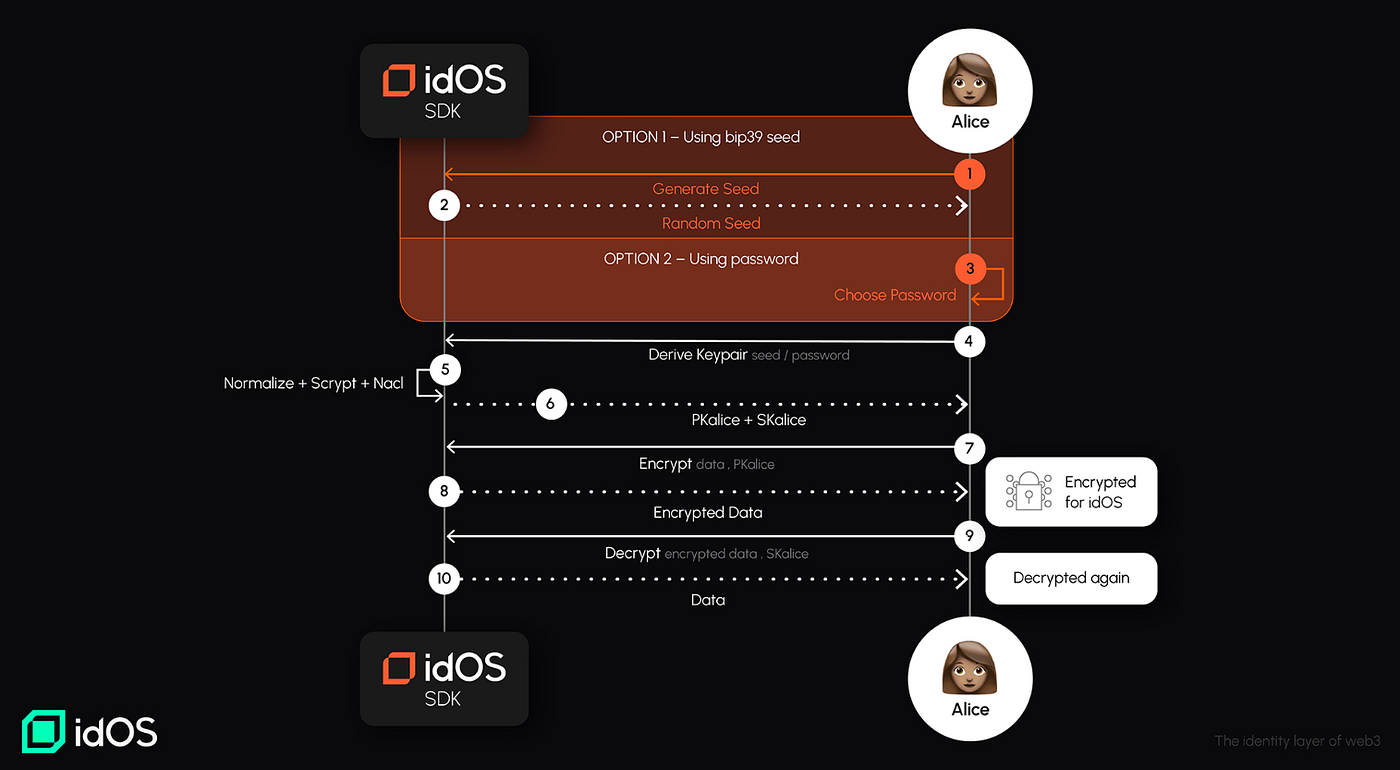
- Passwordless, Secure Authentication: Thanks to Multi-Party Computation (MPC) and wallet-based signatures, idOS enables seamless, password-free logins—no private key management required!
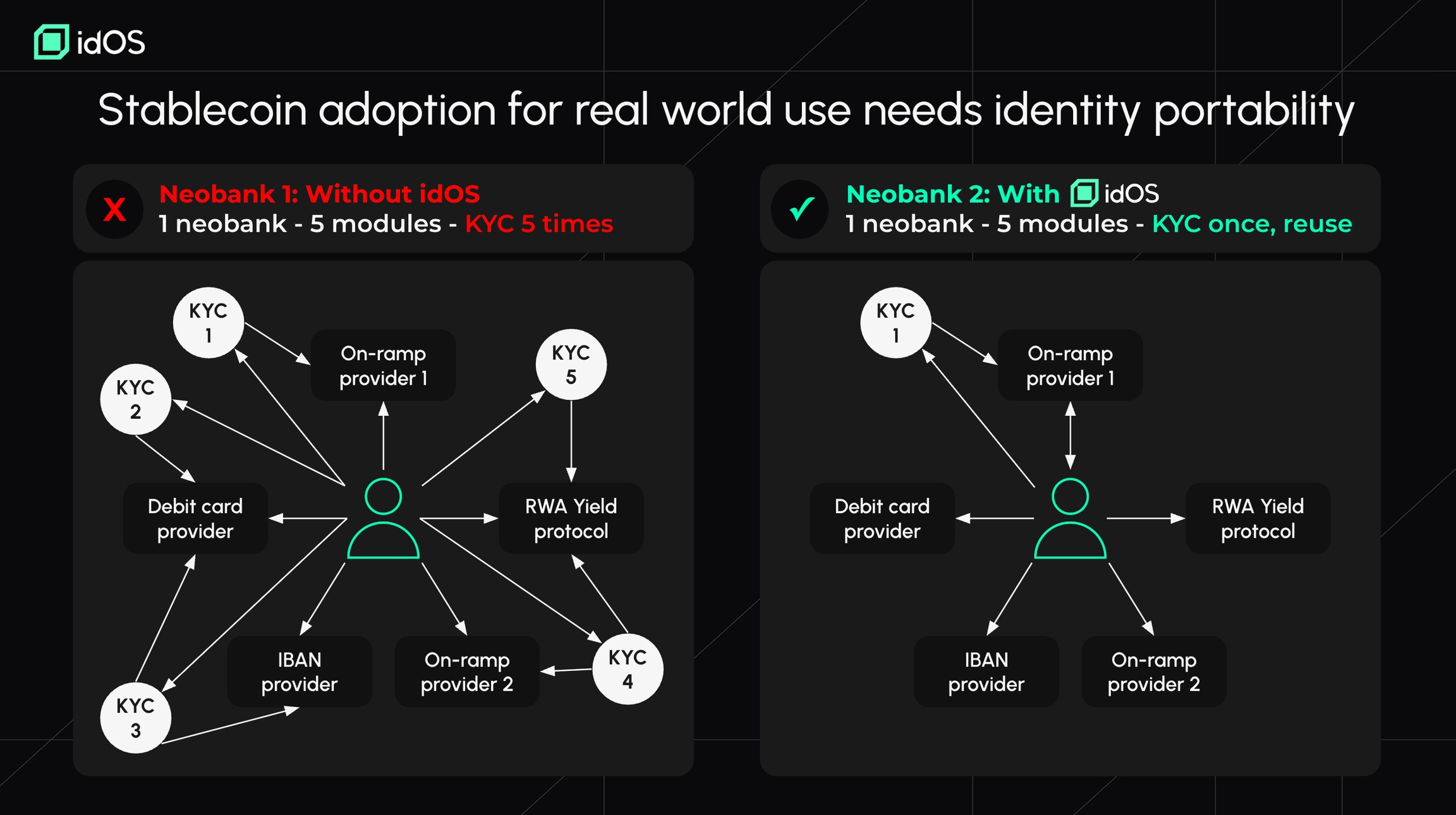
- One-Time Verification, Universal Access: With idOS, verify your identity once and use it across any supported dApp, making onboarding and compliance frictionless throughout the Web3 ecosystem.
- Decentralized and Permissioned Security: idOS operates a permissioned network of authorized nodes for data storage and processing, ensuring robust security and compliance with regulatory standards.
- Active Ecosystem and Governance: The $IDOS token powers governance, staking, and fee payments, with a transparent allocation model supporting community engagement and decentralized decision-making.

What’s more, idOS’s approach to user-controlled data privacy gives individuals the ability to decide exactly who can access their encrypted KYC credentials, and revoke that access instantly if needed. This granular permissioning is a massive leap from legacy systems where personal data is scattered across countless third-party databases. Now, your digital identity becomes portable, reusable, and truly yours.
Community-Led Growth and Real-World Adoption
The momentum behind idOS isn’t just technical, it’s social. With a vibrant community of node operators, early adopters, developers, and privacy advocates participating in governance via $IDOS staking, the protocol is evolving in real time to meet user needs. The ongoing token incentive programs and upcoming token generation event are fueling grassroots adoption across dozens of blockchains.
This broad participation ensures that idOS remains resilient against centralization risks while fostering rapid innovation. As more projects integrate the protocol for compliant onboarding and portable identity verification, expect exponential growth in both utility and value across the ecosystem.
What’s Next? The Roadmap for Decentralized Identity Wallets
The future of decentralized identity wallets is being shaped now, and idOS is at the center of it all. Looking ahead to 2026, we’ll see further advances in zero-knowledge proofs (ZKPs) for even more private credential attestations, deeper integrations with leading chains like Arbitrum and NEAR, and enhanced tools for both enterprises and end-users to customize their digital identity experience.
If you want to dig deeper into how these innovations are powering true digital ownership across Web3 or explore hands-on guides to getting started with portable SSI wallets, check out our resources on how idOS enables self-sovereign identity or our breakdown of portable SSI wallets transforming onboarding.
The bottom line? In 2025, idOS Network isn’t just talking about decentralization, it’s delivering it at scale. By handing back control over digital identity to users while meeting real-world compliance demands, idOS sets a new standard for what decentralized identity wallets can achieve. If you care about privacy, usability, or simply want one wallet to rule your Web3 life, keep your eyes on this space.




No comments yet. Be the first to share your thoughts!