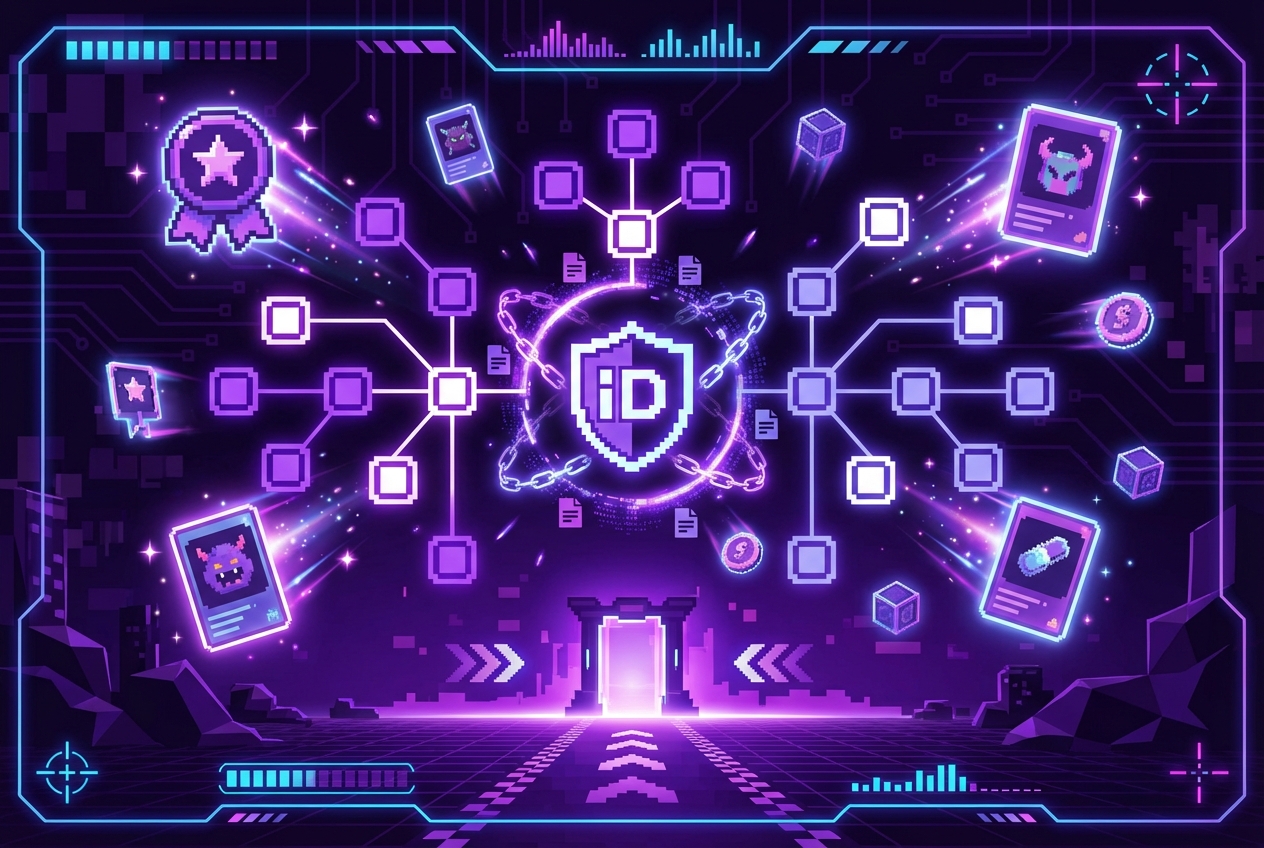
Imagine a Web3 world where you never have to fill out another KYC form or hand your sensitive data to centralized platforms. That’s not just a dream for 2025 - it’s fast becoming reality, thanks to the idOS Network. As the identity layer of Web3, idOS is rewriting the rules of digital identity by putting users in control, offering passwordless access, and making portable, reusable credentials possible across dApps and blockchains.
Why Web3 Needs Self-Sovereign Identity Now
The explosive growth of decentralized applications has exposed a major pain point: onboarding. Users are tired of repeating Know Your Customer (KYC) checks with every new DeFi platform, NFT marketplace, or DAO. Centralized identity providers can’t keep up with the privacy demands and interoperability needs of a multi-chain ecosystem. Enter self-sovereign identity (SSI), where individuals own and control their digital credentials without relying on a single authority.
idOS is at the center of this shift. Its architecture lets users verify once and transact everywhere, unlocking seamless onboarding for stablecoins, DeFi protocols, and beyond. With SSI, data is encrypted and stored under your control - not on some company’s server waiting to be breached.
The idOS Network: Architecture Built for Privacy and Portability
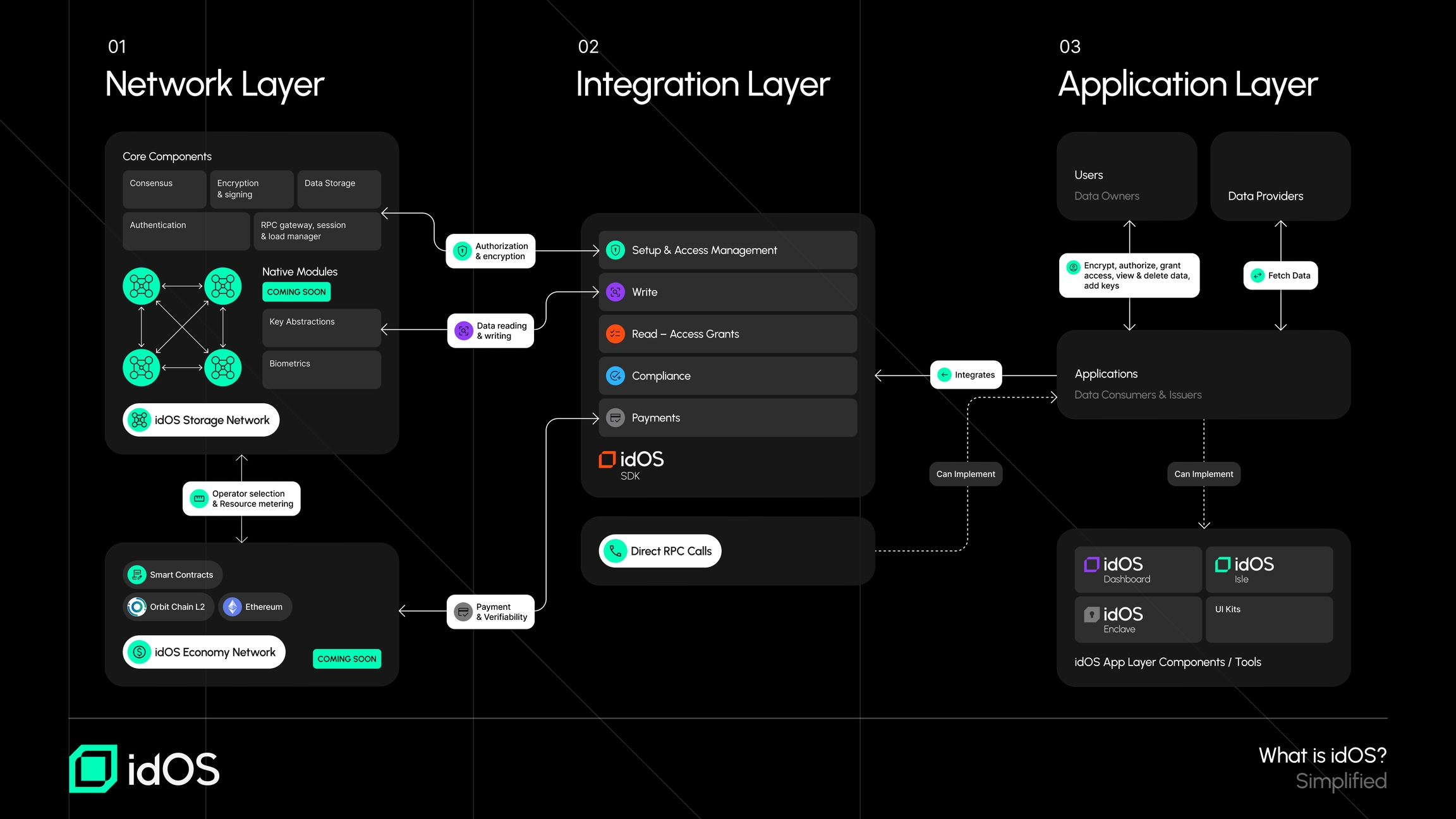
So what makes idOS different from legacy KYC solutions or even other decentralized ID projects? At its core lies an innovative stack designed for both security and usability:
- idOS Storage Network: Decentralized nodes store user data as encrypted credentials. Only you decide when and with whom to share them.
- Access Management Protocol: Fine-tuned permissions let you grant time-limited or granular access to your data - think one-click KYC that you can instantly revoke.
- Economy Network: The upcoming IDOS token will incentivize honest participation by node operators and help govern network access rules.
This infrastructure is already powering one-time KYC that’s reusable across dozens of dApps. For developers and businesses, it means compliant onboarding without sacrificing UX or privacy. For users, it means true ownership over digital identity in Web3.
Passwordless Authentication: How MPC Changes Everything
The real breakthrough in 2025? Passwordless self-sovereign identity, enabled by Multi-Party Computation (MPC). Through its partnership with Partisia Blockchain, idOS lets users authenticate using simple wallet signatures instead of passwords or seed phrases. Here’s why this matters:
- No more password fatigue: Your private key is never fully exposed or stored anywhere; it’s reconstructed only when needed via MPC.
- Smoother onboarding: Sign in once with your wallet signature - no more juggling multiple logins across chains or apps.
- Tamper-proof security: Even if some nodes are compromised, your full key remains protected by cryptographic guarantees.
This approach doesn’t just make life easier; it sets a new standard for privacy-first authentication in decentralized identity solutions. If you want the technical deep dive on how this works under the hood, check our detailed guide on idOS's portable KYC architecture.
Compliance Meets User Control: The Regulatory Edge
No discussion about digital identity is complete without touching on regulation. In an era where GDPR compliance isn’t optional and crypto regulations are evolving fast, idOS stands out by working closely with partners like the European Crypto Initiative (EUCI). This ensures that every credential issued via idOS meets strict security standards while giving users ultimate say over their data sharing preferences.
What’s especially compelling is how idOS bridges the gap between user autonomy and regulatory compliance. Most decentralized identity projects struggle to balance privacy with legal mandates, but idOS bakes compliance into its protocol design. Credentials issued and managed on idOS are not only encrypted and user-controlled, they’re also structured for easy auditability by permissioned parties when required. This dual focus is a game changer for onboarding institutions, stablecoin issuers, and DeFi platforms that need to meet KYC/AML requirements without centralizing risk.
For users, this means you can prove your eligibility (age, jurisdiction, accreditation) to any dApp or service without oversharing personal information. Want to revoke access? It’s as simple as toggling a setting in your wallet interface. This level of granular control makes idOS a true self-sovereign identity solution for Web3’s next wave of mainstream adopters.
Real-World Use Cases for idOS Network in 2025
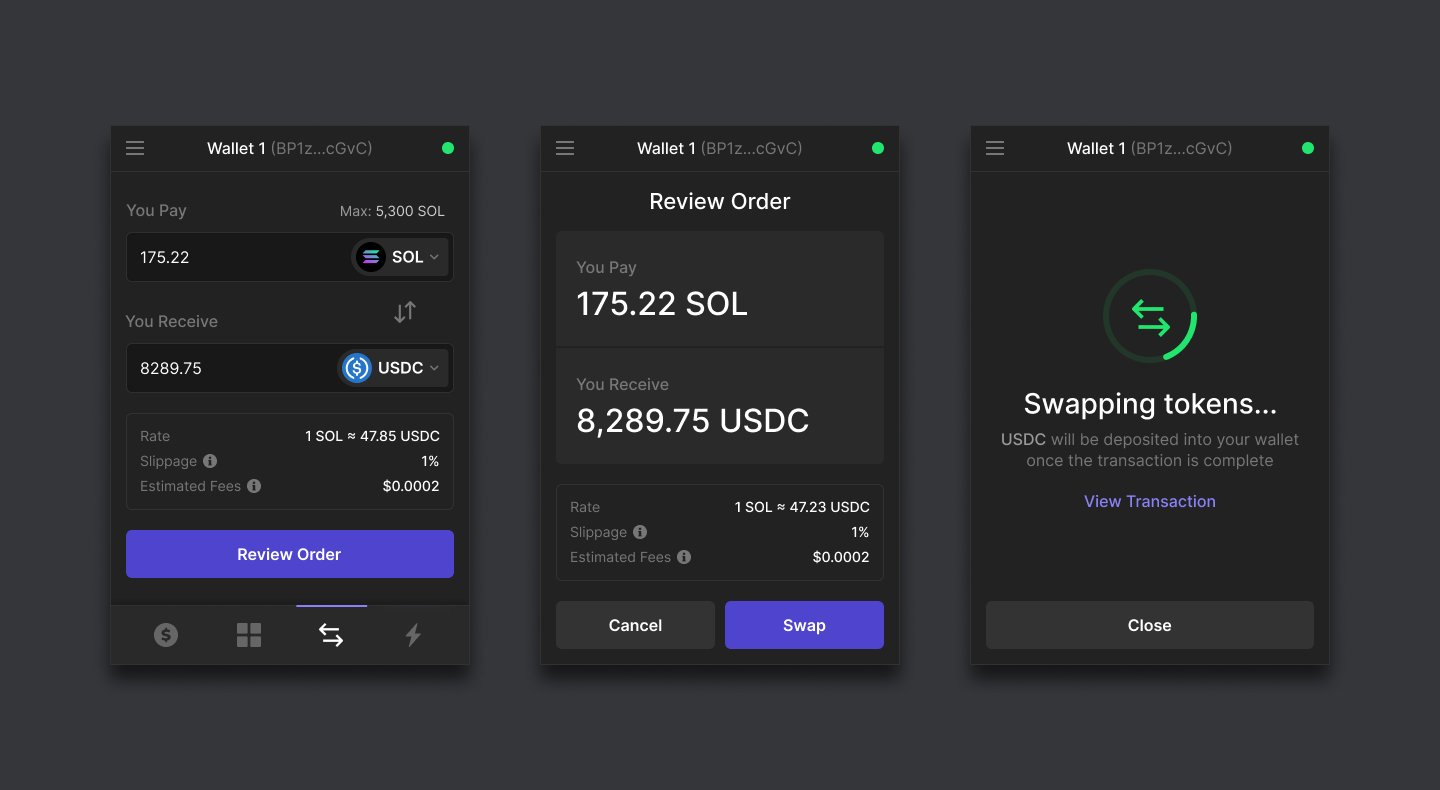
- Seamless Stablecoin Wallet Onboarding: With idOS, users can verify their identity once and access stablecoin wallets such as USDC by Circle and Xumm Wallet for XRP, making cross-platform transactions frictionless and secure.
- DAO Membership Verification: Decentralized Autonomous Organizations (DAOs) such as GnosisDAO and Arbitrum DAO leverage idOS for secure, privacy-preserving membership and voting rights management.
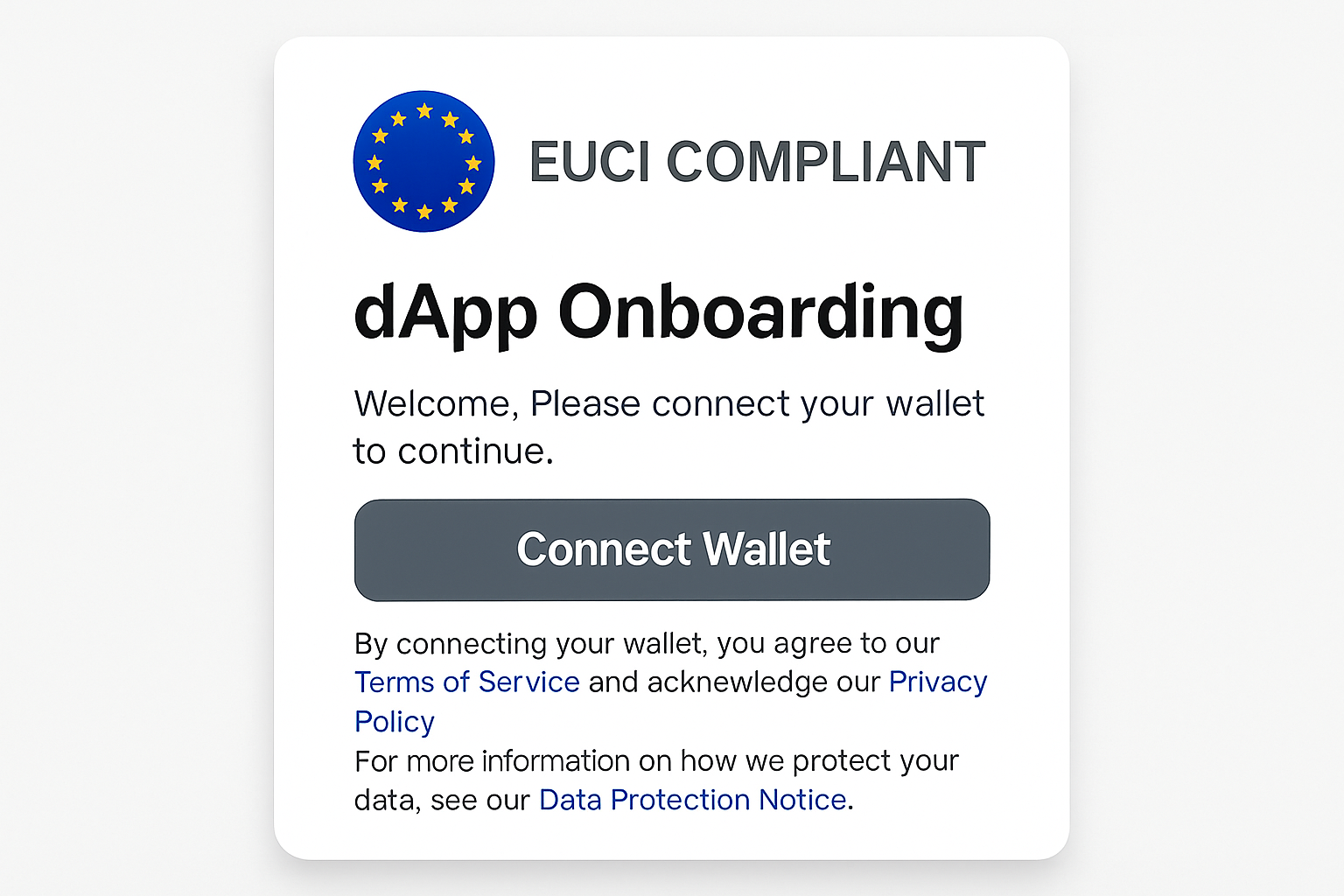
- Regulatory-Compliant dApp Onboarding: dApps integrating idOS can offer compliant user onboarding in line with European Crypto Initiative (EUCI) standards, ensuring legal clarity for both users and developers.
Real-World Adoption: Portable Identity Across Chains and Apps
The portability of credentials is where idOS really shines. Once verified, your identity data can move frictionlessly across more than 40 blockchains and hundreds of dApps, from DeFi protocols like lending platforms to NFT marketplaces and DAOs. No more redundant KYC checks or waiting days for manual reviews; you’re instantly onboarded wherever idOS is supported. This isn’t just theoretical, major ecosystems like Arbitrum, NEAR, Gnosis, and Tezos are already integrating idOS as their preferred identity layer.
This cross-chain capability opens the door for new composable experiences in Web3: imagine joining a DAO governance vote on one chain, minting an NFT on another, or accessing a yield aggregator, all with a single set of reusable credentials. The result? A smoother user journey and far less risk of data leakage or credential fatigue.
What’s Next: The Future of Decentralized Identity
Looking ahead to 2026 and beyond, the roadmap for idOS includes expanding its Economy Network with the IDOS token at the center, powering staking incentives for node operators and enabling decentralized governance over access rules. Expect even tighter integration with emerging privacy tech like zero-knowledge proofs (ZKPs), which will allow users to prove facts about themselves (like being over 18 or holding certain credentials) without revealing underlying data.
The momentum behind portable self-sovereign identity is only growing as more dApps demand seamless onboarding and regulators demand robust compliance. With its unique blend of privacy engineering, regulatory foresight, and community-driven governance, idOS is setting the standard for what digital identity should look like in Web3.
If you’re building or using dApps in 2025, or simply care about owning your digital presence, now’s the time to pay attention to decentralized identity solutions like idOS. The future is passwordless, portable, privacy-first, and finally puts you back in control.




No comments yet. Be the first to share your thoughts!