
In 2025, the convergence of reusable KYC and decentralized identity wallets is fundamentally reshaping Web3 security. As blockchain adoption accelerates, the demand for privacy-first, efficient onboarding is at an all-time high. Traditional Know Your Customer (KYC) processes have long been a bottleneck, often requiring users to repeatedly submit sensitive documents across myriad platforms. This not only creates friction but also exposes users to unnecessary privacy risks.
The Case for Reusable KYC in Web3
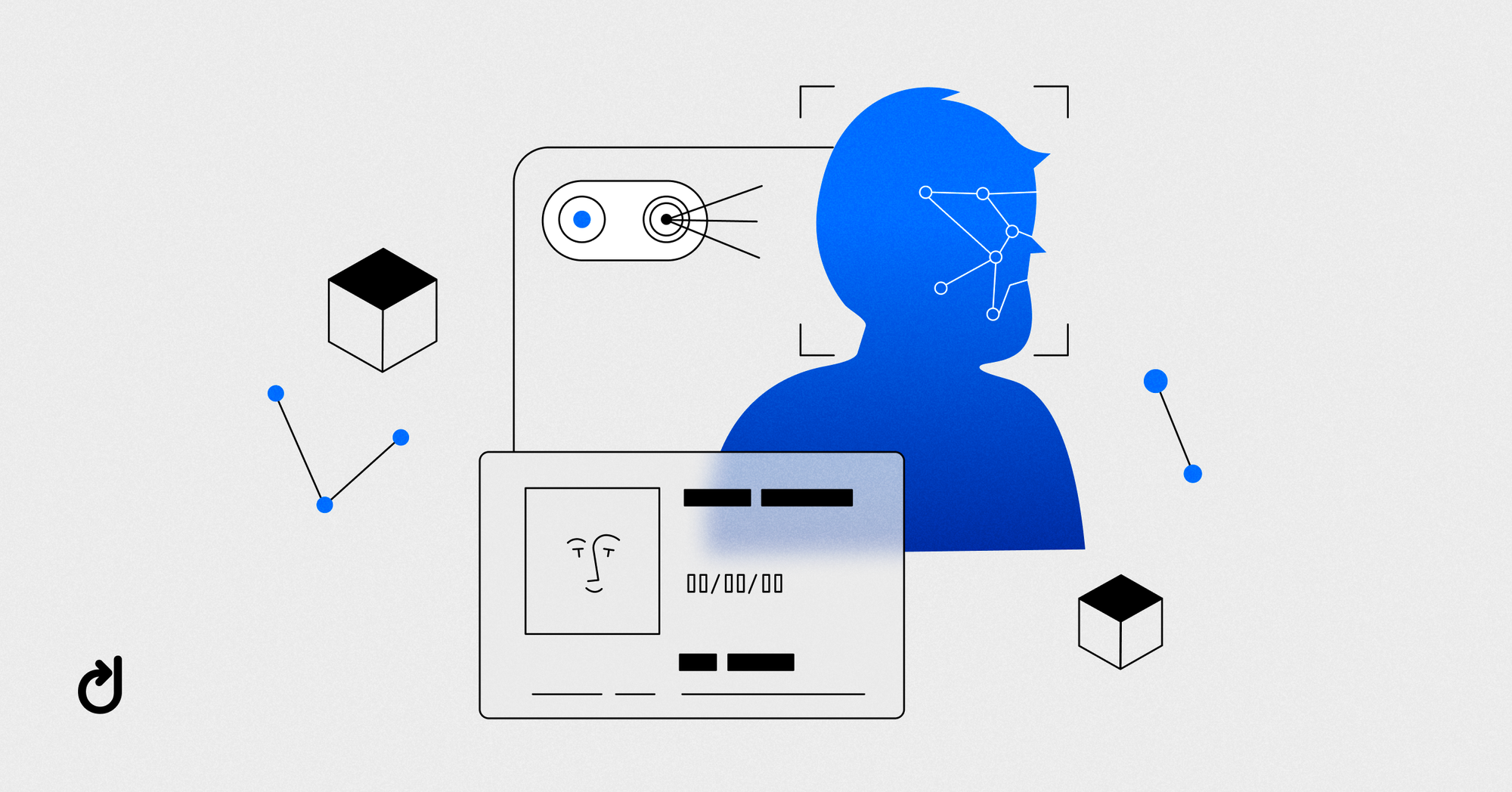
Reusable KYC solutions are rapidly gaining traction as a response to these inefficiencies. Instead of forcing users through redundant verification steps for each new service, platforms like zkMe’s zkKYC and the idOS network allow individuals to complete verification once and reuse those credentials anywhere in the ecosystem. This is achieved through zero-knowledge proofs, enabling users to prove they meet regulatory requirements without disclosing more than necessary.
The benefits are clear: reduced onboarding times, lower operational costs for platforms, and, most importantly, a significant boost to user privacy. For example, after verifying with idOS or zkMe’s zkKYC, a user can instantly access dozens of dApps or DeFi protocols without resubmitting their personal information. This composability is particularly crucial as the stablecoin economy and cross-chain applications continue expanding.
Decentralized Identity Wallets: Self-Sovereignty at Scale
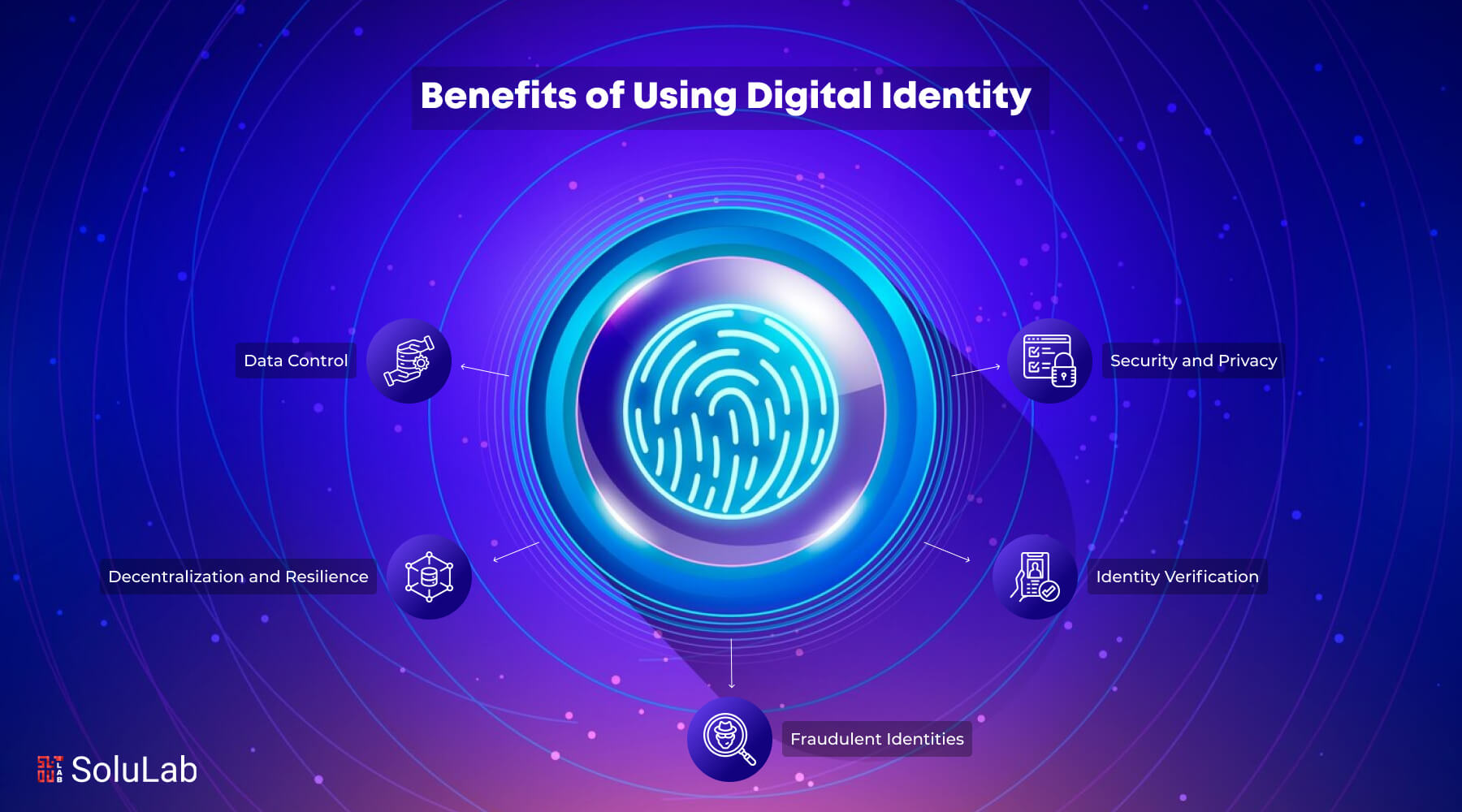
At the heart of this transformation are decentralized identity wallets, which serve as secure vaults for verifiable credentials. Unlike legacy systems that rely on centralized databases (prime targets for hacks), DID wallets put users in full control of their encrypted data. Solutions like idOS have emerged as leading infrastructure, supporting portable identities across over 40 blockchains.
This architecture offers several advantages:
- User autonomy: Only the wallet owner can grant or revoke access to specific credentials.
- Privacy by design: Data is shared on a strictly need-to-know basis, no more blanket disclosures.
- Ecosystem interoperability: Credentials issued on one chain or app can be used seamlessly elsewhere.
The result? A unified digital identity that travels with you wherever you go in Web3, without sacrificing security or compliance.
The Security Leap: From Fragmented Data to Portable Trust
This shift isn’t just about convenience, it’s a leap forward in security architecture for decentralized applications. By minimizing data exposure and giving users direct control over credential sharing, reusable KYC and DID wallets dramatically reduce attack surfaces. The risk of large-scale data breaches drops as fewer centralized honeypots exist for hackers to target.
Moreover, verifiable credentials make impersonation far more difficult; malicious actors can’t simply copy documents or create fake profiles when cryptographic proofs are required at every step. Regulatory compliance becomes easier too, platforms can verify users’ eligibility without ever handling sensitive raw data themselves.
If you’re interested in how self-sovereign identity wallets specifically address repetitive KYC pain points in Web3 onboarding, explore our deep dive here: How Self-Sovereign Identity Wallets Eliminate Repetitive KYC in Web3 (2025 Guide).
As adoption of reusable KYC and decentralized identity wallets accelerates, the practical impact across the Web3 landscape is becoming evident. Stablecoin platforms, DeFi protocols, NFT marketplaces, and even on-chain gaming ecosystems are now integrating these solutions to streamline user onboarding while maintaining high standards of regulatory compliance and privacy.
Real-World Use Cases of Reusable KYC & Decentralized Identity Wallets (2025)
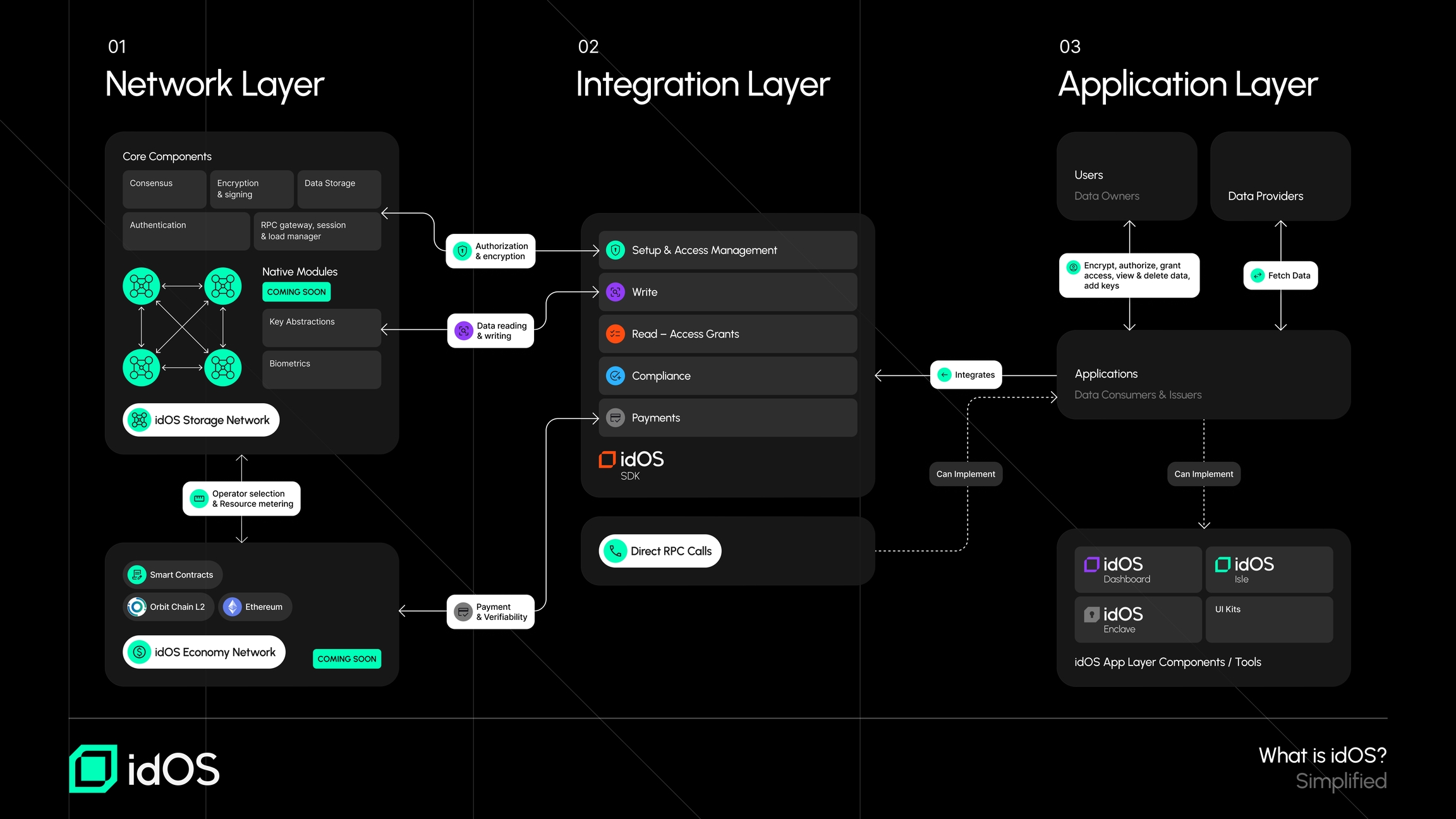
- idOS Network for Cross-Chain Stablecoin Transactions: idOS enables users to complete KYC verification once and seamlessly transact stablecoins across 40+ blockchains, eliminating repetitive onboarding and enhancing privacy. This portable identity layer is driving adoption in DeFi and stablecoin platforms.
- zkMe's zkKYC for Privacy-Preserving dApp Access: zkMe leverages zero-knowledge proofs to let users prove their identity without revealing sensitive data. Once verified, users can access multiple decentralized applications (dApps) with a single reusable KYC credential, streamlining onboarding and boosting security.
- On-Chain KYC® 2.0 by Blockpass for DeFi Compliance: Blockpass' On-Chain KYC® 2.0 allows businesses to issue reusable, verifiable digital identities for users. This enables compliant participation in DeFi protocols and token sales without repeated KYC submissions, reducing friction and fraud risk.

- Self-Sovereign Identity Wallets for NFT Marketplaces: Decentralized identity wallets, such as those compatible with idOS, empower users to verify and manage their identities when trading NFTs across different marketplaces. This ensures authenticity and reduces the risk of scams while maintaining user privacy.
- Regulatory-Compliant Onboarding for Web3 Gaming: Web3 gaming platforms are integrating reusable KYC and decentralized identity solutions to ensure players meet age and jurisdiction requirements. This approach streamlines account creation and enhances trust without exposing personal data to multiple game operators.
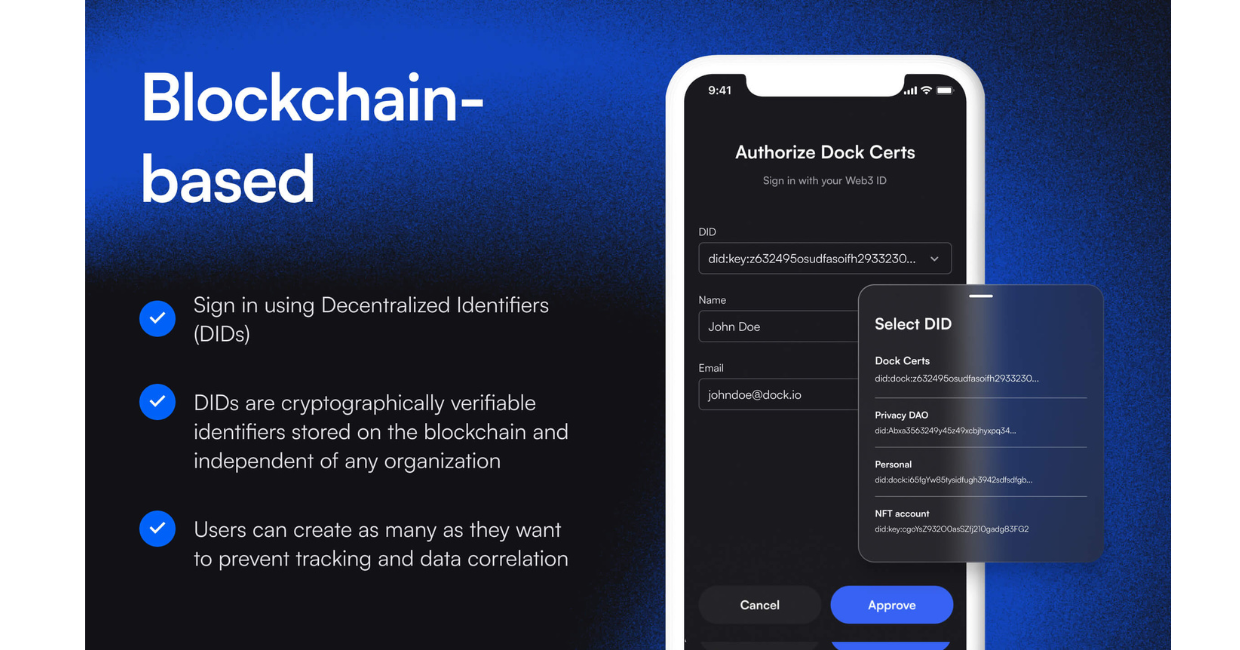
idOS, for example, has established itself as the backbone for portable Web3 identity. By enabling users to verify once and transact everywhere, idOS solves the long-standing issue of fragmented user data across blockchains. Its architecture allows encrypted credentials, ranging from age verification to financial KYC, to be selectively disclosed using zero-knowledge proofs. This means a user can prove they’re over 18 or meet anti-money laundering requirements without ever exposing unnecessary personal details.
For developers and enterprises, this composability unlocks new possibilities: frictionless onboarding for dApps, automated compliance checks for DeFi platforms, and cross-chain interoperability for digital assets. The result is a more robust Web3 trust layer, where reputation and access are portable yet privacy-preserving.
Privacy-Preserving KYC: A New Standard for User Trust
The evolution toward privacy-preserving KYC isn’t just a technical upgrade, it’s a shift in power dynamics. Users regain agency over their digital identities, deciding exactly what to share and with whom. Platforms like self-sovereign identity wallets are setting new benchmarks by making one-time KYC not only possible but expected across the decentralized ecosystem.
This paradigm is particularly crucial as regulations evolve alongside technological innovation. With reusable credentials anchored in decentralized wallets, compliance becomes less of a barrier and more of an enabler for global participation in Web3 finance and social networks. More importantly, it helps mitigate risks associated with centralized data silos, reducing both the likelihood and impact of breaches.
Looking Ahead: Composable Digital Identity as Web3’s Foundation
The future points toward an increasingly composable digital identity stack, one where users seamlessly traverse multiple blockchains and dApps with a unified credential set managed entirely on their terms. As standards mature around decentralized identifiers (DIDs), verifiable credentials, and zero-knowledge proofs, expect even broader adoption across both permissioned finance (TradFi) and permissionless protocols.
Ultimately, reusable KYC powered by decentralized identity wallets represents more than just operational efficiency or regulatory alignment, it’s about restoring trust at every layer of the digital economy. By minimizing data exposure while maximizing portability and control, these innovations are laying the groundwork for a safer, more inclusive Web3 era.




No comments yet. Be the first to share your thoughts!