In the evolving landscape of digital finance and Web3 adoption, zk identity wallets stand at the forefront of enabling self-sovereign KYC processes. These innovative tools harness zero-knowledge proofs to allow users to verify essential attributes, such as age or regulatory compliance, without exposing underlying personal data. As of December 2025, with advancements like zkMe’s expansion to Solana and partnerships such as Self Protocol with Google Cloud, the ecosystem has matured significantly, offering robust privacy-preserving DID wallets that empower individuals over centralized custodians.


The urgency for these solutions arises from mounting regulatory demands alongside growing privacy expectations. Traditional KYC methods, reliant on centralized databases, expose users to data breaches and surveillance risks. In contrast, zero-knowledge identity wallets 2025 facilitate reusable verifications, reducing friction in DeFi access, DAO governance, and tokenized communities. Reports from arXiv and IEEE underscore how ZKPs dominate privacy-preserving eKYC, cited in over 20 studies for their non-interactive efficiency.
Core Mechanics of zk Proofs in Self-Sovereign Identity
Zero-knowledge proofs, particularly zk-SNARKs and zk-STARKs, form the cryptographic backbone of these wallets. A user generates a succinct proof attesting to a credential’s validity, shareable on-chain without revealing the credential itself. Polygon ID, for instance, employs BBS and signatures for selective disclosure, enabling attribute-based verifications ideal for Web3 applications. This aligns with W3C DID standards, as highlighted in Hackernoon analyses, fostering true self-sovereignty where users control issuance, storage, and presentation of verifiable credentials.
Recent developments amplify this potential. zkPass bridges Web2 documents to on-chain proofs via MPC, while Sismo’s ZK badges prove group membership anonymously, perfect for airdrop eligibility or DAO voting. These mechanisms not only enhance security but also efficiency, as Medium analyses note zk tech’s role in streamlining cryptocurrency transactions.
Top 7 ZK Identity Wallets
-
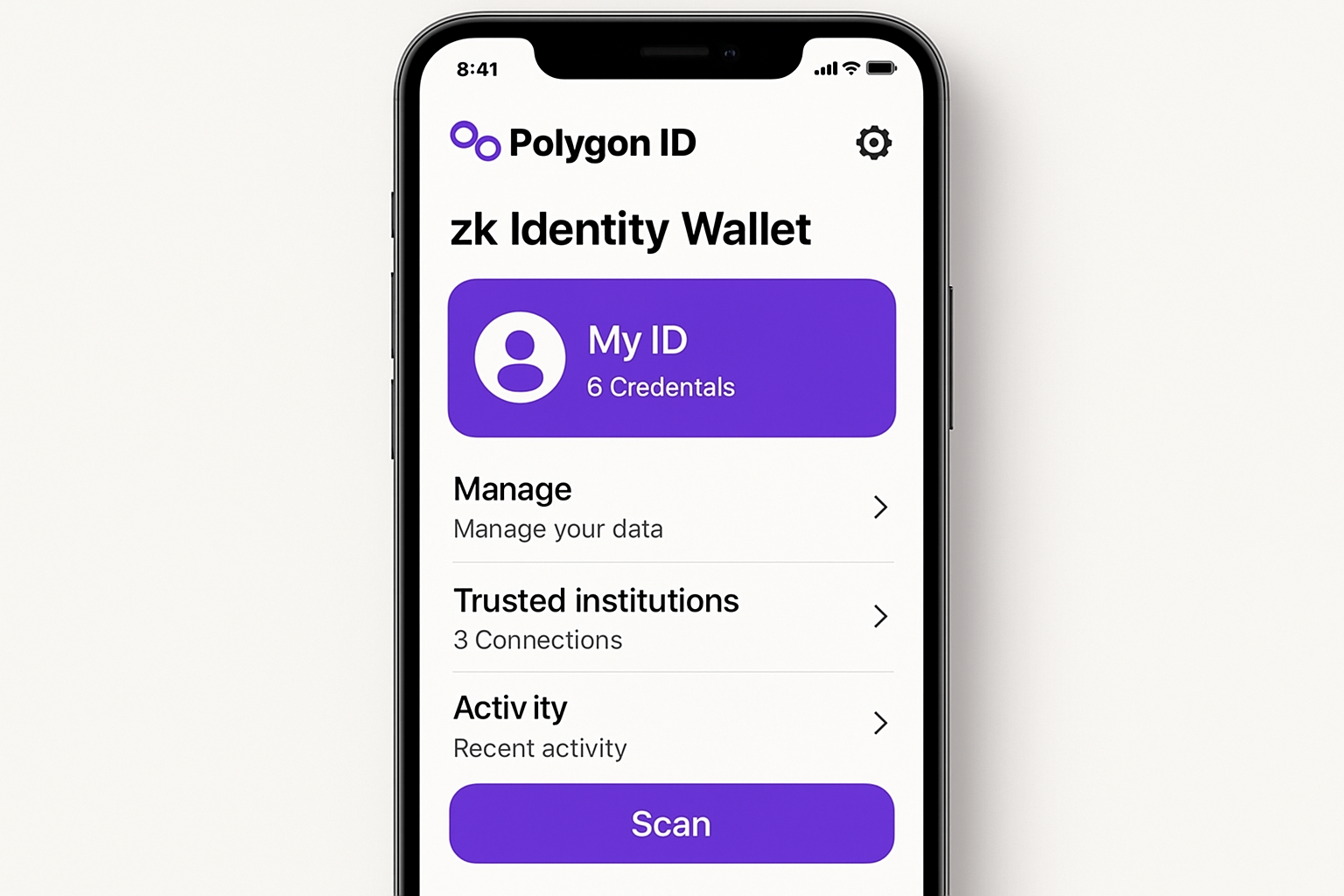
Polygon ID Wallet: Leverages zk-SNARKs for privacy via ZKPs and selective disclosure, supports reusable credentials with BBS+ signatures, cross-chain via Polygon ecosystem, and regulatory proofs for Web3 apps.
-
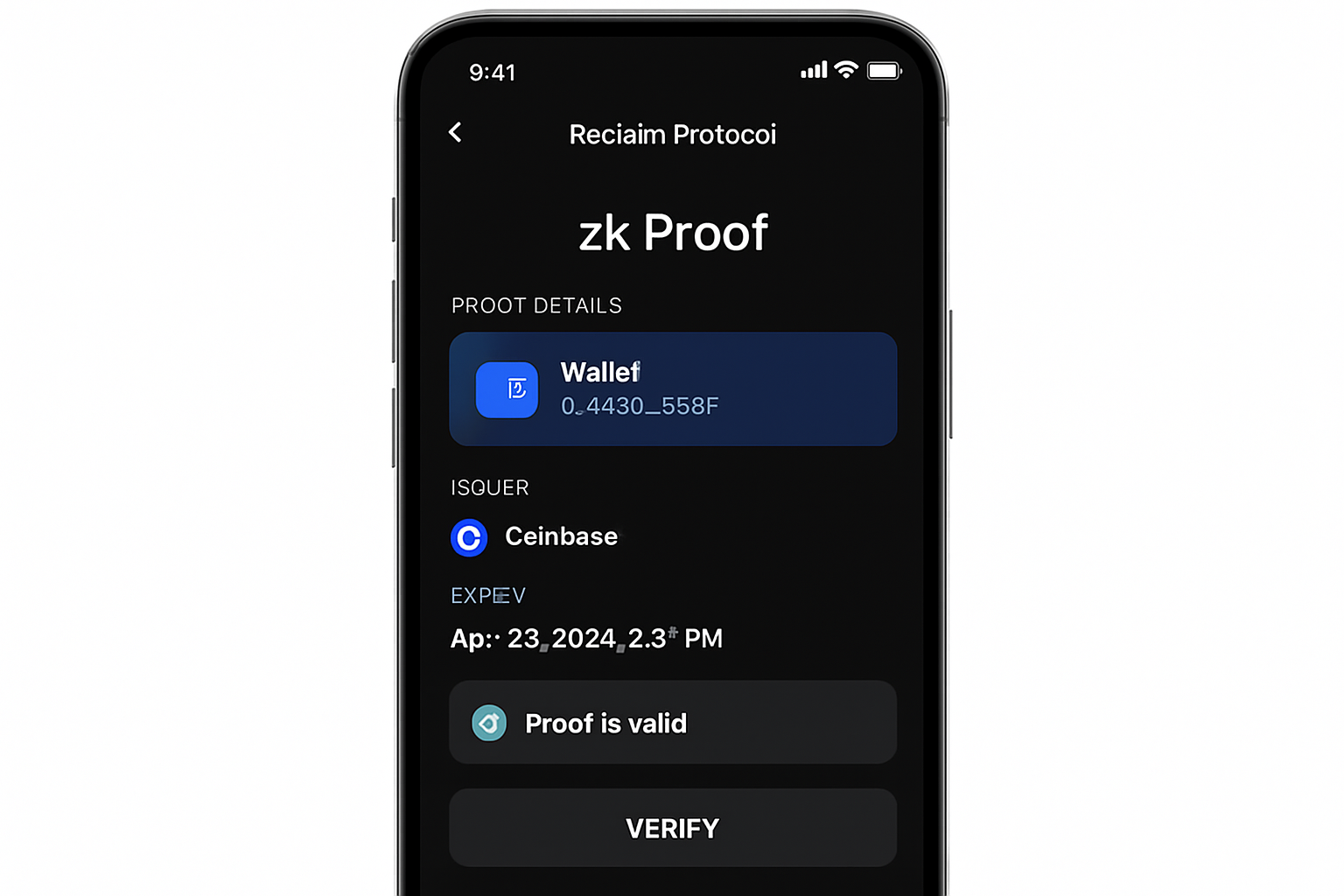
Reclaim Protocol: Enables ZKPs for Web2 data, allowing reusable credentials from passports or bank statements without exposure, supports selective disclosure and cross-chain verification for DeFi KYC.
-
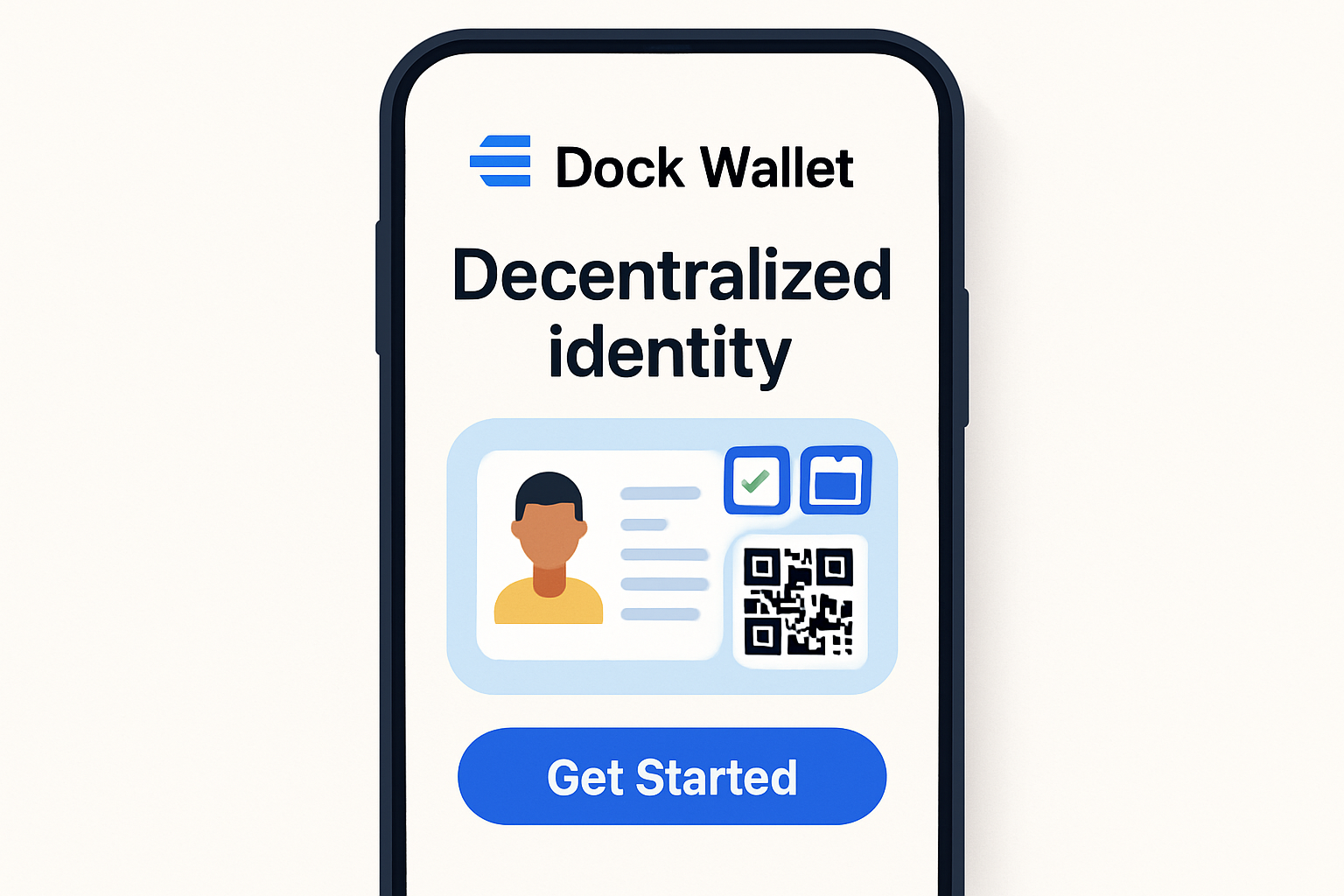
Dock Wallet: Provides self-sovereign credentials with ZK proofs for privacy-preserving KYC, reusable VCs, cross-chain compatibility on Dock blockchain, and compliance proofs.
-
Trinsic Wallet: Offers ZK-enabled verifiable credentials for selective disclosure, reusable across chains, privacy-focused SSI with regulatory compliance tools for enterprises.
-
Lissi Wallet: Mobile SSI wallet with ZKPs for privacy, supports reusable credentials via EBSI, cross-chain interoperability, and selective disclosure for compliant verifications.
-
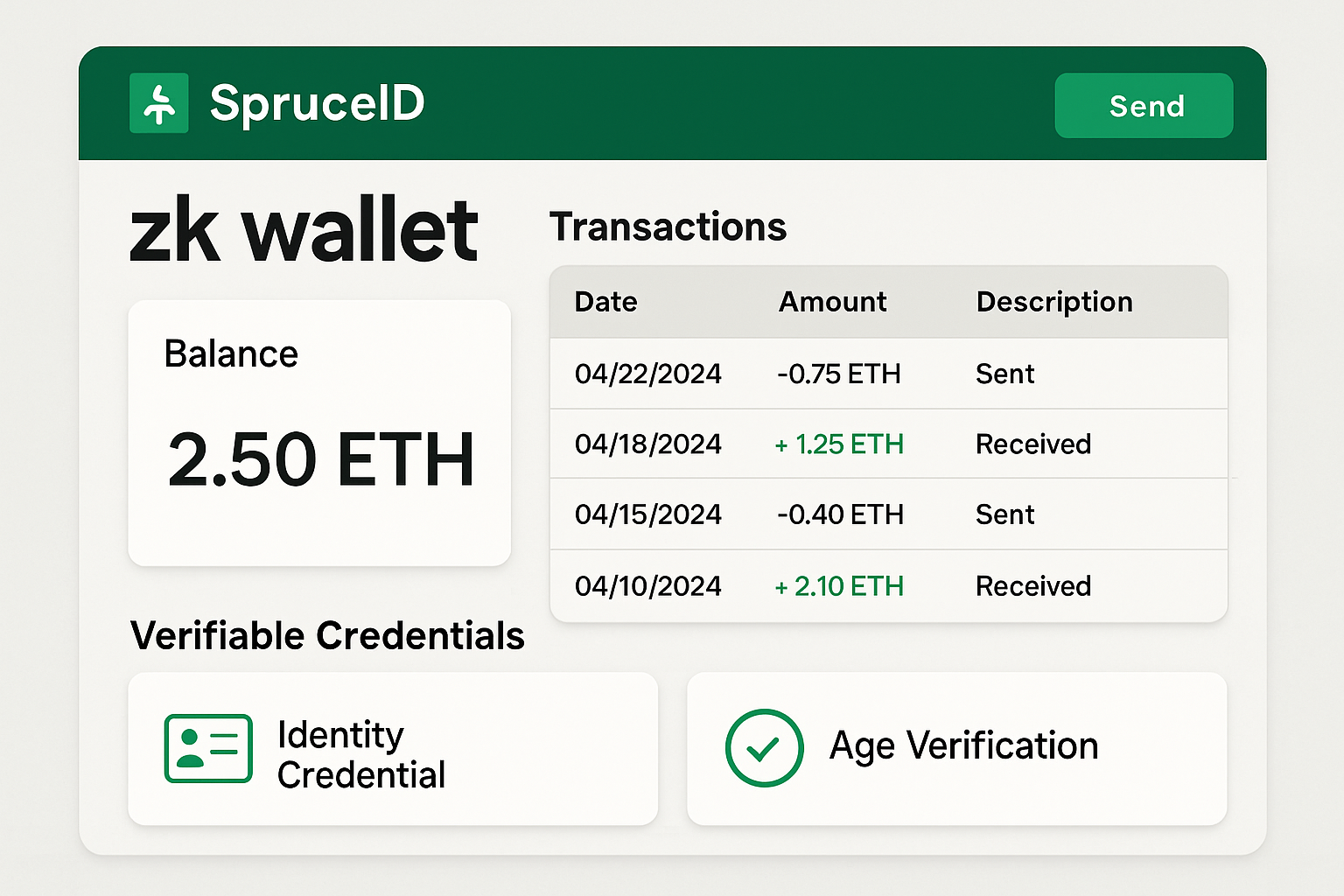
Spruce Wallet: Features decentralized keys and ZK proofs for self-sovereign KYC, reusable VCs, cross-chain support, and regulatory compliance without data sharing.
-
Semaphore: ZK protocol for anonymous signaling with ZKPs, enables group membership proofs (reusable credentials), cross-chain, selective disclosure, ideal for privacy in DAOs.
Navigating Regulatory Compliance with Privacy Intact
Balancing KYC mandates with user rights defines 2025’s identity frontier. Tools like Invisible ID introduce ZK-Reg proofs for AML checks without data access, echoing Coin Center’s vision for decentralized infrastructure. Self-sovereign KYC wallets mitigate “walled garden” pitfalls, enabling one-time verifications reusable across platforms. This reusability transforms online KYC, as explored in detailed guides on self-sovereign identity wallets.
Antier Solutions ranks development leaders like Dock among top innovators, emphasizing wallets that integrate DIDs with zk tech for payments and beyond. Coincub’s privacy wallet reviews parallel this, spotlighting self-custody with Tor-like anonymity, though zk layers elevate it further.
Leading zk Identity Wallets: Polygon ID Wallet and Reclaim Protocol
Among the top seven zk identity wallets for self-sovereign KYC, Polygon ID Wallet leads with its zk-SNARK integration on Polygon ecosystem. Users mint identity credentials as soulbound tokens, proving compliance for token gating or dApp access without doxxing. Tested in DAOs and communities, it exemplifies scalable privacy, per Mitosis University insights.
Reclaim Protocol follows closely, specializing in Web2-to-Web3 proofs. It allows verification of bank statements or social proofs via zk, granting DeFi entry sans personal leaks. This protocol’s MPC foundation ensures tamper-proof credentials, positioning it as a staple for privacy advocates seeking zk proofs decentralized identity solutions.
Dock Wallet secures third place with its enterprise-grade DID framework. Focused on verifiable credentials, it supports batch issuance and zk revocation, ideal for organizations scaling KYC. Its modular design accommodates privacy coins like Zcash, aligning with 99Bitcoins’ endorsements for zk-protected storage.
Trinsic Wallet advances institutional adoption, offering APIs for zkKYC embedding. With biometric safeguards akin to Zengo, it prioritizes usability for novices while delivering BBS and proofs for selective sharing. These wallets collectively address Coinspaid’s crypto identity pillars: wallets, DIDs, and ZK impacts on seamless payments.
Lissi Wallet emerges as a versatile option for European users, emphasizing GDPR-compliant self-sovereign identity management. It integrates with eIDAS frameworks, allowing zk proofs for cross-border KYC without data silos. Users store verifiable credentials in a mobile-first interface, proving attributes like residency or professional qualifications selectively. This positions Lissi as a bridge for traditional finance entering Web3, much like Dock’s enterprise scalability but with a regulatory focus tailored to privacy-preserving DID wallets.
Top zk Identity Wallets Continued: Spruce Wallet and Semaphore
Spruce Wallet excels in developer-friendly tools for issuing and verifying zk credentials. Built on SpruceID’s protocol, it supports anoncreds and BBS signatures, enabling organizations to deploy custom KYC flows. Privacy advocates appreciate its zero-knowledge revocation lists, which invalidate proofs without tracing users, echoing zkPass’s document bridging but optimized for institutional rollouts. In 2025’s maturing ecosystem, Spruce facilitates seamless integration with Polygon ID’s ecosystem, amplifying cross-chain utility.
Semaphore rounds out the top seven with its lightweight signaling protocol for anonymous group proofs. Unlike full wallets, it layers onto existing ones like MetaMask, generating zk-SNARKs to attest membership in communities or compliance groups without revealing identities. Ideal for airdrops, governance, or sybil-resistant voting, Semaphore’s efficiency shines in high-volume scenarios, as Sismo’s badges demonstrate in real-world DAOs. Together, these tools, from Polygon ID’s soulbound minting to Semaphore’s signals, form a comprehensive arsenal for self-sovereign KYC wallets.
Comparison of Top 7 zk Identity Wallets for Self-Sovereign KYC
| Wallet Name | Key ZK Feature | Best Use Case | Chain Support |
|---|---|---|---|
| Polygon ID Wallet | zk-SNARKs | DAO gating & community access | Polygon, Ethereum |
| Reclaim Protocol | ZK proofs for Web2 data | Sybil resistance & airdrop eligibility | Ethereum, Polygon |
| Dock Wallet | ZK-enabled Verifiable Credentials | Enterprise KYC & SSI | Multi-chain (Ethereum, Polkadot) |
| Trinsic Wallet | ZK-powered Verifiable Credentials | Compliance & user onboarding | EVM chains |
| Lissi Wallet | ZK identity integration (e.g., Polygon ID) | Mobile self-sovereign identity | Polygon, Ethereum, multi-chain |
| Spruce Wallet | Privacy-preserving Verifiable Credentials | Web3 social proof & verification | Ethereum |
| Semaphore | Group membership proofs | Anonymous voting & signaling | EVM |
Selecting the right zk identity wallet hinges on specific needs: Polygon ID and Spruce for dApp builders, Reclaim and zkPass-inspired flows for Web2 proofs, or Lissi for regulated environments. Dock and Trinsic cater to enterprises, while Semaphore adds anonymity layers. This diversity counters centralized risks, as IEEE reviews affirm ZKPs’ dominance in eKYC across 22 studies. Developers can draw from Antier Solutions’ rankings, where Dock leads innovation pipelines.
Challenges persist, including proof generation times and interoperability gaps, yet 2025 updates like Self’s Google Cloud tie-ins signal acceleration. Invisible ID’s compliance gateways further harmonize privacy with law enforcement, preventing overreach. For users, these wallets mean reusable proofs across DeFi, NFTs, and beyond, slashing verification friction while upholding sovereignty. Explore deeper on how self-sovereign identity wallets are transforming online KYC, where one-time setups unlock persistent access.
Forward momentum builds as zk tech permeates payments and AI, per Coinspaid and Medium insights. Privacy coins’ wallets like Zecwallet complement these, but pure zk identity solutions lead for regulatory navigation. Investors note the value: platforms enabling compliant, user-owned data command premiums in a surveillance-weary world.
Stakeholders from enthusiasts to institutions stand to gain by adopting these tools early, securing digital presence amid escalating data wars.
About the Author