
In the fast-evolving world of Web3, where self-sovereign identity reigns supreme, ZK KYC wallets are bridging the gap between regulatory demands and user privacy. Picture this: you connect your decentralized identity wallet to a DeFi protocol, prove you’ve completed KYC without exposing your name, address, or ID details, and dive right in. No more repetitive paperwork or data leaks. This is the promise of privacy-preserving KYC DID, powered by zero-knowledge proofs in blockchain ecosystems projected to hit $7.4 billion by 2026.
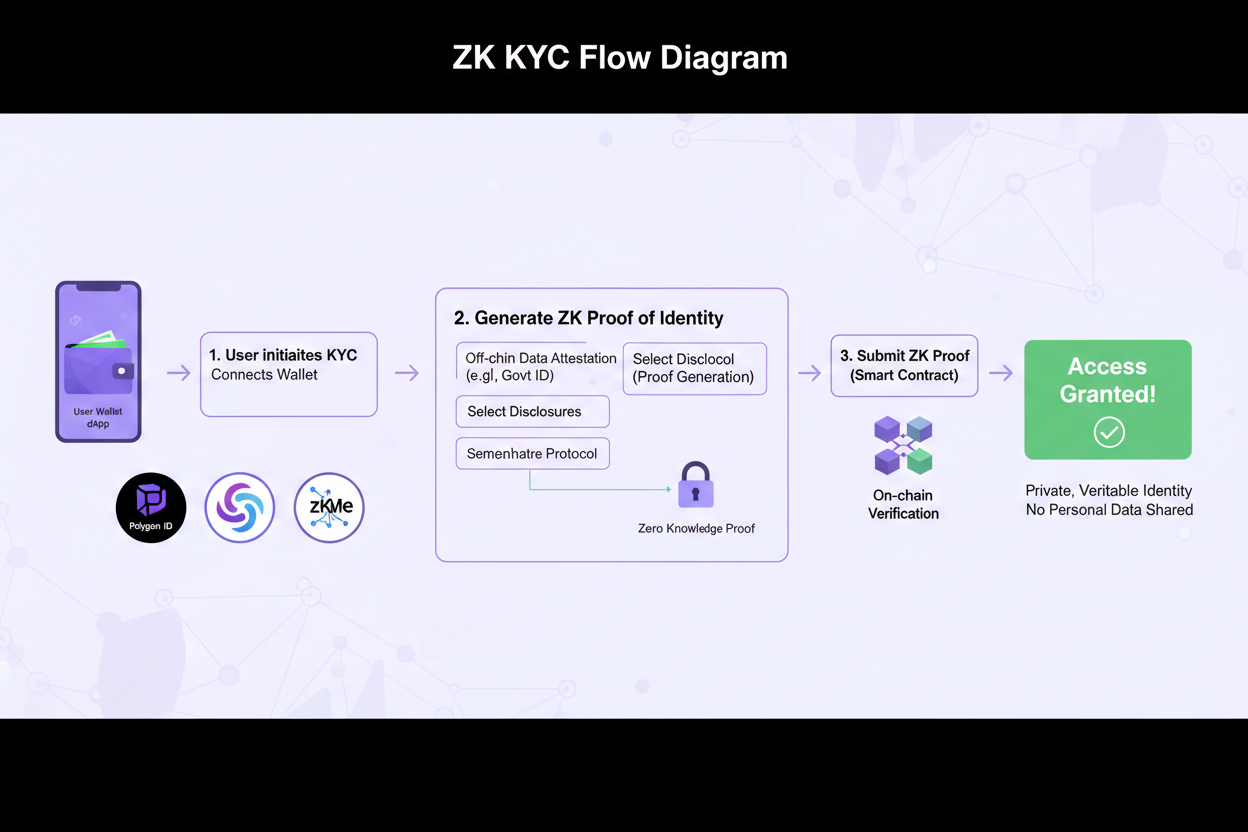
Every EU member state rolling out digital identity wallets by year-end underscores the urgency. Traditional KYC, while essential for compliance in crypto transactions, often feels like handing over your digital soul to centralized gatekeepers. Data breaches, endless resubmissions, and privacy erosion are the norm. Enter ZK proofs identity wallets: tools that let you verify attributes like age or residency selectively, aligning with AML rules without the full reveal.
Demystifying Zero-Knowledge Proofs for Self-Sovereign ID
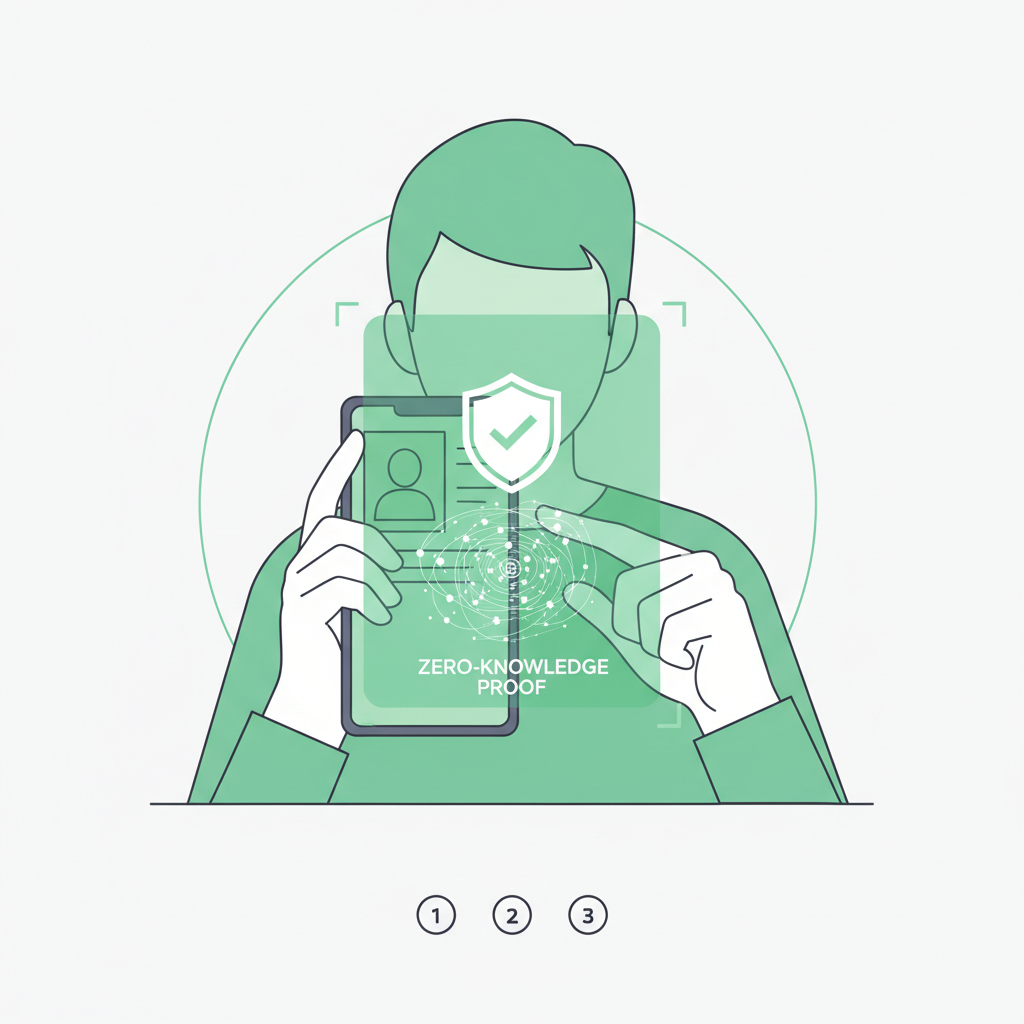
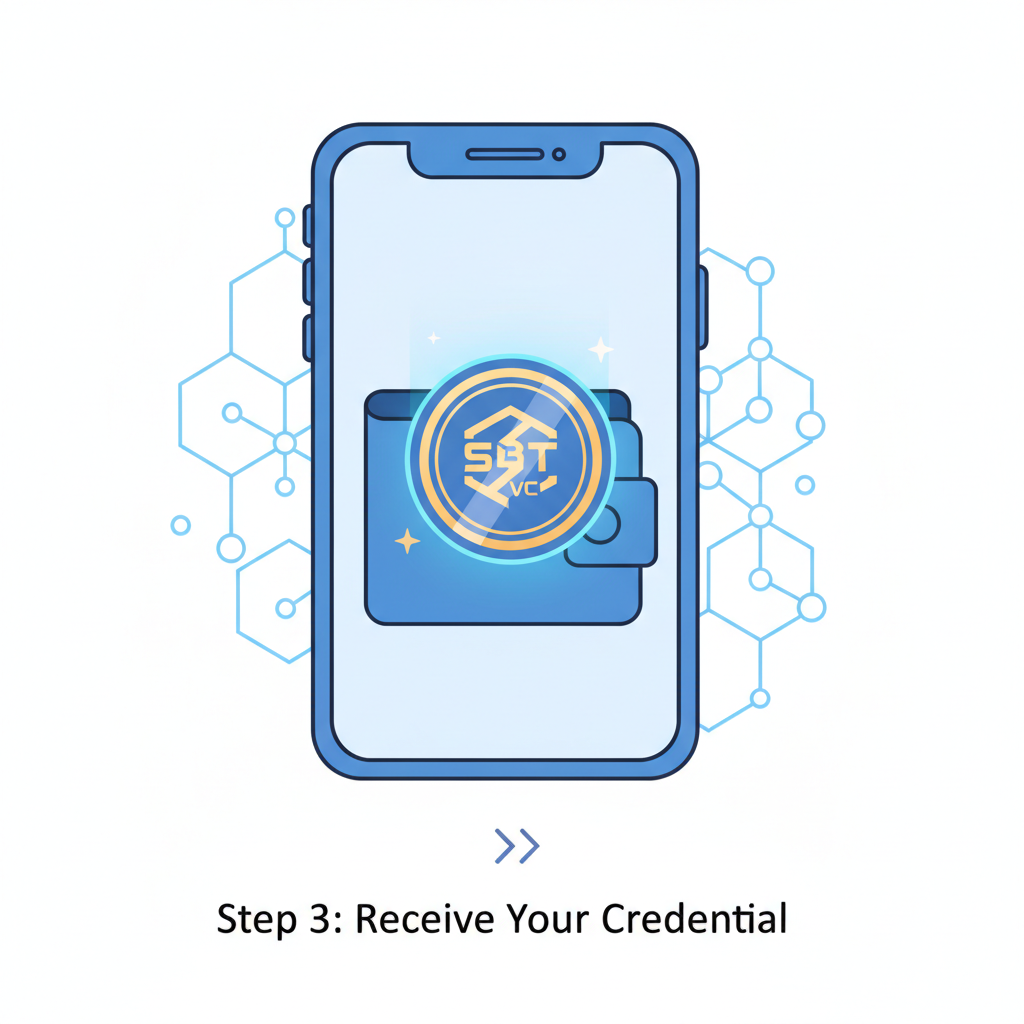
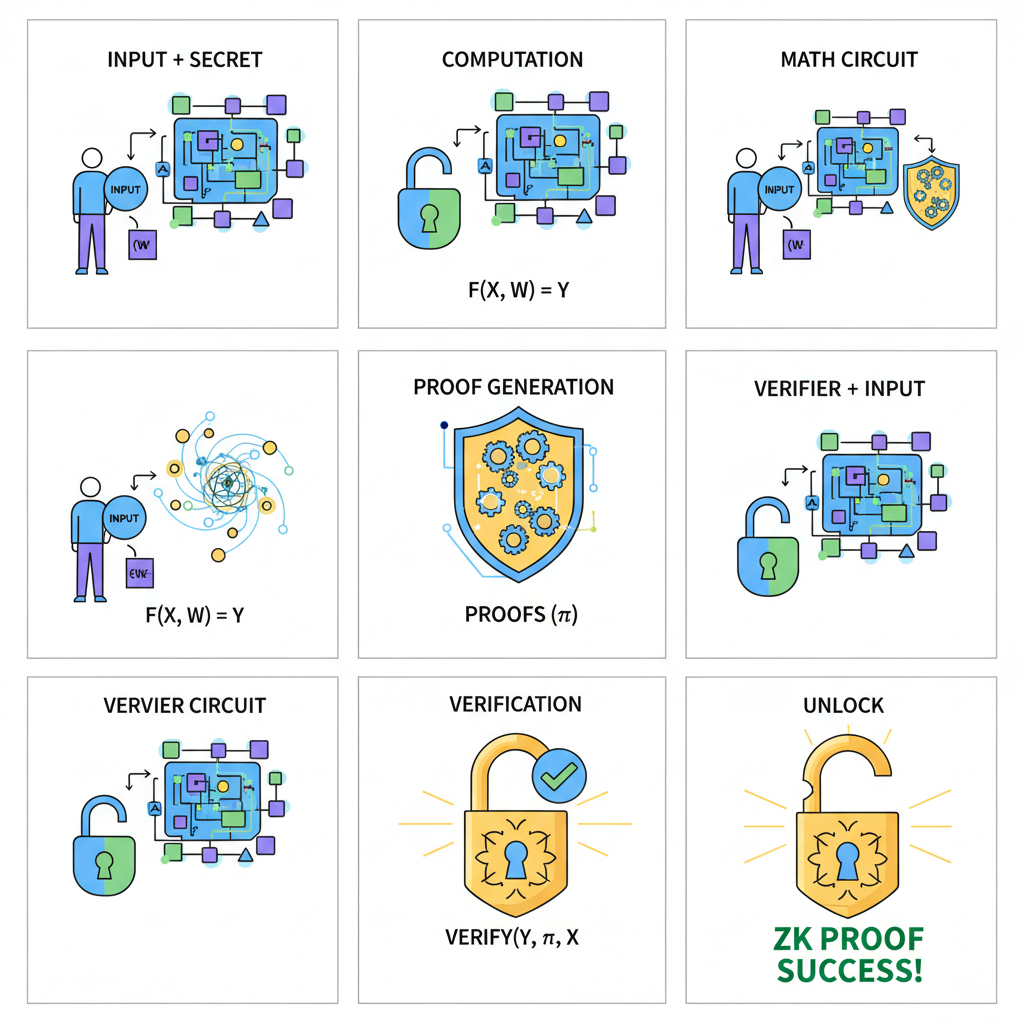
At its core, zero knowledge self sovereign ID means you control your credentials as verifiable credentials (VCs) or soulbound tokens (SBTs). Zero-knowledge proofs (ZKPs) are the cryptographic magic: mathematically prove a statement is true without disclosing extra info. For decentralized identity ZK verification, it’s like showing a black box where the service provider checks the output (“yes, KYC compliant”) but sees nothing inside.
Unlock Privacy-Preserving KYC: ZK Proofs in Web3 Wallets Step-by-Step
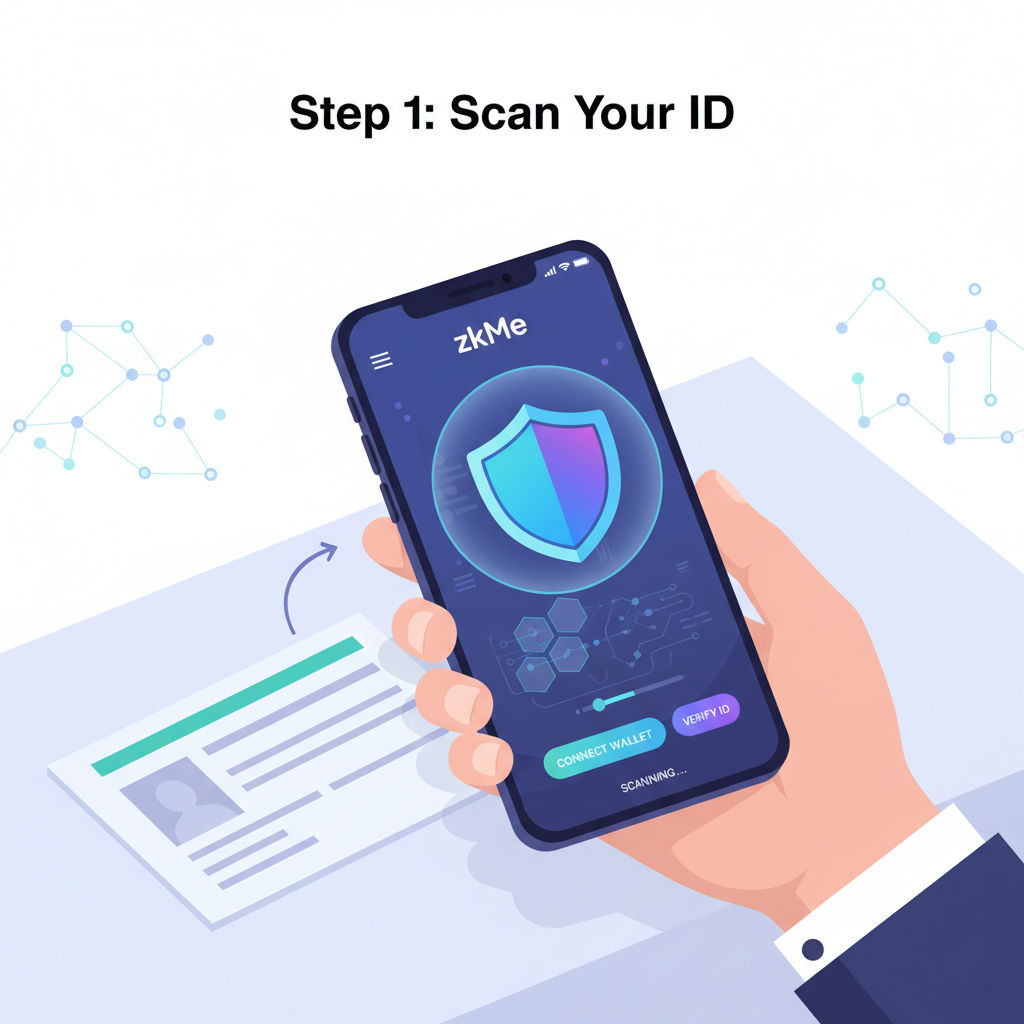
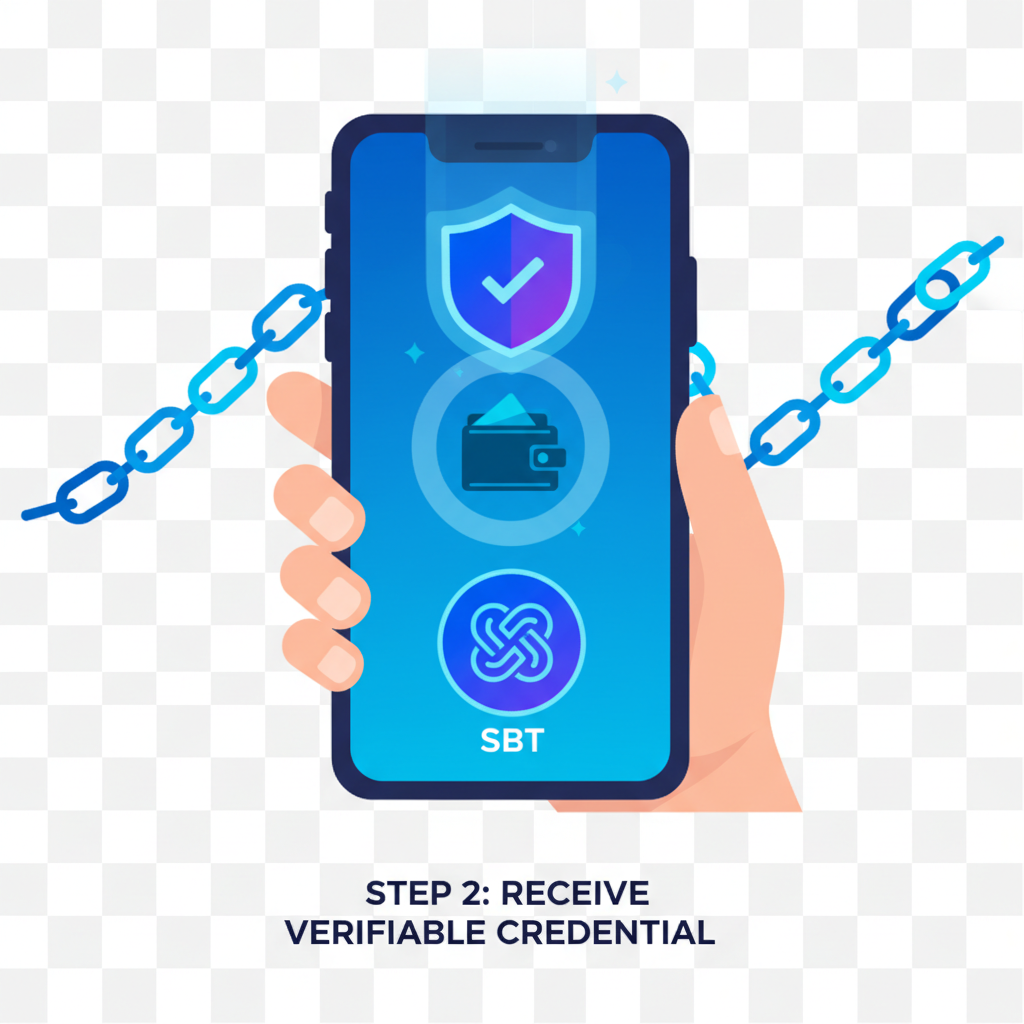
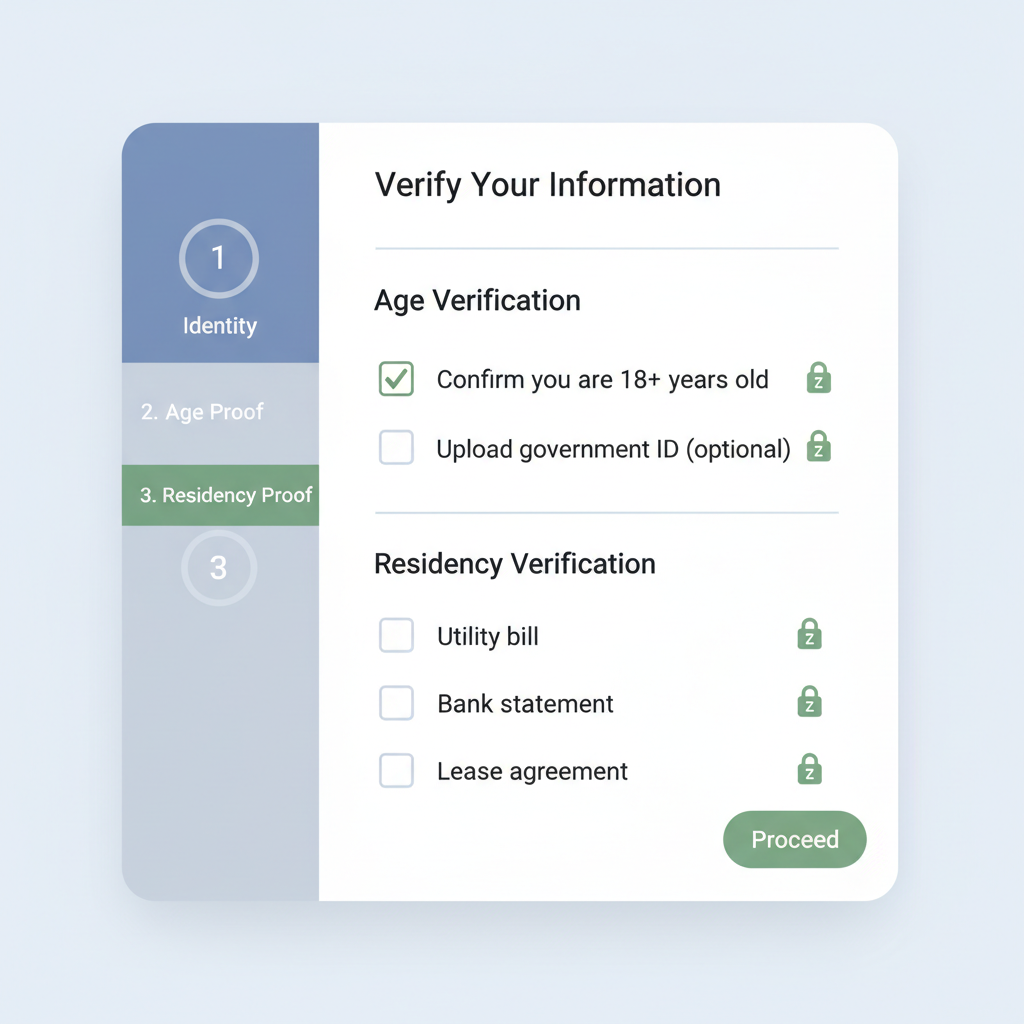

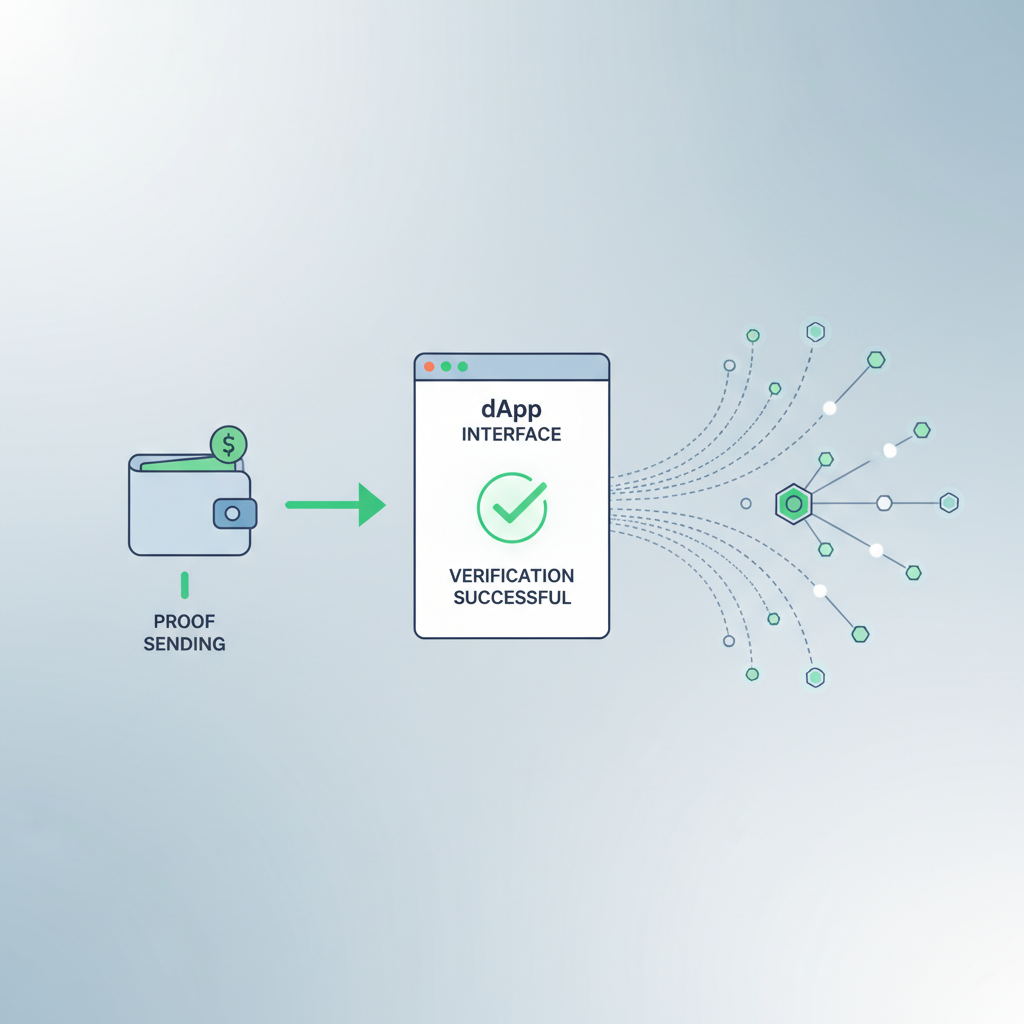
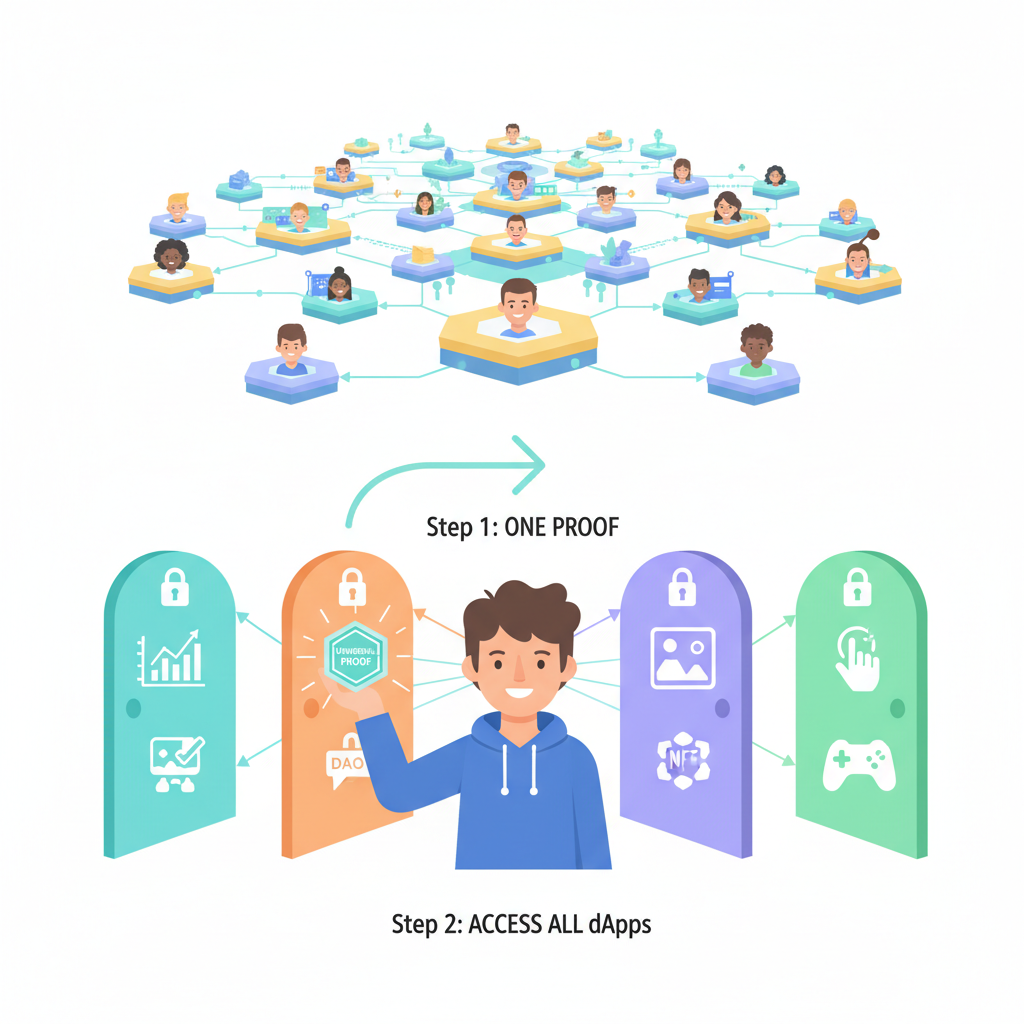
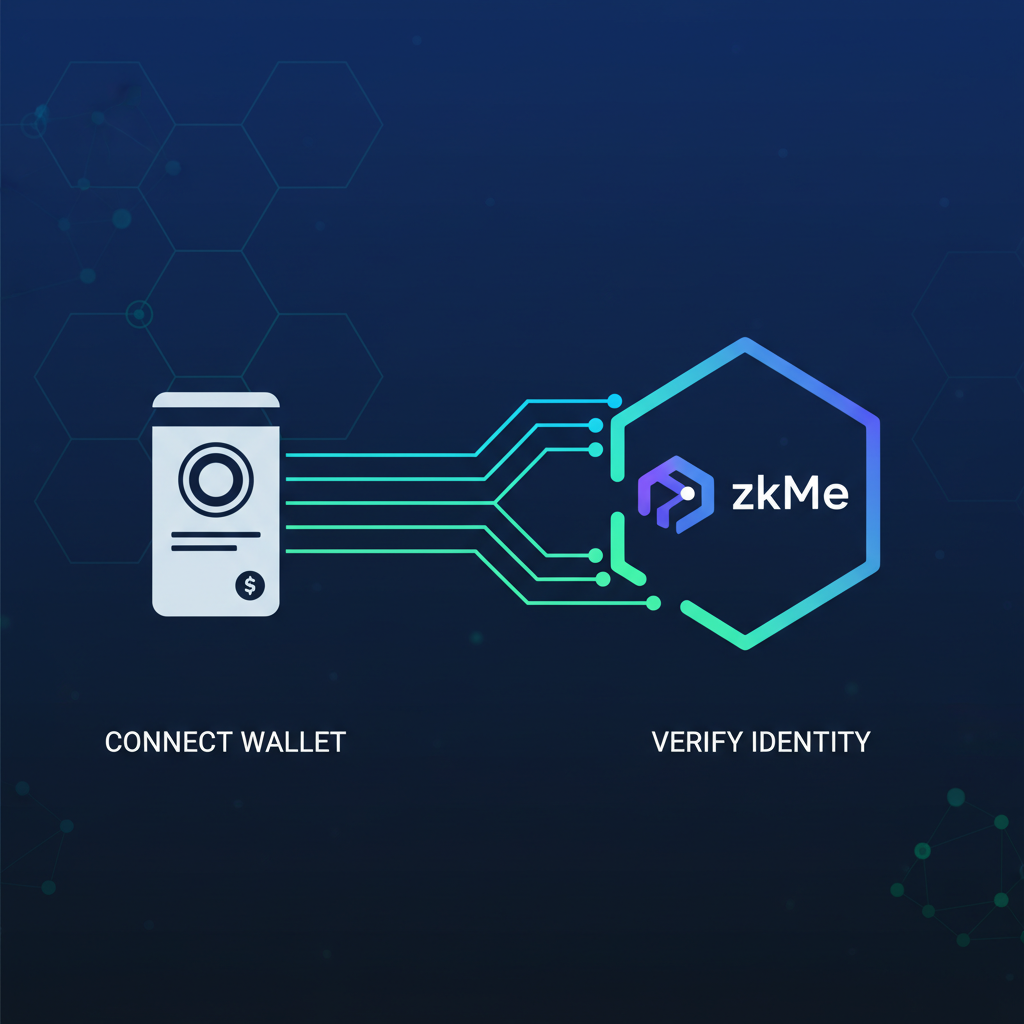
Take zkMe’s zkKYC: verification happens on your device, generating a proof shared with dApps. Reusable across platforms, it slashes onboarding friction. Self Protocol on Celo adds modular anti-sybil checks, backed by $9 million funding. zk-id simplifies browser-based proofs for age or location, no servers needed. These aren’t hypotheticals; they’re live solutions revolutionizing ZK KYC wallets.
“ZK-KYC enables privacy-preserving identity verification using zero-knowledge proofs, revolutionizing compliance in Web3 without exposing personal data. ” – Mitosis University
Strategic Advantages of ZK KYC in DID Wallets
Why bet on this now? First, enhanced privacy: no more honeypots of PII waiting for hackers. Users prove eligibility for financial services without baring all, cutting breach risks. Second, regulatory edge: meets global KYC/AML while honoring GDPR-like privacy. Third, user empowerment: you decide what to share, fostering trust in DeFi and beyond.
Efficiency shines too. Instant checks via reusable credentials mean dApps onboard users faster, reducing drop-offs. In finance, this cuts KYC friction dramatically. As an options strategist eyeing DID wallet tokenization, I see ZK KYC as a multiplier for adoption: lower barriers, higher liquidity, tokenized identities as assets.
Relatably, it’s like flashing a wristband at a club: scanned, verified, no ID flash. But strategically, it positions wallets as compliance hubs in a $7.4B market.
Top ZK Tools Transforming Privacy-Preserving KYC
Among the leaders, Polygon ID tops for its robust integration with Polygon ecosystem, issuing ZK credentials from trusted sources. Users generate proofs for KYC status, residency, or age gates seamlessly. zkMe follows closely with its fully decentralized zkKYC, emphasizing local computation and SBTs for reusability across Web3.
Reclaim Protocol empowers by letting users pull proofs from Web2 sources like LinkedIn or banks without ongoing access. No data leaves your wallet. Sismo Protocol leverages group proofs via Semaphore, ideal for community attestations without individual doxxing. These tools form the backbone of decentralized identity ZK verification.
Semaphore itself, a ZK signaling protocol, enables anonymous yet verifiable signals, perfect for sybil-resistant KYC in DAOs. zkPass bridges off-chain data into on-chain ZK proofs, verifying real-world compliance privately. Dock rounds out with SSI-focused VCs, emphasizing enterprise-grade interoperability.
Zero-knowledge proofs enhance privacy here by design, making these protocols not just tools, but strategic assets for anyone building or using DID wallets.
To harness these tools effectively, consider their unique strengths in your ZK KYC wallets strategy. Polygon ID excels in scalability within the Polygon network, making it ideal for high-volume DeFi apps where quick ZK credential issuance is key. Pair it with zkMe for comprehensive compliance proofs that span multiple chains, ensuring your decentralized identity remains portable.
Integrating ZK Proofs for Everyday Use
Reclaim Protocol stands out by bridging Web2 credentials into Web3 seamlessly; imagine verifying your bank account or professional history without granting perpetual access. Sismo Protocol, building on Semaphore’s anonymity primitives, shines in collective verifications, like proving DAO membership without individual exposure. This is crucial for privacy preserving KYC DID in community-driven projects.
zkPass takes it further by importing off-chain KYC data into on-chain proofs, perfect for enterprises transitioning to self-sovereign setups. Dock’s verifiable credentials emphasize standards compliance, interoperating with eIDAS in the EU’s wallet mandate. Strategically, stacking these creates a robust zero knowledge self sovereign ID stack: start with Polygon ID for basics, layer zkMe for reusability, and add Semaphore for advanced signaling.
Generate ZK KYC Proofs Effortlessly: zkMe & Polygon ID Wallet Guide
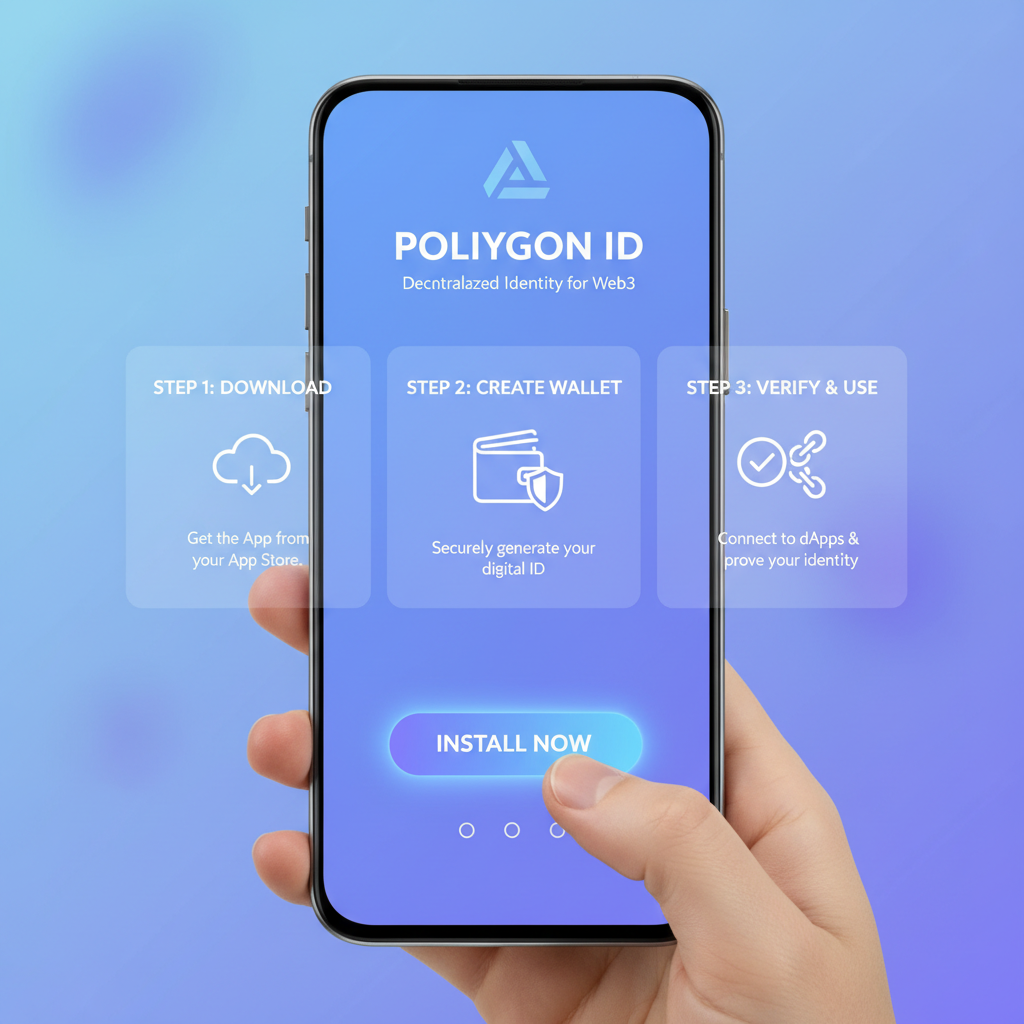
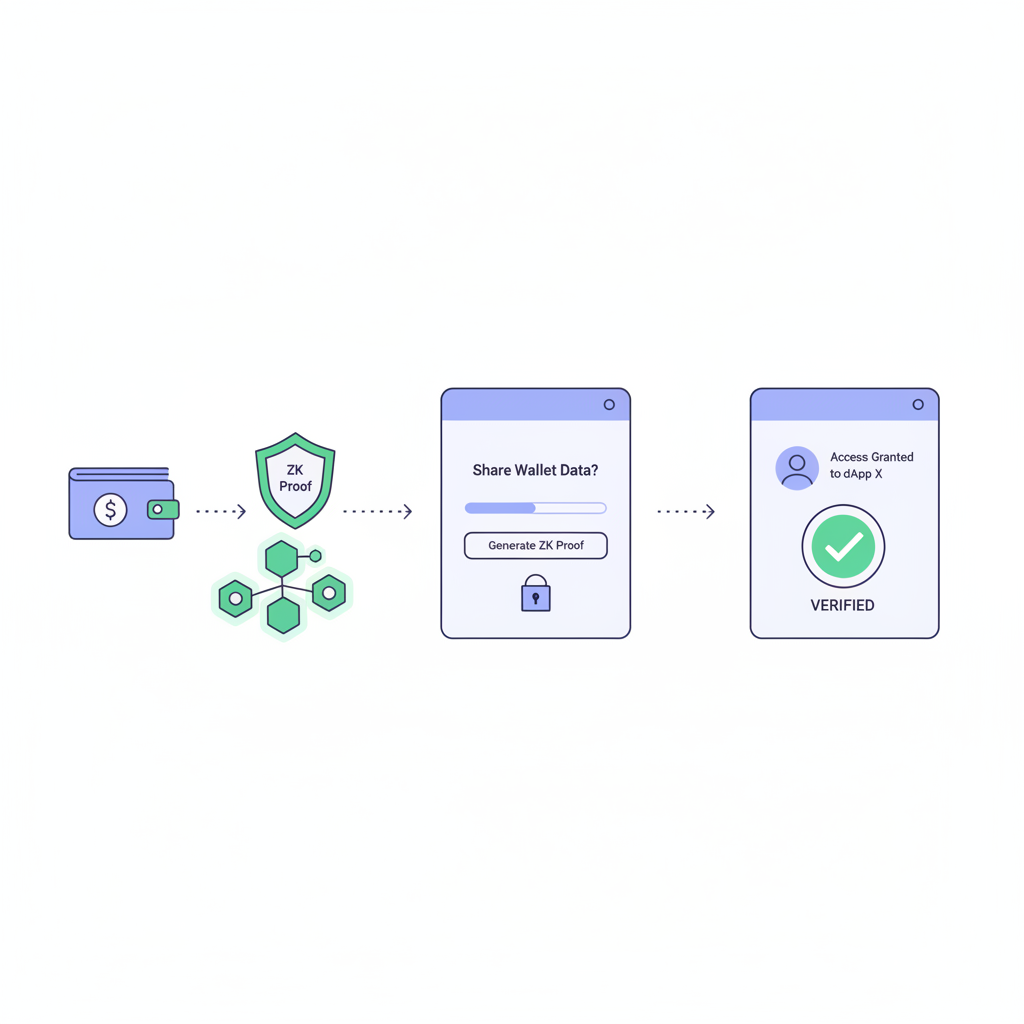
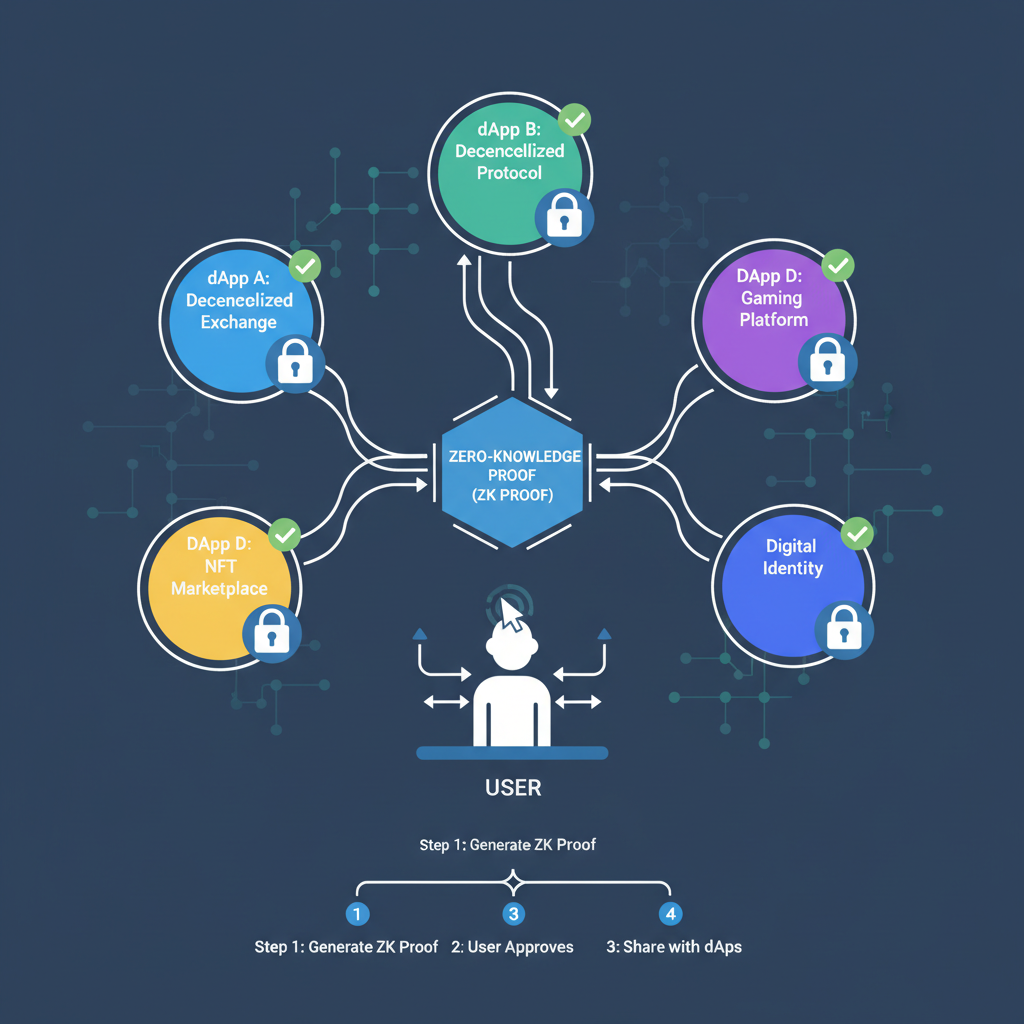
Once set up, these protocols reduce onboarding from days to seconds. As someone who strategizes around tokenized assets, I view ZK KYC not as a compliance checkbox, but as an options play: it unlocks liquidity in restricted markets while hedging privacy risks. Relate it to your life; no more explaining your credentials to every new service.
| Tool | Key Feature | Best For | Chain Support |
|---|---|---|---|
| Polygon ID | ZK credential issuance | DeFi scalability | Polygon |
| zkMe | Local zkKYC proofs | Reusable compliance | Multi-chain |
| Reclaim Protocol | Web2 data proofs | Hybrid verifications | EVM |
| Sismo Protocol | Group ZK proofs | DAO attestations | Ethereum |
| Semaphore | Anonymous signaling | Sybil resistance | Multi-chain |
| zkPass | Off-chain to on-chain | Enterprise KYC | EVM |
| Dock | SSI VCs | Interoperability | Multi-chain |
This lineup positions decentralized identity ZK verification as accessible yet powerful. Challenges remain, like proof generation times on mobile, but optimizations from zk-id’s browser tech are closing gaps. Funding like Self Protocol’s $9 million signals investor confidence in Celo’s modular approach, ripe for tokenization plays.
Looking ahead, as the decentralized identity market surges toward $7.4 billion, expect tighter EU integrations and DeFi mandates. Tools like these will define winners: those prioritizing ZK proofs identity wallets gain first-mover edges in compliant, private finance. Start experimenting today; your future self-sovereign setup depends on it.
Explore zk identity wallets setup guides to dive deeper into practical implementations.
About the Author