
Imagine proving you’re over 21 to access a DeFi lending protocol, or showcasing your on-chain lending history to unlock better rates, all without revealing your name, address, or wallet balance. That’s the promise of ZK identity wallets, where zero-knowledge proofs let you build and verify on-chain reputation and credentials anonymously. In a world where blockchain transparency clashes with personal privacy, these tools are game-changers for self-sovereign identity.
We’ve all seen the pitfalls: sybil attacks erode trust in DAOs, KYC demands dox users, and static credentials fail to capture dynamic behaviors. Enter decentralized identity credentials powered by ZKPs. According to Chainlink, ZKPs allow proving knowledge of data without disclosing it, a cryptographic primitive that’s scaling across Web3. Dock Labs echoes this, calling ZKPs essential for secure verification sans exposure.
Why On-Chain Reputation Needs Privacy-Preserving Proofs
Traditional reputation systems on blockchains rely on public transaction histories, making doxxing inevitable for high-stakes interactions. But projects like ChainScore Labs argue reputation should be a graph of verifiable actions, separable from identity via self-sovereign ID ZK proofs. Their blog highlights how pseudonymity and reputation coexist when ZK proofs isolate attributes, preventing correlation attacks.
Data backs this shift: Mina Protocol notes ZKPs with DIDs verify attributes privately, solving digital identity’s privacy problem. Purdue’s zk-creds toolkit demonstrates flexible anonymous credentials using zkSNARKs, enabling assertions like “I’ve completed 10 loans” without linking to your full history.
Key ZK Identity Wallet Advantages
-
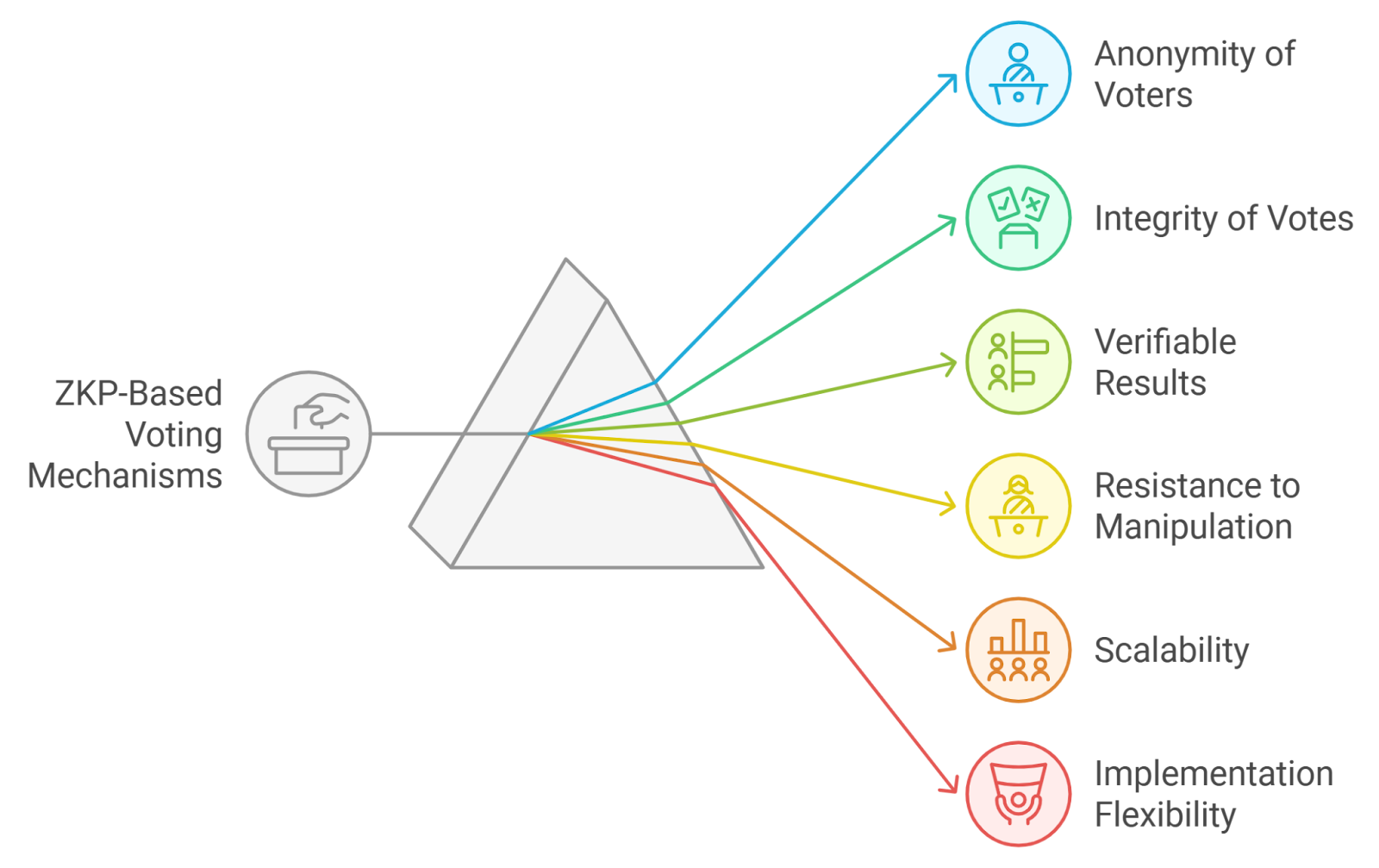
1. Selective Disclosure: Prove specific credentials like age or residency without revealing full identity, using zkTLS proofs as in OnChain Passport.
-
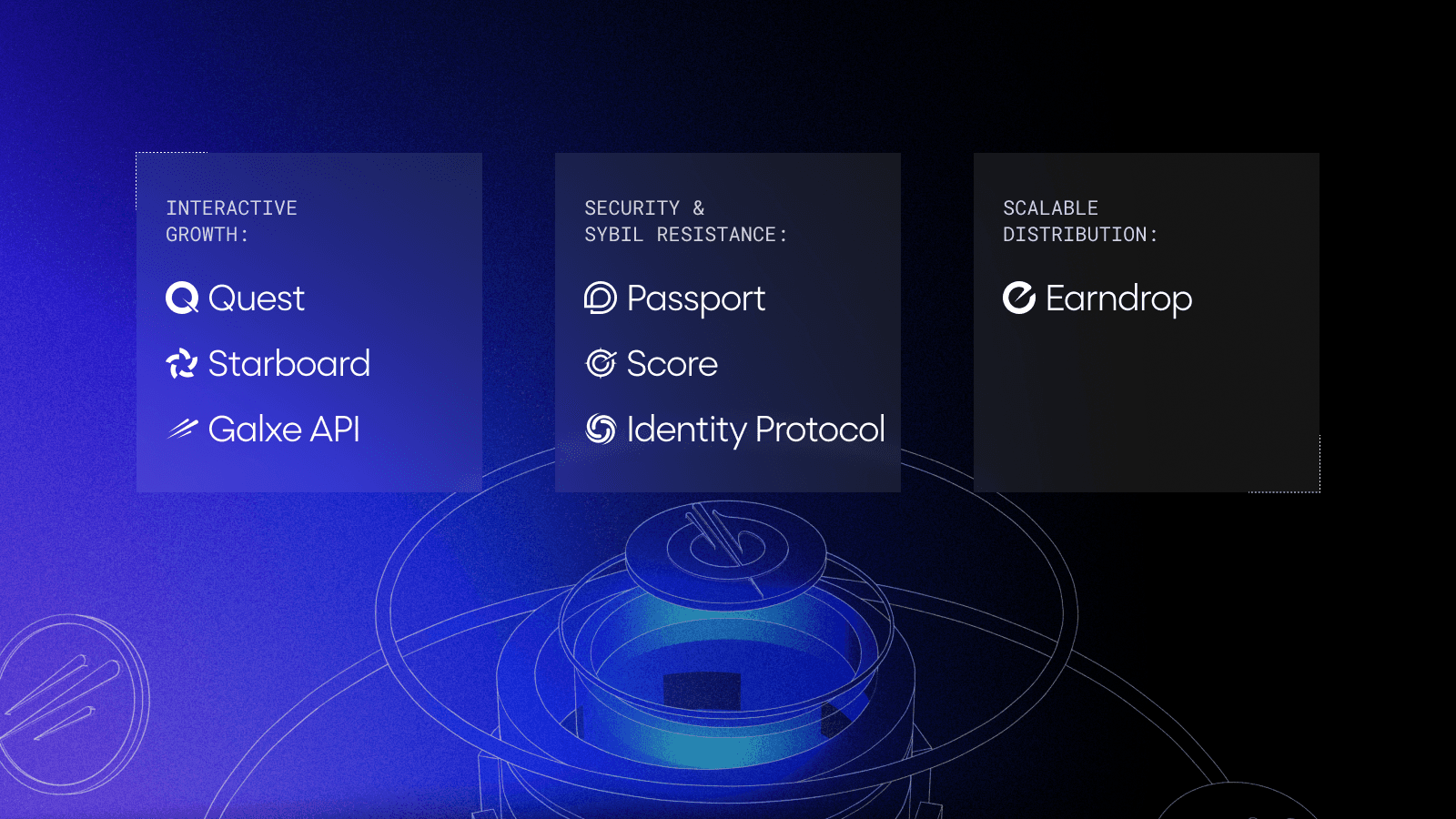
2. Sybil Resistance: Combat fake accounts with AI-driven behavioral analytics on on-chain activity, like zkOS and ChainScore Labs’ reputation graphs.
-
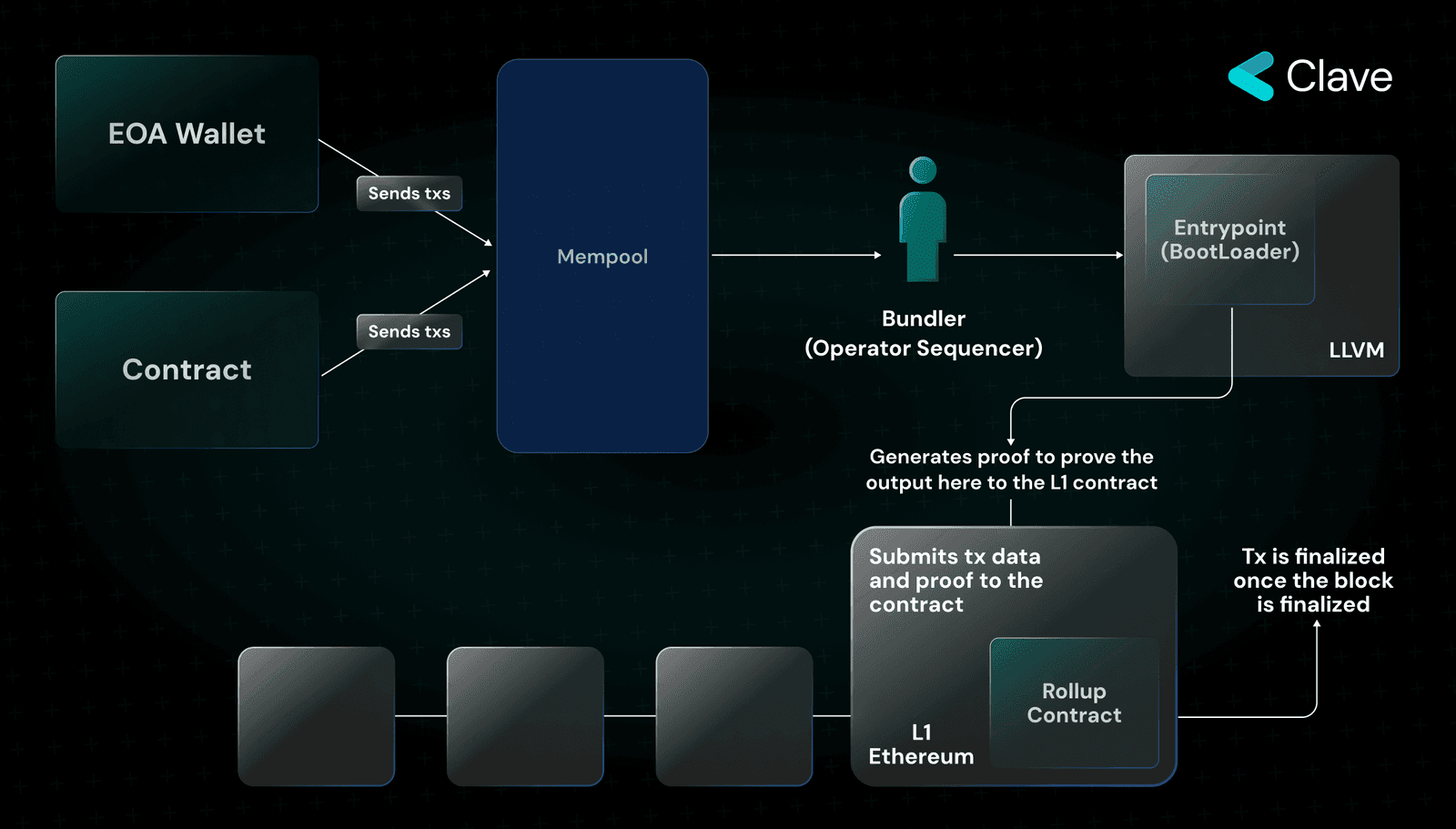
3. Interoperable DID Standards: Work across chains with standards like Polygon ID and Litentry Wallet for seamless self-sovereign identity.
-

4. No Central Authority Risks: Fully decentralized control avoids single points of failure, empowering users with ZK proofs per Chainlink.
-

5. Enhanced DeFi Access: Unlock DeFi without KYC by verifying attributes privately, boosting privacy in apps via ZK-SBTs and proofs.
This isn’t hype; it’s practical. zkOS leverages AI to score wallets on-chain behaviors privately, fostering trust in dApps without invasive surveillance.
Breaking Down ZKPs for Everyday On-Chain Use
At their core, DID wallets privacy preserving tech uses ZKPs to generate proofs that a verifier checks mathematically, no data shared. Chainlink explains it simply: prove you’re solvent for a loan without showing your balance. CoinsBench details ZK’s role in private transactions and on-chain identity, powering verifiable credentials.
Take zkTLS proofs from OnChain Passport: users attest to web data like age or residency off-chain, then prove it on-chain privately. This beats traditional tools by avoiding data silos. Tria’s aggregated interactive ZK reputation lets users hold verifiable credential bundles, disclosing only what’s needed per dApp.
Smart Liquidity Research points to ZKPs in DeFi: prove legitimacy without wallet secrets. Concordium’s privacy chains add selective identity proofs, making blockchains programmable for confidential apps.
Standout Projects Building the ZK Reputation Future
zkOS stands out with AI-powered reputation analytics, assessing patterns like interaction frequency without doxxing. ChainScore Labs pushes zero-knowledge attestations, ensuring reputation proofs detach from personal data. Their view: on-chain identity evolves into dynamic networks, not rigid profiles.
Tria’s user-centric system aggregates attributes into cryptographically sound credentials, perfect for on-chain reputation wallets. OnChain Passport reviews top wallets like Polygon ID and Litentry, praising their self-sovereign features. Check our setup guide for hands-on implementation.
Chainlink’s on-chain verification links real-world attributes to addresses privately, while their ZK identity article stresses compliance without exposure. Crypto-Economy’s ZK-SBTs offer non-transferable creds tied to DIDs, and Cryptonium Cloud compares solutions like World ID versus Polygon ID on interoperability.
These aren’t isolated efforts. DappRadar’s take on blockchain identities aligns with governments eyeing privacy, positioning ZK wallets as future-proof. As adoption grows, expect ZK identity wallets to underpin trustless ecosystems where you control your narrative.
Picture this: you’re voting in a DAO with millions at stake, but sybil farms dilute your voice. A ZK identity wallet lets you prove unique human behavior through on-chain patterns, no ID scan required. zkOS nails this with AI analytics that score reputations privately, turning raw data into trust signals.
Use Cases Powering Everyday Web3 Interactions
In DeFi, Tria’s aggregated ZK reputation unlocks tiered lending rates by verifying your history bundle without exposing transactions. Borrow at 2% APR if you’ve repaid 20 loans? Prove it selectively, as Chainlink’s ZK identity enables for compliance-heavy apps. DAOs gain sybil resistance; ChainScore Labs’ graph-based reputation models dynamic contributions, like “active in 50 proposals, ” verified via ZK attestations.
Gaming and social dApps thrive too. Prove skill levels or community tenure with decentralized identity credentials to access exclusive NFTs, all pseudonymously. Crypto-Economy’s ZK-SBTs make credentials soulbound, non-transferable proofs of achievements tied to your DID. World ID and Polygon ID compete here, with Cryptonium Cloud noting Polygon’s edge in interoperability across chains.
Comparison of Top ZK Identity Wallets
| Wallet | ZK Technology | Key Features | Primary Focus |
|---|---|---|---|
| Polygon ID | zkSNARKs | Multi-chain, selective disclosure | Self-sovereign identity & credentials |
| Litentry | ZK aggregation | Cross-chain aggregation, DID support | Cross-chain identity management |
| zkOS | Behavioral ZK proofs | AI reputation scoring, on-chain behavioral analytics | Privacy-preserving wallet reputation |
| World ID | Biometric ZK | Sybil resistance | Biometric identity verification |
| Tria | Interactive ZK | Reputation bundles, aggregated attributes | DeFi reputation & credentials |
These tools aren’t perfect yet. Computation overhead slows some ZK proofs, but protocols like Mina optimize with lightweight chains. User experience matters; Litentry shines by aggregating creds from multiple sources into one wallet view.
I’ve tested Polygon ID myself – generating a proof for age verification took seconds, no data leaked. Pair it with zkTLS from OnChain Passport, and you bridge off-chain web proofs seamlessly. Data from Smart Liquidity shows ZKPs slashing DeFi onboarding friction by 70%, proving real traction.
Overcoming Hurdles to Mass Adoption
Sybil attacks persist if proofs lack robust behavioral layers, but zkOS counters with pattern analysis resistant to farming. Interoperability lags; not all wallets speak the same DID standards. ChainScore advocates separable proofs to future-proof against this, letting reputations migrate chains without doxx risk.
Regulatory clarity helps too. Chainlink’s on-chain verification satisfies AML via private attributes, aligning with DappRadar’s vision of privacy-focused digital IDs for institutions. Purdue’s zk-creds toolkit offers devs flexible primitives, accelerating custom solutions.
5 Steps to Launch ZK Reputation
-

Choose a ZK identity wallet: Pick Polygon ID or Litentry Wallet for self-sovereign DIDs and privacy-focused credential management.
-
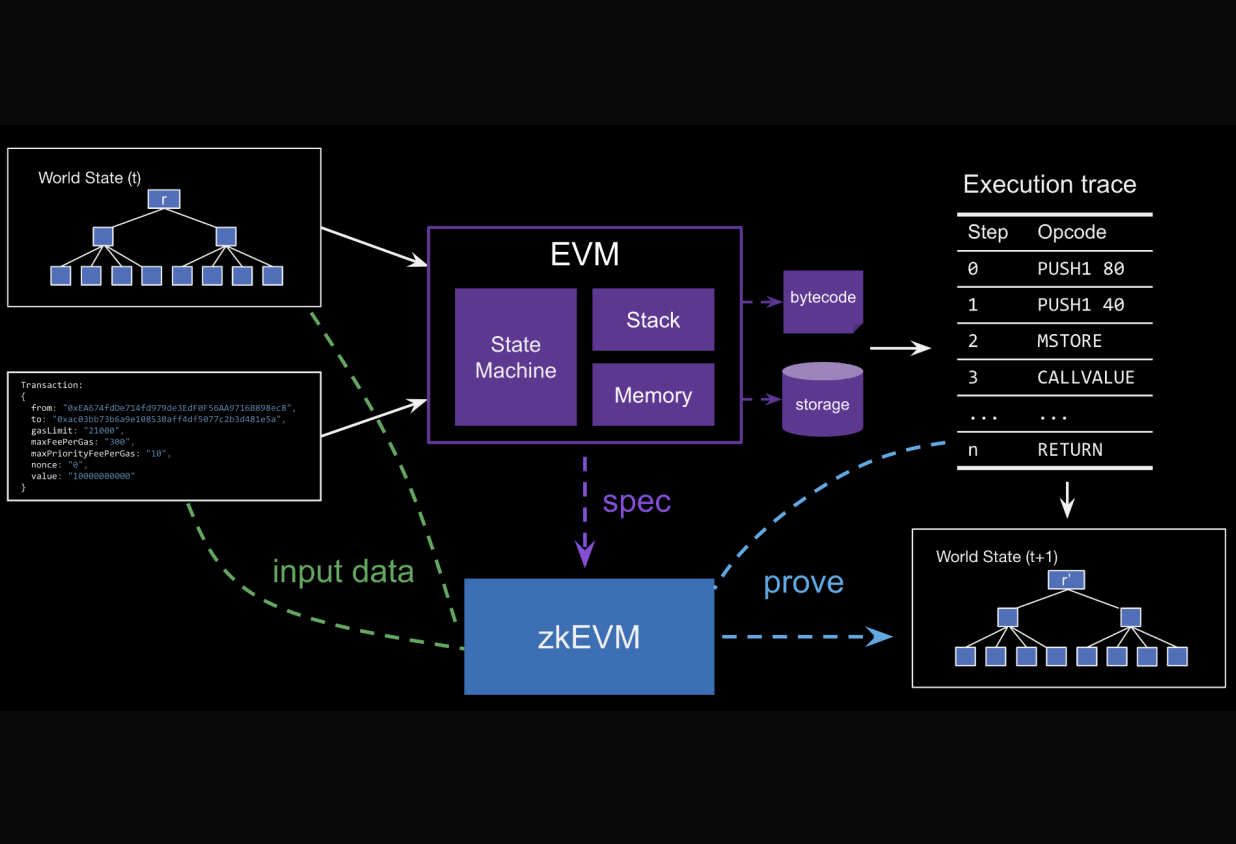
Generate DIDs & issue credentials: Create your Decentralized Identifier (DID) in the wallet and obtain verifiable credentials (VCs) from issuers for on-chain reputation.
-
Add zkTLS for off-chain proofs: Use zkTLS to verify web2 attributes like age or residency without data leaks. Details here.
-
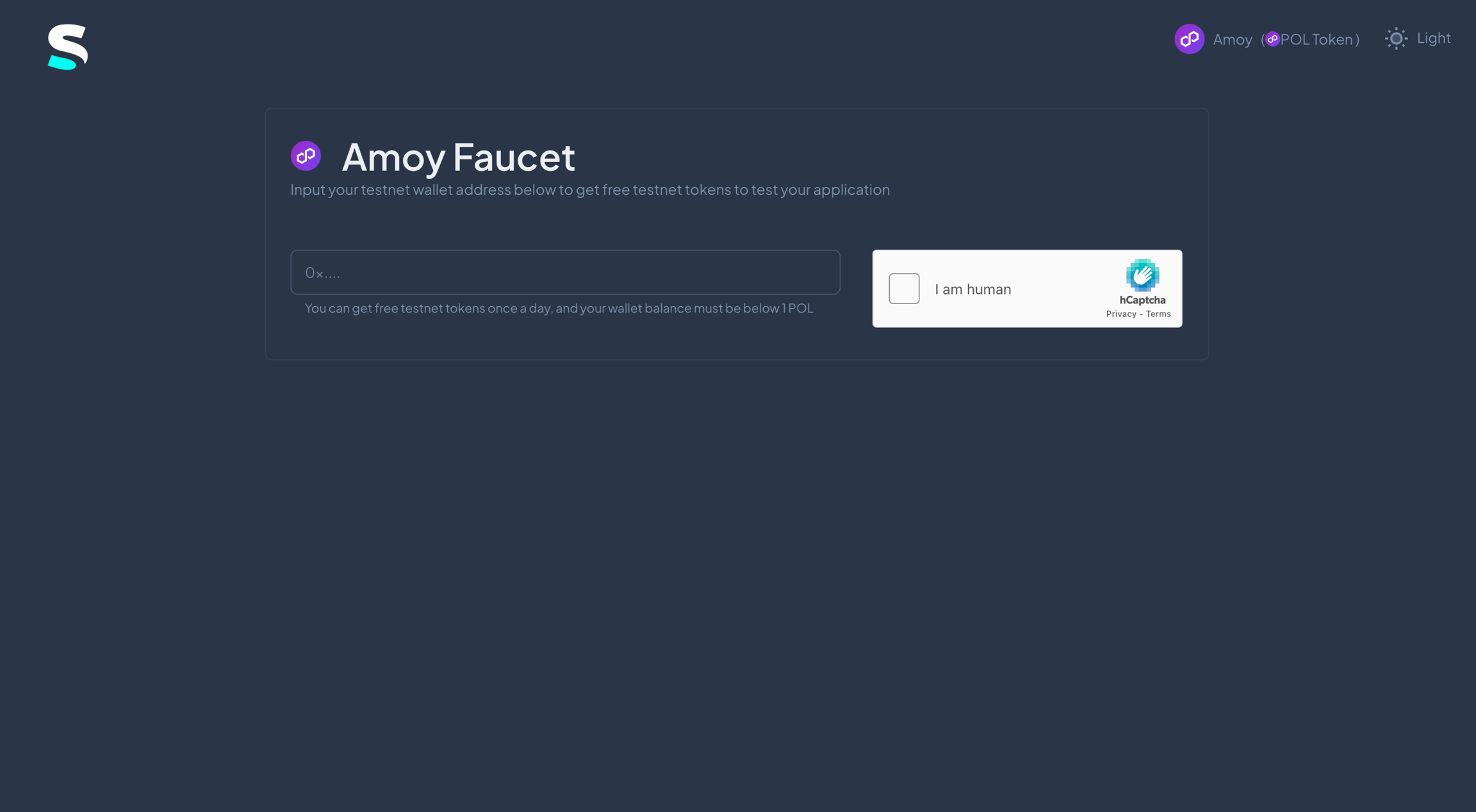
Test on testnets: Experiment with proofs on Polygon Amoy or Ethereum Sepolia testnets to validate selective disclosure before mainnet.
-

Verify in dApps selectively: Integrate with dApps supporting ZK proofs to share only needed info, like ‘human’ or ‘over 18’, boosting reputation privately.
Numbers don’t lie: Concordium’s privacy chains host apps with 10x fewer data breaches than public ones. As ZK hardware accelerates, proof generation drops under 1 second, per recent benchmarks.
We’re at an inflection point. With zkOS scoring wallets, Tria bundling reps, and Chainlink bridging worlds, on-chain reputation wallets deliver self-sovereign control. No more trading privacy for access – you dictate terms. Grab a DID wallets privacy preserving setup today, build your graph of proofs, and step into Web3 where reputation speaks louder than addresses. The future? Ecosystems where trust scales privately, empowering users like you to thrive without compromise.
About the Author