
In the evolving landscape of decentralized networks, zk identity wallets stand out as pivotal tools for achieving genuine self-sovereign participation. These wallets leverage zero-knowledge proofs to let users prove attributes like age or residency without exposing underlying data, transforming how we interact in Web3 ecosystems. As regulatory pressures mount and privacy concerns escalate, the shift from centralized identity providers to self sovereign identity wallets feels not just timely, but inevitable.
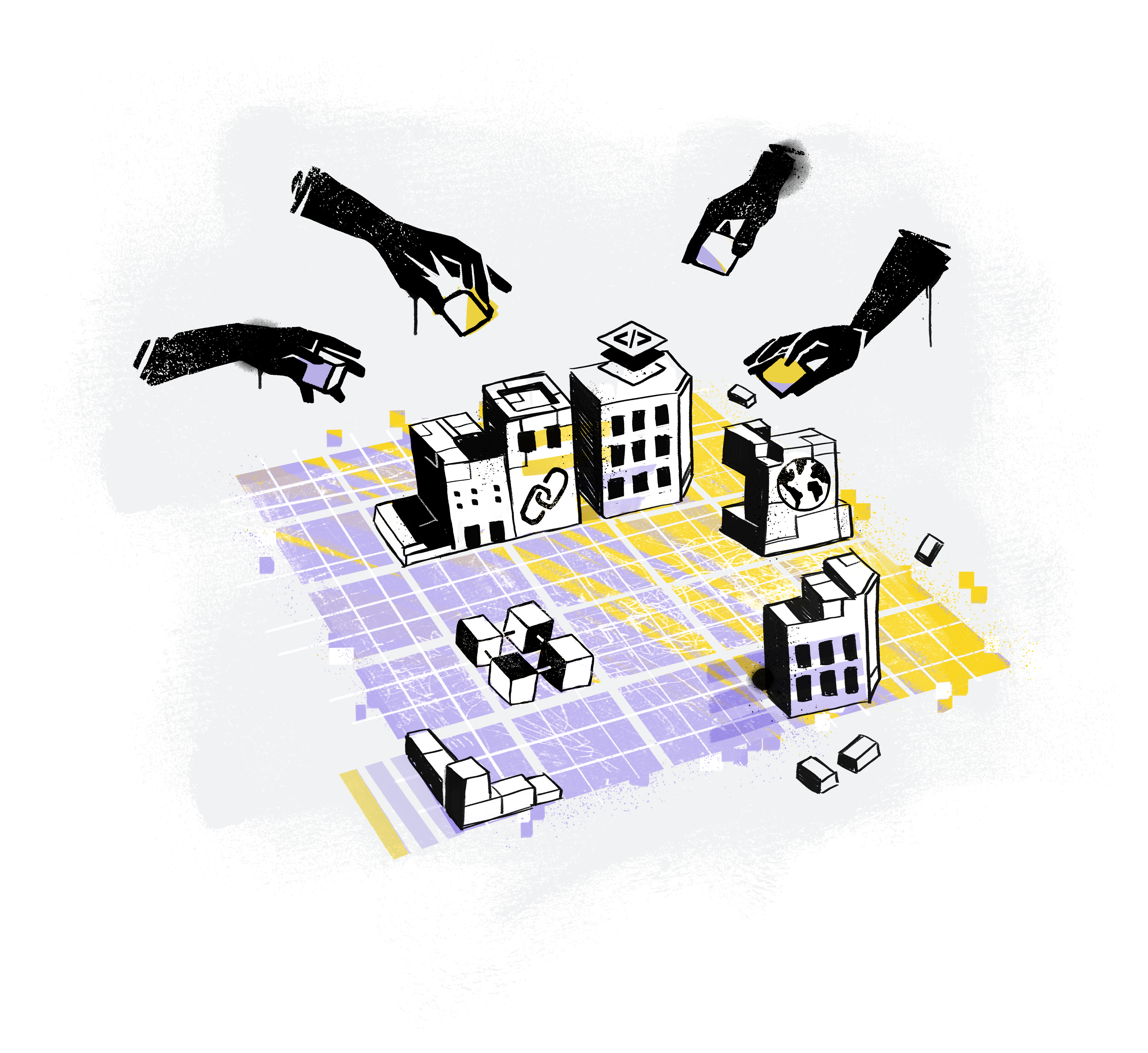
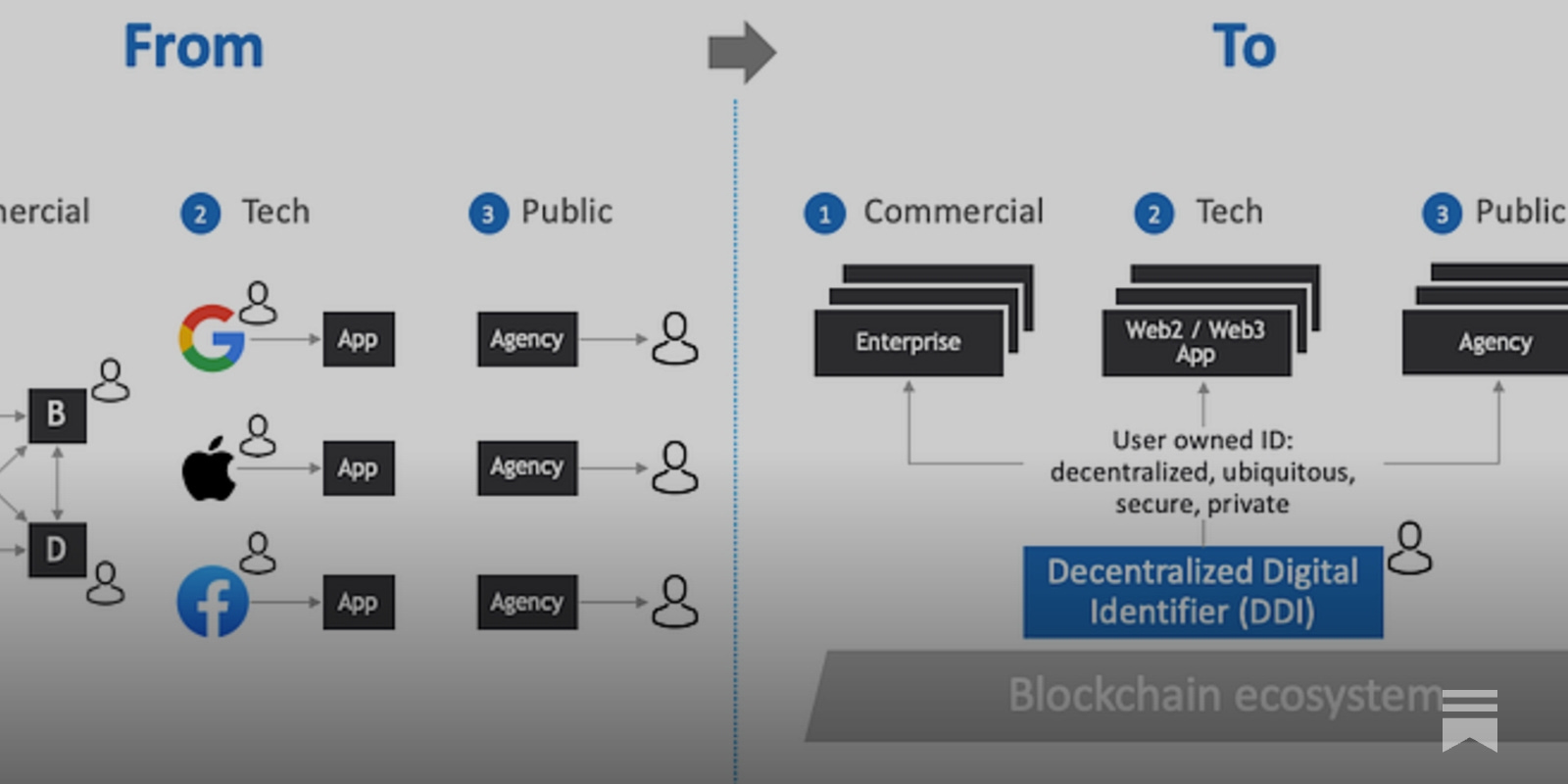
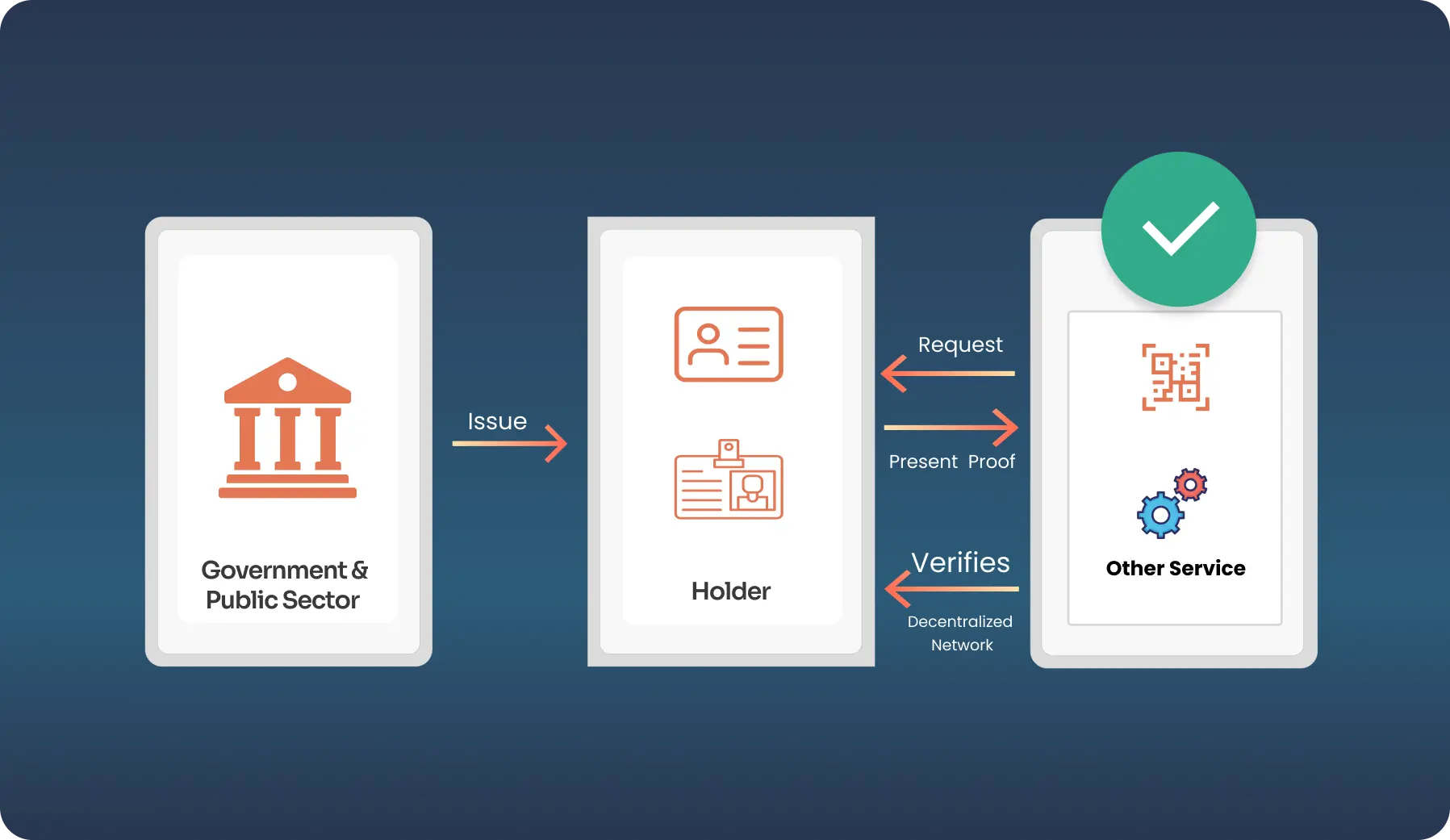
Traditional digital identities, tethered to platforms like Google or governments, create silos of control where users trade privacy for convenience. Decentralized identity DID wallets flip this script, rooting ownership in blockchain primitives such as decentralized identifiers (DIDs) and verifiable credentials. Recent analyses, including a comprehensive SoK on self-sovereign digital identities, underscore how this model empowers individuals to manage assertions independently, sidestepping intermediary risks.
Unlocking Privacy Through Zero-Knowledge Cryptography
At the core of a privacy preserving identity wallet lies zero-knowledge cryptography, a technique where one party proves a statement’s truth without revealing extra information. Imagine verifying you’re over 18 for a DeFi loan without sharing your birthdate; that’s the promise of zero knowledge identity proofs. Polygon ID exemplifies this, integrating with Polygon DAO to enable zk-based governance where voters prove eligibility anonymously.
Self-sovereign identity offers a decentralized solution by leveraging cryptographic technologies to enhance identity security, privacy, and authentication.
This isn’t theoretical. zkMe’s expansion to Solana allows minting of identity Soulbound Tokens, binding proofs to wallets without on-chain data leaks. Such innovations address long-standing vulnerabilities in centralized systems, where breaches expose millions. By 2026, projections peg the self-sovereign identity market at $6.64 billion, driven by EU mandates requiring digital identity wallets in every member state and a broader decentralized identity market swelling to $7.4 billion.

Key Features Defining Modern zk Identity Wallets
Essential ZK Identity Wallet Features
-
Decentralized Identifiers (DIDs): Unique, user-controlled identifiers per W3C standards, enabling self-sovereign identity without central authorities, as in ZKId.
-
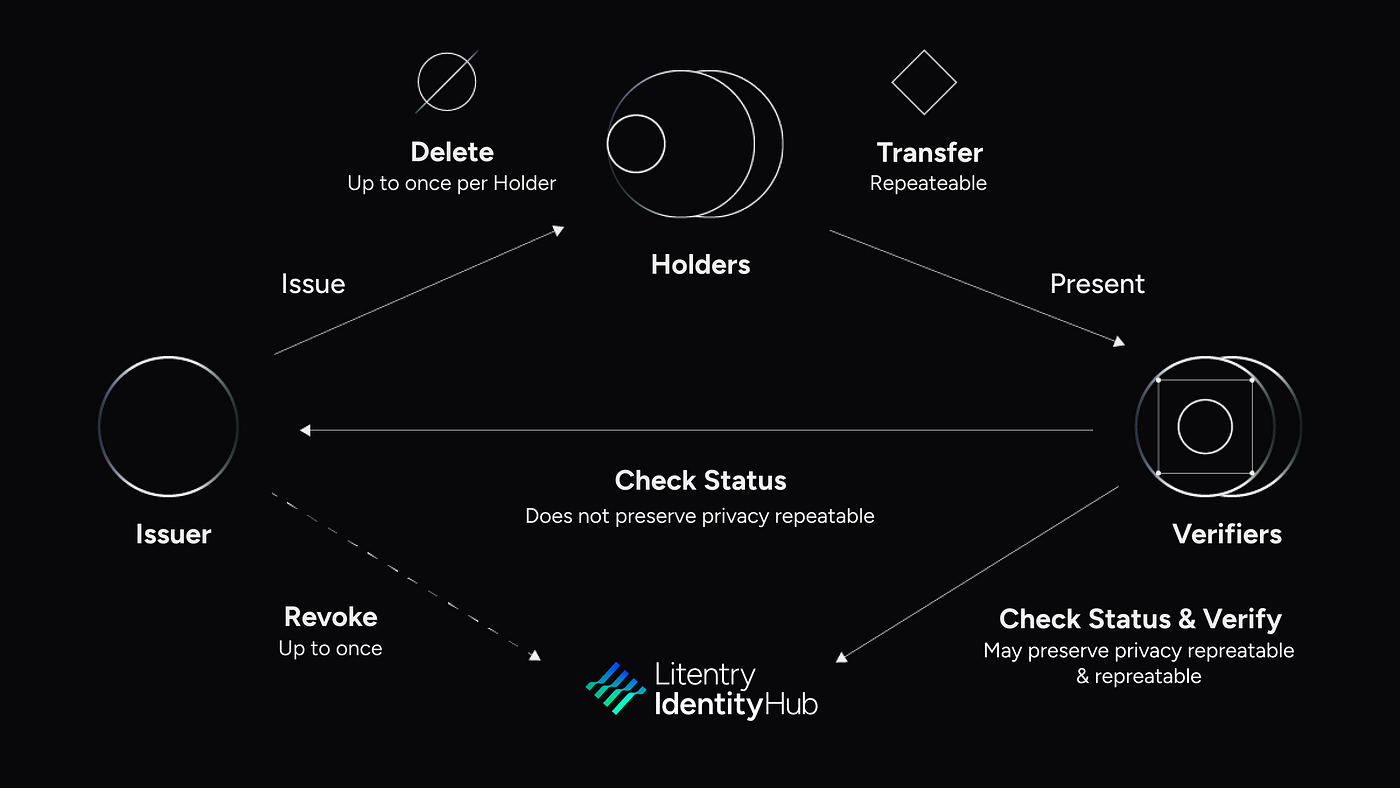
Verifiable Credentials (VCs): Cryptographically signed digital credentials allowing selective disclosure of attributes, foundational to SSI per W3C specs.
-
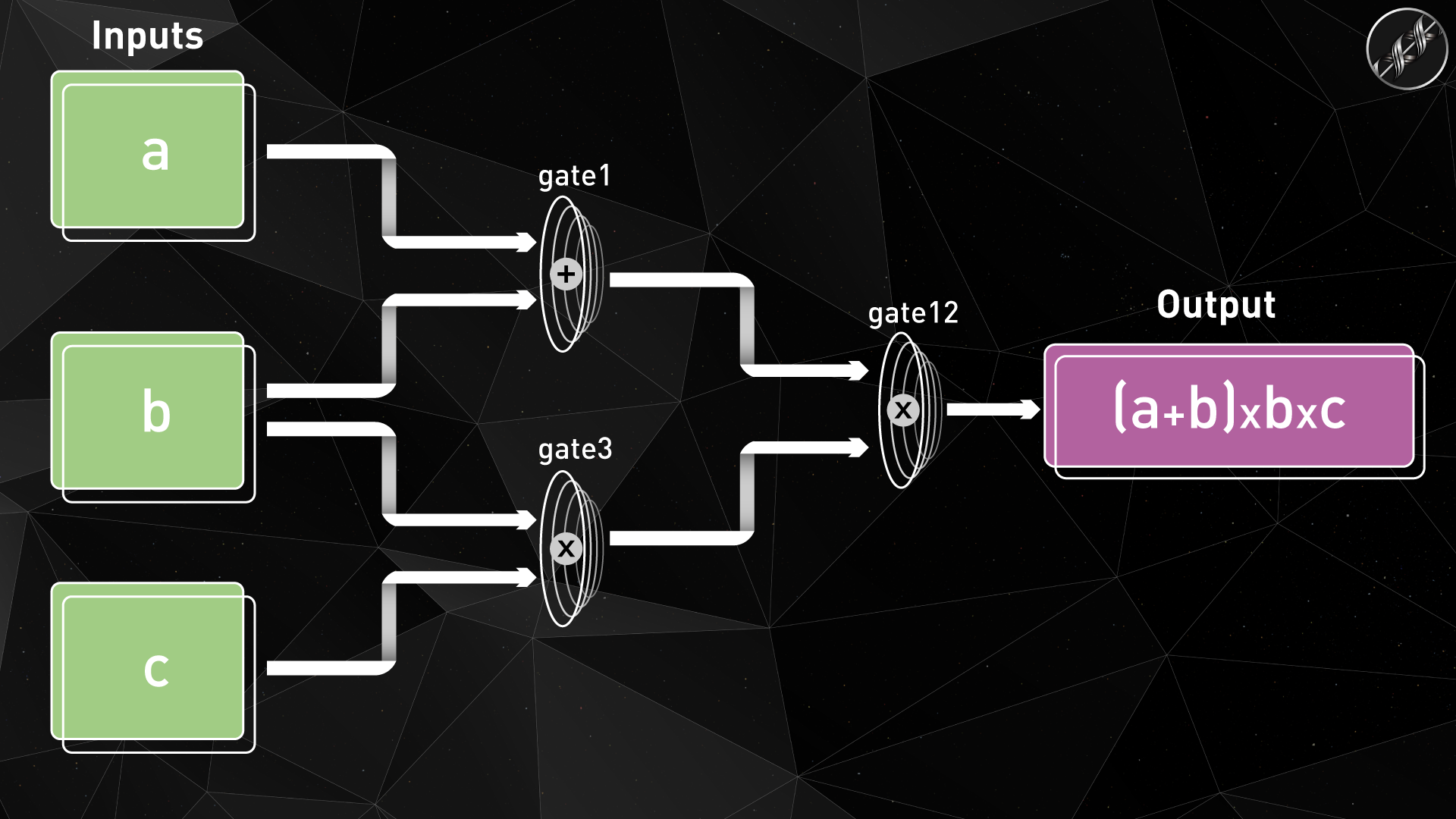
Zero-Knowledge Proofs (ZK Proofs): Cryptographic methods proving claims without revealing underlying data, powering privacy in Polygon ID and zkMe.
-
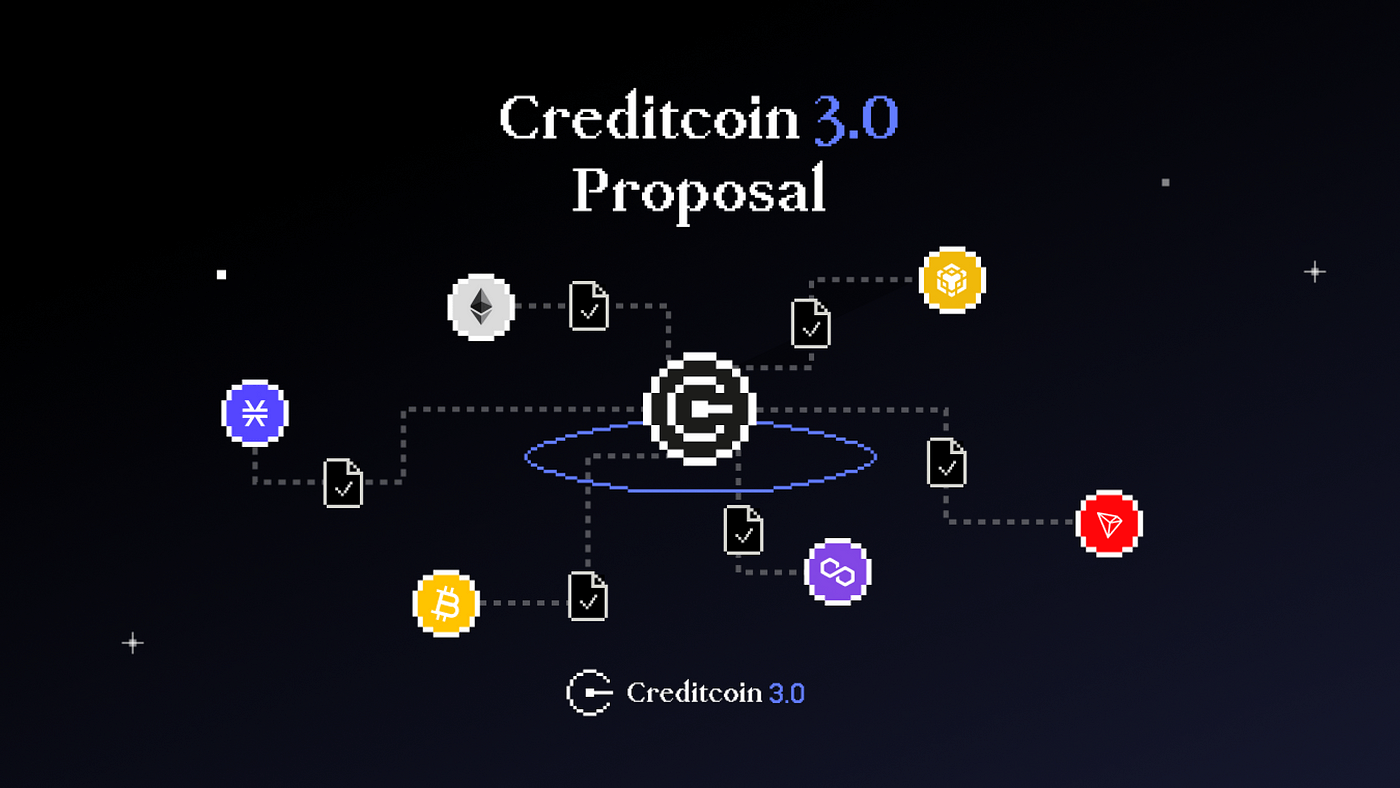
Multi-Chain Support: Compatibility across blockchains like Polygon, Solana, and Celo, facilitating interoperable identity as in zkMe’s Solana expansion.
-

Soulbound Tokens (SBTs): Non-transferable tokens binding identity data to wallets, enhancing privacy control via zkMe on Solana.
These features coalesce into robust ecosystems. DIDs provide unique, user-controlled identifiers, while verifiable credentials act as tamper-proof digital passports. Multi-chain compatibility, as seen in zkMe’s Solana pivot, ensures fluidity across networks like Ethereum and Polygon. Self Protocol on Celo adds human uniqueness verification, crucial for Sybil-resistant applications from DAOs to airdrops.
Bridging Web2 and Web3 with Self-Sovereign Tools
zk identity wallets excel at interoperability, allowing seamless transitions between legacy Web2 services and emerging Web3 protocols. ZKId, for instance, equips users with full control over data sharing, enabling selective disclosure in scenarios like KYC for exchanges or access control in dApps. This modularity disrupts rigid frameworks, fostering trustless environments where participation hinges on proofs, not permissions.
Consider governance: Polygon ID’s zk framework lets DAO members vote without doxxing, preserving pseudonymity vital for open networks. Similarly, CSSI frameworks propose blockchain-based access control, extending SSI to enterprise use cases. As surveys of the SSI ecosystem note, this evolution traces back to identity’s origins, now culminating in tools that prioritize user agency over corporate gatekeeping.
Market momentum reinforces this trajectory. With SSI positioned as the next identity paradigm, adoption surges amid privacy scandals and data sovereignty demands. Developers building on these wallets gain modular kits for embedding zero knowledge identity proofs, accelerating decentralized apps that scale securely.
Modular kits from platforms like Self Protocol lower barriers for developers, offering plug-and-play modules for verifying human uniqueness in everything from NFT drops to decentralized social networks. This developer-friendly approach not only speeds deployment but also embeds privacy by design, a discipline too often absent in haste-driven builds.
Real-World Applications Driving Adoption
zk identity wallets shine in practical scenarios where privacy intersects with utility. In DeFi, users prove creditworthiness via zero knowledge identity proofs without exposing financial histories, unlocking loans on platforms like Aave without KYC overreach. DAOs leverage Polygon ID for anonymous yet verifiable voting, curbing plutocracy while maintaining fairness.
Comparison of zk Identity Wallets
| Wallet | Blockchain | Key ZK Features | Primary Use Cases |
|---|---|---|---|
| ZKId | Multi-chain | DIDs and VCs, Privacy control | KYC/dApps |
| zkMe | Solana/Eth | Soulbound Tokens, Verification | Multi-chain ID |
| Polygon ID | Polygon | ZK governance | DAO voting, Web3 trust |
| Self Protocol | Celo | Human uniqueness | Sybil resistance, Web2/Web3 apps |
These applications extend to gaming, where self sovereign identity wallets confirm ownership of rare traits sans metadata leaks, and socialFi, enabling pseudonymous interactions with proven affiliations. zkMe’s Solana integration, for example, mints non-transferable tokens tying identity to actions, perfect for reward systems resistant to farming exploits.
Overcoming Hurdles in zk Identity Ecosystems
Despite promise, zk identity wallets face interoperability snags across chains and the computational heft of proof generation. User experience remains a sticking point; generating proofs demands gas fees and wallet savvy that intimidate newcomers. Yet, solutions emerge: lighter zk-SNARK variants and layer-2 scaling reduce costs, while intuitive interfaces from ZKId prioritize seamless onboarding.
ZK ID Wallet Challenges & Solutions
-
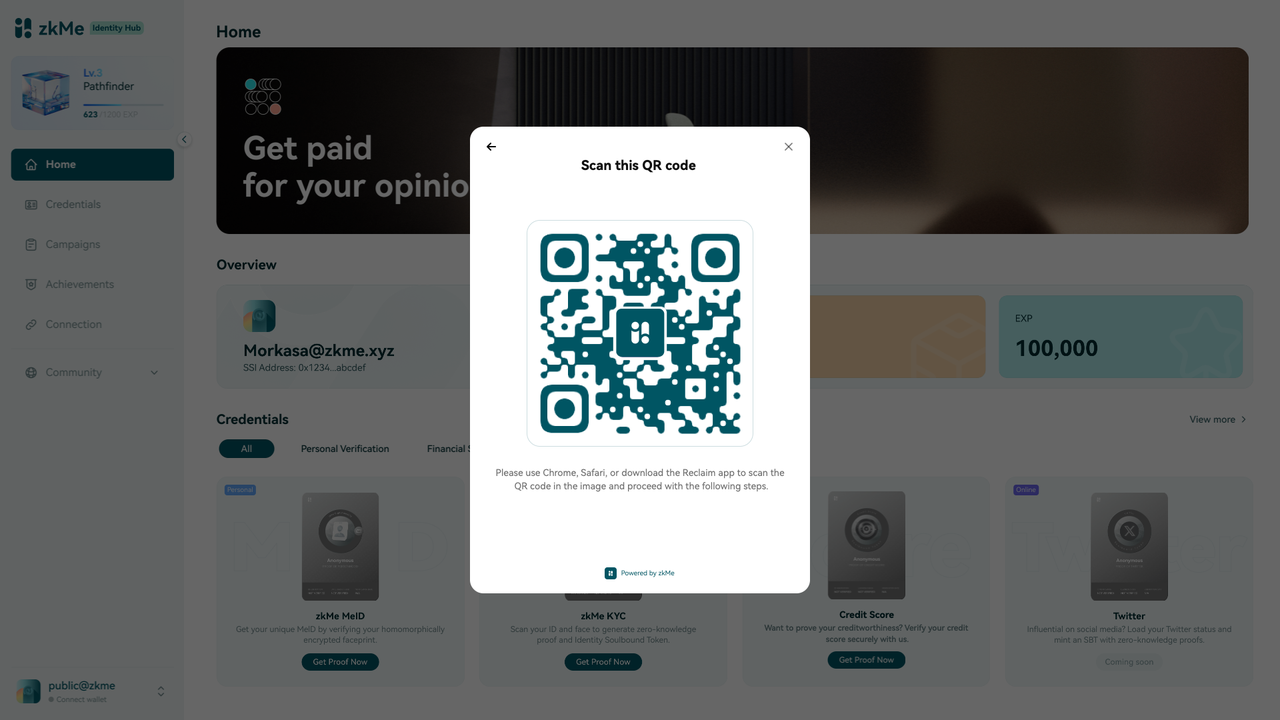
Interoperability: Limited cross-chain support. Solution: Cross-chain bridges like zkMe on Solana.
-
UX Friction: Complex interfaces deter users. Solution: Intuitive apps with modular tools, e.g., Self Protocol on Celo.
-
Proof Computation: High resource demands for ZK proofs. Solution: Optimized zk-SNARKs in Polygon ID.
-
Adoption: Low awareness hinders uptake. Solution: Education & incentives for $6.64B market by 2026.
-
Regulatory Fit: Privacy vs. compliance tension. Solution: Selective disclosure with ZKId ZK proofs.
Regulatory landscapes, from EU’s wallet mandates to global data laws, favor SSI by design. Frames like CSSI integrate access control, proving attributes for compliance without full disclosure. This selective revelation aligns privacy preserving identity wallet tenets with legal realities, positioning them as compliant alternatives to invasive surveillance models.
Surveys mapping the SSI ecosystem reveal a maturing field, evolving from theoretical roots to battle-tested tools. With decentralized identity markets eyeing $7.4 billion by 2026, and SSI carving out $6.64 billion, incentives align for mass uptake. Blockchain enthusiasts and privacy advocates flock to decentralized identity DID wallets, drawn by sovereignty’s allure.
Visionaries see zk wallets as the backbone of a trust-minimized internet, where participation demands no surrender of self. Developers iterating on these primitives craft networks resilient to censorship and breaches alike. As tools like Polygon ID and zkMe proliferate, self-sovereign participation ceases being niche; it becomes the default for decentralized life, empowering users to navigate Web3 with unyielding control and discretion.
About the Author