
Web3 promised liberation from centralized gatekeepers, yet repetitive KYC checks chain users to endless data disclosures across DeFi platforms, NFT marketplaces, and DAOs. Enter self-sovereign identity wallets: digital vaults where you own your identity, prove attributes via reusable ZK credentials, and slash verification friction without baring your soul. These tools aren’t hype; they’re the pragmatic fix for Web3’s compliance hangover.

Picture this: you complete KYC once with a trusted issuer, mint a zero-knowledge proof of age or residency, then reuse it indefinitely. No more uploading passports to every dApp. Projects like zkMe’s zkKYC deliver FATF-compliant verifications where platforms see only what’s needed, nothing more. Billions Network, evolved from Polygon ID, powers this with enterprise-grade verifiable credentials, even extending to AI agents. It’s not theory; Altme wallet users already manage these ZK assets for seamless smart contract interactions.
Decoding the KYC Nightmare in Web3
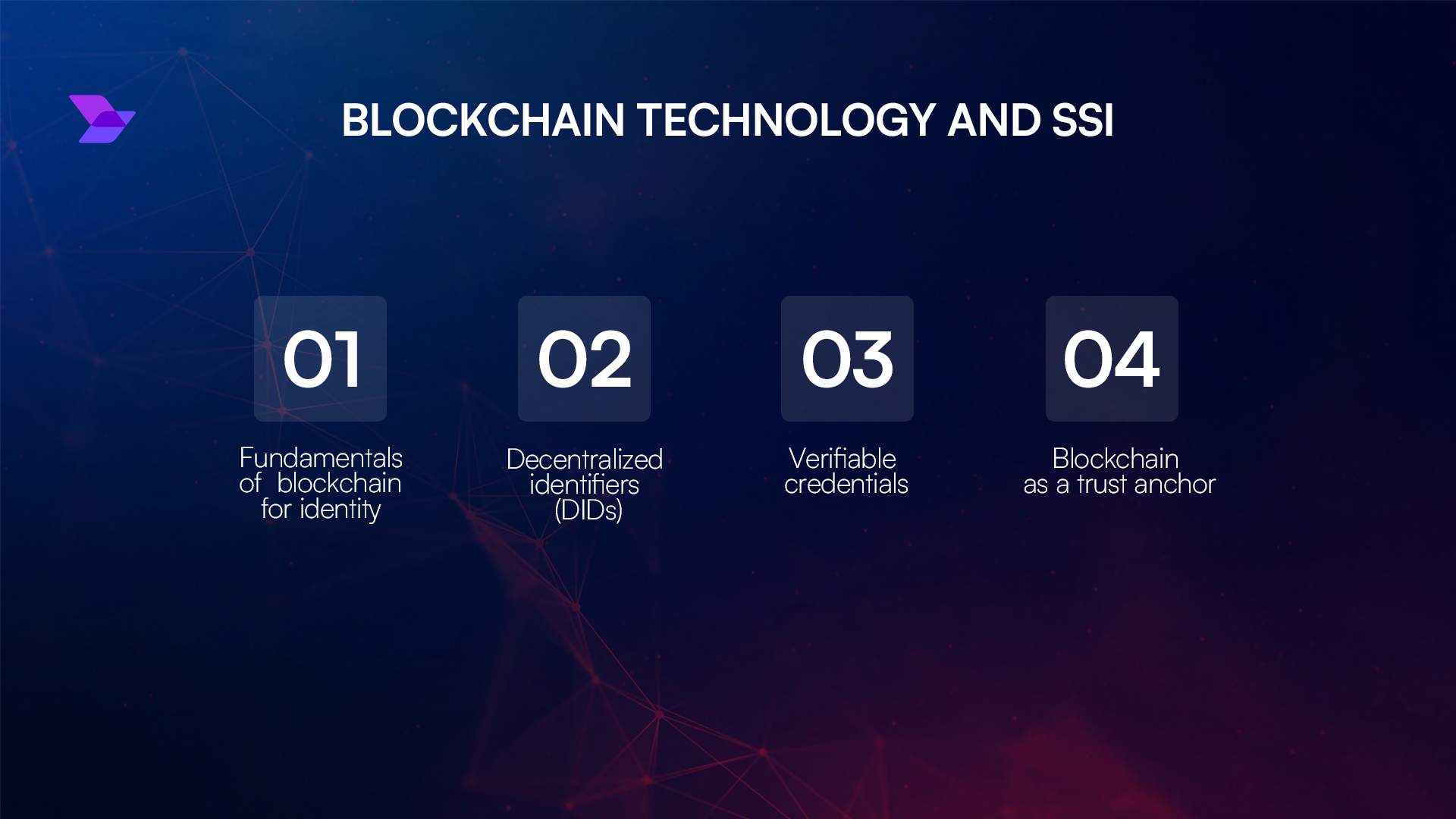
Today’s Web3 KYC is a relic of Web2 thinking. Users fork over IDs repeatedly, risking data breaches and privacy erosion. Platforms face ballooning costs and regulatory whack-a-mole. According to recent insights from Dock Labs and 101 Blockchains, over 60 identity apps vie for solutions, but most centralize control. SSI flips the script: DIDs (decentralized identifiers) and VCs (verifiable credentials) let you control issuance, storage, and selective disclosure.

Take Verida’s interoperable credentials: they bridge KYC, licenses, and ZK proofs across ecosystems. Block Identity bridges Web2-Web3, offering user-owned creds for cross-platform trust. This isn’t incremental; it’s a paradigm where friction evaporates, adoption surges.
How Reusable ZK Credentials Reshape Verification
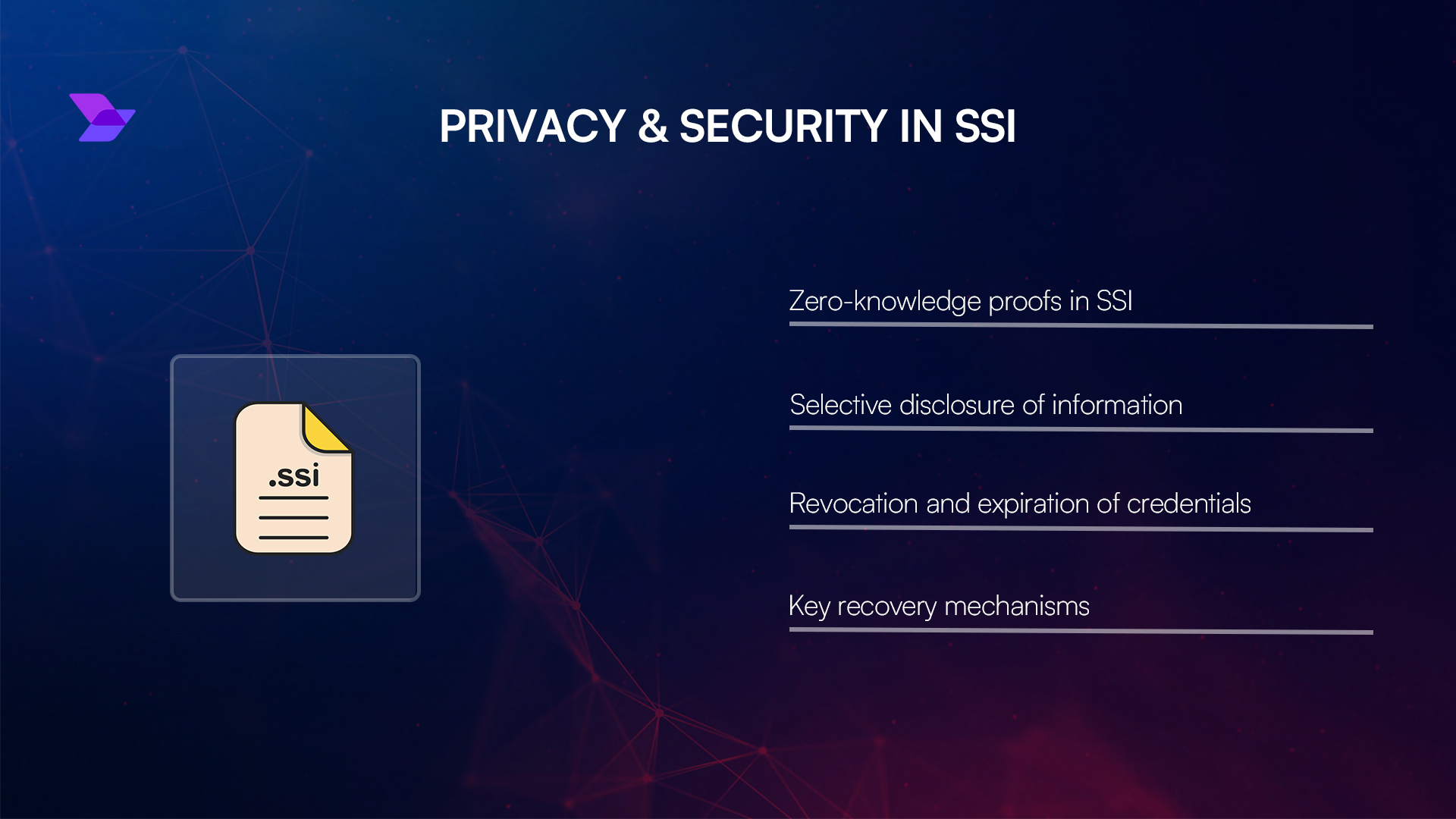
Zero-knowledge proofs are the secret sauce. Prove you’re over 18 or a US resident without revealing your birthdate or address. Mina Protocol nails it: ZKPs with DIDs verify attributes invisibly. Medium analyses echo this, redefining privacy by minimizing exposure while upholding security.
Key Advantages of Reusable SSI Credentials
-
1. One-time KYC Reuse: Verify once with zkMe’s zkKYC service and reuse across platforms, per FATF standards.
-
2. Privacy via ZK Proofs: Prove attributes without data exposure, as in Billions Network and Altme PolygonID integrations.
-
3. Interoperability Across dApps: Seamless use with Verida credentials and interID modular verification across ecosystems.
-
4. Regulatory Compliance Sans Silos: FATF-compliant like zkMe, user-controlled without central data storage.
-
5. Reduced Costs for All: Eliminate repeat KYC fees for platforms and users via reusable ZK credentials.
Academic papers like LinkDID propose Sybil-resistant schemes with selective disclosure and key recovery. interID tackles verifier fragmentation, orchestrating ecosystem services for true interoperability. Hands-on? Check this zk identity wallet setup guide for actionable steps.
Leading SSI Wallets Crushing KYC Barriers
Hypersign targets RWAs with privacy-centric KYC. Iden3’s zk-native protocol offers programmable primitives. ndlabs. dev argues wallets will eclipse passwords, unlocking fluid auth. Binance charts the stack: from DIDs to ZK layers.
Billions Network stands out for scale, integrating with Altme for direct ZK claims. Users interact privately with dApps, proving humanity or compliance sans oversharing. For devs, open-source libs accelerate builds. Privacy advocates, rejoice: DID wallets privacy is no longer optional; it’s default.
Reusable SSI credentials aren’t a distant dream. They’re live, battle-tested, and scaling. As Web3 matures, these zk identity wallets will dictate winners: those prioritizing user sovereignty or clinging to outdated models. Dive deeper via reusable KYC in Web3, and reclaim your digital self.
DeFi lenders like Aave or Compound could verify borrower accreditation via a single ZK proof from Billions Network, skipping the paperwork shuffle. RWAs on Hypersign platforms confirm ownership without doxxing investors. DAOs onboard contributors with Verida’s licensing creds, proving skills minus resumes. These aren’t edge cases; they’re the blueprint for web3 KYC alternatives that scale.
Top SSI Wallets for Web3 KYC
| Wallet | Key Features | Supported Chains | Privacy Level |
|---|---|---|---|
| zkMe 🔐 | • zkKYC • FATF-compliant |
Multi-chain | High 🛡️🛡️🛡️ |
| Billions Network 🌐 | • Enterprise focus • AI agents • Verifiable Credentials |
Polygon, Ethereum | High 🛡️🛡️🛡️ |
| Verida 🔗 | • Interoperable KYC/ZK • Regulatory-compliant credentials |
Multi-chain | High 🛡️🛡️🛡️ |
| Altme 📱 | • PolygonID integration • ZK credentials for dApps |
Polygon | High 🛡️🛡️🛡️ |
| Block Identity 🌉 | • Web2-Web3 bridge • User-owned credentials |
Multi-chain | High 🛡️🛡️🛡️ |
zkMe’s zkKYC shines for compliance hawks, bundling ZKPs with regulatory nods so platforms trust proofs without liability headaches. Billions Network, post-rebrand, pushes boundaries by arming AI with verifiable humanity checks, a prescient move as agents flood Web3. Verida’s agnostic approach federates issuers, letting one credential fuel DeFi, gaming, and governance. Block Identity demystifies the Web2 handoff, handing users portable creds that dApps gobble up. Altme’s PolygonID tie-in? Pure velocity for ZK claims in daily dApp flows.

This stack isn’t static. interID’s modular verifiers knit fragmented ecosystems, dodging the ‘works on my chain, not yours’ trap. LinkDID layers in Sybil defenses and recovery, making SSI robust for high-stakes apps like tokenized treasuries. Developers, grab Iden3’s open libs for zk primitives; they’re battle-ready.
Actionable Steps to Launch Your SSI Wallet
SSI Wallet Quick-Start Guide
-
2. Connect to Billions Network (ex-Polygon ID) issuer for verifiable credentials.
-
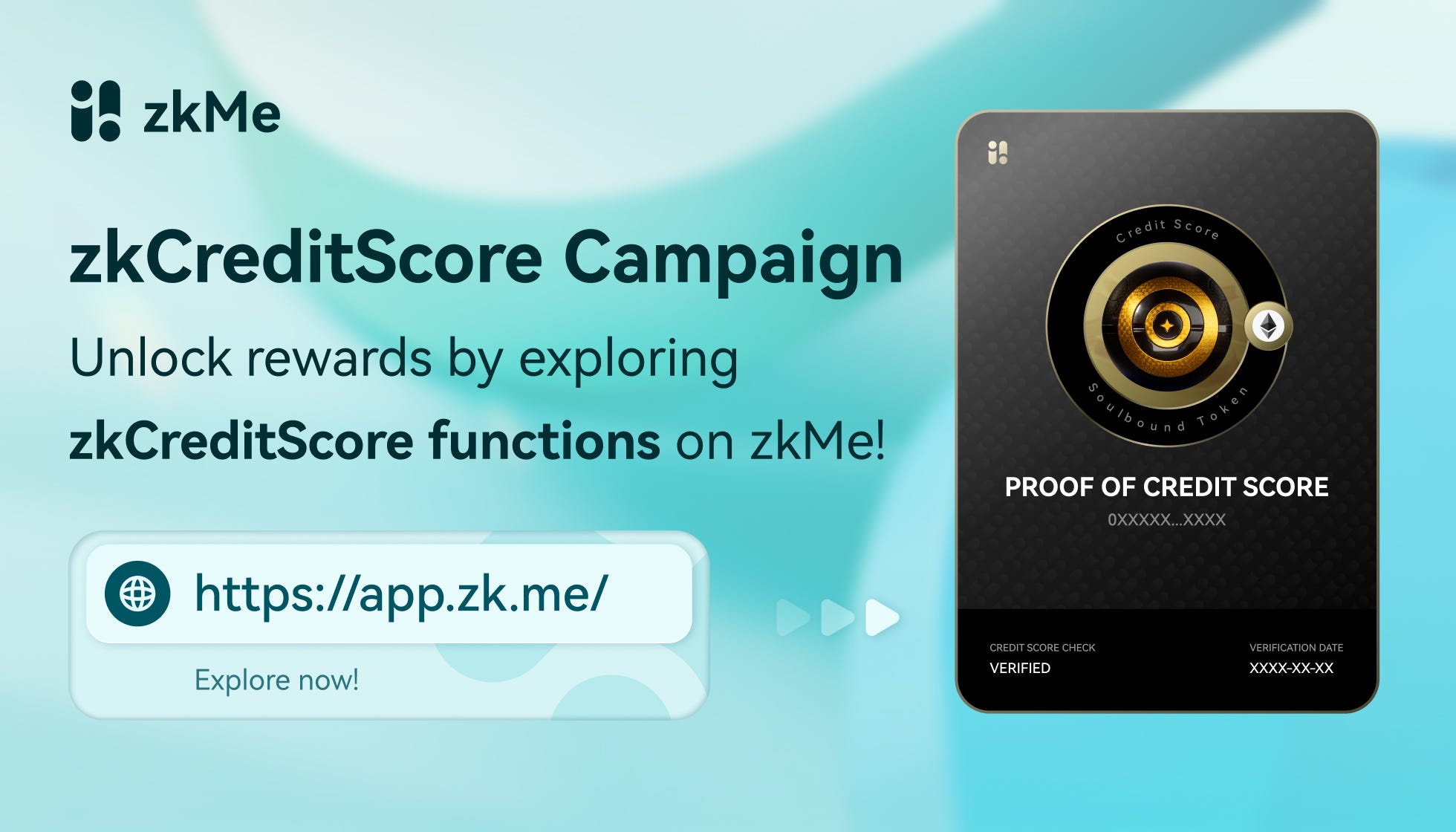
3. Complete one-time KYC (e.g., via zkMe zkKYC) to mint reusable ZK credential.
-
4. Test selective disclosure on a dApp like Moralis-integrated tools.
-
5. Reuse ZK credentials across DeFi/NFTs for frictionless verification.
Privacy maximalists favor DID wallets privacy setups via this comparison. Swap custodial logins for sovereign control; it’s like upgrading from rented apartments to owned fortresses. Costs plummet: platforms ditch server farms for on-chain verifies, users axe upload fatigue.
Challenges linger, sure. User education lags, key management spooks newbies, and regulators eye ZK opacity. Yet solutions accelerate: zkMe proves FATF harmony, interID standardizes checks. Adoption metrics scream momentum; 101 Blockchains logs 20 and tools live across finance to healthcare. Mina’s lightweight ZK pairs with DIDs for mobile-first wins.
Web3’s identity layer matures unevenly, but reusable SSI credentials tip the scales. Forget perpetual KYC drudgery; wield zero-knowledge identity verification as your edge. Platforms ignoring this? They’ll bleed users to SSI natives. For orgs, integrate via portable on-chain identity playbooks. Individuals, bootstrap today: your future self, untraceable yet verified, awaits.
SSI wallets herald Web3’s privacy renaissance. Reusable ZK creds don’t just end friction; they forge trust at internet scale. Experiment, iterate, own your slice of the sovereign web.
About the Author