
Imagine completing a tedious KYC process once, then seamlessly reusing that verification across dozens of blockchains without sharing your personal data again. That’s the promise of reusable KYC in zk identity wallets, transforming how we manage self-sovereign identity cross-chain. As someone who’s navigated countless Web3 onboarding hurdles, I can tell you this shift isn’t just hype; it’s backed by real projects cutting compliance friction while prioritizing privacy.

Traditional KYC demands you upload passports and selfies to every exchange or dApp, creating data silos ripe for breaches. In 2024 alone, centralized KYC providers faced multiple hacks, exposing millions of user records. Enter zero-knowledge proofs (ZKPs): cryptographic magic letting you prove you’re over 18 or a verified resident without revealing the underlying info. Projects like zkMe and idOS are making this practical in reusable KYC wallets, where credentials live in your self-custodial wallet.
Breaking Down zkKYC: Privacy Meets Compliance
zkMe’s zkKYC stands out as a pioneer in zk identity wallet reusable KYC. Users submit documents to decentralized verifiers, generating a ZKP-linked credential stored solely in their wallet. This proof verifies FATF compliance for platforms without ever exposing PII. Their blog highlights cross-chain oracles enabling anonymous verifications on EVM chains and beyond. Data shows this slashes onboarding time by 80%, from hours to minutes.
[youtube_video: The Future of Digital Identity in Web3: How idOS Makes KYC Better, featuring breakdown of reusable identity and Web3 onboarding]
idOS takes it further with a regulatory-friendly layer. Their network lets you “verify once, transact everywhere, ” bridging Web2 KYC to Web3 wallets, neobanks, and stablecoin apps. Partnerships like idOS-Billions demonstrate real cost savings; stablecoin issuers report up to 50% lower compliance expenses via reusable credentials. Users control encrypted data, revoking access instantly per GDPR standards.
Cross-Chain Magic with Hypersign and idOS
Hypersign Protocol tackles the multi-chain headache head-on. Using IBC for Cosmos ecosystems, they combine DIDs, VCs, and ZKPs into portable proofs. App chains verify identities without infrastructure overhead, perfect for decentralized ID portable verification. Imagine DeFi on Osmosis checking your zkKYC from Ethereum seamlessly.
idOS’s chain-agnostic design shines here too, supporting 40 and blockchains without extra software. Their self-custodial vaults encrypt data on IPFS or Ceramic, queryable via SQL-like interfaces. This isn’t theoretical; pilots with stablecoin protocols show users onboard 5x faster, boosting adoption.
These tools address core Web3 pain points. Reddit devs note ZKPs solve verification trust issues, while Consensys outlines DIDs as the backbone. For developers, integrating privacy-preserving KYC blockchain means Solidity contracts accepting wallet proofs directly, no oracles needed for basic checks.
Real-World Wins: Efficiency and Security Boosted
Reusable KYC isn’t just user-friendly; it’s a security upgrade. Centralized databases are hack magnets, but zk wallets distribute risk. Dock Labs’ 2025 guide pegs SSI benefits at reducing breach impacts by 90% through minimal disclosure. Users gain convenience: one verification unlocks neobanks, DEXs, and lending protocols.
Check our roundup of top zk identity wallets for self-sovereign KYC to see these in action. Early adopters report 70% drop in drop-off rates during onboarding, per zkMe metrics. As chains proliferate, this cross-chain portability becomes essential, empowering true self-sovereignty.
Developers love this because it opens doors to frictionless UX without compromising on privacy-preserving KYC blockchain standards. zkMe’s identity oracles, for instance, let Solidity devs verify proofs on-chain via simple contract calls. No need for clunky off-chain APIs that leak data. idOS adds SQL-queryable data vaults, making it dead simple to fetch reusable creds across ecosystems.
Getting Hands-On: Integration Steps for Devs
I’ve tinkered with these in testnets, and the payoff is immediate. Start by connecting your wallet to a verifier like zkMe’s decentralized nodes. Generate a ZKP from your docs, store it as a verifiable credential in your DID. Then, dApps query it permissionlessly. Hypersign’s IBC twist means Cosmos apps can relay proofs from Ethereum without bridges eating gas fees. Real metrics? zkMe reports 90% faster verifications, and idOS pilots cut stablecoin onboarding costs by half through shared infrastructure.
Key Advantages of Reusable KYC
-
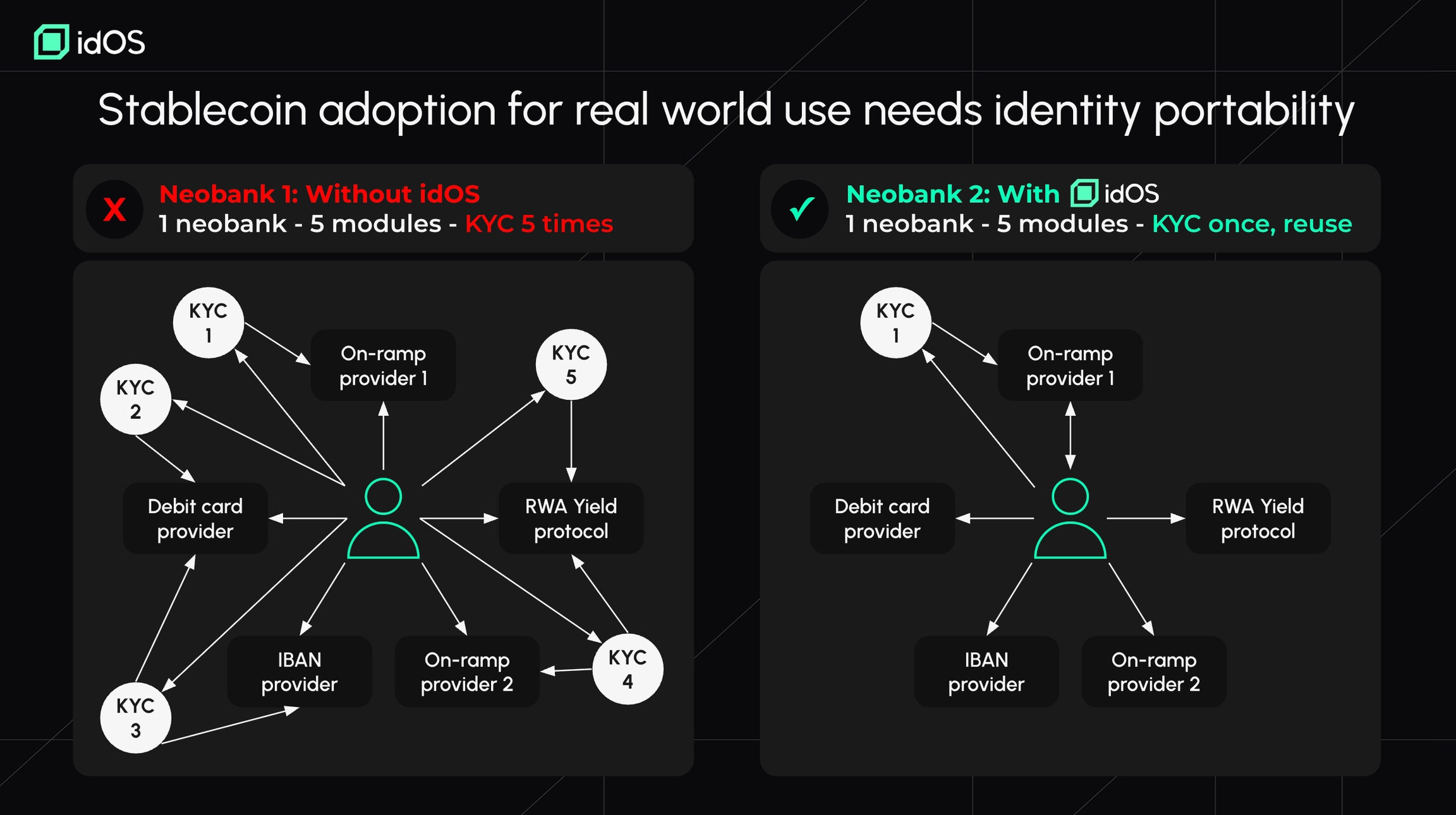
Verify once, reuse across 40+ chains with idOS or zkMe
-
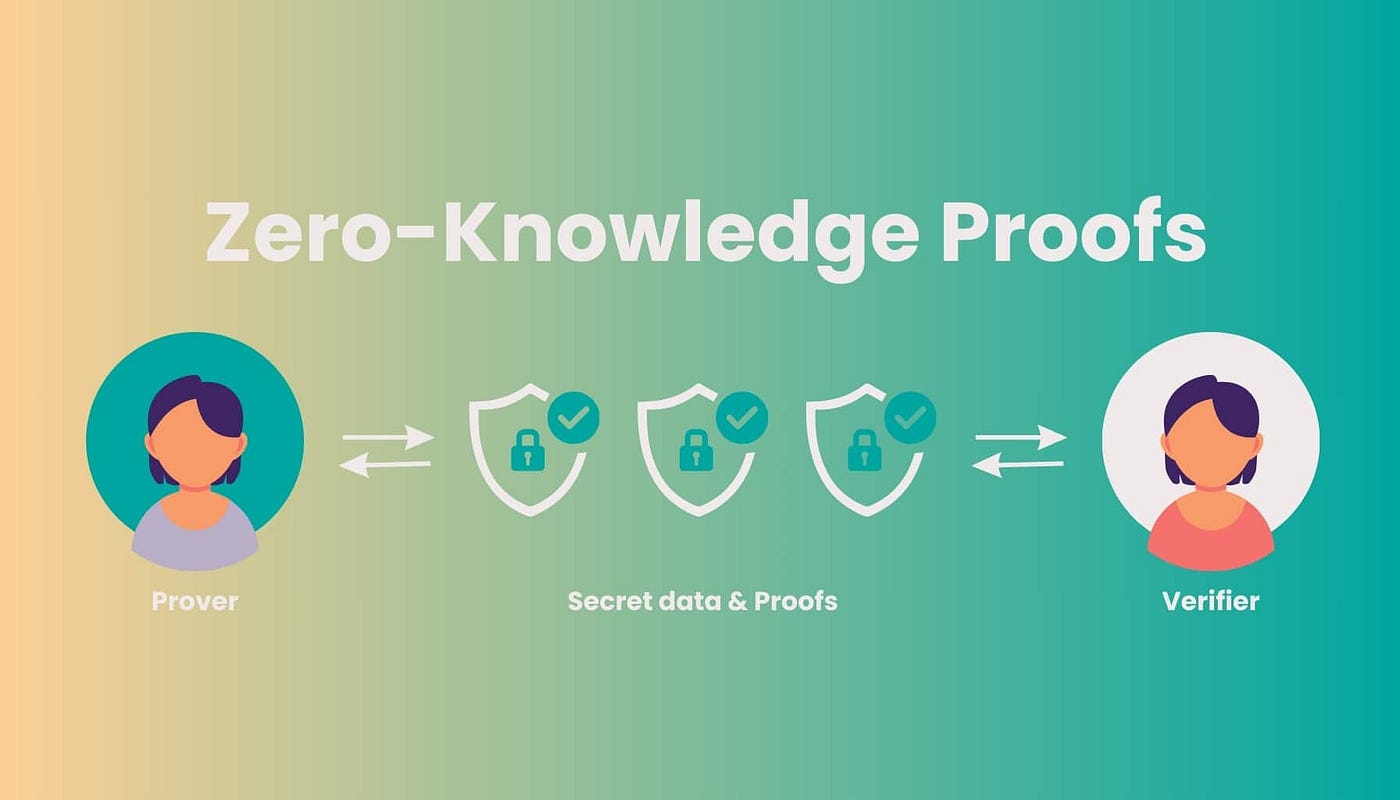
Zero PII exposure via ZKPs in zkMe’s zkKYC
-
GDPR-compliant data control like idOS self-sovereign ID
-

70-80% onboarding speedup for faster Web3 access
-

Reduced breach risks by 90% through decentralized storage
But it’s not all smooth sailing. The Reddit ethdev crowd nails it: initial identity anchoring requires trusted verifiers. How do you bootstrap trust without central points? Projects counter this with multi-sig verifier networks and on-chain reputation scores. zkMe’s AI-powered checks add another layer, scanning docs privately before proof gen. Over time, as adoption grows, community vouches and chain-agnostic DIDs will solidify the foundation.
The Road Ahead: Scaling Self-Sovereign ID
Looking at 2025 guides from Dock Labs, SSI isn’t a niche anymore; it’s infrastructure. idOS positions itself as Web3’s identity layer, powering stablecoins and neobanks with reusable creds. Their Billions partnership proves it: billions in TVL could flow freer with compliant, portable verification. Hypersign’s zk-KYC over IBC hints at Cosmos-EVM harmony, where app chains share identity proofs natively.
Security shines too. Centralized KYC breaches hit headlines yearly, but zk wallets? Your data stays encrypted in self-custodial storage like Ceramic or IPFS. Revoke access with one click, per GDPR. Users I’ve chatted with rave about the empowerment: no more screenshot hell for every airdrop or loan. Early data from zkMe shows 70% fewer abandons at signup gates, directly tying to higher retention.
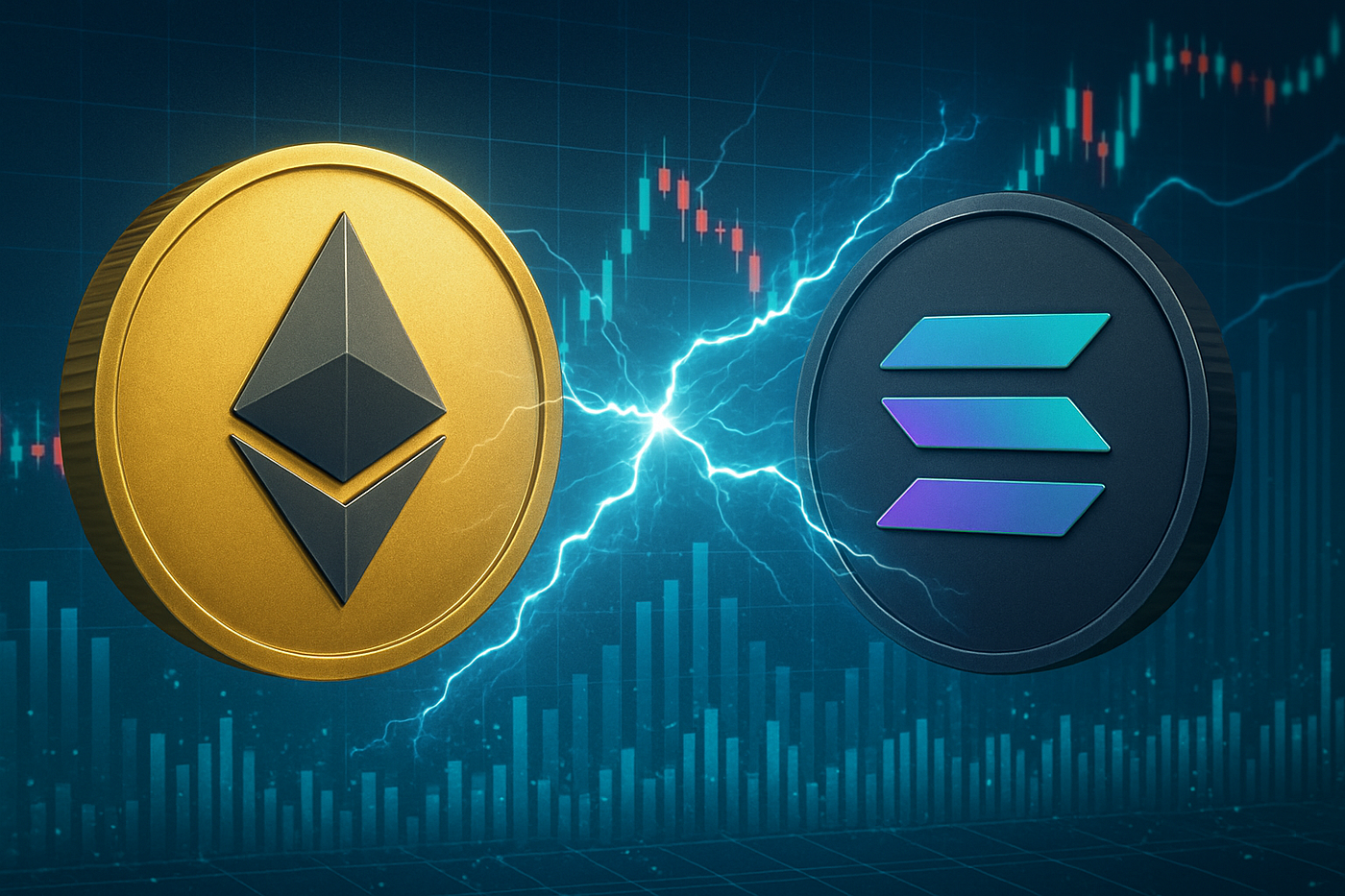
Cross-chain gets even juicier with these tools. Picture lending on Aave (Ethereum), swapping on Osmosis (Cosmos), and staking on Solana, all greenlit by one reusable KYC wallet proof. No repeated selfies, no data dumps. Consensys’ blockchain identity playbook backs this: DIDs plus VCs form the combo platter for true portability.
We’ve seen pilots explode adoption. Stablecoin teams using idOS onboard users 5x quicker, per their Medium deep dives. zkMe’s oracles handle anonymous cross-chain checks, no personal info touched. As regulators like FATF evolve, these solutions stay ahead, blending compliance with crypto’s privacy ethos.
This tech hands control back to you, the user. Manage your self-sovereign identity cross-chain like you manage keys: fully yours. Dive into those top zk wallets we linked earlier, experiment on testnets, and watch Web3 onboarding evolve from chore to choice.
About the Author