
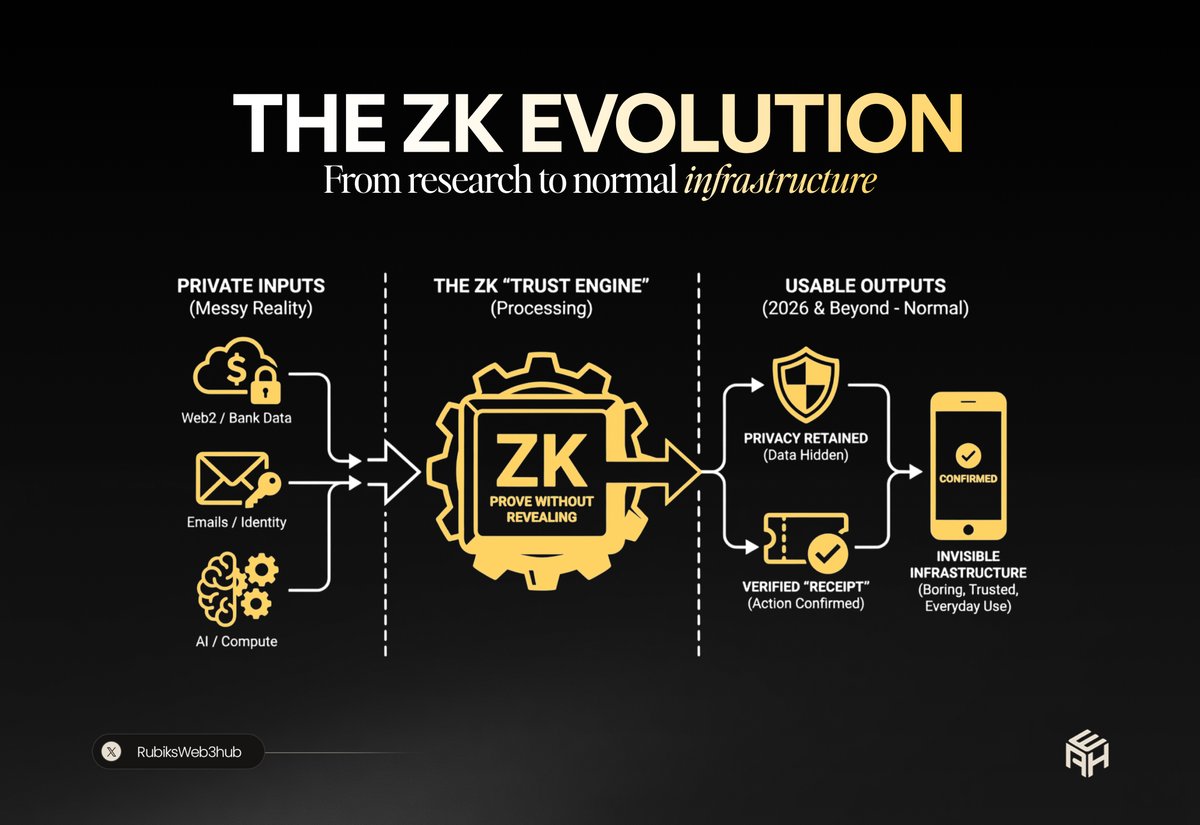
In 2026, the landscape of digital identity has shifted decisively toward privacy-preserving solutions, with zk identity wallets at the forefront of self-sovereign ID management. These tools empower users to control their personal data without relying on centralized intermediaries, leveraging zero-knowledge proofs to verify attributes like age or residency while revealing nothing more. As regulatory pressures mount and data breaches persist, wallets built on zk-SNARKs and zk-STARKs offer a robust defense, enabling selective disclosure in Web3 applications from DeFi logins to enterprise KYC.


Traditional identity systems expose users to spoofing risks, as highlighted in recent analyses of verifiable credential vulnerabilities. In contrast, zero knowledge proof DID mechanisms ensure proofs are compact, verifiable, and tamper-proof, aligning with W3C standards for decentralized identifiers. This evolution addresses the core tenets of self-sovereign identity: user control, minimal disclosure, and interoperability across blockchains.
Core Advantages of zk-Enabled Self-Sovereign Wallets
What sets decentralized identity zk wallets apart is their ability to generate proofs off-chain while settling on-chain with negligible gas costs. Polygon ID, for instance, pioneered one-tap zkSNARK issuance for W3C DIDs, a feature now refined across competitors. Users can prove compliance without sharing underlying data, mitigating risks like those seen in custodial wallet compromises. Protocols like zkTLS further enhance this by bridging web2 credentials into web3 without vendor lock-in.
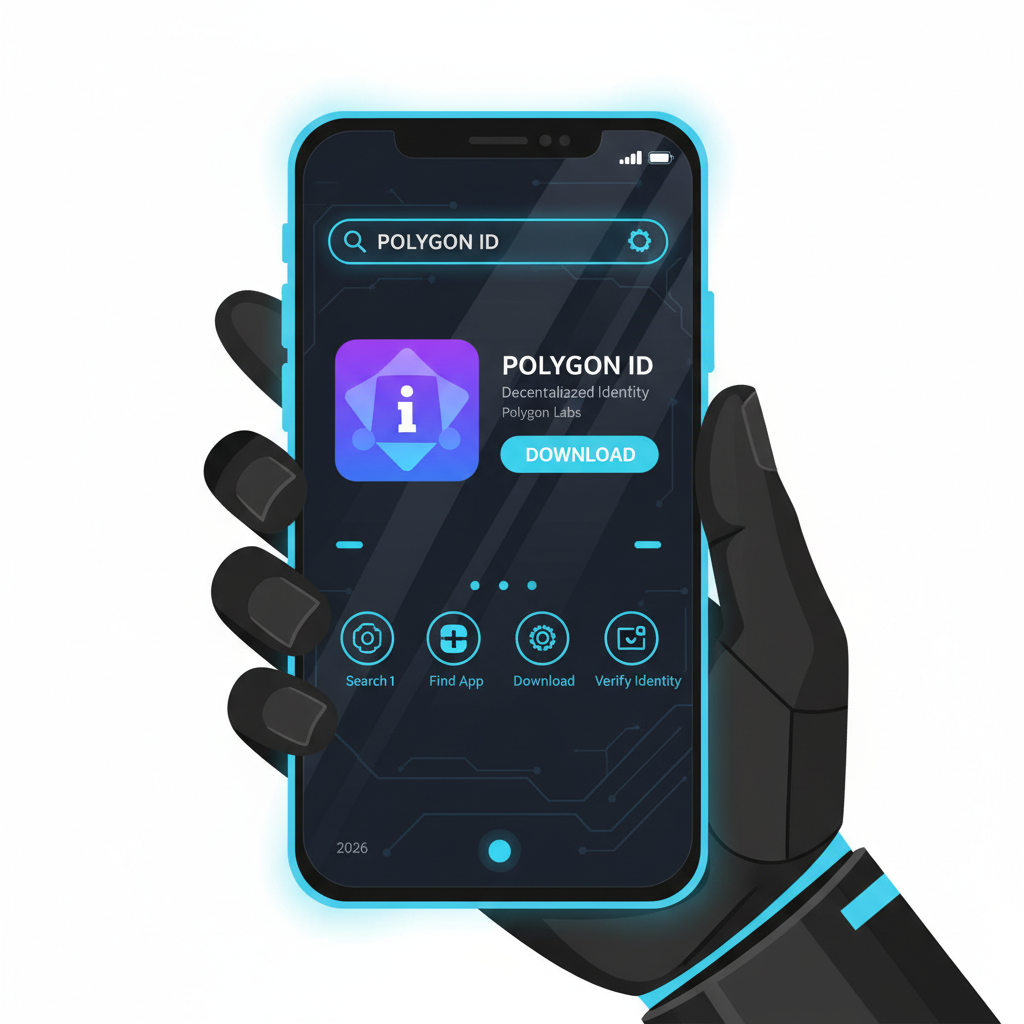
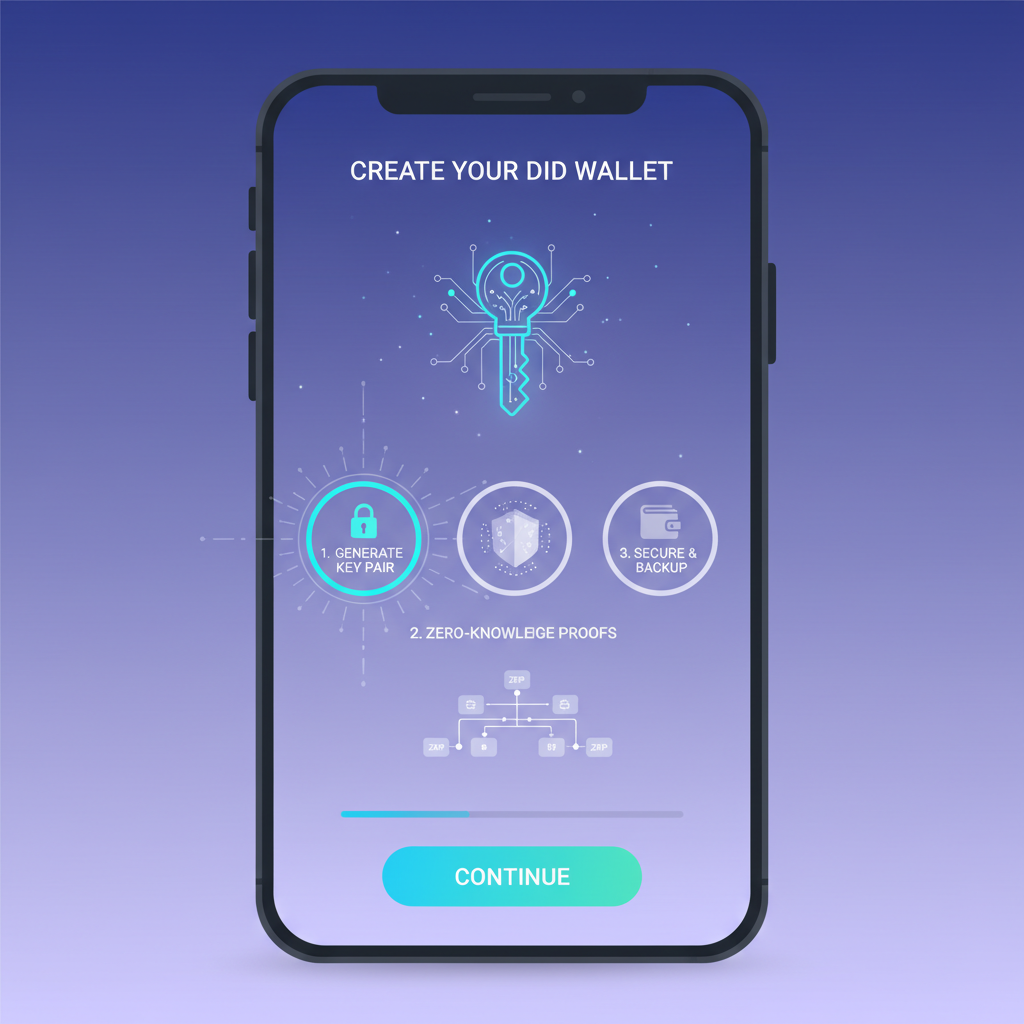
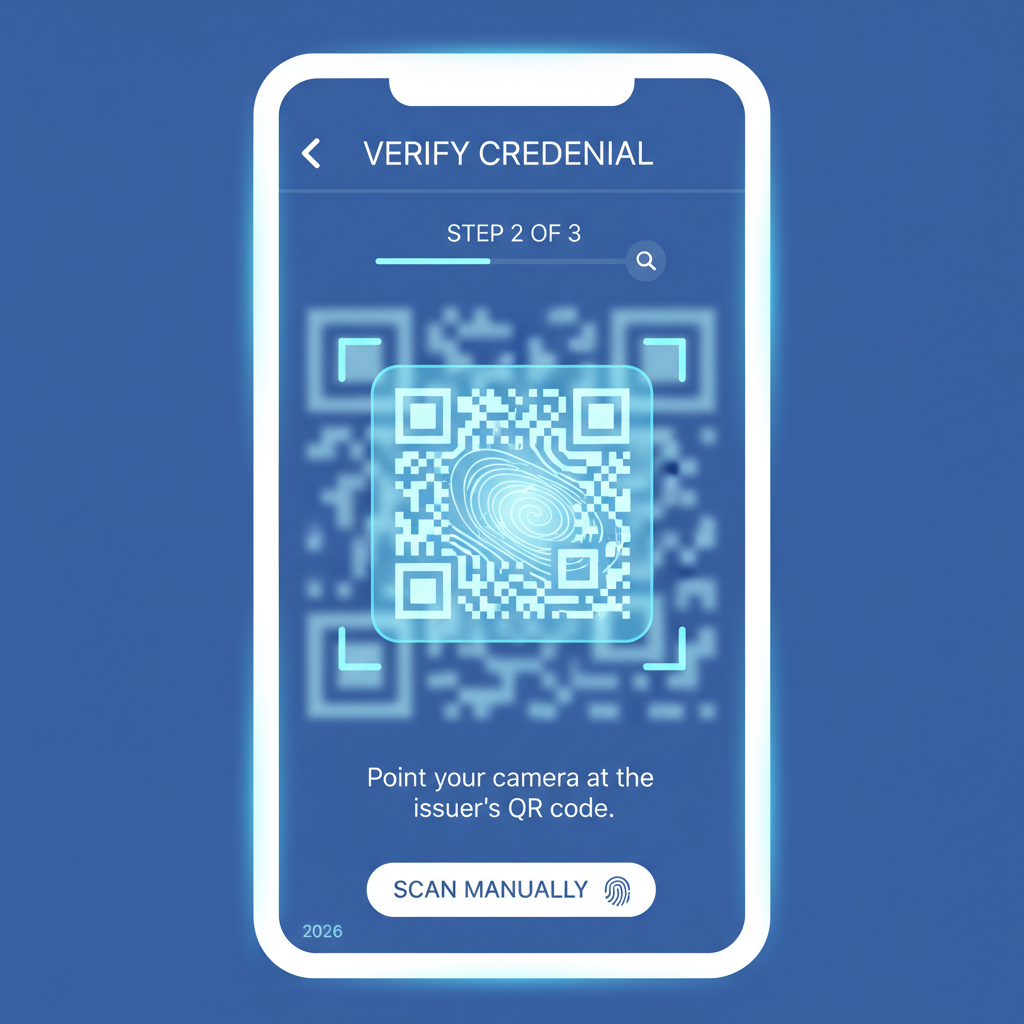
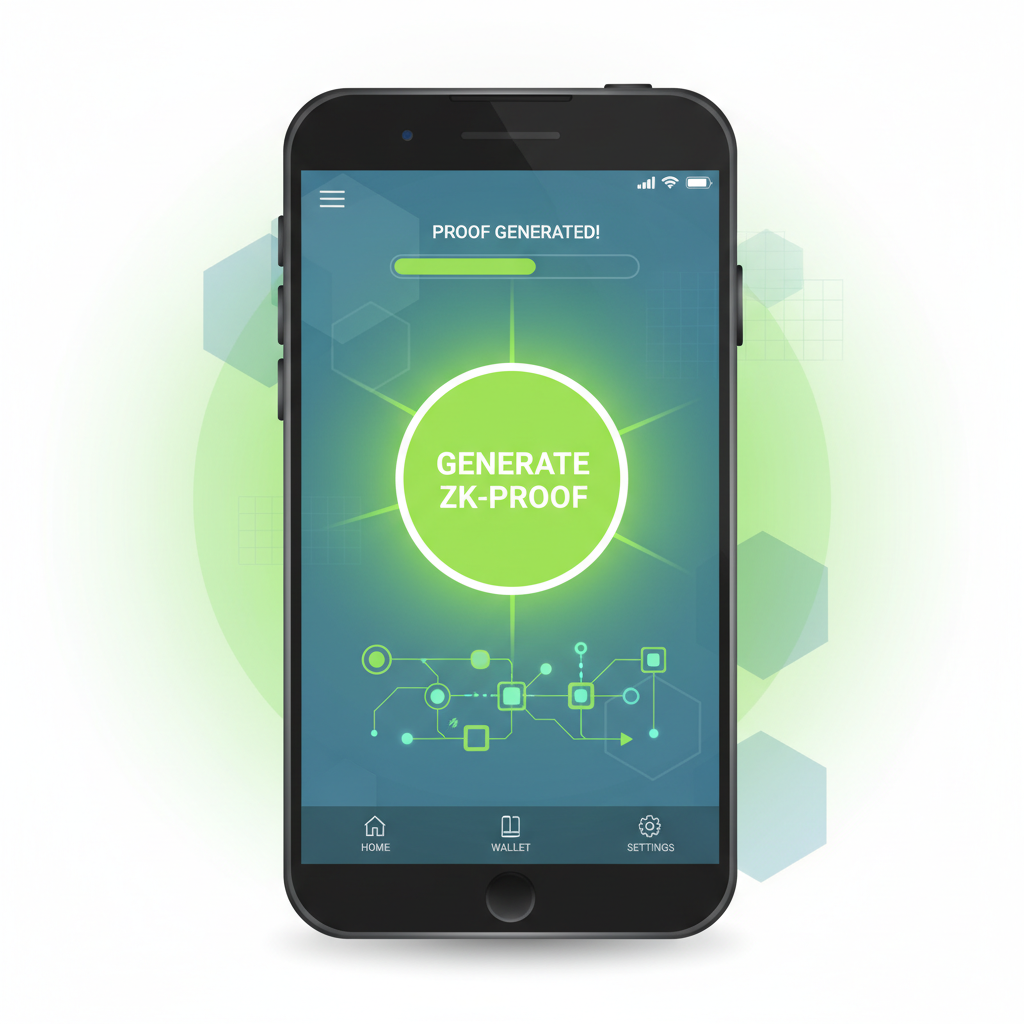
Polygon ID Mastery: Issue zkSNARK Credentials Effortlessly on Mobile in 2026
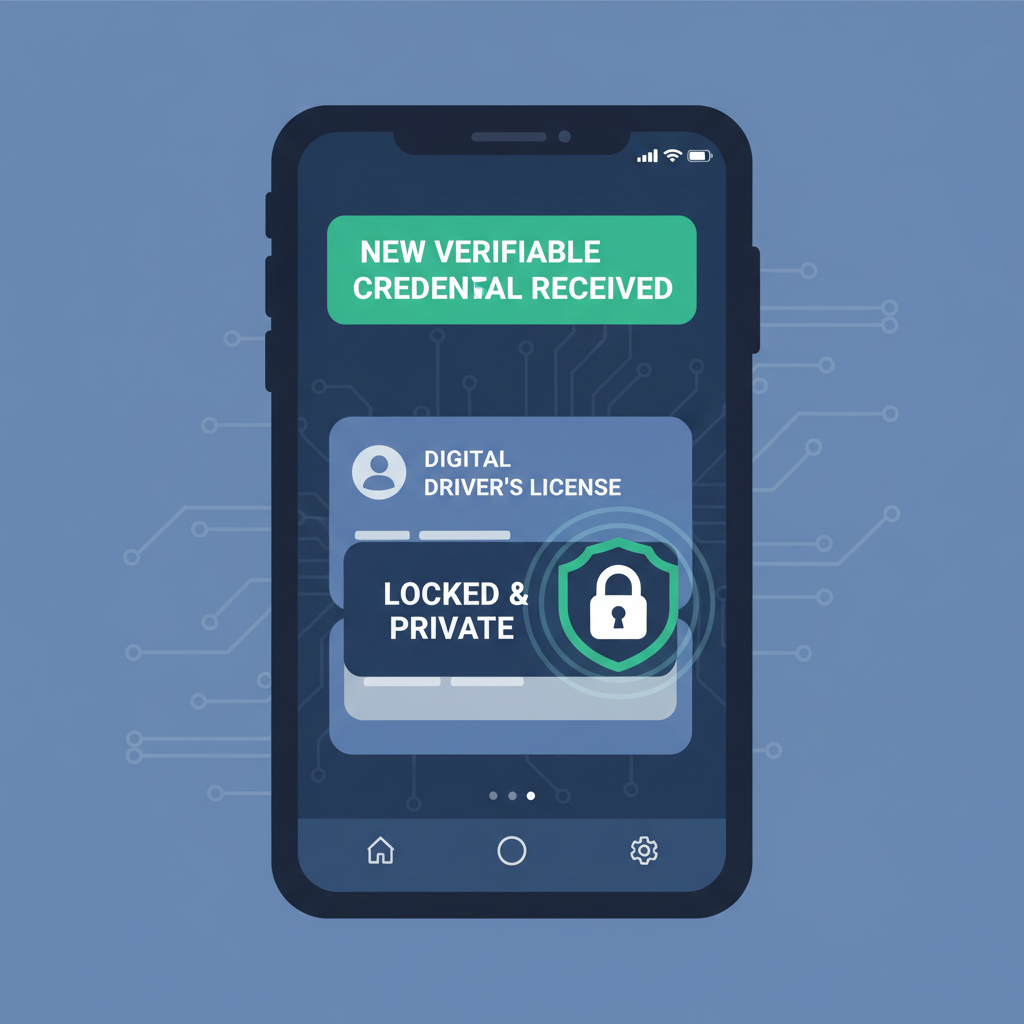
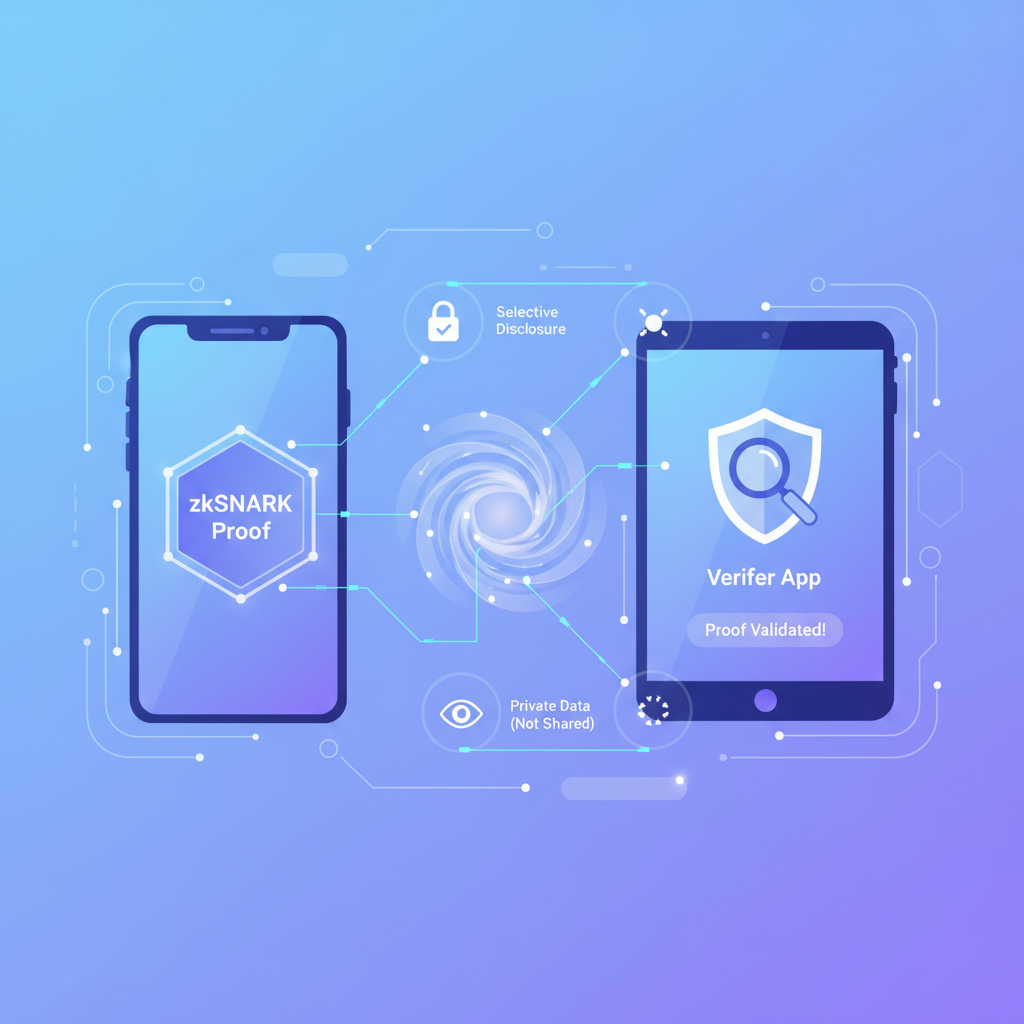
Privacy advocates appreciate how these wallets support anonymous authentication, combining STARKs with credentials for enhanced security. In a year where anonymous crypto wallets dominate no-KYC lists, zk identity solutions extend this ethos to verifiable claims, proving attributes selectively for dApps, social platforms, and beyond.
Ranking the Top Privacy zk Wallets for 2026
Our selection of the top seven privacy zk wallet 2026 options prioritizes mobile usability, proof generation speed, chain agnosticism, and real-world adoption. From intuitive interfaces to enterprise-grade compliance, these stand out for balancing usability with ironclad privacy. Here’s a snapshot:
Top 7 zk ID Wallets for SSI
-
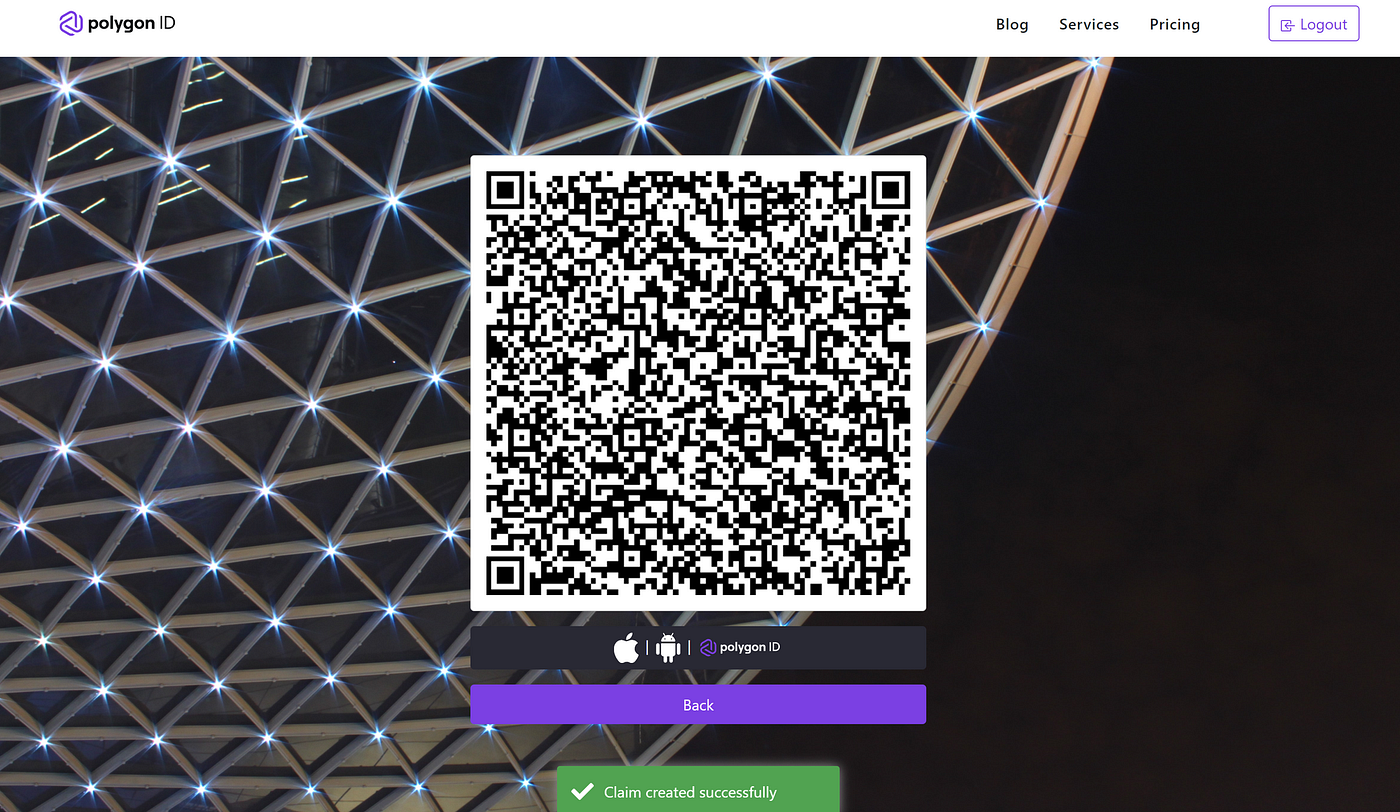
Polygon ID: Mobile-first wallet using zkSNARKs for one-tap W3C DID issuance and privacy-preserving proofs.
-

Sismo: Enables group proofs with zero-knowledge technology for collective credential verification without revealing individual data.
-

Disco Wallet: Focuses on DID discovery, allowing seamless interoperability and selective disclosure in decentralized networks.
-

SpruceID: Specializes in verifiable credential issuance, supporting self-sovereign control over digital attestations.
-
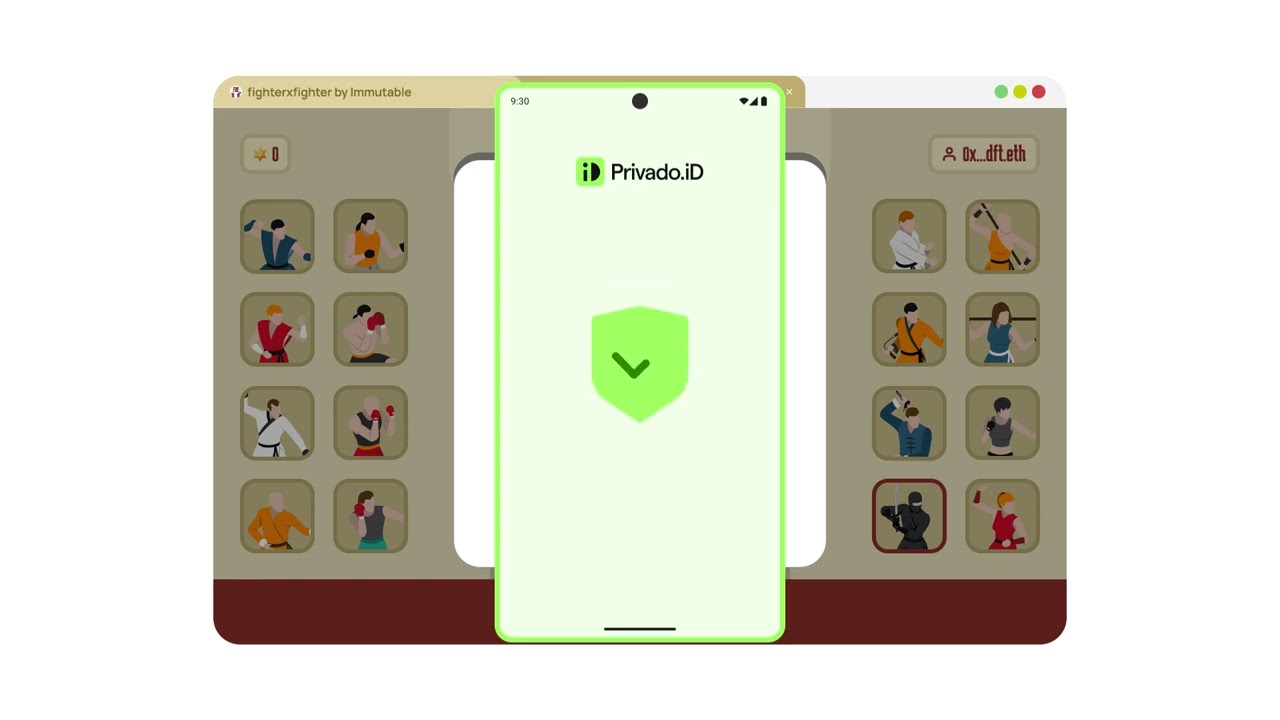
Privado ID: Chain-agnostic protocol (formerly Polygon ID) for zk-proof-based identity verification compliant with W3C standards.
-
Litentry: Cross-chain identity aggregator leveraging zk proofs for unified, privacy-focused identity management.
-
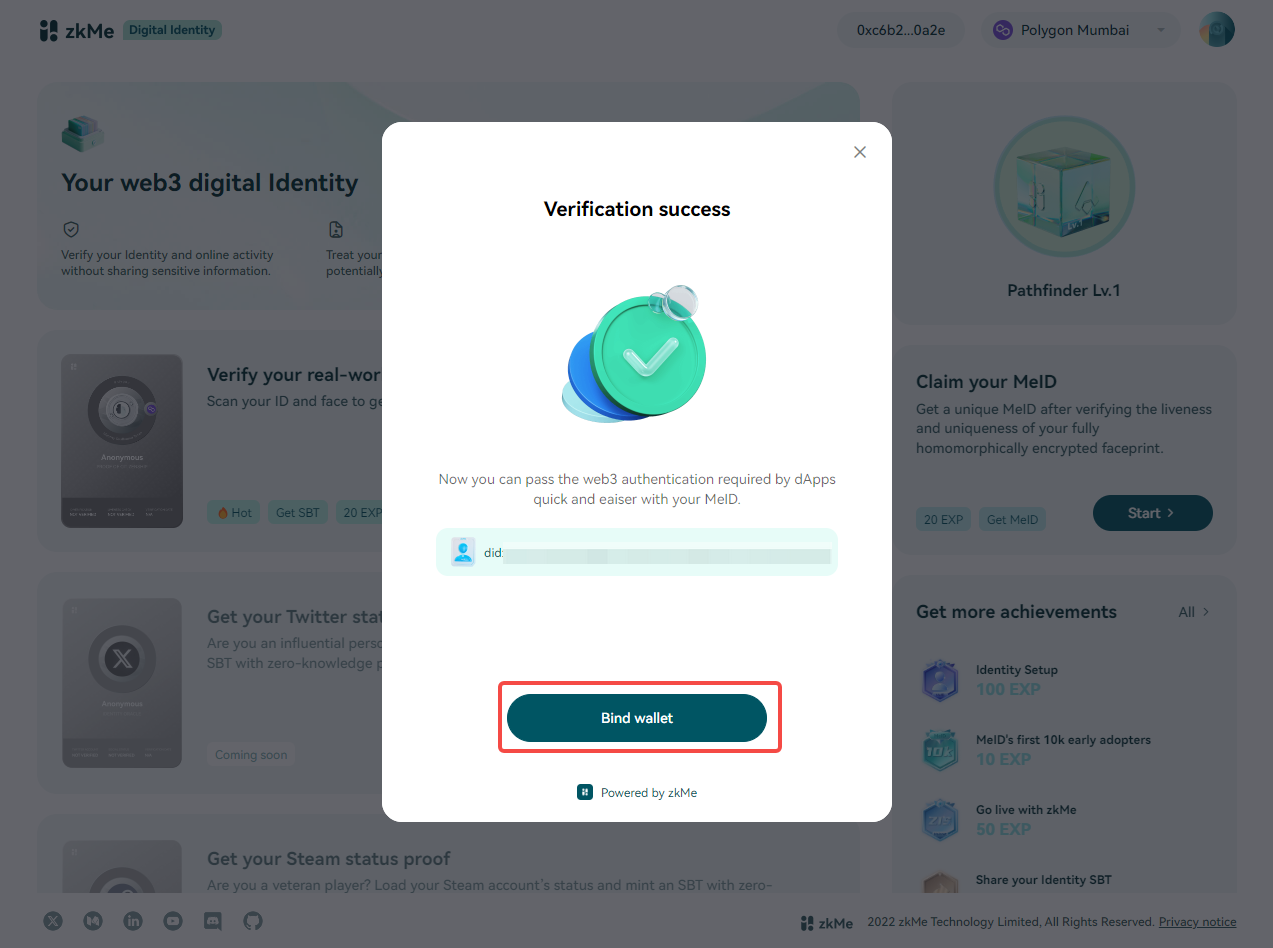
zkMe: FATF-compliant decentralized KYC solution using zero-knowledge proofs for secure, private verification.
Polygon ID: Intuitive zkSNARK Pioneer
Leading the pack, Polygon ID excels with its mobile-first design, allowing seamless generation of W3C-compliant DIDs. One-tap issuance of zkSNARK proofs lets users verify residency or credentials effortlessly, without exposing PII. Its integration with Polygon ecosystem ensures low fees and high scalability, making it ideal for everyday Web3 users. Recent updates have bolstered interoperability, positioning it as a staple for privacy-focused developers.
Sismo follows closely, innovating with zero-knowledge group proofs. This enables collective attestations, such as community badges or shared credentials, without individual data leaks. Perfect for DAOs and social tokens, Sismo’s badge protocol aggregates signals privately, fostering trustless collaboration.
Disco Wallet and SpruceID: Discovery and Issuance Leaders
Disco Wallet shines in DID discovery, using zk proofs to resolve identifiers across chains without central registries. Its lightweight architecture suits nomadic users juggling multiple ecosystems. SpruceID complements this with robust verifiable credential issuance, supporting issuers from governments to enterprises. Both emphasize user sovereignty, storing nothing server-side.
Privado ID, evolving from Polygon roots, offers chain-agnostic verification compliant with emerging standards. Its zk proofs handle complex predicates, like “over 18 and EU resident, ” streamlining KYC for DeFi while preserving anonymity. Litentry extends this to cross-chain realms, aggregating data from Polkadot and beyond via zk aggregation, minimizing trust assumptions.
Finally, zkMe rounds out our top seven with its focus on decentralized KYC, blending zero-knowledge proofs with full FATF compliance. This self-sovereign ID wallet lets users verify identity attributes for regulated services without exposing raw data, a boon for enterprises navigating global rules. Its protocol supports selective disclosure for everything from banking logins to NFT drops, striking a rare balance between privacy and auditability. In my analysis, zkMe’s edge lies in its battle-tested integrations, proving resilient against the credential spoofing threats plaguing lesser systems.
zkMe: Enterprise-Ready Privacy Sentinel
zkMe’s strength shines in high-stakes environments, where proofs confirm attributes like “FATF-compliant resident” sans personal leaks. Developers praise its SDK for quick deployment, while users benefit from non-custodial storage that aligns with W3C DID specs. As cross-border DeFi booms, zkMe positions itself as the go-to for privacy zk wallet 2026 needs, outpacing rivals in compliance without sacrificing sovereignty.
Top 7 zk Identity Wallets for Self-Sovereign ID in 2026: Comparison
| Wallet | ZK Type (SNARK/STARK) | Chains Supported | Mobile App (Y/N) | Key Feature | Best For |
|---|---|---|---|---|---|
| Polygon ID | SNARK | Polygon, Ethereum | Y | Intuitive mobile-first design with one-tap zkSNARK issuance | DeFi KYC, everyday use |
| Sismo | SNARK | Ethereum, Optimism, Base | N | ZK Badges for community credentials | DAOs, governance |
| Disco Wallet | SNARK | Ethereum, Solana | Y | Cross-chain human-readable IDs | SocialFi, gaming |
| SpruceID | SNARK | Ethereum, Polygon, Ceramic | Y | Decentralized identity toolkit | Developers, enterprise DID |
| Privado ID | SNARK | Chain-agnostic (Ethereum, Polygon) | Y | W3C-compliant verifiable credentials | Web3 applications |
| Litentry | SNARK | Polkadot, Kusama, Ethereum | N | Aggregated cross-chain identity | Cross-chain DeFi |
| zkMe | SNARK | Ethereum, Polygon | Y | FATF-compliant decentralized KYC | Regulated DeFi, compliance |
These wallets collectively redefine decentralized identity zk wallet standards, but selection hinges on use case. Polygon ID suits casual Web3 explorers craving simplicity; Sismo empowers communities with group proofs. Disco Wallet and SpruceID excel for multi-chain nomads and issuers, while Privado ID, Litentry, and zkMe tackle advanced verification across ecosystems. Each leverages zk-SNARKs or zk-STARKs for compact, verifiable claims, ensuring interoperability amid blockchain fragmentation.
Real-world adoption underscores their maturity. Polygon ID powers Polygon dApps, Sismo badges DAO memberships, and zkMe streamlines fintech onboarding. Yet challenges persist: proof generation times vary, and user education lags. Still, as zkTLS bridges Web2-Web3 gaps, these tools fortify against data monopolies, letting individuals dictate disclosure terms.
For those venturing in, start with mobile setups emphasizing one-tap issuance. Advanced users might layer Sismo’s group proofs atop Litentry’s aggregation for hybrid strategies. This ecosystem’s growth signals a tipping point: by late 2026, expect zk identity wallets to underpin most dApp logins, sidelining outdated OAuth relics. Investors eyeing digital assets should monitor their tokenomics, as governance tokens tie value to adoption metrics.
Navigating Tradeoffs in Zero Knowledge Proof DID
zk-SNARKs offer speed but trusted setups; zk-STARKs deliver transparency at higher compute costs. Our ranked options mitigate this: Disco Wallet optimizes discovery for low-resource devices, SpruceID streamlines issuance workflows. Chain agnosticism, as in Privado ID, future-proofs against L2 wars, while Litentry’s cross-chain prowess unifies silos. Opinionated take: zkMe’s regulatory alignment makes it undervalued for institutions, potentially surging in enterprise pilots.
Privacy remains paramount amid rising spoofing vectors and surveillance trends. These zero knowledge proof DID solutions don’t just verify; they liberate users from data extractive models. As standards evolve, wallets like these will anchor a trustless digital economy, where proof trumps possession every time. Explore setups via detailed guides to claim your slice of sovereignty today.
About the Author