
In the evolving landscape of 2026, zk identity wallets stand at the forefront of self-sovereign identity (SSI), offering a privacy-centric alternative to traditional KYC processes. These decentralized identity wallets zkKYC enable users to prove compliance once and reuse those proofs across platforms without exposing sensitive data, mitigating risks like data leaks and vendor lock-in. As regulatory pressures mount from frameworks like the EU Digital Identity Wallet, selecting the right self-sovereign ID wallets reusable KYC becomes essential for blockchain enthusiasts, developers, and institutions navigating Web3 adoption.
Zero-knowledge proofs (ZKPs) power these tools, allowing verification of attributes such as age or citizenship without revealing underlying information. This aligns with privacy-by-design principles while addressing FATF compliance challenges. However, risks persist: immature interoperability standards could fragment the ecosystem, and reliance on specific blockchains introduces centralization vulnerabilities. Institutions must evaluate audit trails, proof revocation mechanisms, and cross-chain support before deployment.
Navigating Privacy and Compliance with DID Wallets Zero-Knowledge Proofs
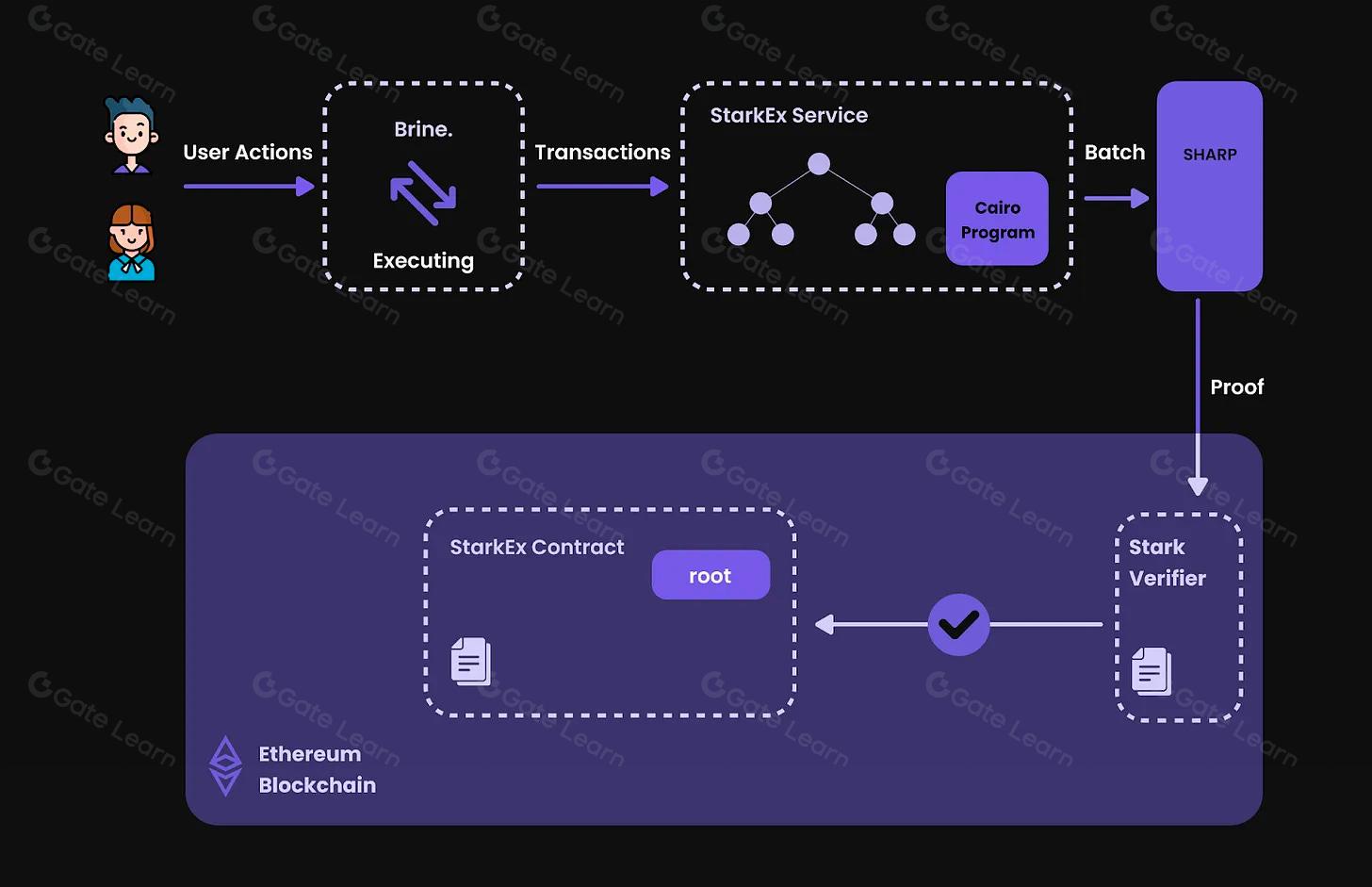
DID wallets zero-knowledge proofs transform reusable KYC by issuing verifiable credentials (VCs) that users control. Unlike centralized databases prone to breaches, these wallets store proofs locally, empowering selective disclosure. For instance, a DeFi protocol can confirm KYC status via a zk-SNARK without accessing passports or addresses, reducing exposure to hacks that have cost billions in recent years.
Zero-Knowledge Proofs enable the verification of information without revealing it itself, a cornerstone for secure online interactions.
Yet, risk-conscious adoption demands scrutiny. Not all wallets support BBS and signatures for unlinkability, potentially enabling correlation attacks. Moreover, quantum threats loom, though post-quantum cryptography integrations are emerging in leading solutions. By prioritizing audited protocols, users safeguard against these pitfalls while harnessing SSI’s potential.
Polygon ID and Altme Wallet: Pioneers in zk-Enabled Reusability
Polygon ID leads among best zkKYC wallets 2026, leveraging zk-SNARKs for scalable, attribute-based proofs. Users generate credentials for token gating or DAO access, with PolygonID’s integration allowing private smart contract interactions. Its BBS and support ensures forward secrecy, critical for long-term credential reuse. Risks include dependency on Polygon scaling, but ongoing Ethereum L2 optimizations mitigate gas fee volatility.
Complementing this, Altme Wallet integrates seamlessly with Polygon ID, enabling Polygon users to claim and manage ZK credentials directly. This mobile-first approach supports Web3 dApps with private verifications, ideal for cross-chain DeFi. Altme’s unhosted wallet model enhances user sovereignty, though developers should verify its FATF-aligned proof schemas to avoid regulatory blind spots.
Top 7 zk Identity Wallets: Key Features
-
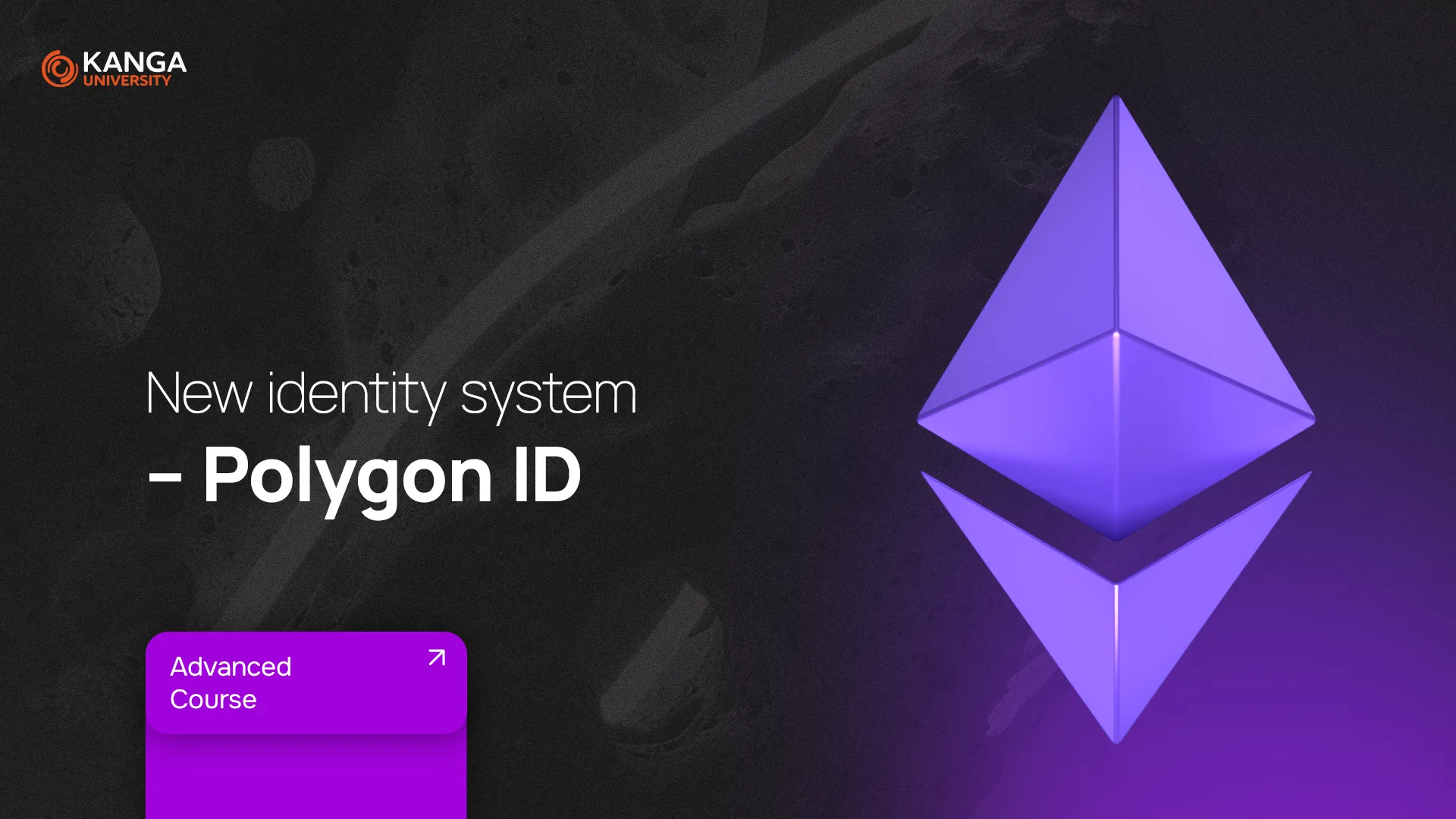
Polygon ID: Utilizes zk-SNARKs and BBS+ signatures for attribute-based proofs, enabling selective disclosure of credentials for self-sovereign identity in Web3. Ideal for community token gating and DAO access; note dependency on Polygon ecosystem for scalability.
-

Altme Wallet: Mobile-first wallet with Polygon integration, allowing users to claim and manage ZK credentials for private smart contract interactions and Web3 dApps. Supports reusable KYC while prioritizing user control; assess mobile security risks.
-
Sismo Wallet: Privacy protocol using zk badges to anonymously prove reputation, group membership, or achievements. Applications include Web3 resumes and DAO elections; verify badge issuer trustworthiness to mitigate sybil risks.
-
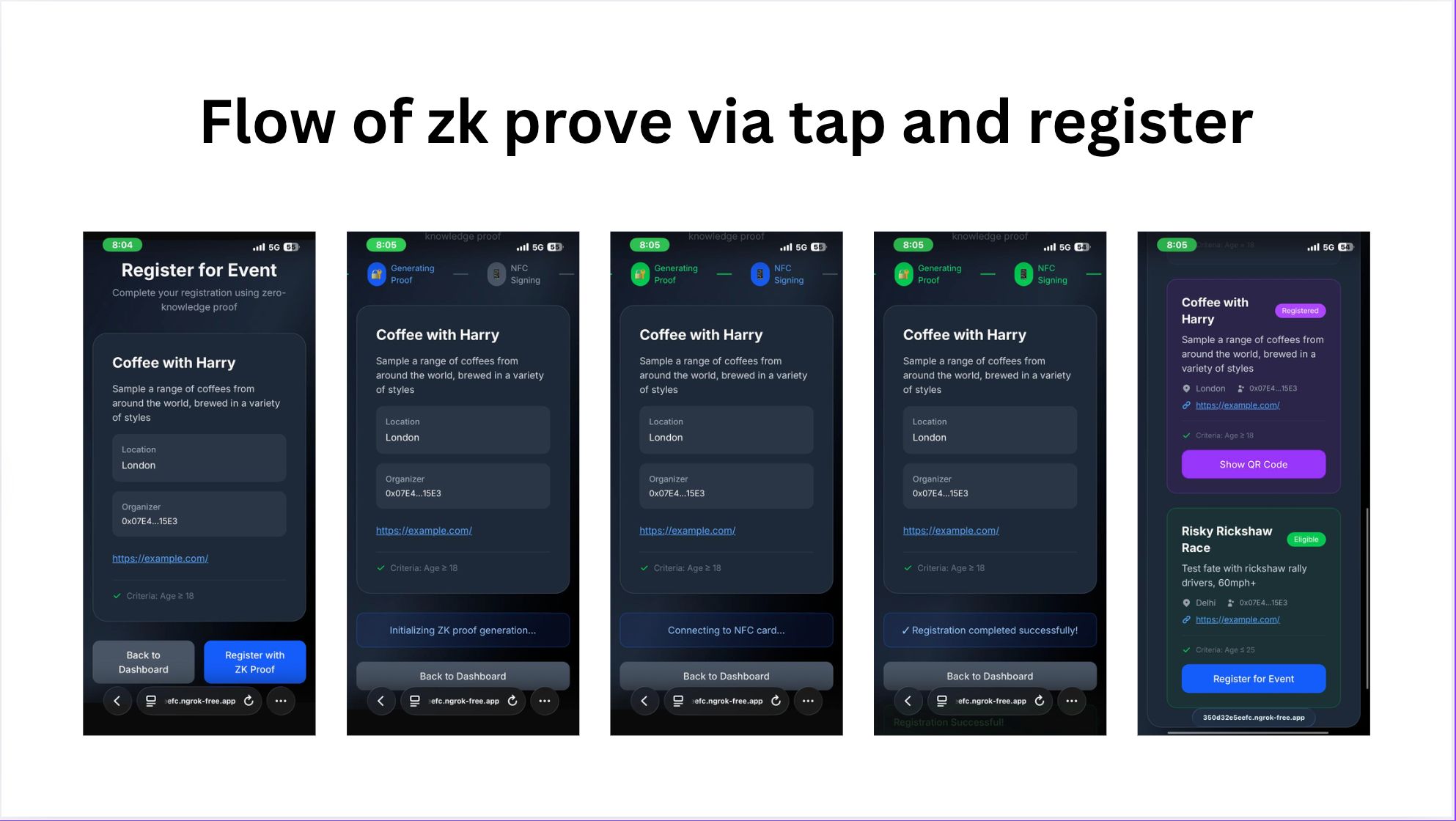
Zupass: Focuses on off-chain ZK proofs for privacy-preserving passes and credentials, leveraging Semaphore-like tech for group proofs without on-chain storage. Suitable for event verification; evaluate proof finality risks.
-
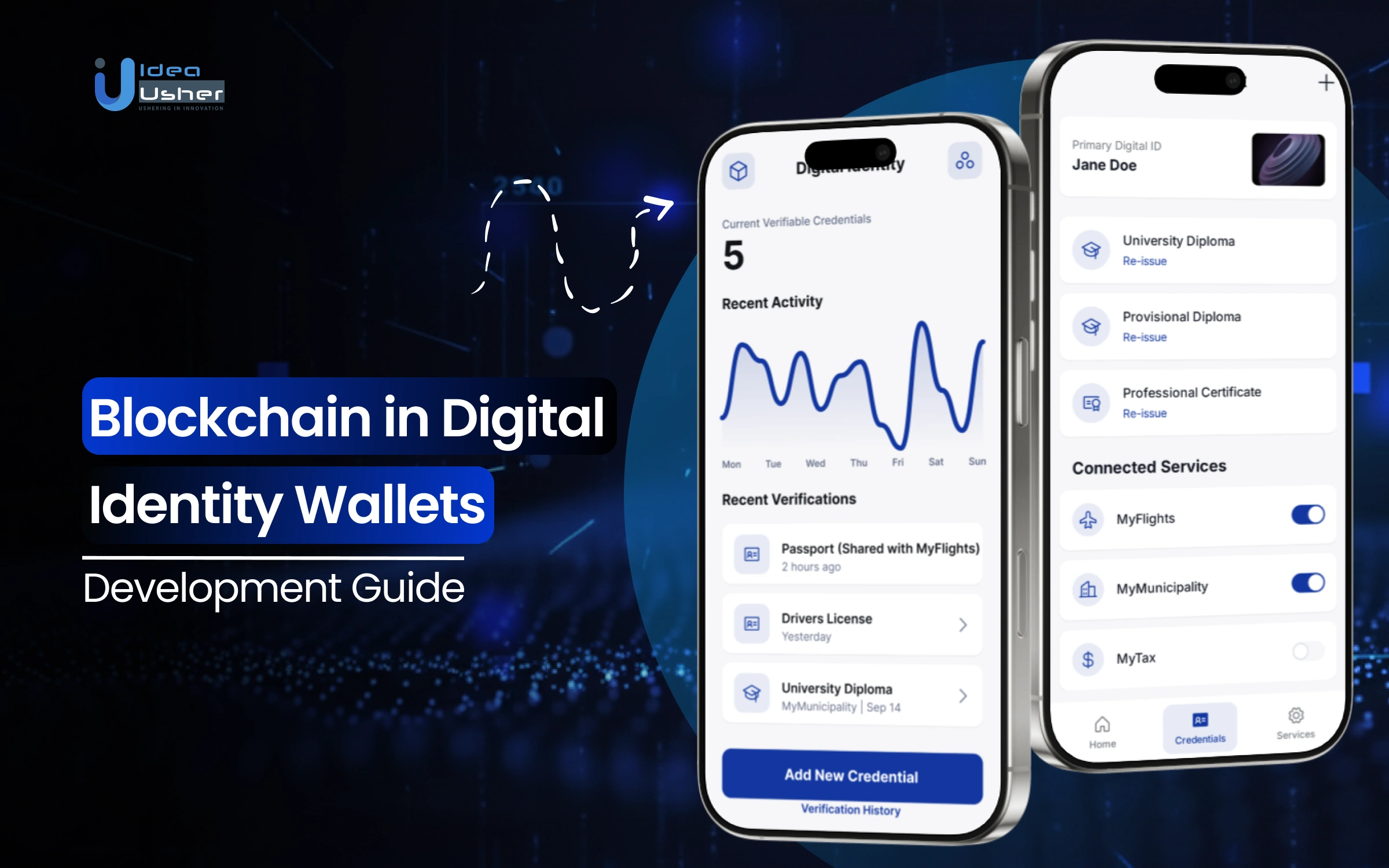
Dock Wallet: Specializes in verifiable credential (VC) storage with DID support, enabling secure, decentralized identity management and ZK-compatible proofs. Strong for enterprise compliance; monitor VC revocation mechanisms.
-
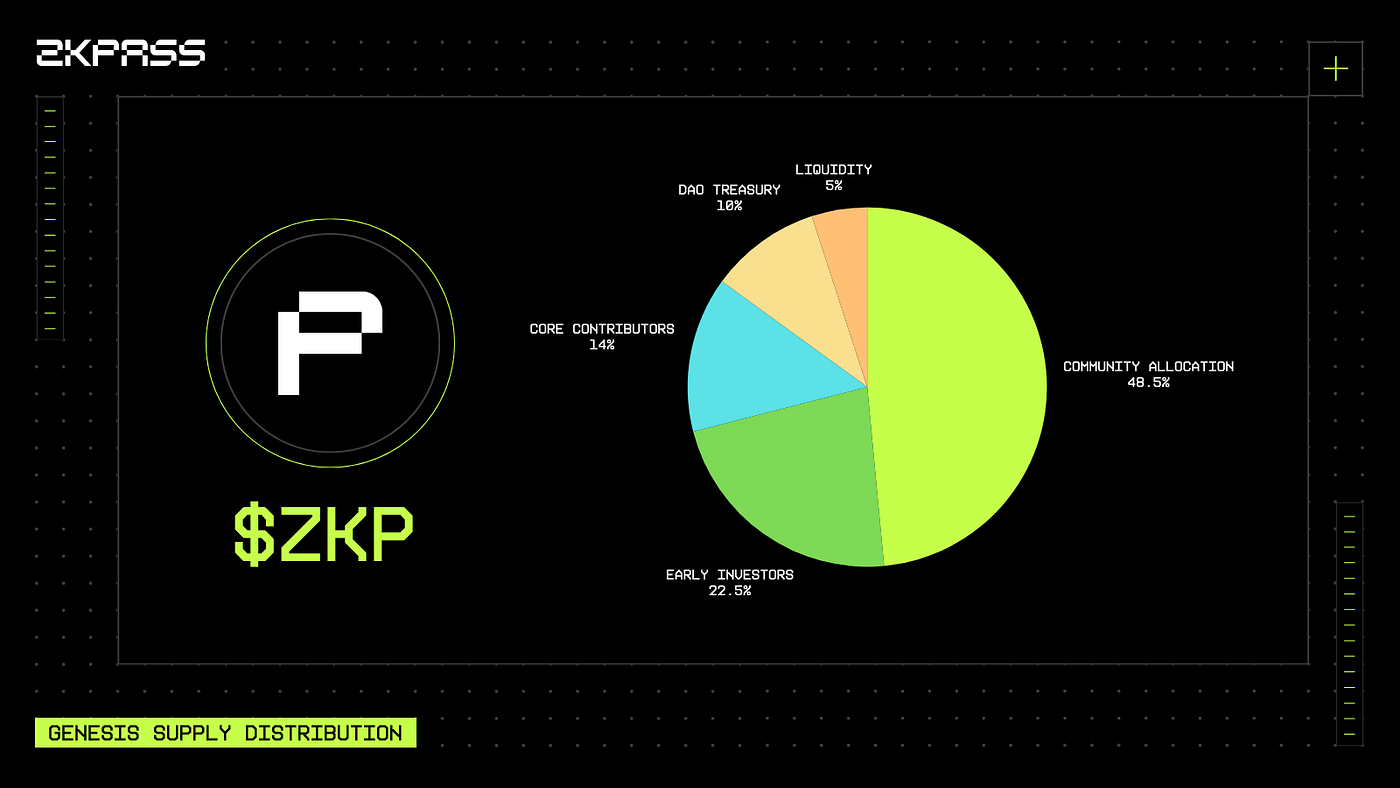
zkPass Wallet: Combines MPC and zk proofs to generate verifiable proofs from Web2 documents (e.g., IDs, bills) for DeFi access without data exposure. FATF-compliant potential; caution on MPC key management security.
-

Litentry Rover: Cross-chain identity aggregator using Polkadot parachain tech for interoperable, privacy-preserving verifications across blockchains. Enhances reusability; consider parachain slot auction risks and oracle dependencies.
Sismo Wallet and Zupass: Badges and Off-Chain Innovations
Sismo Wallet excels in privacy-preserving group proofs via zk badges, proving reputation or membership anonymously. Applications span Web3 resumes to DAO elections, with its protocol emphasizing unlinkability. For reusable KYC, Sismo’s badges verify compliance aggregates without single-attribute leaks, a boon for sybil-resistant communities. Caution is advised on badge expiration; without robust revocation, stale proofs pose compliance risks.
Zupass, akin to zkPass functionalities, facilitates off-chain verifiable proofs from Web2 documents like driver’s licenses using MPC combined with ZKPs. This bridges legacy KYC to SSI, granting DeFi access compliantly. Its strength lies in document-agnostic processing, but users must audit MPC ceremonies for collusion threats, ensuring proof integrity across verifiers.
These wallets underscore a maturing ecosystem where reusable KYC reduces onboarding friction. Institutions weighing adoption should stress-test interoperability, as fragmented standards could undermine portability.
Dock Wallet brings robust verifiable credential (VC) storage to the DID wallets zero-knowledge proofs arena, emphasizing secure, privacy-preserving issuance and presentation. Drawing from foundational ZKP principles, it organizes validated identity data from onboarding stages, enabling seamless reuse in decentralized ecosystems. Its strength in triangulating multi-source proofs reduces fraud vectors, yet institutions must monitor for oracle dependencies that could introduce single points of failure in proof generation.
zkPass Wallet and Litentry Rover: MPC Bridges and Cross-Chain Mastery
zkPass Wallet stands out by generating off-chain proofs from Web2 documents via multi-party computation fused with zk proofs, a pragmatic bridge for legacy KYC into self-sovereign realms. This empowers compliant DeFi entry without data surrender, aligning with evolving regs like EU mandates. Risk-savvy users will prioritize MPC threshold schemes to thwart insider threats, ensuring proofs withstand scrutiny across verifiers.
Litentry Rover caps our selection of best zkKYC wallets 2026 with unparalleled cross-chain interoperability, aggregating credentials from disparate networks into unified zk proofs. Ideal for multi-chain Web3 users, it facilitates reusable KYC in fragmented environments, from Ethereum to Polkadot. However, its aggregator model demands rigorous audits against proof aggregation attacks, where correlated attributes might inadvertently leak privacy.
Comparison of Top 7 zk Identity Wallets for Reusable KYC
| Wallet | Key ZK Tech | Reusability Features | Cross-Chain Support | Risk Factors |
|---|---|---|---|---|
| Polygon ID | zk-SNARKs/BBS+ | Selective disclosure, mobile app, community token gating | Polygon ecosystem (limited) | Scaling risks, Polygon dependency |
| Altme Wallet | zk Credentials (Polygon ID integration) | Claim/manage ZK creds in wallet, private dApp interactions | Multi-chain (Polygon+ ) | Partner ecosystem reliance |
| Sismo Wallet | zk Badges | Anonymous proofs of reputation/group membership/achievements | Ethereum/L2s | Badge dependency, curation risks |
| Zupass | zk Proofs from Web2 docs | Off-chain verifiable proofs for DeFi access | Broad cross-chain | MPC centralization risks |
| Dock Wallet | zk Proofs/SSI | Store validated identity info, reusable verifications | Multi-protocol SSI | Lower adoption, integration complexity |
| zkPass Wallet | MPC + zk Proofs | Web2 docs to on-chain proofs, compliant DeFi | Cross-chain DeFi | Privacy-compliance trade-offs |
| Litentry Rover | zk Identity Aggregation | Reusable identity scores/proofs across apps | Polkadot ecosystem, parachains | Aggregation complexity, oracle risks |
Across these zk identity wallets, a common thread emerges: empowerment through selective disclosure, slashing KYC fatigue while upholding compliance. Polygon ID and Altme set scalability benchmarks; Sismo and Zupass innovate on anonymity; Dock, zkPass, and Litentry Rover excel in integration and portability. Yet, no solution is flawless. Interoperability lags, with W3C DID methods varying, potentially stranding credentials. Revocation lags in some, risking outdated proofs in high-stakes finance.
Risk-conscious deployment hinges on layered defenses: pair wallets with hardware security modules for key custody, enforce time-bound credentials, and simulate adversarial scenarios. Developers integrating these should leverage open-source audits from firms like Trail of Bits, avoiding unvetted forks. For institutions, pilot programs testing against FATF Travel Rule scenarios reveal true resilience.
Regulatory horizons sharpen the case for reusable decentralized KYC. As EU Digital Identity Wallets roll out mandates, these tools position users ahead, blending sovereignty with auditability. Blockchain enthusiasts gain sybil resistance for DAOs; privacy advocates, a bulwark against surveillance capitalism.
Forward momentum favors wallets advancing quantum resistance and AI-proofing against deepfake KYC bypasses. Litentry Rover’s cross-chain edge and zkPass’s Web2 bridging signal this trajectory, promising a Web3 where identity serves users, not silos. By choosing audited, interoperable options today, stakeholders future-proof against tomorrow’s threats, reclaiming control in an onchain world.
About the Author