
In a world where your digital footprint is tracked at every turn, zk identity wallets offer a breath of fresh air for anyone serious about privacy. These self-sovereign identity wallets let you prove who you are – or rather, what you qualify for – without handing over your personal data. Powered by zero-knowledge proofs (ZKPs) and zkTLS, they turn the tables on centralized identity providers. Recent moves, like Google Wallet baking in ZKPs for age verification, show even big tech is waking up to this shift. Dock Labs nails it: ZKPs verify info without revealing it, slashing data exposure risks.

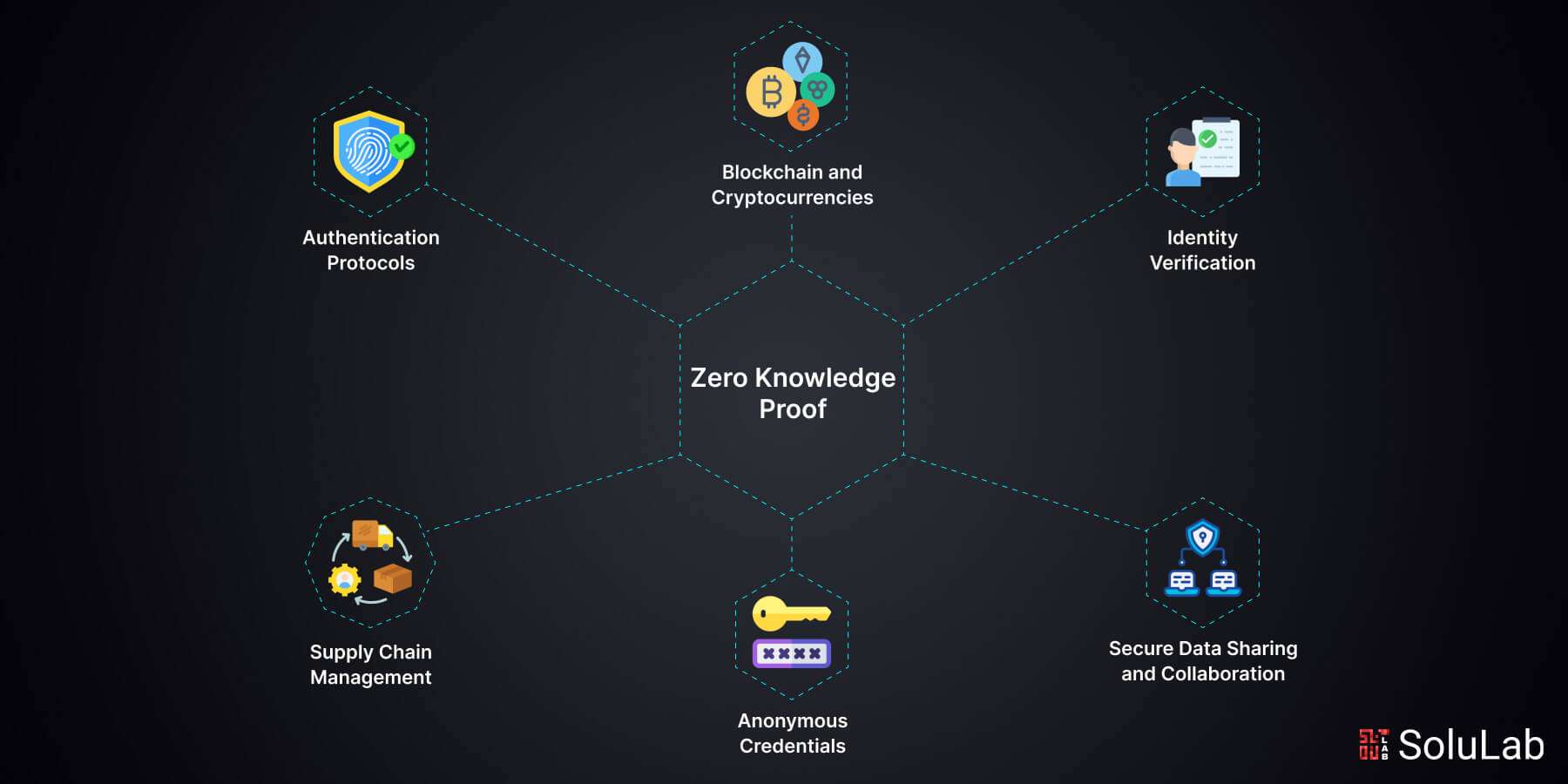
I’ve spent years diving into crypto and DeFi, and nothing excites me more than tools that put users back in control. Traditional logins? They’re a privacy nightmare. zkTLS decentralized identity changes that by pulling verifiable facts from HTTPS sites without APIs or middlemen, as zkPass docs highlight. Pair it with ZKPs, and you’ve got privacy-preserving identity wallets that are both secure and practical.
Unlocking Zero-Knowledge Proofs for Everyday Identity Control
Zero-knowledge proofs sound like sci-fi, but they’re math magic anyone can grasp. Imagine telling a bar you’re over 21 without flashing your ID. ZKPs let you do exactly that in digital spaces. A user verifies once with a trusted issuer, like a KYC provider, then generates proofs for specific claims – nationality, credit score, you name it – sans the sensitive bits. Mina Protocol points out how this solves privacy headaches for DID providers, attesting data access without leaks.
Data backs the hype: Polygon ID uses ZKPs to verify state transitions securely, per ScalingX. IEEE research even proposes SSI fully on ZKPs, tackling centralization woes head-on. In zk identity wallets, this means selective disclosure. Need to prove you’re a resident? Share just that proof. No full dossier required.
Why zkTLS Supercharges Self-Sovereign ID Wallets
zkTLS takes ZKPs further by bridging the web’s trusted TLS layer into blockchain proofs. Stanford’s Blockchain Review spotlights DECO as a pioneer: fetch data over TLS, prove its authenticity, all without altering servers. zkPass builds on this, turning any HTTPS data into on-chain proofs locally on your device. No OAuth dance, no trusted oracles – pure user sovereignty.
For self-sovereign identity wallets, zkTLS means verifying real-world creds like passports or bank statements without uploads. Run the proof generation on your phone, share the tiny proof. Internet Policy Review notes how this aids enterprise data minimization, aligning perfectly with SSI paradigms from ResearchGate.
Key Features of Top zk Wallets
-
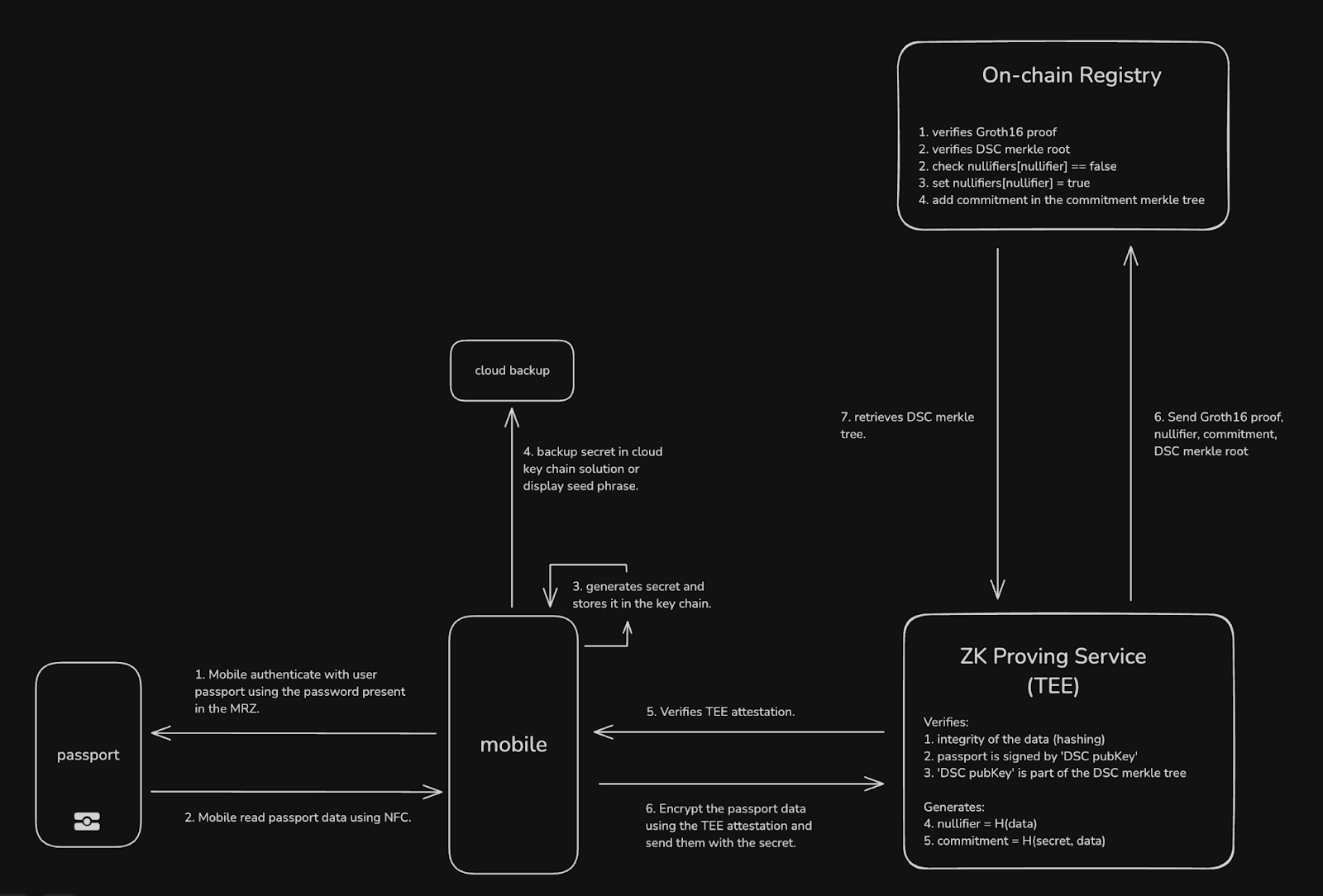
Self: Privacy-first, open-source protocol with NFC passport scanning to generate zero-knowledge proofs for secure identity verification. Docs
-
zkMe: Decentralized SSI wallet using MPC-secured credentials for storing and managing anonymized identity info from trusted issuers. Docs
-
zkPass: Built on zkTLS for HTTPS data proofs, turning private web data into on-chain verifiable proofs without APIs or intermediaries. Docs
Selecting Your First zk Identity Wallet
Not all zk identity wallets are created equal, but a few stand out for seamless zkTLS and ZKP integration. Self leads with its open-source protocol: scan your passport via NFC, generate a zk proof, and verify with apps privately. zkMe amps it up with MPC crypto for anonymized storage of verifiable credentials from governments or banks. Then there’s zkPass, the oracle wizard transforming web data into proofs without intermediaries.
Choose based on needs. Privacy maximalists? Go Self. Developers building apps? zkPass. Businesses chasing compliance? zkMe. All support decentralized identifiers (DIDs), core to self-sovereign ID. Their docs – like this deep dive on ZKPs – make onboarding straightforward.
Set Up zk Identity Wallet: DID + First ZKP in 5 Steps
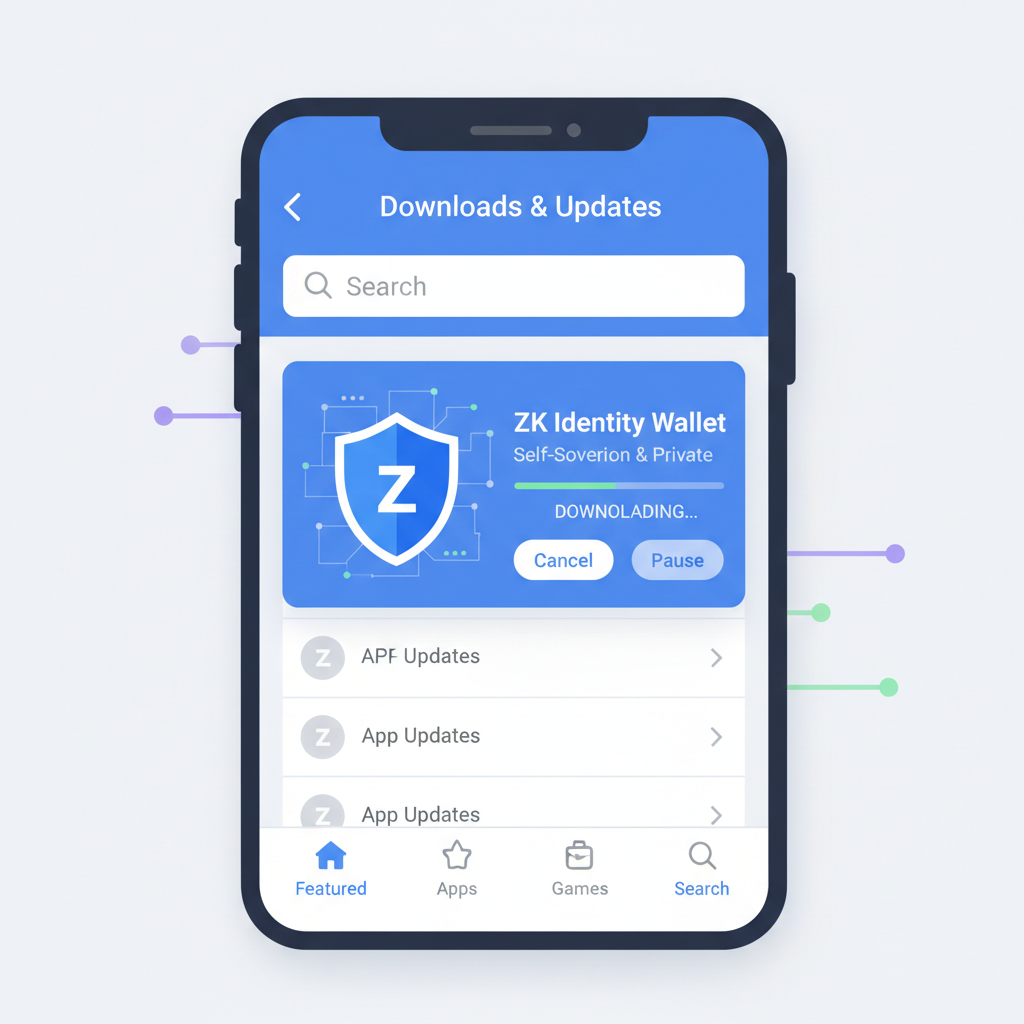
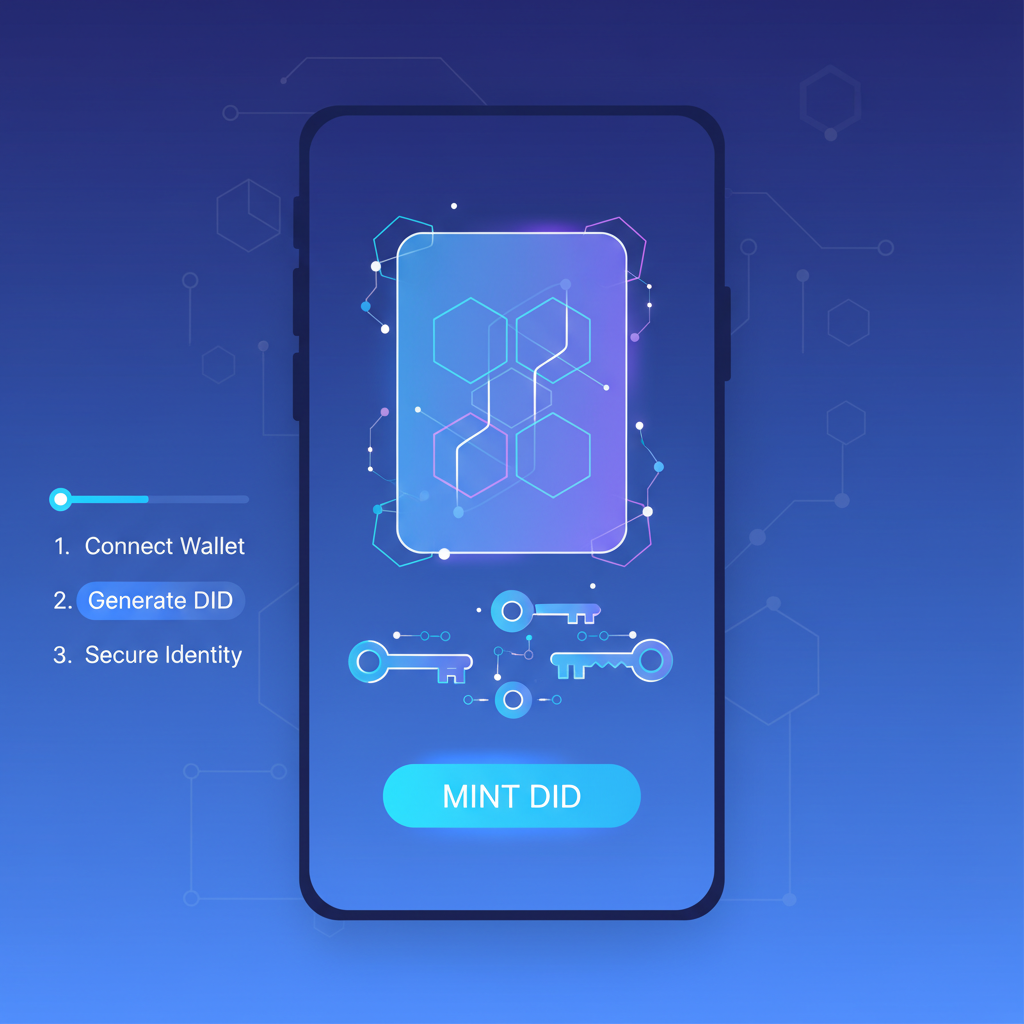
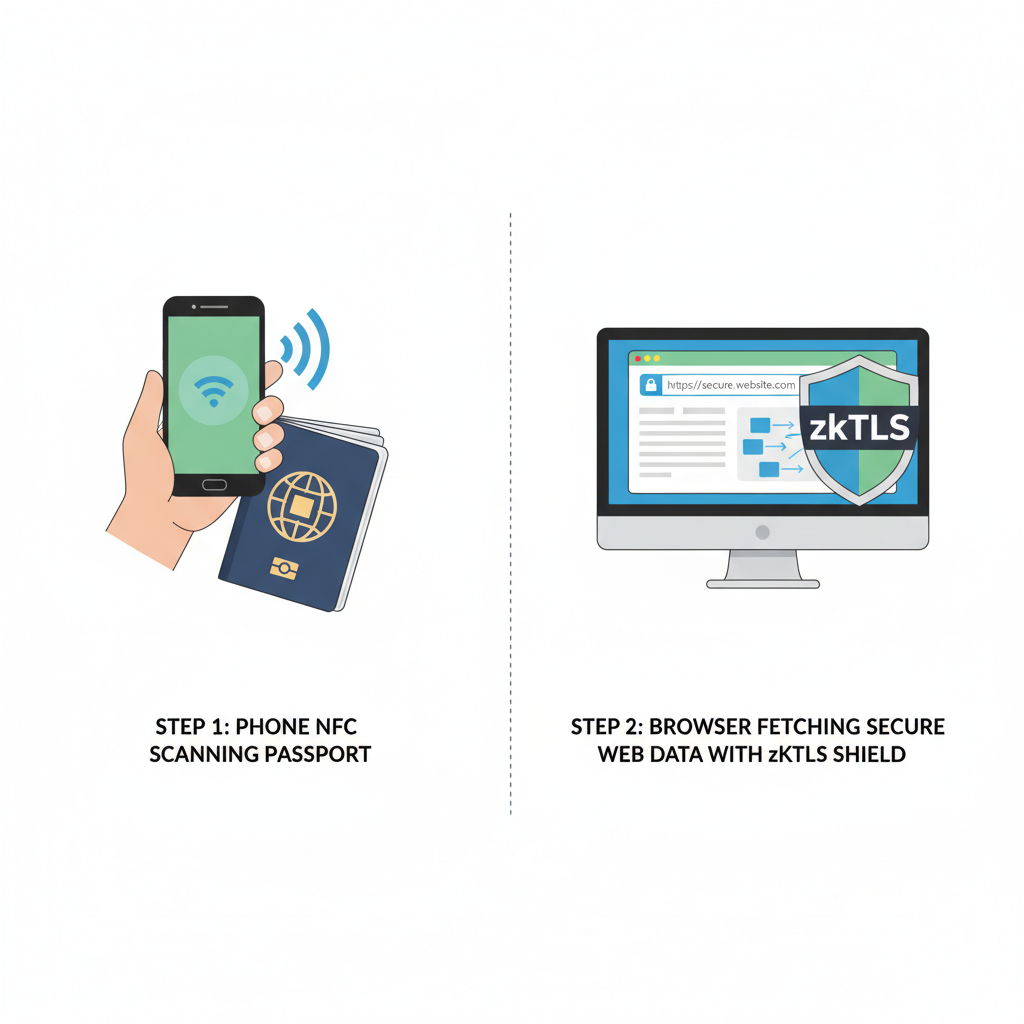
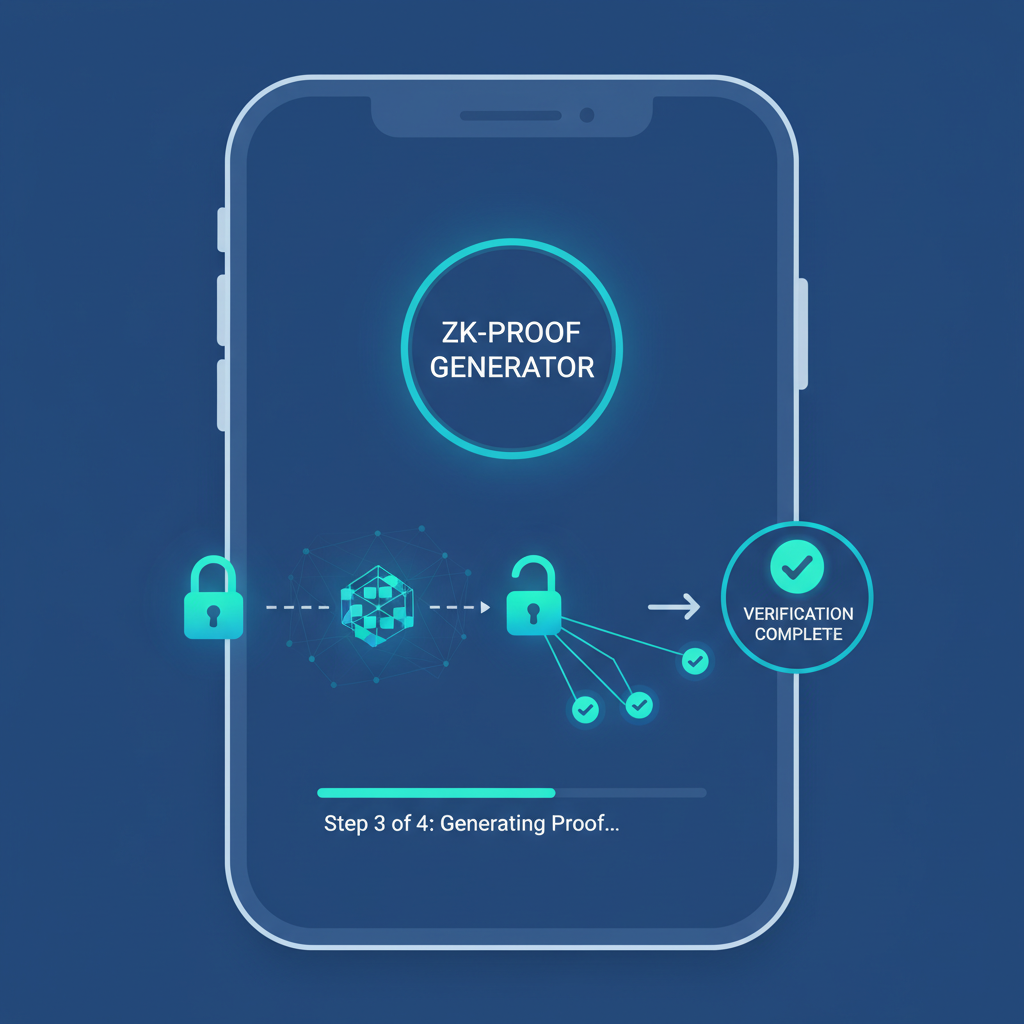
Once you’ve picked your wallet, the real fun begins: turning abstract privacy promises into a working setup. Let’s walk through generating your first proof with Self, for instance. Fire up the app, grant NFC access, and hover over your passport chip. In seconds, it extracts verifiable attributes – like age or citizenship – bundles them into a ZKP, all processed on-device. No data leaves your phone.
Real-World Use Cases That Make zkTLS Shine
Picture logging into a DeFi platform without KYC nightmares. With zkMe, prove you’re verified once, then reuse the proof across apps. Or use zkPass to attest your GitHub contributions or bank balance from HTTPS endpoints, no screenshots needed. CryptoRank reports Google Wallet’s ZKP age gates already in action, hinting at mainstream adoption. This isn’t theory; it’s deployable now for privacy-preserving identity wallets.
Comparison of Top zk Identity Wallets
| Wallet | Key Features | Pros | Cons |
|---|---|---|---|
| Self | NFC passport, open-source | 🛡️ Privacy-first 🔓 Fully open-source 📱 Easy NFC scanning setup |
❌ Requires NFC phone & passport ⚠️ Limited document types |
| zkMe | MPC credentials, compliance-focused | ⚖️ Regulatory compliance ready 🔐 Secure MPC cryptography ✅ Verifiable credentials support |
❌ More complex for individuals ⚠️ Business/enterprise oriented |
| zkPass | HTTPS proofs, developer-friendly | 🌐 zkTLS for any HTTPS site ✅ No OAuth/API keys needed 💻 Developer-friendly tools |
❌ Web data focus only ⚠️ On-chain proof dependency |
Developers love zkTLS decentralized identity for its zero-trust model. Stanford’s DECO roots mean proofs hold up in court if needed, proving data integrity without sources. Enterprises, per Internet Policy Review, cut compliance costs by 40-60% via data minimization. Users? Total control. Revoke a shared proof anytime, no vendor lock-in.
Challenges exist, sure. Proof generation eats battery on older phones, and verifier adoption lags. But with Polygon ID scaling ZK state proofs and Mina optimizing sizes to kilobytes, usability hurdles shrink fast. ResearchGate’s SSI wallet analysis predicts explosion by 2027 as regs like EU’s eIDAS 2.0 mandate interoperability.
Advanced Tips for zk Identity Wallet Mastery
Level up by chaining proofs. Combine a zkTLS bank statement proof with Self’s passport ZKP for undercollateralized loans – prove income and eligibility sans docs. zkMe’s MPC splits keys across devices, surviving phone loss. Always verify issuer trust: stick to gov-backed or audited ones. For devs, integrate via SDKs; zkPass offers EVM-compatible circuits.
Security audits matter. Self’s open-source code invites scrutiny, while zkMe boasts SOC 2 compliance. Track metrics: average proof size under 1KB, verification in milliseconds on modern chains. This data-driven edge makes zero-knowledge proofs DID a no-brainer over OAuth relics.
Embracing these self-sovereign identity wallets flips the script on Big Tech data hoarding. You’re not just a user; you’re the sovereign. Start small – verify age for a test app – and scale to full DeFi access. As Google and protocols like DECO pave the way, zkTLS and ZKPs aren’t future tech; they’re your privacy toolkit today. Dive in, claim control, and watch centralized ID fade.
About the Author